Gu Hong-Mei, Zhang Da-Wei
Departments of Pediatrics and Biochemistry, Group on the Molecular and Cell Biology of Lipids, University of Alberta , Edmonton, Alberta, T6G 2S2 , Canada .
J Biomed Res. 2015 Sep;29(5):356-61. doi: 10.7555/JBR.29.20150067. Epub 2015 Jul 20.
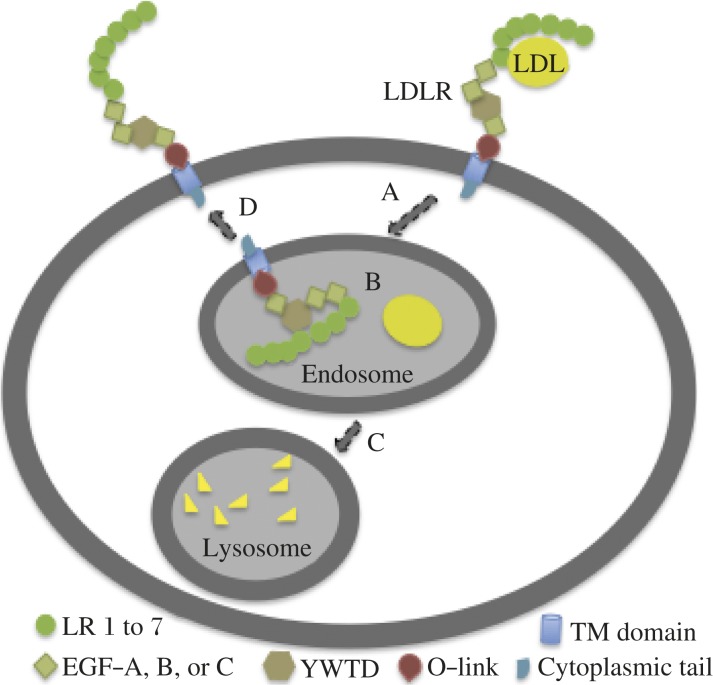
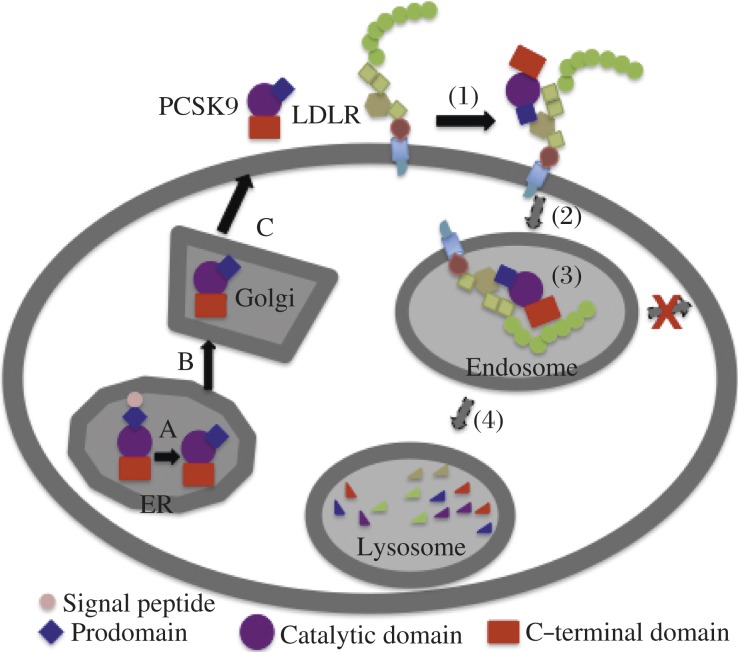
Atherosclerotic cardiovascular disease is the main cause of mortality and morbidity in the world. Plasma levels of low density lipoprotein cholesterol (LDL-C) are positively correlated with the risk of atherosclerosis. High plasma LDL concentrations in patients with hypercholesterolemia lead to build-up of LDL in the inner walls of the arteries, which becomes oxidized and promotes the formation of foam cells, consequently initiating atherosclerosis. Plasma LDL is mainly cleared through the LDL receptor (LDLR) pathway. Mutations in the LDLR cause familiar hypercholesterolemia and increase the risk of premature coronary heart disease. The expression of LDLR is regulated at the transcriptional level via the sterol regulatory element binding protein 2 (SREBP-2) and at the posttranslational levels mainly through proprotein convertase subtilisin/kexin-type 9 (PCSK9) and inducible degrader of the LDLR (IDOL). In this review, we summarize the latest advances in the studies of PCSK9.
动脉粥样硬化性心血管疾病是全球死亡和发病的主要原因。血浆低密度脂蛋白胆固醇(LDL-C)水平与动脉粥样硬化风险呈正相关。高胆固醇血症患者的血浆LDL浓度升高会导致LDL在动脉内壁堆积,进而被氧化并促进泡沫细胞形成,从而引发动脉粥样硬化。血浆LDL主要通过LDL受体(LDLR)途径清除。LDLR突变会导致家族性高胆固醇血症,并增加早发性冠心病的风险。LDLR的表达在转录水平上通过固醇调节元件结合蛋白2(SREBP-2)进行调控,在翻译后水平上主要通过前蛋白转化酶枯草杆菌蛋白酶/kexin 9型(PCSK9)和LDLR诱导降解物(IDOL)进行调控。在本综述中,我们总结了PCSK9研究的最新进展。