Morozov Vladimir A, Morozov Alexey V, Rotem Avi, Barkai Uriel, Bornstein Stefan, Denner Joachim
Robert Koch Institute, Berlin, Germany.
Engelhardt Institute of Molecular Biology, RAS, Moscow, Russia.
PLoS One. 2015 Oct 14;10(10):e0139893. doi: 10.1371/journal.pone.0139893. eCollection 2015.
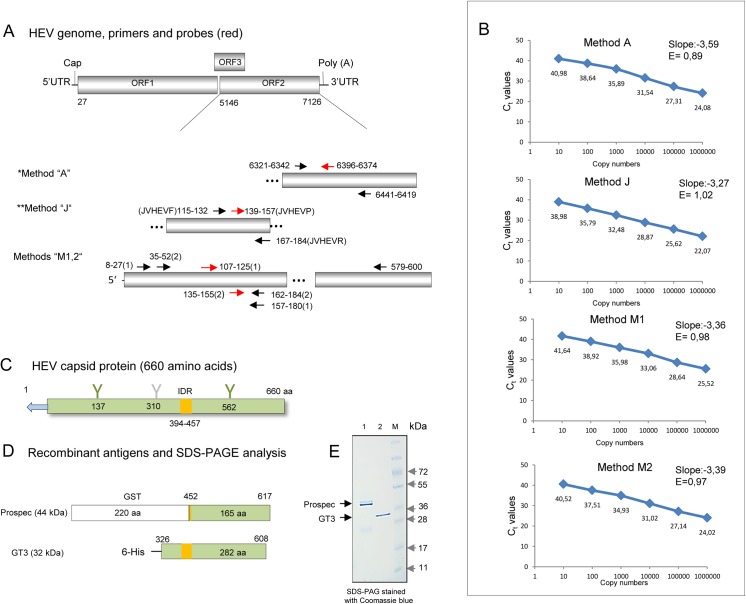
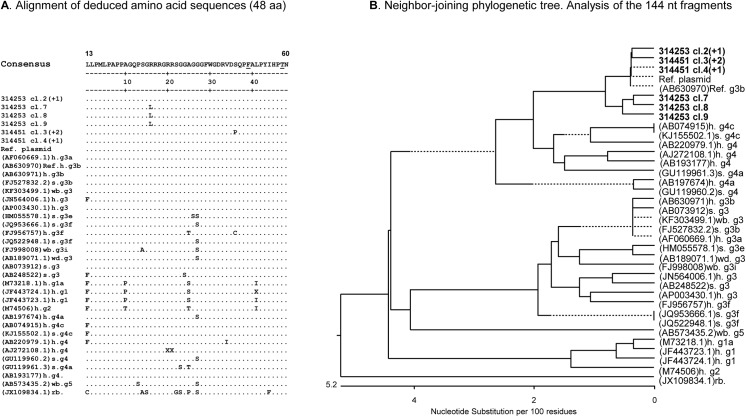
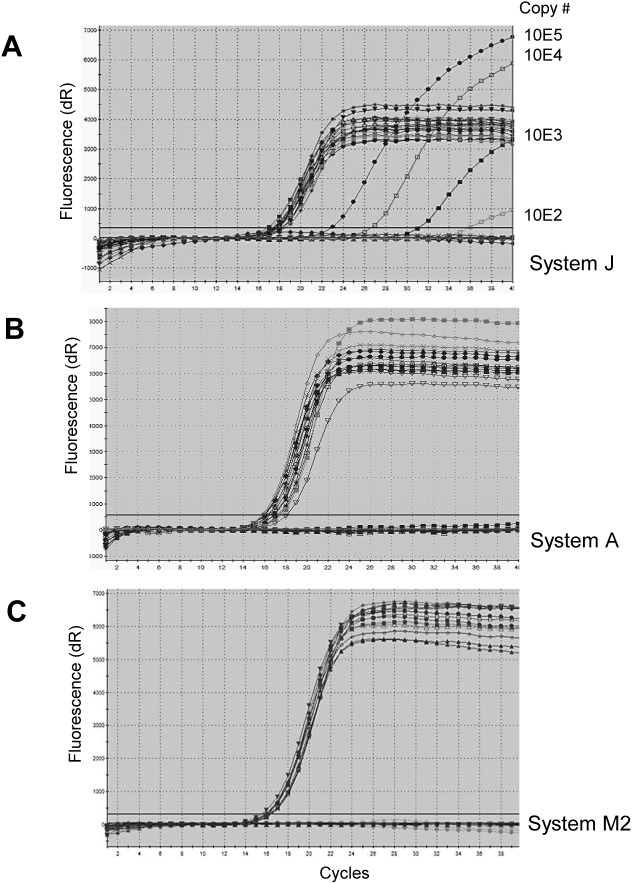
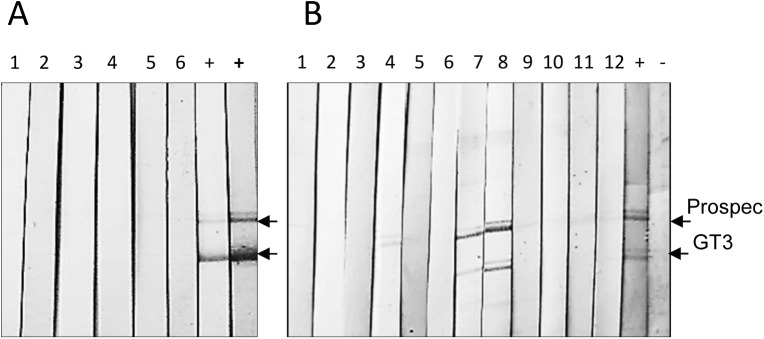
Xenotransplantation has been proposed as a solution to the shortage of suitable human donors. Pigs are currently favoured as donor animals for xenotransplantation of cells, including islet cells, or organs. To reduce the xenotransplantation-associated risk of infection of the recipient the pig donor should be carefully characterised. Göttingen minipigs from Ellegaard are often used for biomedical research and are regularly tested by their vendor for the presence of numerous bacteria, fungi, viruses and parasites. However, screening for some pathogens transmittable to humans had not been performed.The presence of microorganisms was examined in Göttingen Minipigs by PCR methods. Since zoonotic transmission of porcine hepatitis E virus HEV to humans has been demonstrated, extended search for HEV was considered as a priority. RNA from sera, islet and other cells from 40 minipigs were examined for HEV using different real-time reverse transcription (RT)-PCRs, among them two newly established. In addition, sera were examined by Western blot analysis using two recombinant capsid proteins of HEV as antigens. HEV RNA was not detected in pigs older than one year including gilts, but it was detected in the sera of three of ten animals younger than 1 year. Furthermore, HEV was also detected in the sera of three sows six days after delivery and their offspring, indicating vertical transmission of the virus. PCR amplicons were cloned, sequenced and the viruses were found to belong to the HEV genotype (gt) 3/4. Anti-HEV immunoglobulins G were detected in one sow and maternal antibodies in her six day old piglet. Since Göttingen minipigs were negative for many xenotransplantation-relevant microorganisms, they can now be classified as safe. HEV may be eliminated from the Ellegaard herd by selection of negative animals and/or by treatment of the animals.
异种移植已被提议作为解决合适人类供体短缺问题的一种方法。猪目前是细胞(包括胰岛细胞)或器官异种移植供体动物的首选。为降低受体因异种移植而感染的风险,应对猪供体进行仔细鉴定。来自埃勒高的哥廷根小型猪常用于生物医学研究,其供应商会定期对其进行多种细菌、真菌、病毒和寄生虫检测。然而,此前尚未对一些可传播给人类的病原体进行筛查。采用聚合酶链反应(PCR)方法检测哥廷根小型猪体内的微生物。由于已证实猪戊型肝炎病毒(HEV)可人畜共患传播给人类,因此将扩大对HEV的检测作为首要任务。使用不同的实时逆转录(RT)-PCR,其中包括两种新建立的方法,对40只小型猪的血清、胰岛和其他细胞中的RNA进行HEV检测。此外,使用两种HEV重组衣壳蛋白作为抗原,通过蛋白质印迹分析检测血清。在1岁以上的猪(包括后备母猪)中未检测到HEV RNA,但在10只1岁以下动物的三只血清中检测到了HEV RNA。此外,在三只母猪分娩后六天及其后代的血清中也检测到了HEV,表明该病毒可垂直传播。PCR扩增产物被克隆、测序,发现这些病毒属于HEV基因型(gt)3/4。在一只母猪及其6日龄仔猪中检测到抗HEV免疫球蛋白G和母源抗体。由于哥廷根小型猪对许多与异种移植相关的微生物呈阴性,它们现在可被归类为安全的。可通过选择阴性动物和/或对动物进行治疗,从埃勒高猪群中消除HEV。