Onuigbo Macaulay Amechi Chukwukadibia, Agbasi Nneoma
Mayo Clinic College of Medicine, Rochester, MN 55905, USA ; Department of Nephrology, Mayo Clinic Health System, Eau Claire, USA.
North East London NHS Foundation Trust, UK.
J Renal Inj Prev. 2015 Sep 1;4(3):61-7. doi: 10.12861/jrip.2015.13. eCollection 2015.
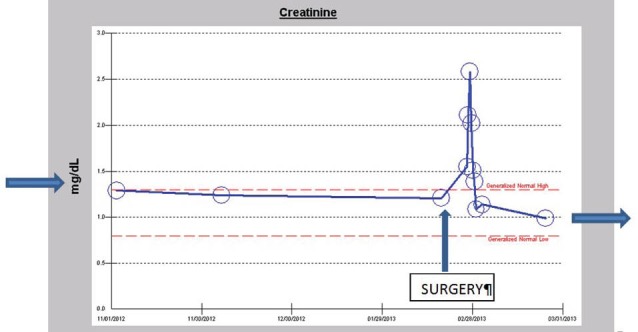
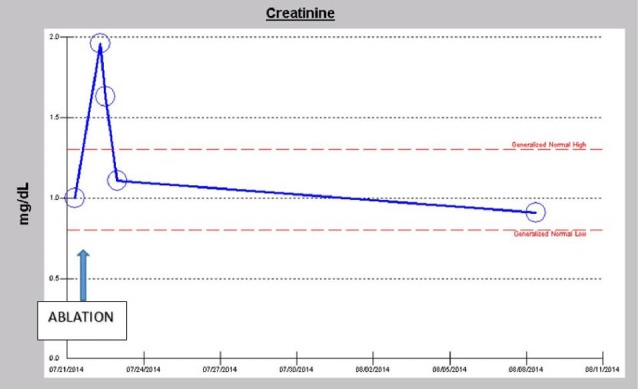
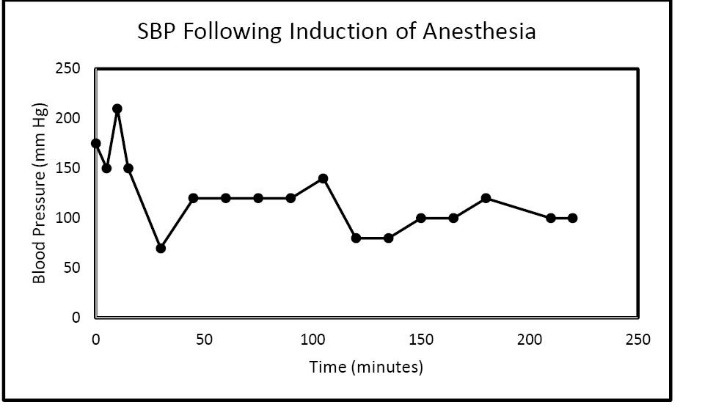
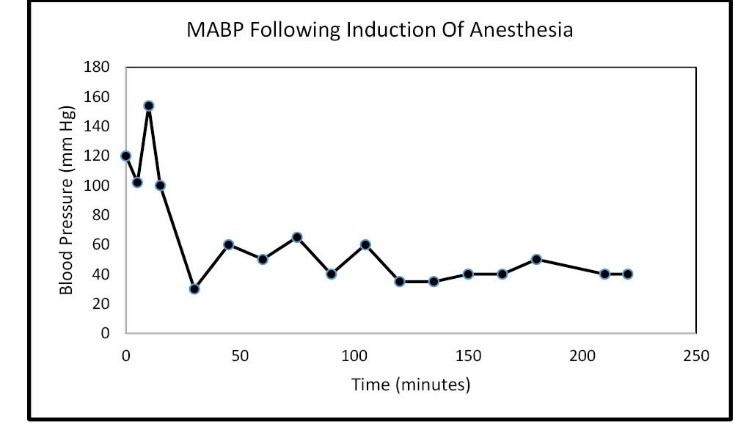
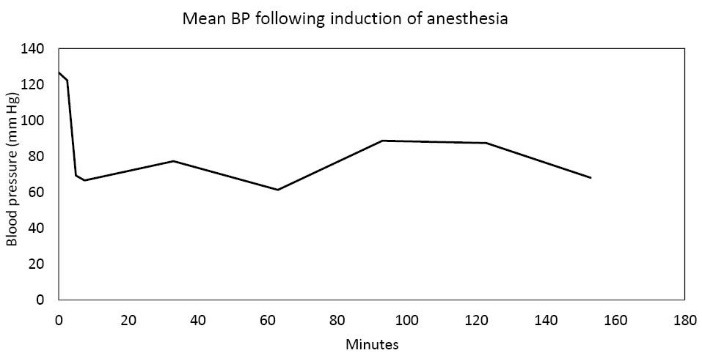
Acute kidney injury (AKI) is a relatively common complication of cardiothoracic surgery and has both short- and long-term survival implications, even when AKI does not progress to severe renal failure. Given that currently, there are no active effective treatments for AKI, other than renal replacement therapy when indicated, the focus of clinicians ought to be on prevention and risk factor management. In the AKI-surgery literature, there exists this general consensus that intraoperative hypotension (IH) following hypotensive anesthesia (HA) or controlled hypotension (CH) in the operating room has no significant short-term and long-term impacts on renal function. In this review, we examine the basis for this consensus, exposing some of the flaws of the clinical study data upon which this prevailing consensus is based. We then describe our experiences in the last decade at the Mayo Clinic Health System, Eau Claire, in Northwestern Wisconsin, USA, with two selected case presentations to highlight the contribution of IH as a potent yet preventable cause of post-operative AKI. We further highlight the causative although neglected role of IH in precipitating postoperative AKI in chronic kidney disease (CKD) patients. We show additional risk factors associated with this syndrome and further make a strong case for the elimination of IH as an achievable mechanism to reduce overall, the incidence of hospital acquired AKI. We finally posit that as the old saying goes, prevention is indeed better than cure.
急性肾损伤(AKI)是心胸外科手术相对常见的并发症,即便AKI未进展至严重肾衰竭,它对短期和长期生存均有影响。鉴于目前除在必要时进行肾脏替代治疗外,尚无针对AKI的有效治疗方法,临床医生应将重点放在预防和危险因素管理上。在AKI与手术相关的文献中,存在这样一种普遍共识,即手术室中在低血压麻醉(HA)或控制性低血压(CH)后出现的术中低血压(IH)对肾功能没有显著的短期和长期影响。在本综述中,我们审视了这一共识的依据,揭示了这一普遍共识所基于的临床研究数据中的一些缺陷。然后,我们描述了过去十年在美国威斯康星州西北部欧克莱尔市梅奥诊所医疗系统的经验,并通过两个精选病例展示来强调IH作为术后AKI一个潜在但可预防的病因所起的作用。我们进一步强调了IH在慢性肾脏病(CKD)患者术后AKI发生中虽被忽视但却起致病作用的情况。我们展示了与该综合征相关的其他危险因素,并进一步有力地论证了消除IH是降低医院获得性AKI总体发生率的一个可行机制。我们最后指出,正如那句老话所说,预防确实优于治疗。