Fan Chunyan, Hao Zhiqiang, Yan Jiahong, Li Guanglin
College of Life Science, Shaanxi Normal University, Xi'an, 710119, China.
BMC Genomics. 2015 Oct 15;16:793. doi: 10.1186/s12864-015-2024-0.
Long intergenic noncoding RNAs (lincRNAs) are endogenous non-coding RNAs (ncRNAs) that are transcribed from 'intergenic' regions of the genome and may play critical roles in regulating gene expression through multiple RNA-mediated mechanisms. MicroRNAs (miRNAs) are single-stranded small ncRNAs of approximately 21-24 nucleotide (nt) that are involved in transcriptional and post-transcriptional gene regulation. While miRNAs functioning as mRNA repressors have been studied in detail, the influence of miRNAs on lincRNAs has seldom been investigated in plants.
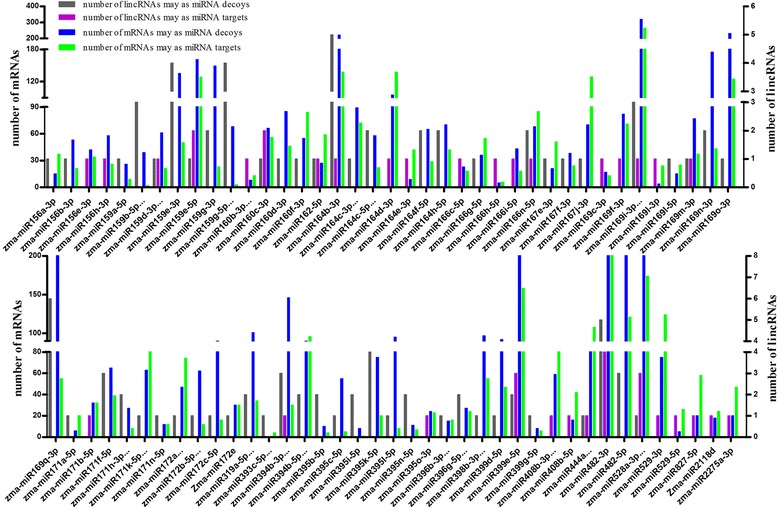
LincRNAs as miRNA targets or decoys were predicted via GSTAr.pl script with a set of rules, and lincRNAs as miRNA targets were validated by degradome data. Conservation analysis of lincRNAs as miRNA targets or decoys were conducted using BLASTN and MAFFT. The function of lincRNAs as miRNA targets were predicted via a lincRNA-mRNA co-expression network, and the function of lincRNAs as miRNA decoys were predicted according to the competing endogenous RNA (ceRNA) hypothesis.
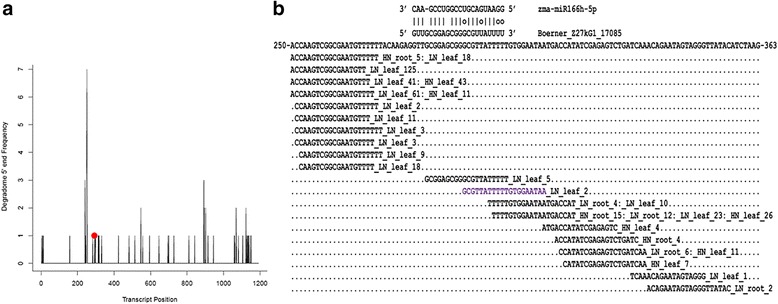
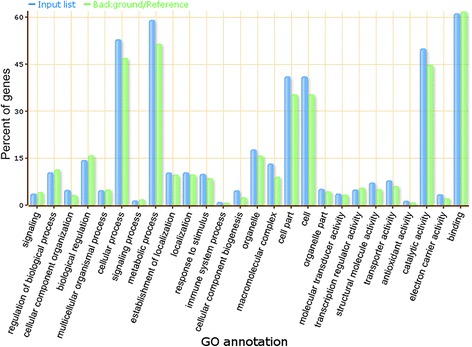
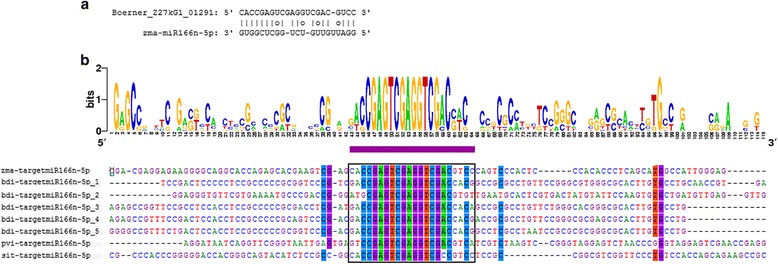
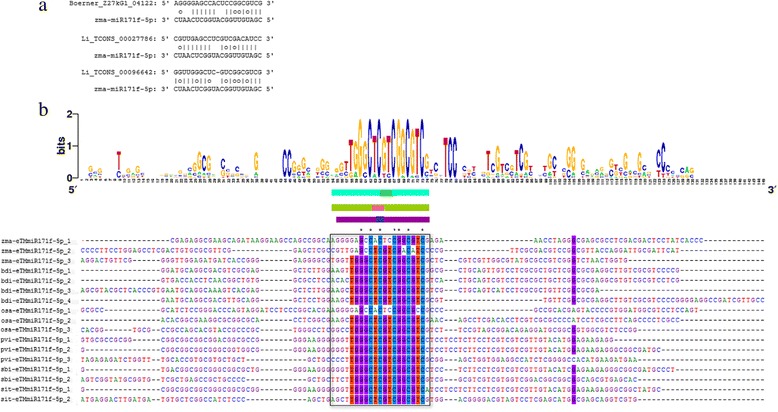
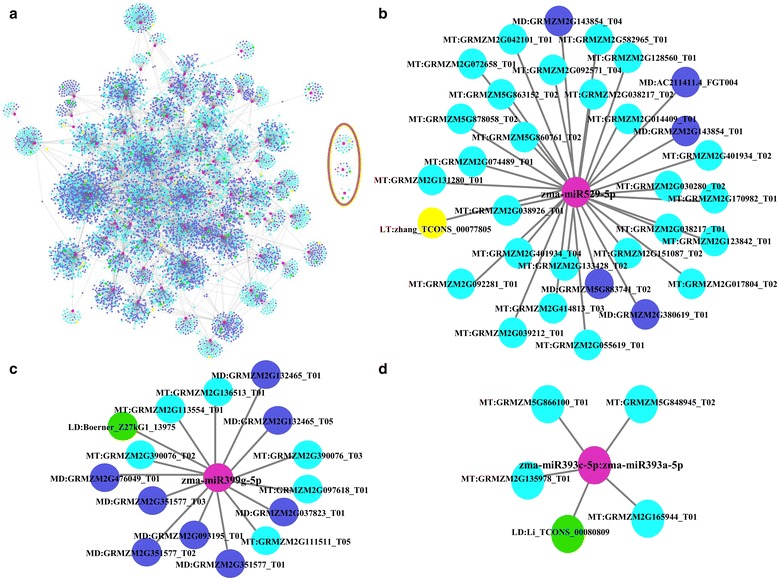
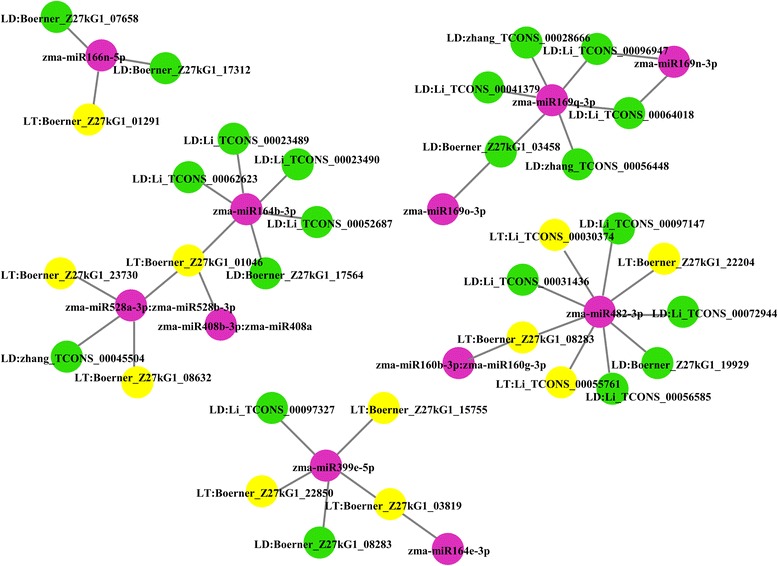
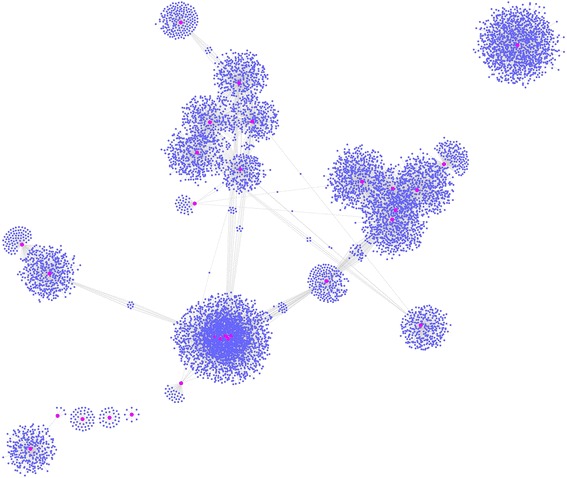
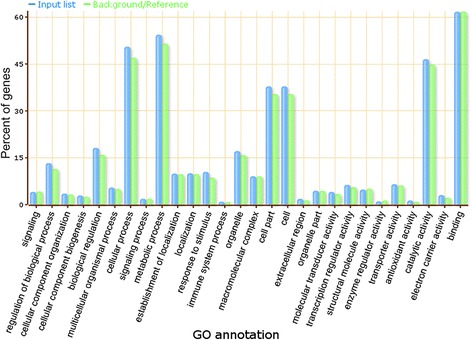
In this work, we developed a computational method and systematically predicted 466 lincRNAs as 165 miRNA targets and 86 lincRNAs as 58 miRNA decoys in maize (Zea mays L.). Furthermore, 34 lincRNAs predicted as 33 miRNA targets were validated based on degradome data. We found that lincRNAs acting as miRNA targets or decoys are a common phenomenon, which indicates that the regulated networks of miRNAs also involve lincRNAs. To elucidate the function of lincRNAs, we reconstructed a miRNA-regulated network involving 78 miRNAs, 117 lincRNAs and 8834 mRNAs. Based on the lincRNA-mRNA co-expression network and the competing endogenous RNA hypothesis, we predicted that 34 lincRNAs that function as miRNA targets and 86 lincRNAs that function as miRNA decoys participate in cellular and metabolic processes, and play role in catalytic activity and molecular binding functions.
This work provides a comprehensive view of miRNA-regulated networks and indicates that lincRNAs can participate in a layer of regulatory interactions as miRNA targets or decoys in plants, which will enable in-depth functional analysis of lincRNAs.
长链基因间非编码RNA(lincRNAs)是从基因组的“基因间”区域转录而来的内源性非编码RNA(ncRNAs),可能通过多种RNA介导的机制在调节基因表达中发挥关键作用。微小RNA(miRNAs)是约21 - 24个核苷酸(nt)的单链小ncRNAs,参与转录和转录后基因调控。虽然作为mRNA阻遏物发挥作用的miRNAs已得到详细研究,但miRNAs对lincRNAs的影响在植物中很少被研究。
通过GSTAr.pl脚本依据一组规则预测作为miRNA靶标或诱饵的lincRNAs,并利用降解组数据验证作为miRNA靶标的lincRNAs。使用BLASTN和MAFFT对作为miRNA靶标或诱饵的lincRNAs进行保守性分析。通过lincRNA - mRNA共表达网络预测作为miRNA靶标的lincRNAs的功能,并根据竞争性内源RNA(ceRNA)假说预测作为miRNA诱饵的lincRNAs的功能。
在本研究中,我们开发了一种计算方法,并系统地预测了玉米(Zea mays L.)中466个lincRNAs作为165个miRNA的靶标以及86个lincRNAs作为58个miRNA的诱饵。此外,基于降解组数据验证了34个被预测为33个miRNA靶标的lincRNAs。我们发现lincRNAs作为miRNA靶标或诱饵是一种常见现象,这表明miRNAs的调控网络也涉及lincRNAs。为阐明lincRNAs的功能,我们重建了一个涉及78个miRNAs、117个lincRNAs和8834个mRNAs的miRNA调控网络。基于lincRNA - mRNA共表达网络和竞争性内源RNA假说,我们预测34个作为miRNA靶标的lincRNAs和86个作为miRNA诱饵的lincRNAs参与细胞和代谢过程,并在催化活性和分子结合功能中发挥作用。
本研究提供了miRNA调控网络的全面视图,并表明lincRNAs可以作为植物中miRNA的靶标或诱饵参与一层调控相互作用,这将有助于对lincRNAs进行深入的功能分析。