d'Avenia M, Citro R, De Marco M, Veronese A, Rosati A, Visone R, Leptidis S, Philippen L, Vitale G, Cavallo A, Silverio A, Prota C, Gravina P, De Cola A, Carletti E, Coppola G, Gallo S, Provenza G, Bossone E, Piscione F, Hahne M, De Windt L J, Turco M C, De Laurenzi V
Department of Pharmacy (DIFARMA), University of Salerno, Fisciano, Italy.
Biouniversa s.r.l., c/o University of Salerno, Fisciano, Italy.
Cell Death Dis. 2015 Oct 29;6(10):e1948. doi: 10.1038/cddis.2015.280.
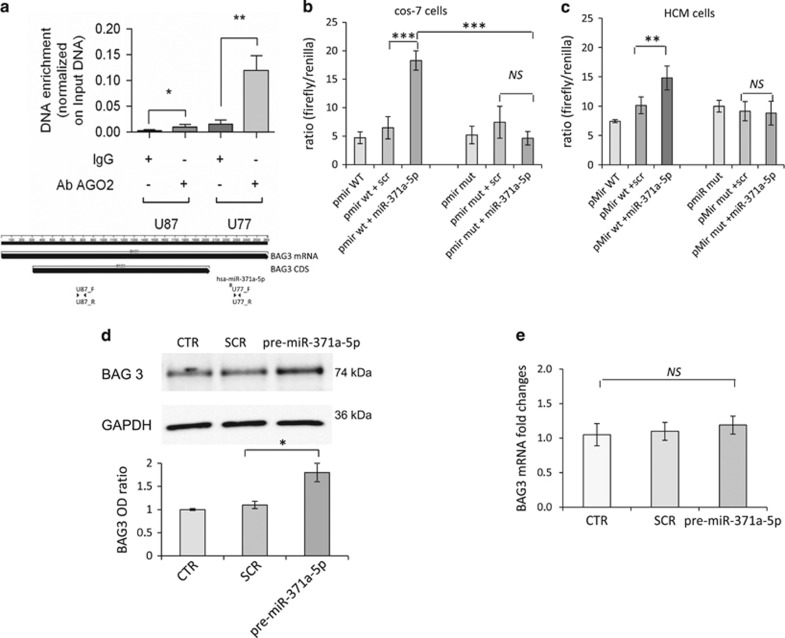
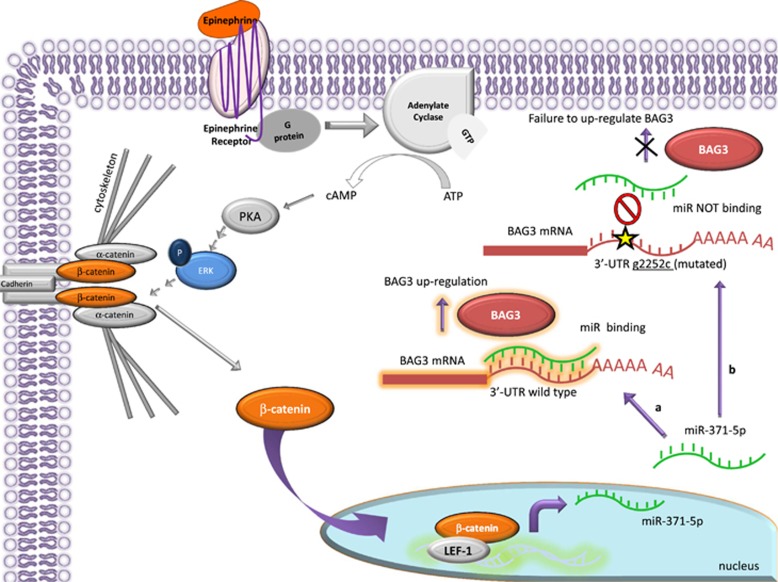
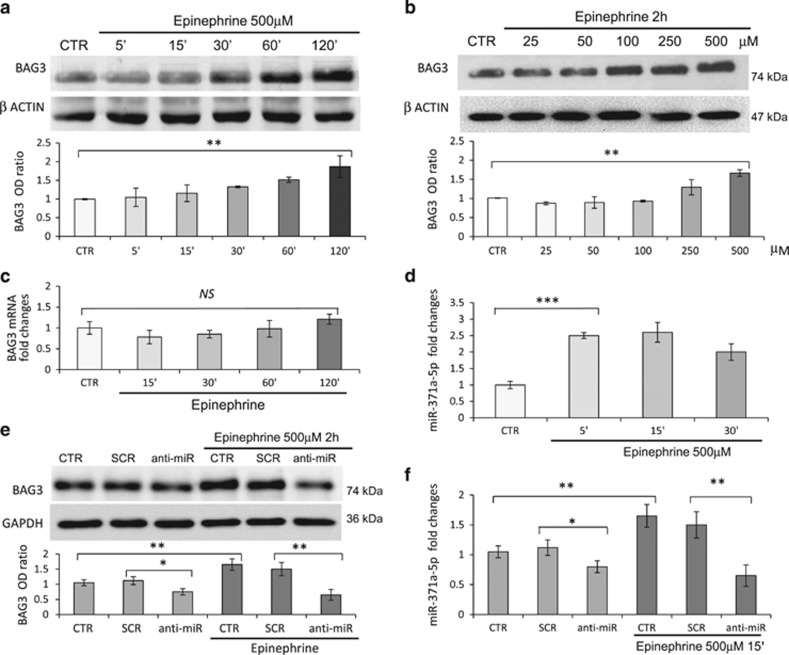
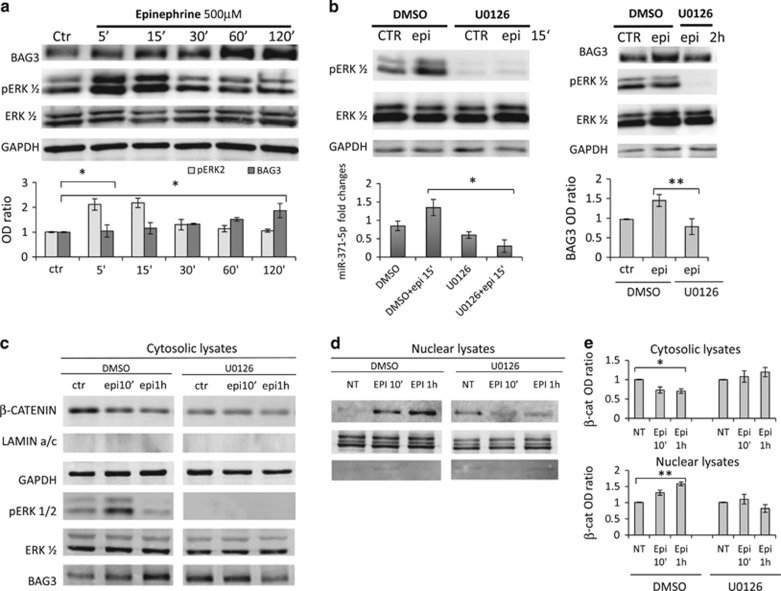
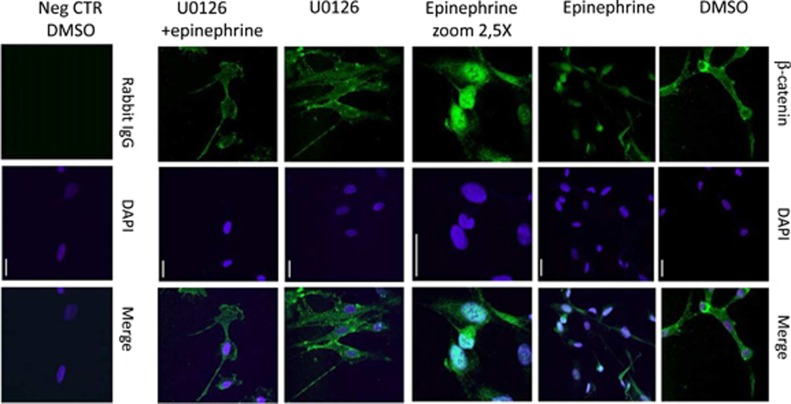
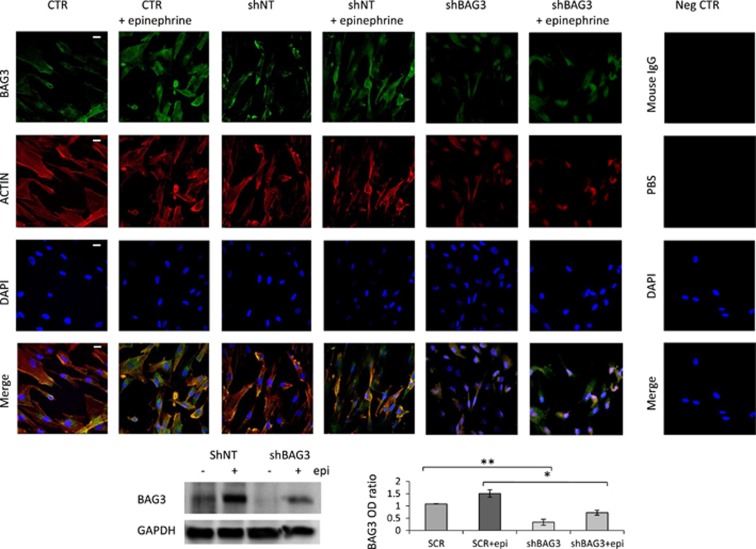
Molecular mechanisms protecting cardiomyocytes from stress-induced death, including tension stress, are essential for cardiac physiology and defects in these protective mechanisms can result in pathological alterations. Bcl2-associated athanogene 3 (BAG3) is expressed in cardiomyocytes and is a component of the chaperone-assisted autophagy pathway, essential for homeostasis of mechanically altered cells. BAG3 ablation in mice results in a lethal cardiomyopathy soon after birth and mutations of this gene have been associated with different cardiomyopathies including stress-induced Takotsubo cardiomyopathy (TTC). The pathogenic mechanism leading to TTC has not been defined, but it has been suggested that the heart can be damaged by excessive epinephrine (epi) spillover in the absence of a protective mechanism. The aim of this study was to provide more evidence for a role of BAG3 in the pathogenesis of TTC. Therefore, we sequenced BAG3 gene in 70 TTC patients and in 81 healthy donors with the absence of evaluable cardiovascular disease. Mutations and polymorphisms detected in the BAG3 gene included a frequent nucleotide change g2252c in the BAG3 3'-untranslated region (3'-UTR) of Takotsubo patients (P<0.05), resulting in loss of binding of microRNA-371a-5p (miR-371a-5p) as evidenced by dual-luciferase reporter assays and argonaute RNA-induced silencing complex catalytic component 2/pull-down assays. Moreover, we describe a novel signaling pathway in cardiomyocytes that leads to BAG3 upregulation on exposure to epi through an ERK-dependent upregulation of miR-371a-5p. In conclusion, the presence of a g2252c polymorphism in the BAG3 3'-UTR determines loss of miR-371a-5p binding and results in an altered response to epi, potentially representing a new molecular mechanism that contributes to TTC pathogenesis.
保护心肌细胞免受包括张力应激在内的应激诱导死亡的分子机制,对心脏生理学至关重要,而这些保护机制的缺陷可导致病理改变。Bcl2相关抗凋亡基因3(BAG3)在心肌细胞中表达,是伴侣蛋白辅助自噬途径的一个组成部分,对机械改变细胞的内环境稳定至关重要。小鼠中BAG3基因缺失会在出生后不久导致致死性心肌病,该基因的突变与包括应激诱导的Takotsubo心肌病(TTC)在内的不同心肌病有关。导致TTC的致病机制尚未明确,但有人提出,在缺乏保护机制的情况下,心脏可能会因肾上腺素(epi)过量溢出而受损。本研究的目的是为BAG3在TTC发病机制中的作用提供更多证据。因此,我们对70例TTC患者和81名无可评估心血管疾病的健康供体的BAG3基因进行了测序。在BAG3基因中检测到的突变和多态性包括Takotsubo患者BAG3 3'非翻译区(3'-UTR)中频繁出现的核苷酸变化g2252c(P<0.05),双荧光素酶报告基因检测和AGO2下拉检测证明,这导致了微小RNA-371a-5p(miR-371a-5p)结合丧失。此外,我们描述了心肌细胞中的一种新信号通路,该通路通过ERK依赖的miR-371a-5p上调导致暴露于epi时BAG3上调。总之,BAG3 3'-UTR中g2252c多态性的存在决定了miR-371a-5p结合丧失,并导致对epi的反应改变,这可能代表了一种导致TTC发病机制的新分子机制。