Sheets Larry P, Li Abby A, Minnema Daniel J, Collier Richard H, Creek Moire R, Peffer Richard C
a Bayer CropScience , Research Triangle Park , NC , USA ;
b Exponent Health Sciences , San Francisco , CA , USA ;
Crit Rev Toxicol. 2016 Feb;46(2):153-90. doi: 10.3109/10408444.2015.1090948. Epub 2015 Oct 29.
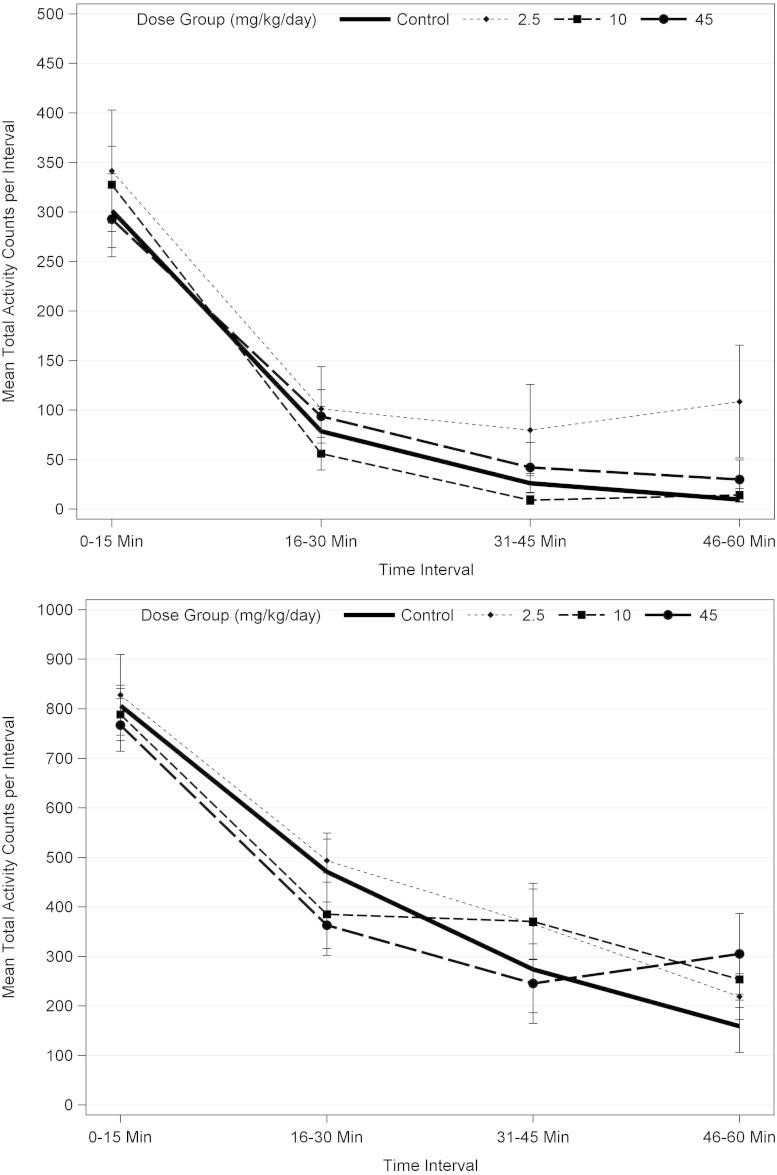
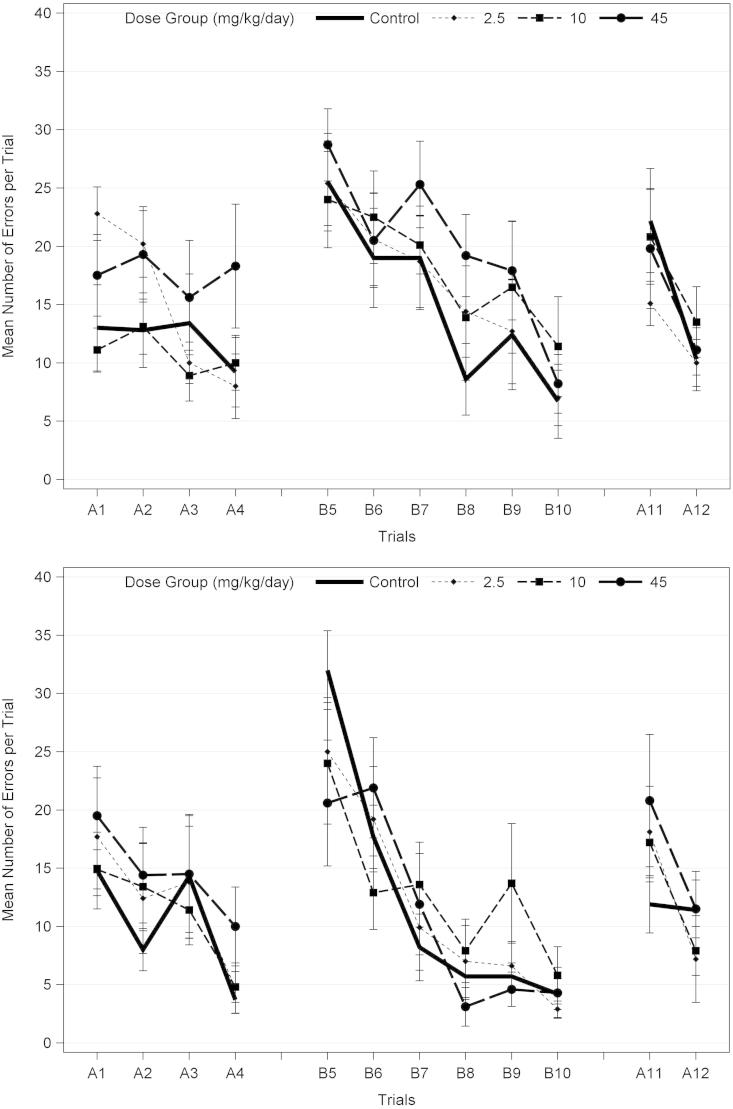
A comprehensive review of published and previously unpublished studies was performed to evaluate the neonicotinoid insecticides for evidence of developmental neurotoxicity (DNT). These insecticides have favorable safety profiles, due to their preferential affinity for nicotinic receptor (nAChR) subtypes in insects, poor penetration of the mammalian blood-brain barrier, and low application rates. Nevertheless, examination of this issue is warranted, due to their insecticidal mode of action and potential exposure with agricultural and residential uses. This review identified in vitro, in vivo, and epidemiology studies in the literature and studies performed in rats in accordance with GLP standards and EPA guidelines with imidacloprid, acetamiprid, thiacloprid, clothianidin, thiamethoxam, and dinotefuran, which are all the neonicotinoids currently registered in major markets. For the guideline-based studies, treatment was administered via the diet or gavage to primiparous female rats at three dose levels, plus a vehicle control (≥20/dose level), from gestation day 0 or 6 to lactation day 21. F1 males and females were evaluated using measures of motor activity, acoustic startle response, cognition, brain morphometry, and neuropathology. The principal effects in F1 animals were associated with decreased body weight (delayed sexual maturation, decreased brain weight, and morphometric measurements) and acute toxicity (decreased activity during exposure) at high doses, without neuropathology or impaired cognition. No common effects were identified among the neonicotinoids that were consistent with DNT or the neurodevelopmental effects associated with nicotine. Findings at high doses were associated with evidence of systemic toxicity, which indicates that these insecticides do not selectively affect the developing nervous system.
为评估新烟碱类杀虫剂的发育神经毒性(DNT)证据,我们对已发表和先前未发表的研究进行了全面综述。由于这些杀虫剂对昆虫烟碱受体(nAChR)亚型具有优先亲和力、对哺乳动物血脑屏障的穿透性差且施用量低,因此它们具有良好的安全性。然而,鉴于其杀虫作用方式以及在农业和住宅使用中的潜在暴露情况,对这一问题进行研究是有必要的。本综述在文献中确定了体外、体内和流行病学研究,以及按照GLP标准和EPA指南在大鼠身上使用吡虫啉、啶虫脒、噻虫啉、氯噻啉、噻虫嗪和呋虫胺进行的研究,这些都是目前在主要市场上注册的新烟碱类杀虫剂。对于基于指南的研究,从妊娠第0天或第6天至哺乳期第21天,以三种剂量水平通过饮食或灌胃对初产雌性大鼠进行给药,外加一个溶媒对照组(每个剂量水平≥20只)。使用运动活动、听觉惊吓反应、认知、脑形态测量和神经病理学测量方法对F1代雄性和雌性进行评估。F1代动物的主要影响与高剂量下体重减轻(性成熟延迟、脑重量减轻和形态测量)和急性毒性(暴露期间活动减少)有关,无神经病理学改变或认知受损。在新烟碱类杀虫剂中未发现与DNT或与尼古丁相关的神经发育影响一致的共同影响。高剂量下的研究结果与全身毒性证据相关,这表明这些杀虫剂不会选择性地影响发育中的神经系统。