Horne Tori E, VandeKopple Matthew, Sauls Kimberly, Koenig Sara N, Anstine Lindsey J, Garg Vidu, Norris Russell A, Lincoln Joy
Center for Cardiovascular and Pulmonary Research and The Heart Center at Nationwide Children's Hospital Research Institute, 575 Children's Drive, Research Building III, WB4239, Columbus, OH 43215, USA;
Department of Regenerative Medicine and Cell Biology, Medical University of South Carolina, Charleston, SC 29425, USA;
J Cardiovasc Dev Dis. 2015 Sep;2(3):214-232. doi: 10.3390/jcdd2030214. Epub 2015 Aug 17.
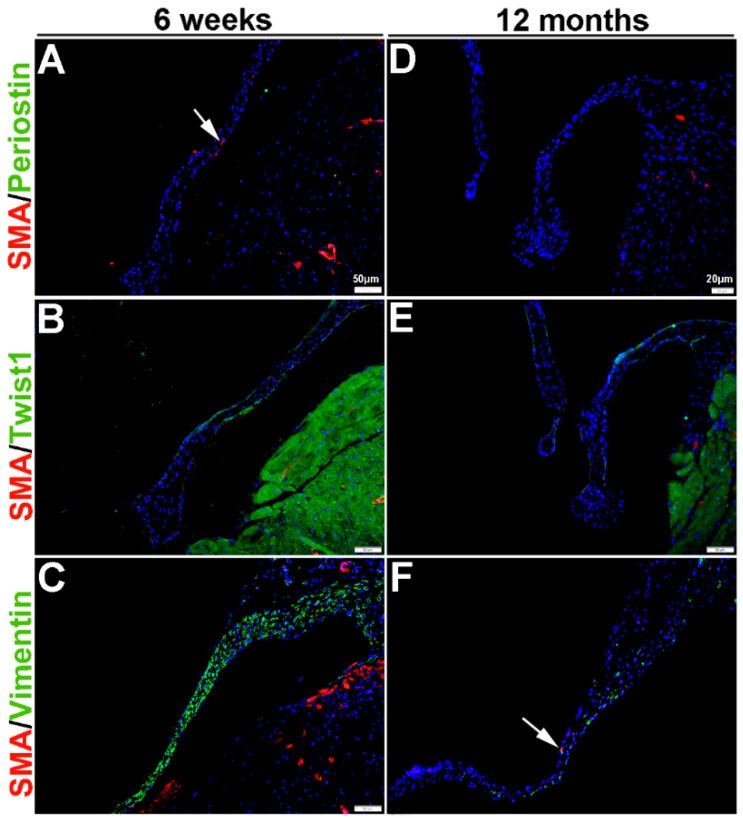
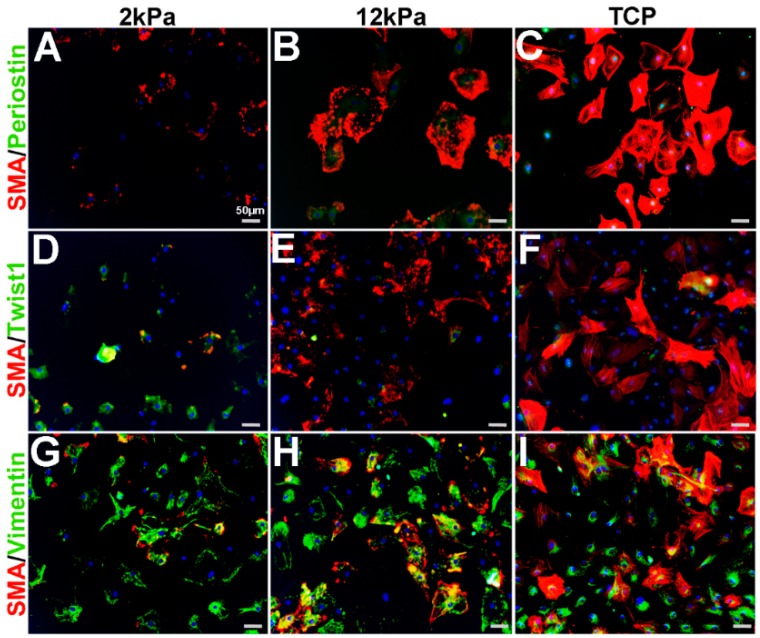
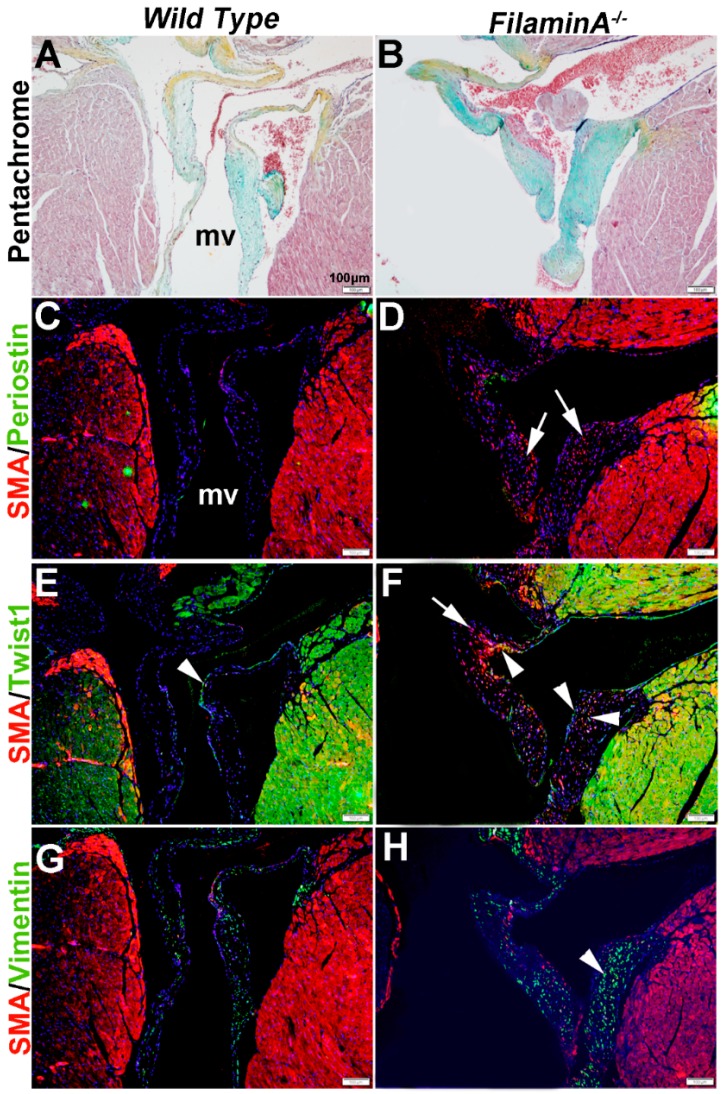
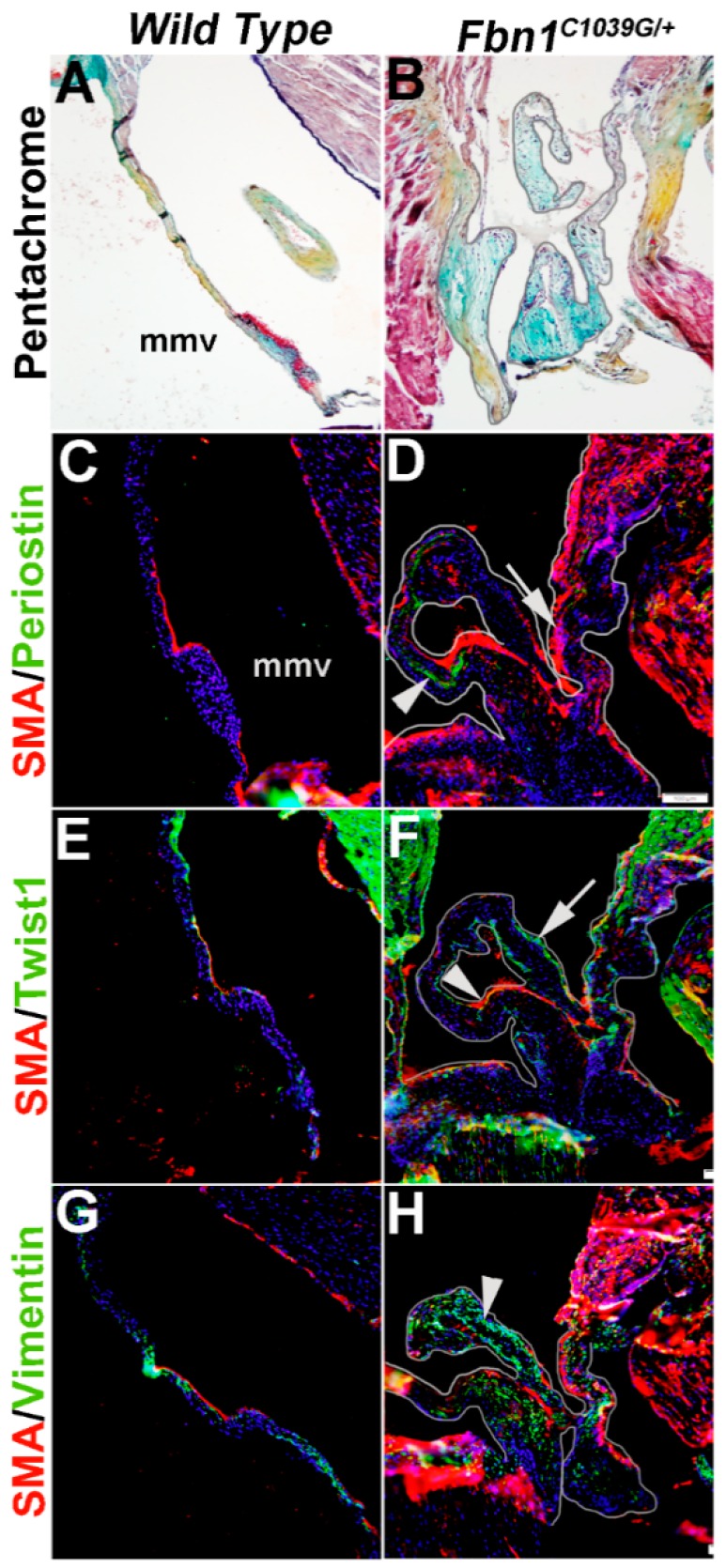
The heart valve interstitial cell (VIC) population is dynamic and thought to mediate lay down and maintenance of the tri-laminar extracellular matrix (ECM) structure within the developing and mature valve throughout life. Disturbances in the contribution and distribution of valve ECM components are detrimental to biomechanical function and associated with disease. This pathological process is associated with activation of resident VICs that in the absence of disease reside as quiescent cells. While these paradigms have been long standing, characterization of this abundant and ever-changing valve cell population is incomplete. Here we examine the expression pattern of Smooth muscle α-actin, Periostin, Twist1 and Vimentin in cultured VICs, heart valves from healthy embryonic, postnatal and adult mice, as well as mature valves from human patients and established mouse models of disease. We show that the VIC population is highly heterogeneous and phenotypes are dependent on age, species, location, and disease state. Furthermore, we identify phenotypic diversity across common models of mitral valve disease. These studies significantly contribute to characterizing the VIC population in health and disease and provide insights into the cellular dynamics that maintain valve structure in healthy adults and mediate pathologic remodeling in disease states.
心脏瓣膜间质细胞(VIC)群体是动态的,被认为在整个生命过程中,在发育中的和成熟的瓣膜内介导三层细胞外基质(ECM)结构的形成和维持。瓣膜ECM成分的贡献和分布紊乱对生物力学功能有害,并与疾病相关。这种病理过程与驻留VIC的激活有关,在无疾病状态下,这些细胞以静止细胞形式存在。虽然这些范例长期存在,但对这种丰富且不断变化的瓣膜细胞群体的特征描述并不完整。在这里,我们研究了平滑肌α-肌动蛋白、骨膜蛋白、Twist1和波形蛋白在培养的VIC、健康胚胎、出生后和成年小鼠的心脏瓣膜以及人类患者的成熟瓣膜和已建立的疾病小鼠模型中的表达模式。我们表明,VIC群体高度异质,其表型取决于年龄、物种、位置和疾病状态。此外,我们确定了二尖瓣疾病常见模型中的表型多样性。这些研究对在健康和疾病状态下表征VIC群体有显著贡献,并为维持健康成年人瓣膜结构和介导疾病状态下病理重塑的细胞动力学提供了见解。