Center for Laryngeal Surgery and Voice Rehabilitation, Massachusetts General Hospital , Boston, MA , USA ; Department of Surgery, Harvard Medical School , Boston, MA , USA ; MGH Institute of Health Professions, Massachusetts General Hospital , Boston, MA , USA.
Center for Laryngeal Surgery and Voice Rehabilitation, Massachusetts General Hospital , Boston, MA , USA ; MGH Institute of Health Professions, Massachusetts General Hospital , Boston, MA , USA.
Front Bioeng Biotechnol. 2015 Oct 16;3:155. doi: 10.3389/fbioe.2015.00155. eCollection 2015.
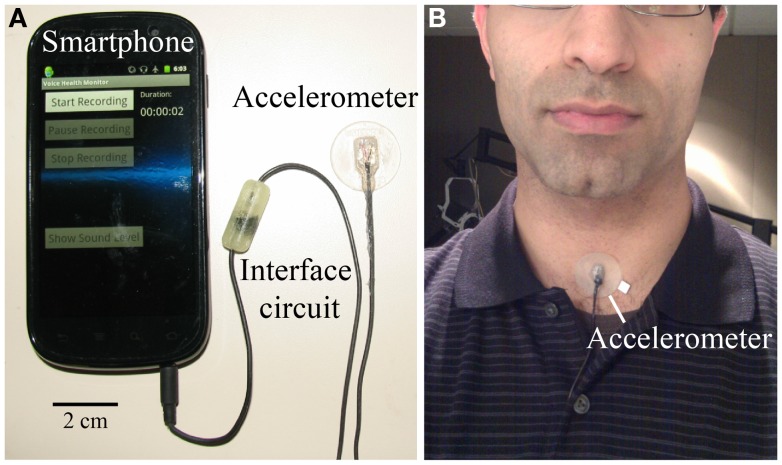
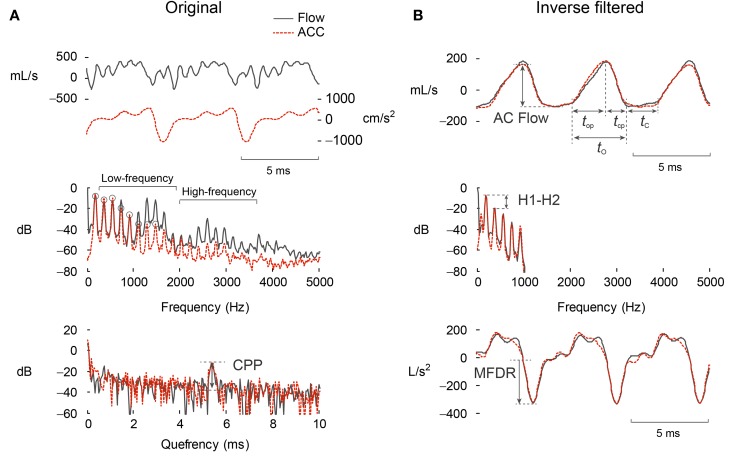
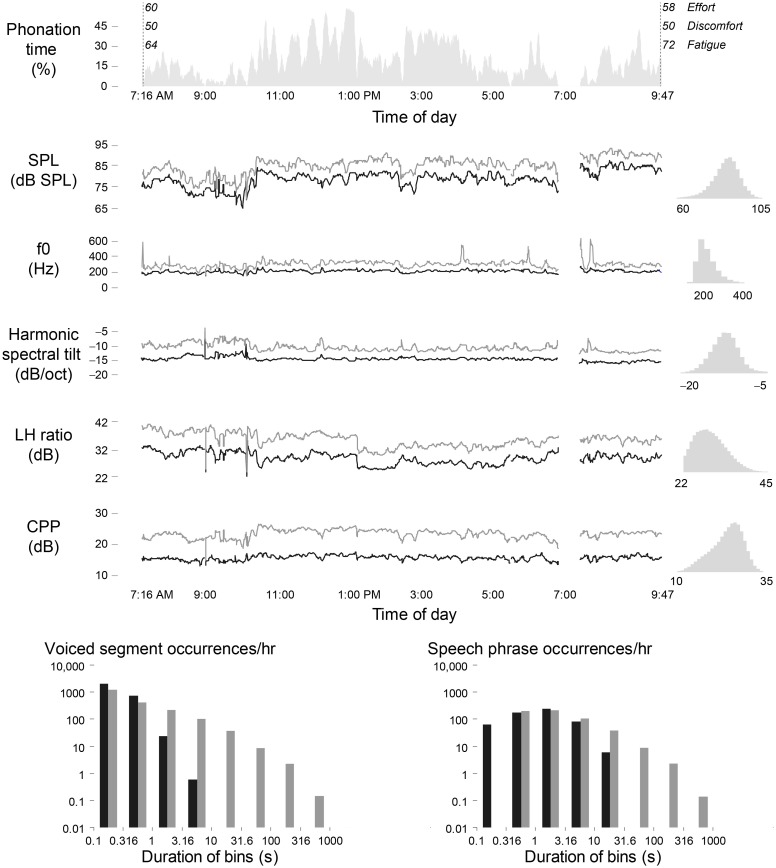
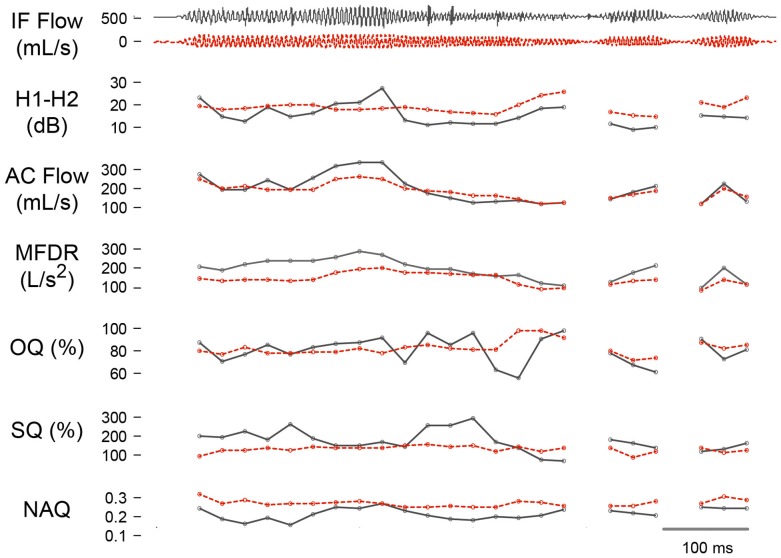
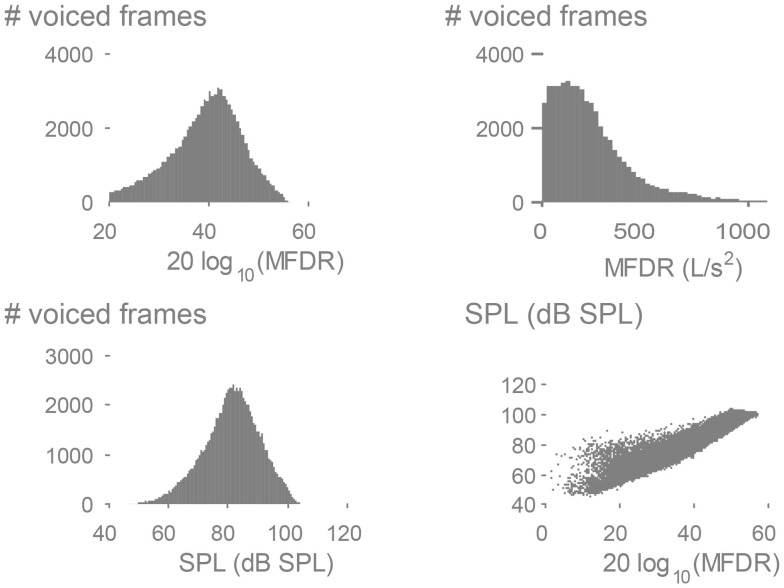
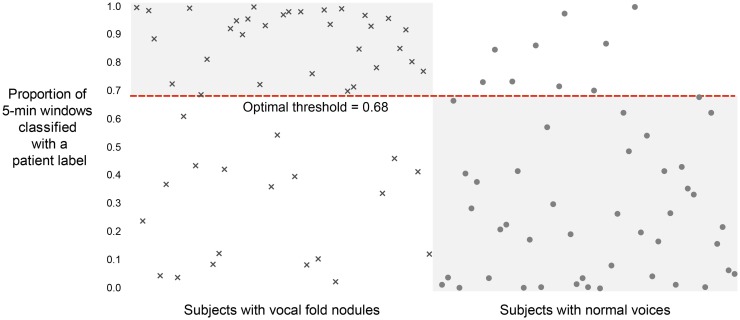
Many common voice disorders are chronic or recurring conditions that are likely to result from inefficient and/or abusive patterns of vocal behavior, referred to as vocal hyperfunction. The clinical management of hyperfunctional voice disorders would be greatly enhanced by the ability to monitor and quantify detrimental vocal behaviors during an individual's activities of daily life. This paper provides an update on ongoing work that uses a miniature accelerometer on the neck surface below the larynx to collect a large set of ambulatory data on patients with hyperfunctional voice disorders (before and after treatment) and matched-control subjects. Three types of analysis approaches are being employed in an effort to identify the best set of measures for differentiating among hyperfunctional and normal patterns of vocal behavior: (1) ambulatory measures of voice use that include vocal dose and voice quality correlates, (2) aerodynamic measures based on glottal airflow estimates extracted from the accelerometer signal using subject-specific vocal system models, and (3) classification based on machine learning and pattern recognition approaches that have been used successfully in analyzing long-term recordings of other physiological signals. Preliminary results demonstrate the potential for ambulatory voice monitoring to improve the diagnosis and treatment of common hyperfunctional voice disorders.
许多常见的语音障碍是慢性或复发性的,可能是由于低效和/或滥用的发声行为模式引起的,这种模式被称为发声过度。如果能够在个体的日常生活活动中监测和量化有害的发声行为,那么对过度发声障碍的临床管理将会有很大的提高。本文提供了正在进行的工作的最新进展,该工作使用颈部表面下方喉部的微型加速度计收集大量过度发声障碍患者(治疗前后)和匹配对照受试者的动态数据。目前正在采用三种分析方法来努力确定区分过度发声和正常发声行为的最佳测量集:(1)包含发声剂量和发声质量相关因素的动态发声使用测量;(2)基于从加速度计信号中使用特定于个体的发声系统模型提取的声门气流估计的气动测量;(3)基于机器学习和模式识别方法的分类,这些方法已成功用于分析其他生理信号的长期记录。初步结果表明,动态语音监测有可能改善常见过度发声障碍的诊断和治疗。