Singh Parmit Kumar, Plumb Matthew R, Ferris Andrea L, Iben James R, Wu Xiaolin, Fadel Hind J, Luke Brian T, Esnault Caroline, Poeschla Eric M, Hughes Stephen H, Kvaratskhelia Mamuka, Levin Henry L
Section on Eukaryotic Transposable Elements, Program in Cellular Regulation and Metabolism, Eunice Kennedy Shriver National Institute of Child Health and Human Development, National Institutes of Health, Bethesda, Maryland 20892, USA;
Center for Retrovirus Research, College of Pharmacy, The Ohio State University, Columbus, Ohio 43210, USA;
Genes Dev. 2015 Nov 1;29(21):2287-97. doi: 10.1101/gad.267609.115.
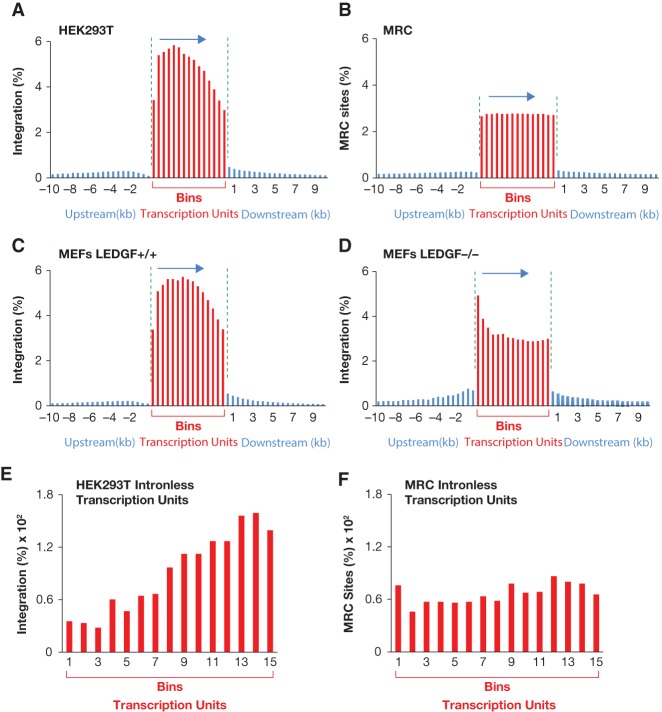
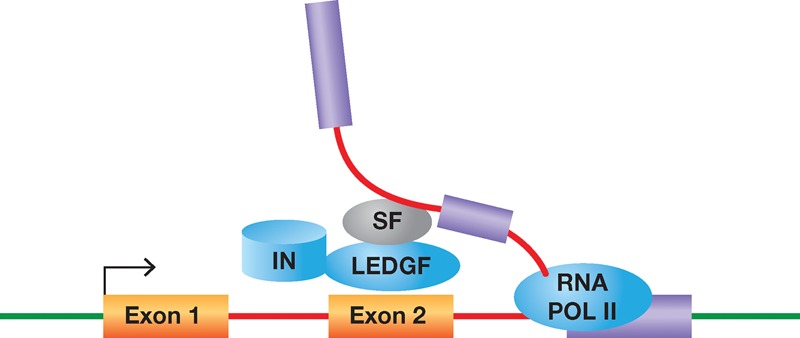
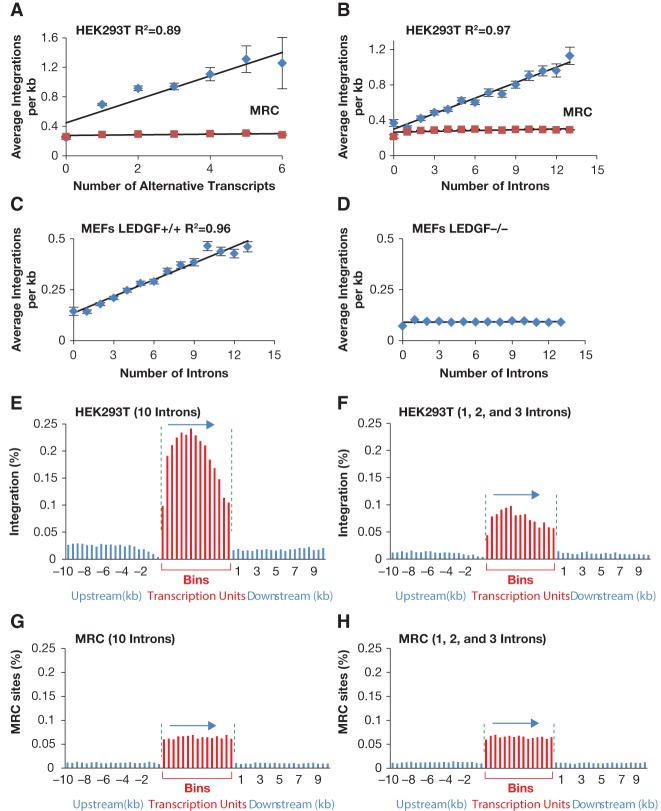
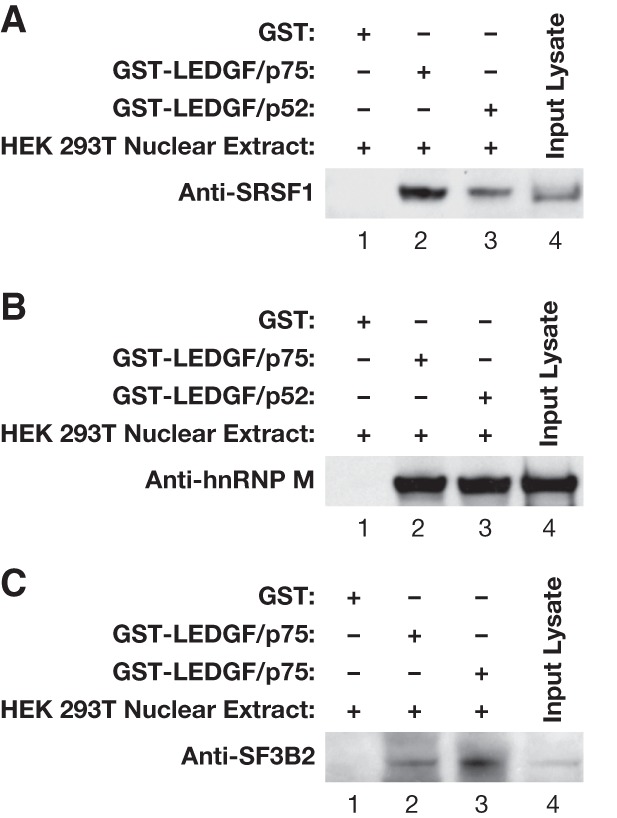
The host chromatin-binding factor LEDGF/p75 interacts with HIV-1 integrase and directs integration to active transcription units. To understand how LEDGF/p75 recognizes transcription units, we sequenced 1 million HIV-1 integration sites isolated from cultured HEK293T cells. Analysis of integration sites showed that cancer genes were preferentially targeted, raising concerns about using lentivirus vectors for gene therapy. Additional analysis led to the discovery that introns and alternative splicing contributed significantly to integration site selection. These correlations were independent of transcription levels, size of transcription units, and length of the introns. Multivariate analysis with five parameters previously found to predict integration sites showed that intron density is the strongest predictor of integration density in transcription units. Analysis of previously published HIV-1 integration site data showed that integration density in transcription units in mouse embryonic fibroblasts also correlated strongly with intron number, and this correlation was absent in cells lacking LEDGF. Affinity purification showed that LEDGF/p75 is associated with a number of splicing factors, and RNA sequencing (RNA-seq) analysis of HEK293T cells lacking LEDGF/p75 or the LEDGF/p75 integrase-binding domain (IBD) showed that LEDGF/p75 contributes to splicing patterns in half of the transcription units that have alternative isoforms. Thus, LEDGF/p75 interacts with splicing factors, contributes to exon choice, and directs HIV-1 integration to transcription units that are highly spliced.
宿主染色质结合因子LEDGF/p75与HIV-1整合酶相互作用,并将整合导向活性转录单元。为了解LEDGF/p75如何识别转录单元,我们对从培养的HEK293T细胞中分离出的100万个HIV-1整合位点进行了测序。整合位点分析表明,癌症基因是优先靶向的,这引发了对使用慢病毒载体进行基因治疗的担忧。进一步分析发现,内含子和可变剪接对整合位点选择有显著贡献。这些相关性与转录水平、转录单元大小和内含子长度无关。对先前发现的用于预测整合位点的五个参数进行多变量分析表明,内含子密度是转录单元中整合密度的最强预测因子。对先前发表的HIV-1整合位点数据的分析表明,小鼠胚胎成纤维细胞中转录单元的整合密度也与内含子数量密切相关,而在缺乏LEDGF的细胞中不存在这种相关性。亲和纯化表明,LEDGF/p75与多种剪接因子相关,对缺乏LEDGF/p75或LEDGF/p75整合酶结合结构域(IBD)的HEK293T细胞进行RNA测序(RNA-seq)分析表明,LEDGF/p75在具有可变异构体的一半转录单元中对剪接模式有贡献。因此,LEDGF/p75与剪接因子相互作用,有助于外显子选择,并将HIV-1整合导向高度剪接的转录单元。