Rodrigo Albors Aida, Tazaki Akira, Rost Fabian, Nowoshilow Sergej, Chara Osvaldo, Tanaka Elly M
Deutsche Forschungsgemeinschaft - Center for Regenerative Therapies Dresden, Dresden, Germany.
Max Planck Institute of Molecular Cell Biology and Genetics, Dresden, Germany.
Elife. 2015 Nov 14;4:e10230. doi: 10.7554/eLife.10230.
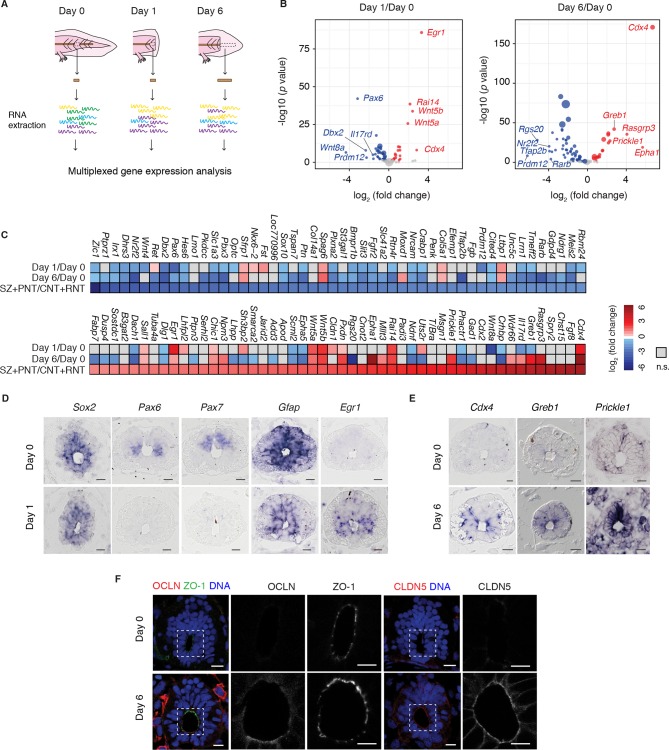
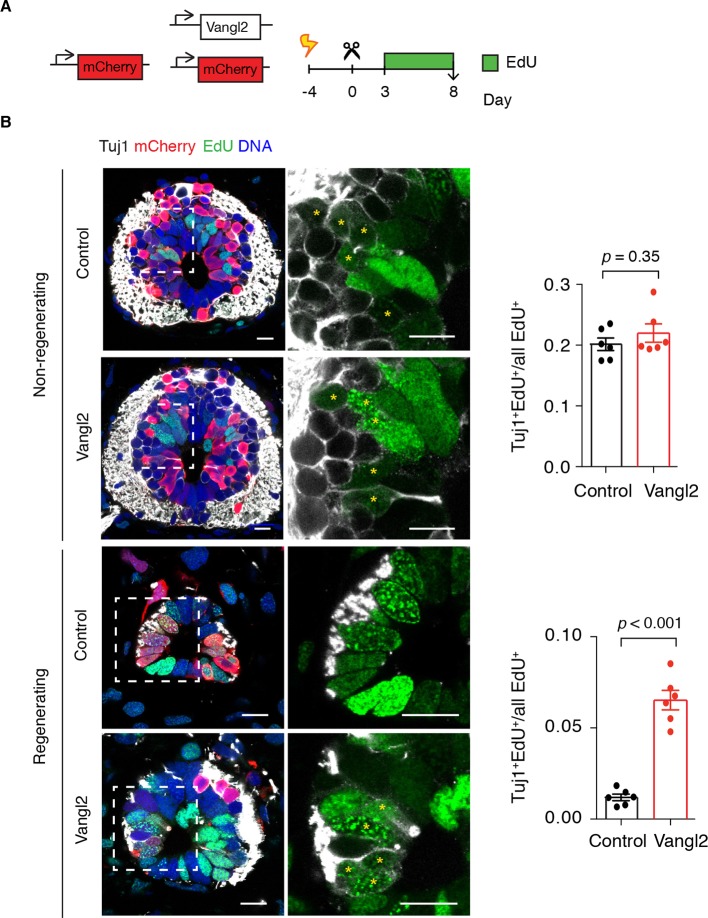
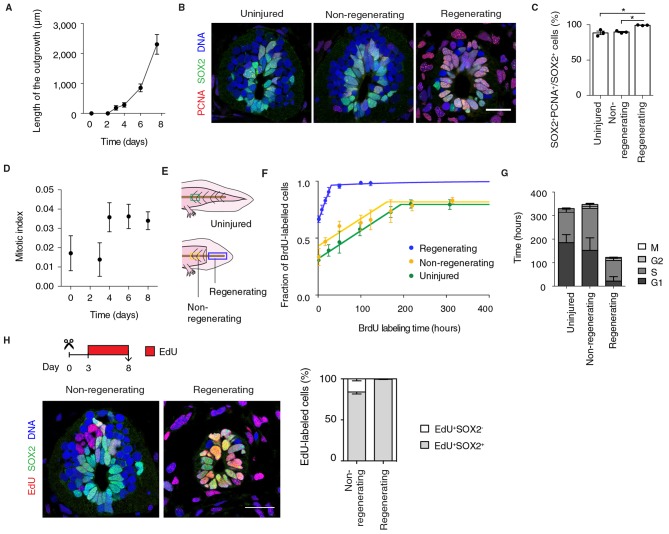
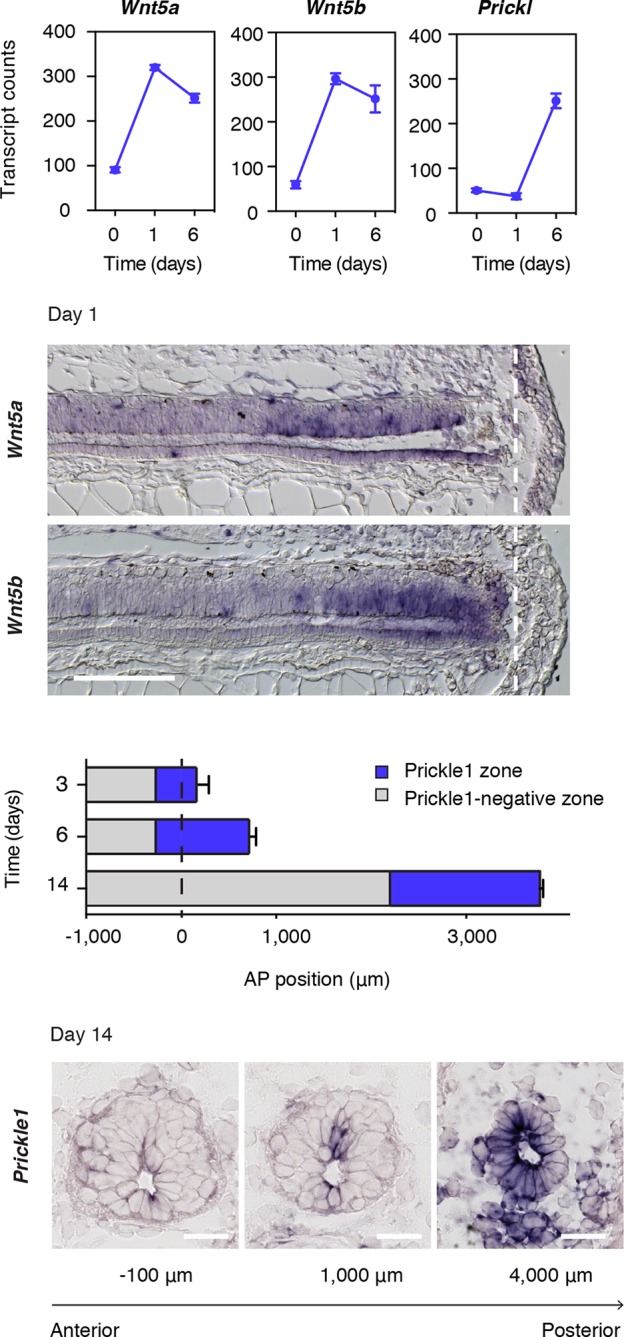
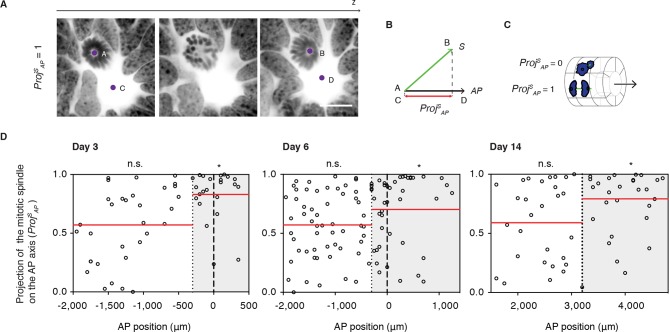
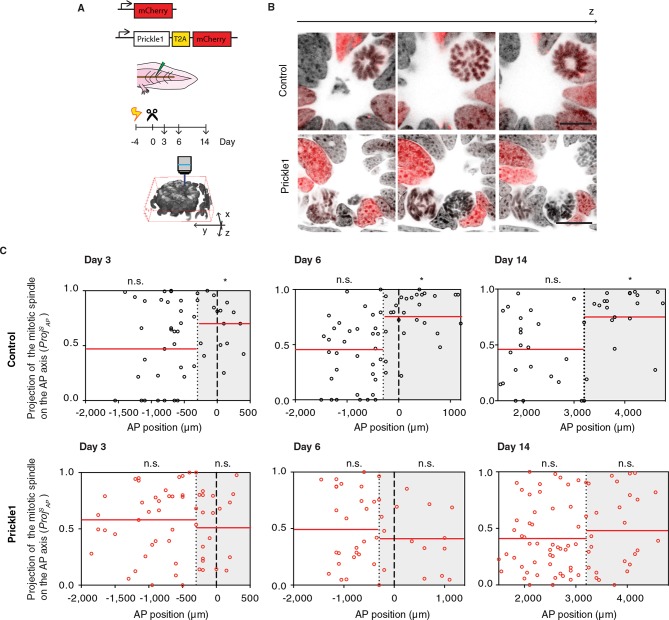
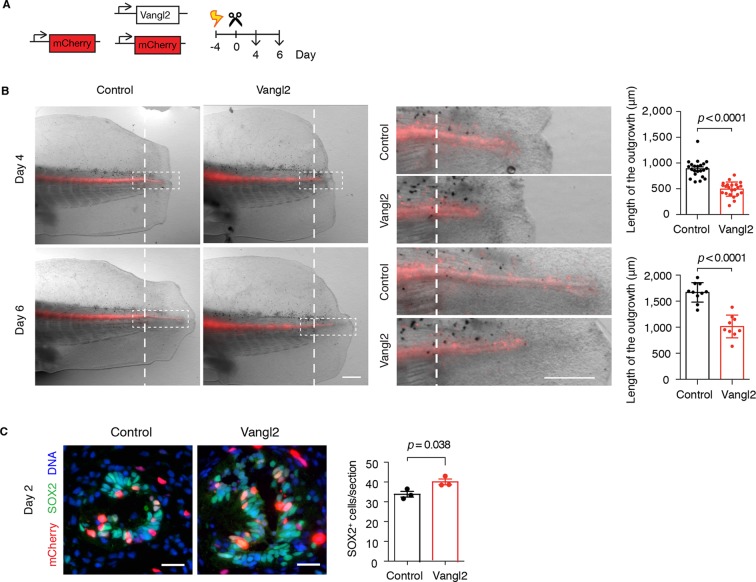
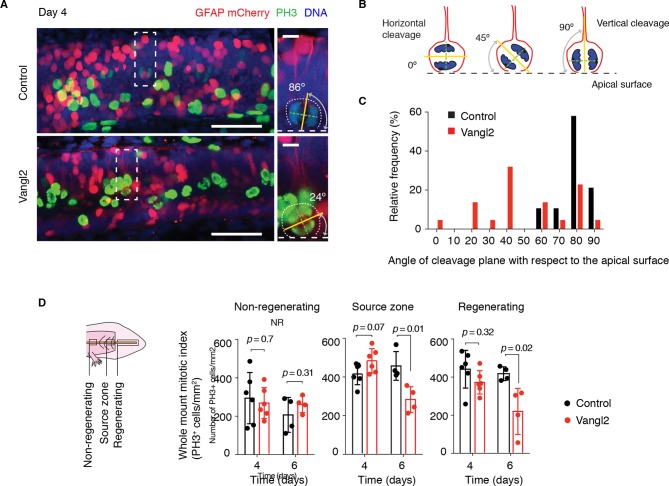
Axolotls are uniquely able to mobilize neural stem cells to regenerate all missing regions of the spinal cord. How a neural stem cell under homeostasis converts after injury to a highly regenerative cell remains unknown. Here, we show that during regeneration, axolotl neural stem cells repress neurogenic genes and reactivate a transcriptional program similar to embryonic neuroepithelial cells. This dedifferentiation includes the acquisition of rapid cell cycles, the switch from neurogenic to proliferative divisions, and the re-expression of planar cell polarity (PCP) pathway components. We show that PCP induction is essential to reorient mitotic spindles along the anterior-posterior axis of elongation, and orthogonal to the cell apical-basal axis. Disruption of this property results in premature neurogenesis and halts regeneration. Our findings reveal a key role for PCP in coordinating the morphogenesis of spinal cord outgrowth with the switch from a homeostatic to a regenerative stem cell that restores missing tissue.
美西螈具有独特的能力,能够动员神经干细胞再生脊髓的所有缺失区域。处于稳态的神经干细胞在损伤后如何转变为高度再生的细胞仍然未知。在这里,我们表明在再生过程中,美西螈神经干细胞会抑制神经发生基因,并重新激活一个类似于胚胎神经上皮细胞的转录程序。这种去分化包括获得快速细胞周期、从神经发生分裂转变为增殖分裂,以及平面细胞极性(PCP)途径成分的重新表达。我们表明,PCP的诱导对于使有丝分裂纺锤体沿着伸长的前后轴重新定向至关重要,并且与细胞的顶-基轴正交。这种特性的破坏会导致过早的神经发生并停止再生。我们的研究结果揭示了PCP在协调脊髓生长的形态发生与从稳态干细胞向恢复缺失组织的再生干细胞转变中的关键作用。