Zhang Zilian, Chen Yi, Wang Rui, Cai Ruanhong, Fu Yingnan, Jiao Nianzhi
State Key Laboratory of Marine Environmental Science, Institute of Marine Microbes and Ecospheres, Xiamen University, Xiamen, Fujian, People's Republic of China.
PLoS One. 2015 Nov 16;10(11):e0142690. doi: 10.1371/journal.pone.0142690. eCollection 2015.
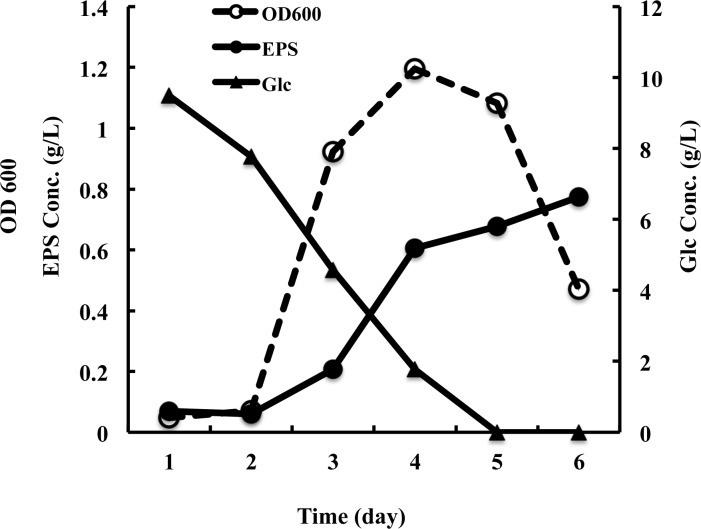
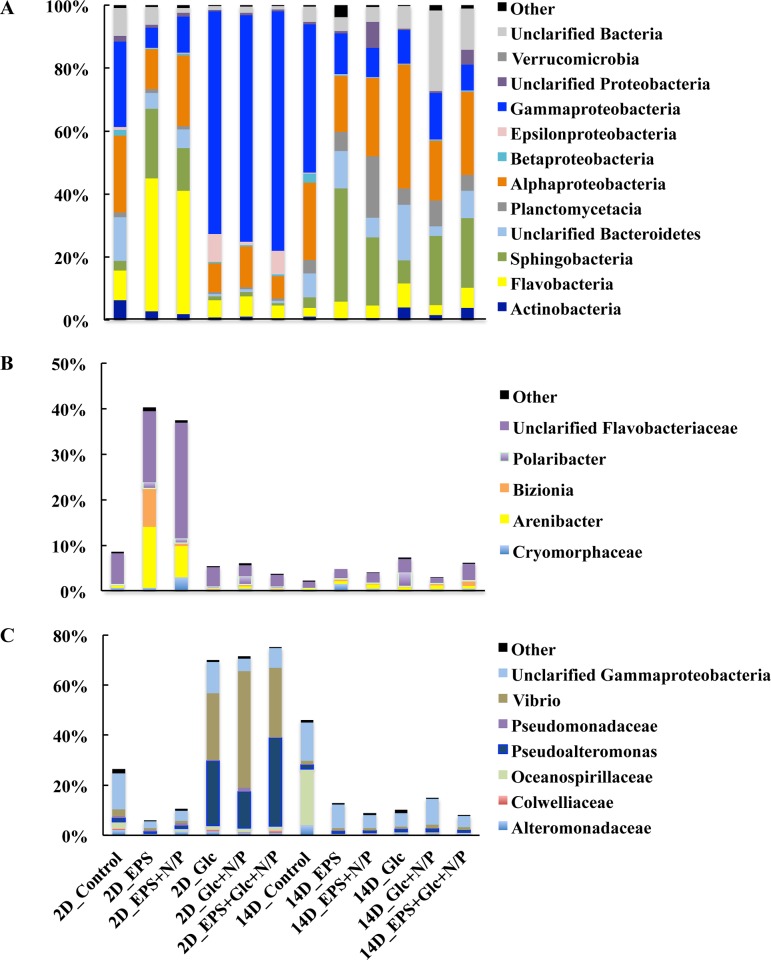
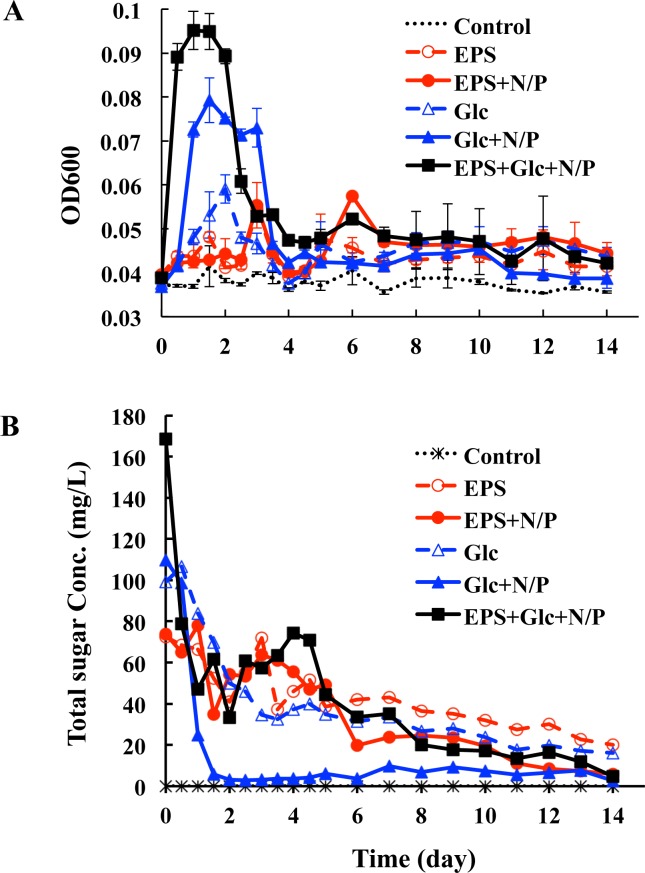
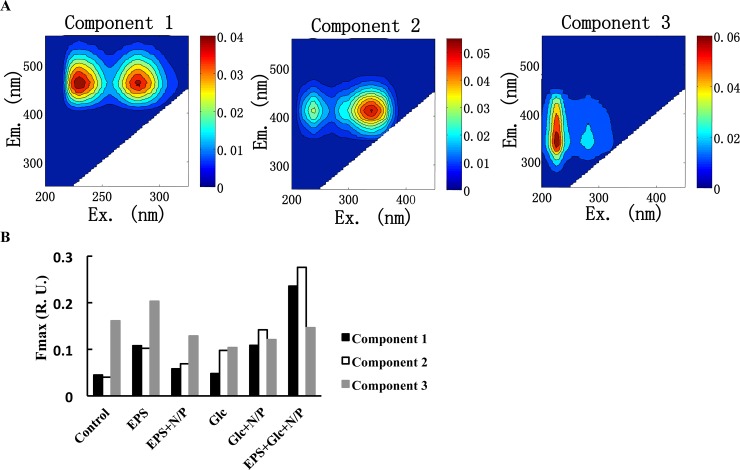
Most marine bacteria produce exopolysaccharides (EPS), and bacterial EPS represent an important source of dissolved organic carbon in marine ecosystems. It was proposed that bacterial EPS rich in uronic acid is resistant to mineralization by microbes and thus has a long residence time in global oceans. To confirm this hypothesis, bacterial EPS rich in galacturonic acid was isolated from Alteromonas sp. JL2810. The EPS was used to amend natural seawater to investigate the bioavailability of this EPS by native populations, in the presence and absence of ammonium and phosphate amendment. The data indicated that the bacterial EPS could not be completely consumed during the cultivation period and that the bioavailability of EPS was not only determined by its intrinsic properties, but was also determined by other factors such as the availability of inorganic nutrients. During the experiment, the humic-like component of fluorescent dissolved organic matter (FDOM) was freshly produced. Bacterial community structure analysis indicated that the class Flavobacteria of the phylum Bacteroidetes was the major contributor for the utilization of EPS. This report is the first to indicate that Flavobacteria are a major contributor to bacterial EPS degradation. The fraction of EPS that could not be completely utilized and the FDOM (e.g., humic acid-like substances) produced de novo may be refractory and may contribute to the carbon storage in the oceans.
大多数海洋细菌会产生胞外多糖(EPS),细菌EPS是海洋生态系统中溶解有机碳的重要来源。有人提出,富含糖醛酸的细菌EPS对微生物矿化具有抗性,因此在全球海洋中的停留时间较长。为了证实这一假设,从交替单胞菌属JL2810中分离出富含半乳糖醛酸的细菌EPS。该EPS被用于改良天然海水,以研究在添加和不添加铵和磷酸盐的情况下,本地菌群对这种EPS的生物可利用性。数据表明,在培养期间细菌EPS不能被完全消耗,EPS的生物可利用性不仅取决于其内在特性,还取决于其他因素,如无机营养物的可利用性。在实验过程中,荧光溶解有机物(FDOM)中类腐殖质成分被新生成。细菌群落结构分析表明,拟杆菌门的黄杆菌纲是利用EPS的主要贡献者。本报告首次表明黄杆菌是细菌EPS降解的主要贡献者。无法完全利用的EPS部分和新生成的FDOM(如类腐殖酸物质)可能是难降解的,可能有助于海洋中的碳储存。