Diniz C G, Magalhães N G M, Sousa A A, Santos Filho C, Diniz D G, Lima C M, Oliveira M A, Paulo D C, Pereira P D C, Sherry D F, Picanço-Diniz C W
Laboratório de Biologia Molecular e Ambiental, Instituto Federal de Educação, Ciência e Tecnologia do Pará, Bragança, PA, Brasil.
Laboratório de Investigações em Neurodegeneração e Infecção, Hospital Universitário João de Barros Barreto, Instituto de Ciências Biológicas, Universidade Federal do Pará, Belém, PA, Brasil.
Braz J Med Biol Res. 2016 Jan;49(1):e5005. doi: 10.1590/1414-431X20155005. Epub 2016 Nov 17.
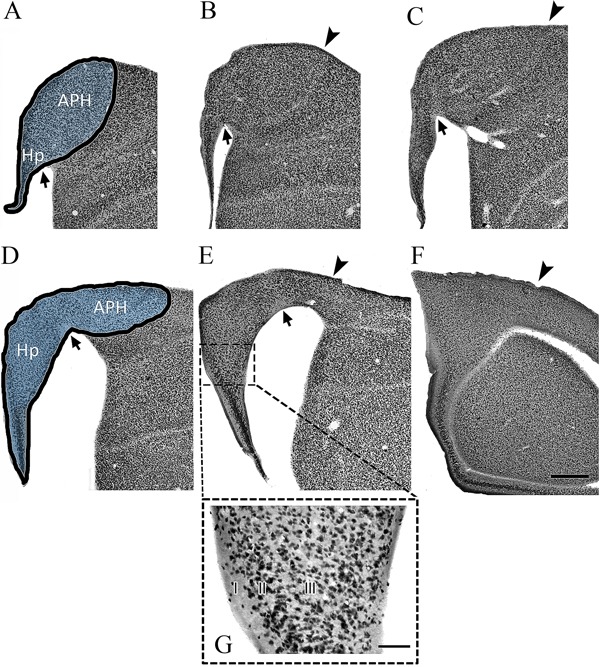
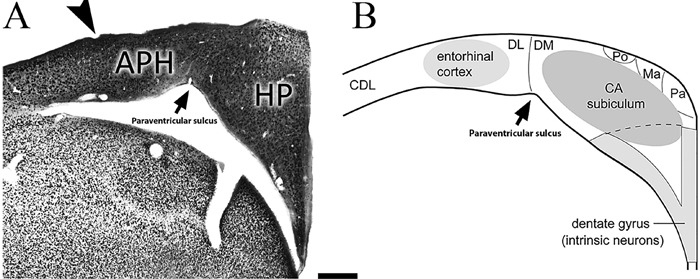
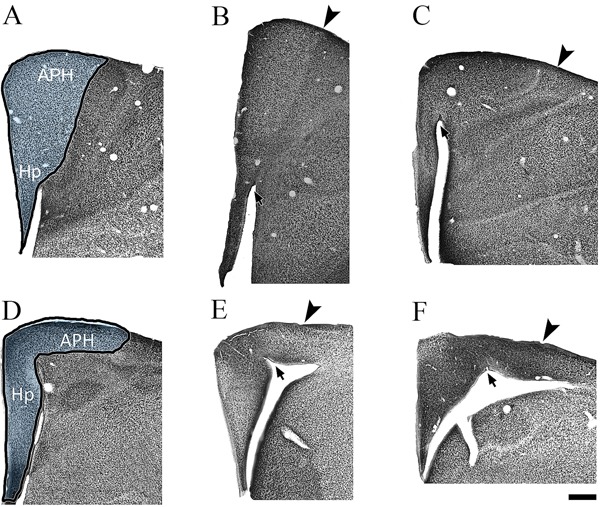
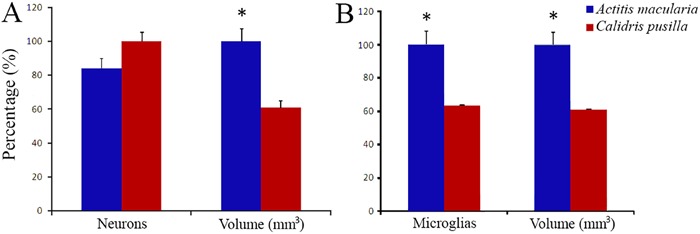
The semipalmated sandpiper Calidris pusilla and the spotted sandpiper Actitis macularia are long- and short-distance migrants, respectively. C. pusilla breeds in the sub-arctic and mid-arctic tundra of Canada and Alaska and winters on the north and east coasts of South America. A. macularia breeds in a broad distribution across most of North America from the treeline to the southern United States. It winters in the southern United States, and Central and South America. The autumn migration route of C. pusilla includes a non-stop flight over the Atlantic Ocean, whereas autumn route of A. macularia is largely over land. Because of this difference in their migratory paths and the visuo-spatial recognition tasks involved, we hypothesized that hippocampal volume and neuronal and glial numbers would differ between these two species. A. macularia did not differ from C. pusilla in the total number of hippocampal neurons, but the species had a larger hippocampal formation and more hippocampal microglia. It remains to be investigated whether these differences indicate interspecies differences or neural specializations associated with different strategies of orientation and navigation.
半蹼滨鹬(Calidris pusilla)和斑胸滨鹬(Actitis macularia)分别是长距离和短距离迁徙鸟类。半蹼滨鹬在加拿大和阿拉斯加的亚北极和中北极苔原繁殖,在南美洲的北部和东部海岸越冬。斑胸滨鹬在从树线到美国南部的北美洲大部分地区广泛繁殖。它在美国南部以及中美洲和南美洲越冬。半蹼滨鹬的秋季迁徙路线包括一次飞越大西洋的不间断飞行,而斑胸滨鹬的秋季路线主要是在陆地上空。由于它们迁徙路径的这种差异以及所涉及的视觉空间识别任务,我们推测这两个物种的海马体体积以及神经元和神经胶质细胞数量会有所不同。斑胸滨鹬在海马体神经元总数上与半蹼滨鹬没有差异,但该物种有更大的海马结构和更多的海马小胶质细胞。这些差异是否表明种间差异或与不同定向和导航策略相关的神经特化,仍有待研究。