Frazzitta G, Bossio F, Maestri R, Palamara G, Bera R, Ferrazzoli D
Department of Parkinson Disease and Brain Injury Rehabilitation, "Moriggia-Pelascini" Hospital, Gravedona ed Uniti, 22015 Como, Italy.
Department of Biomedical Engineering, Scientific Institute of Montescano, S. Maugeri Foundation IRCCS, Montescano, 27040 Pavia, Italy.
Biomed Res Int. 2015;2015:878472. doi: 10.1155/2015/878472. Epub 2015 Oct 25.
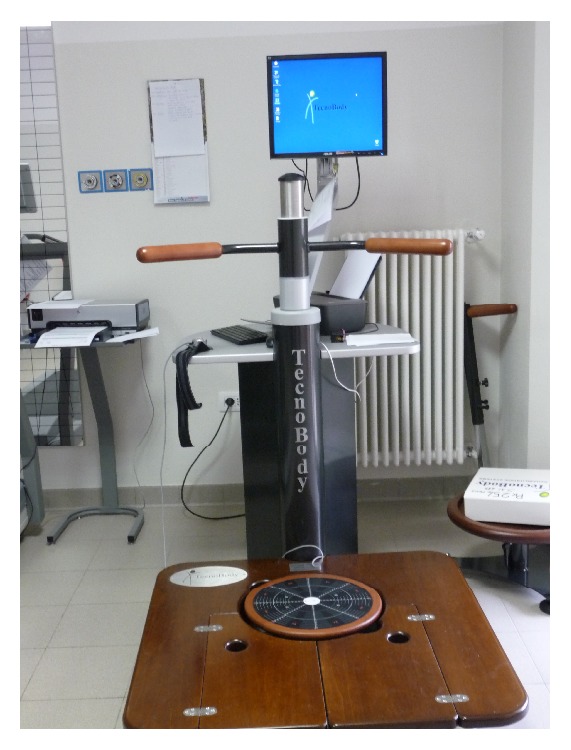
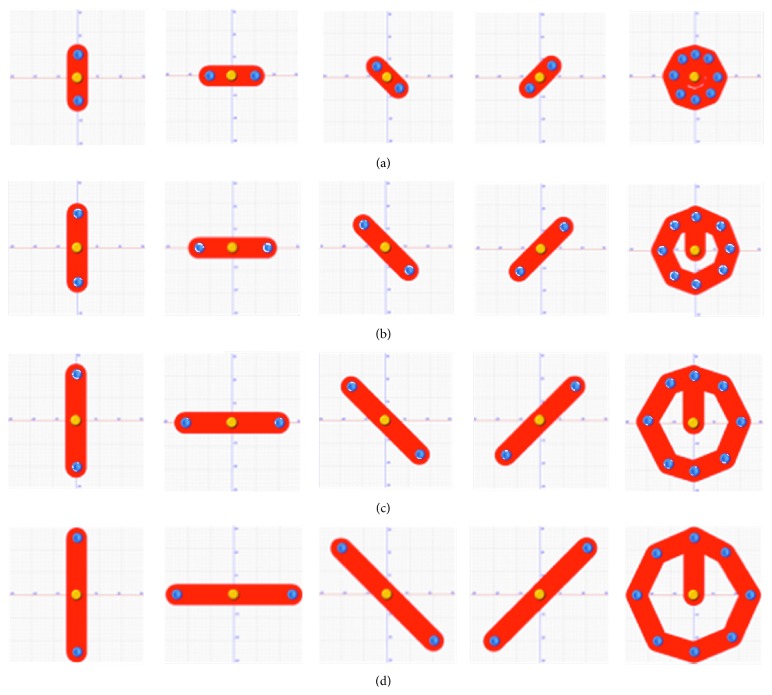
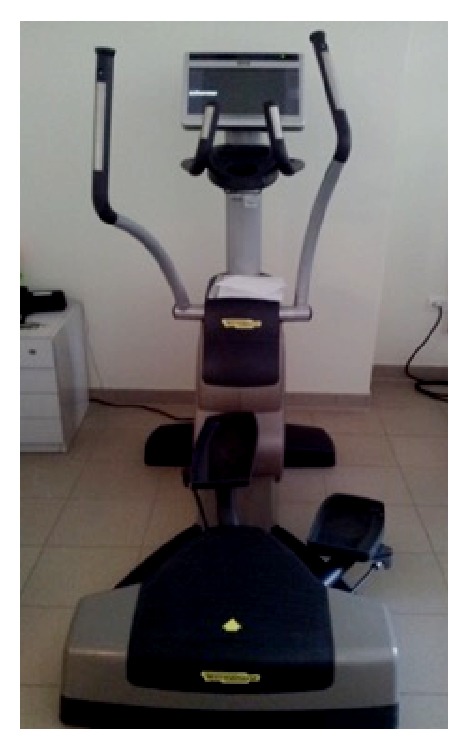
Balance dysfunctions are a major challenge in the treatment of Parkinson's disease (PD). Previous studies have shown that rehabilitation can play a role in their treatment. In this study, we have compared the efficacy of two different devices for balance training: stabilometric platform and crossover. We have enrolled 60 PD patients randomly assigned to two groups. The first one (stabilometric group) performed a 4-week cycle of balance training, using the stabilometric platform, whereas the second one (crossover group) performed a 4-week cycle of balance training, using the crossover. The outcome measures used were Unified Parkinson's Disease Rating Scale (UPDRS) part II, Berg Balance Scale (BBS), Timed Up and Go (TUG), and Six Minutes Walking Test (6MWT). Results showed that TUG, BBS, and UPDRS II improved in both groups. There was not difference in the efficacy of the two balance treatments. Patients in both groups improved also the meters walked in the 6MWT at the end of rehabilitation, but the improvement was better for patients performing crossover training. Our results show that the crossover and the stabilometric platform have the same effect on balance dysfunction of Parkinsonian patients, while crossover gets better results on the walking capacity.
平衡功能障碍是帕金森病(PD)治疗中的一项重大挑战。先前的研究表明,康复训练在其治疗中可发挥作用。在本研究中,我们比较了两种不同的平衡训练设备的效果:稳定测力平台和交叉训练。我们招募了60名PD患者,随机分为两组。第一组(稳定测力组)使用稳定测力平台进行为期4周的平衡训练周期,而第二组(交叉训练组)使用交叉训练进行为期4周的平衡训练周期。所使用的结果指标包括统一帕金森病评定量表(UPDRS)第二部分、伯格平衡量表(BBS)、定时起立行走测试(TUG)和6分钟步行测试(6MWT)。结果显示,两组的TUG、BBS和UPDRS II均有所改善。两种平衡治疗方法的效果没有差异。两组患者在康复结束时6MWT中的步行距离也有所改善,但进行交叉训练的患者改善得更好。我们的结果表明,交叉训练和稳定测力平台对帕金森病患者的平衡功能障碍具有相同的效果,而交叉训练在步行能力方面取得了更好的结果。