Treger Jeremy S, Priest Michael F, Bezanilla Francisco
Department of Biochemistry and Molecular Biology, University of Chicago, Chicago, United States.
Committee on Neurobiology, University of Chicago, Chicago, United States.
Elife. 2015 Nov 24;4:e10482. doi: 10.7554/eLife.10482.
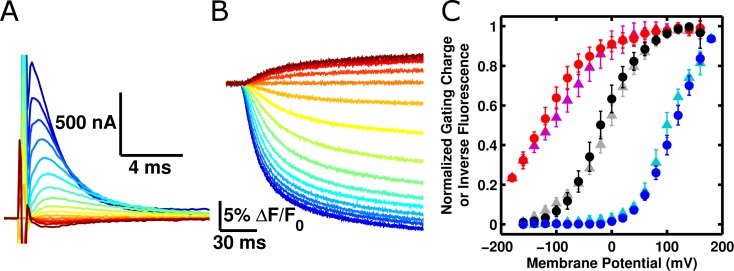
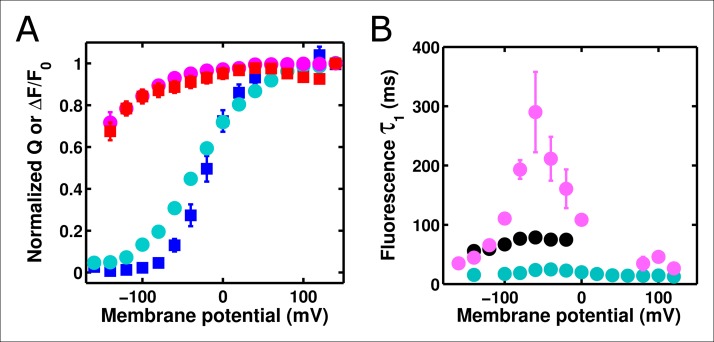
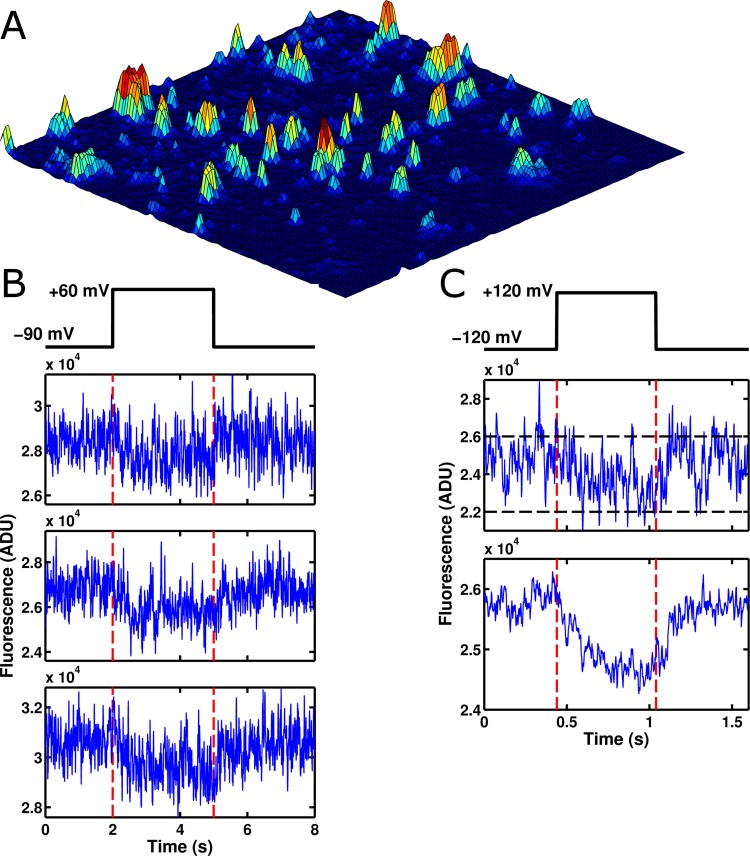
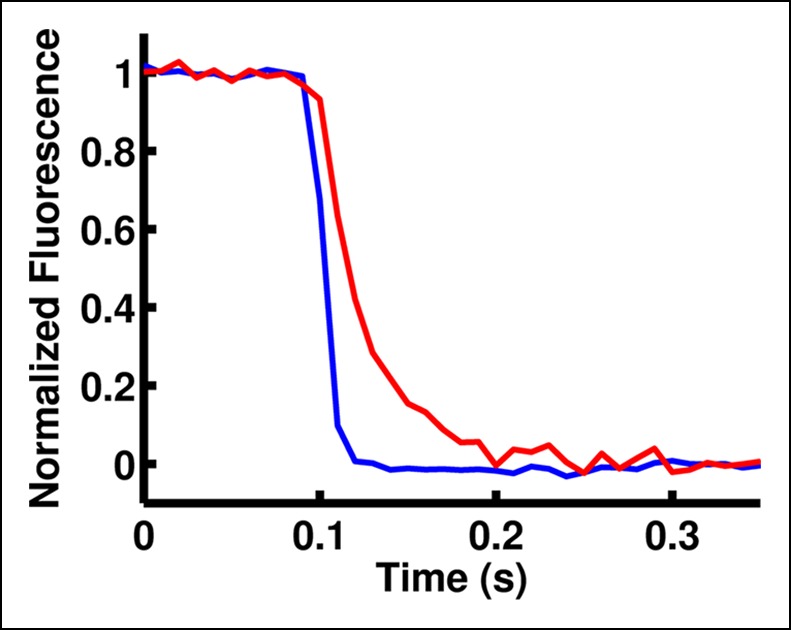
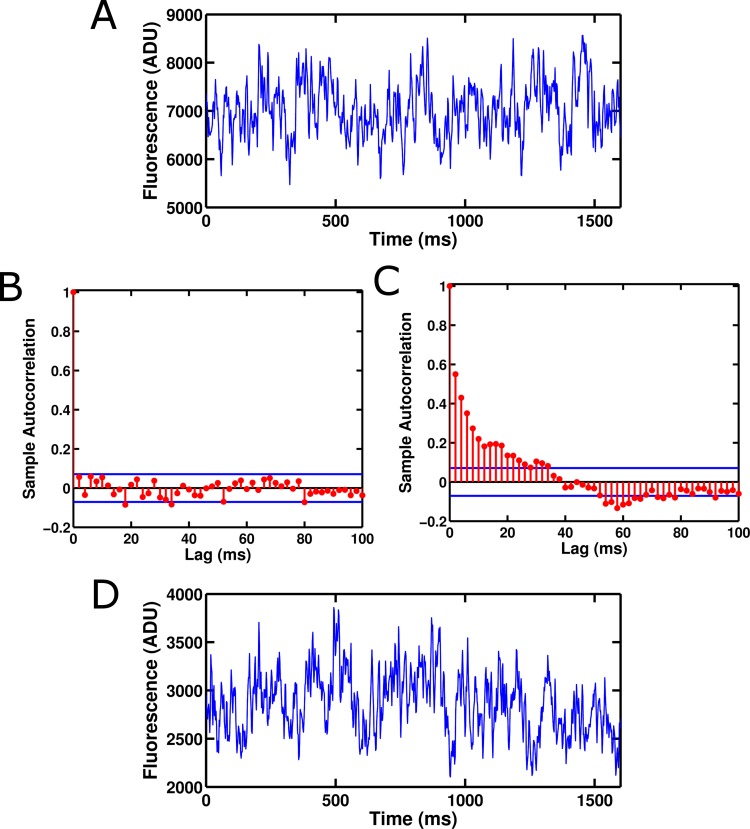
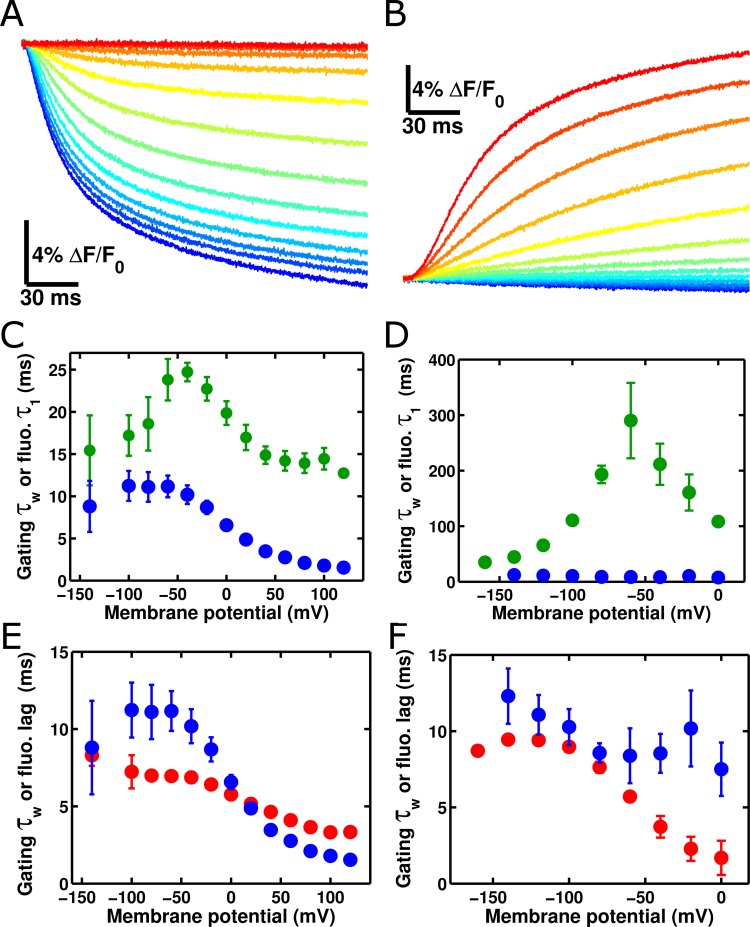
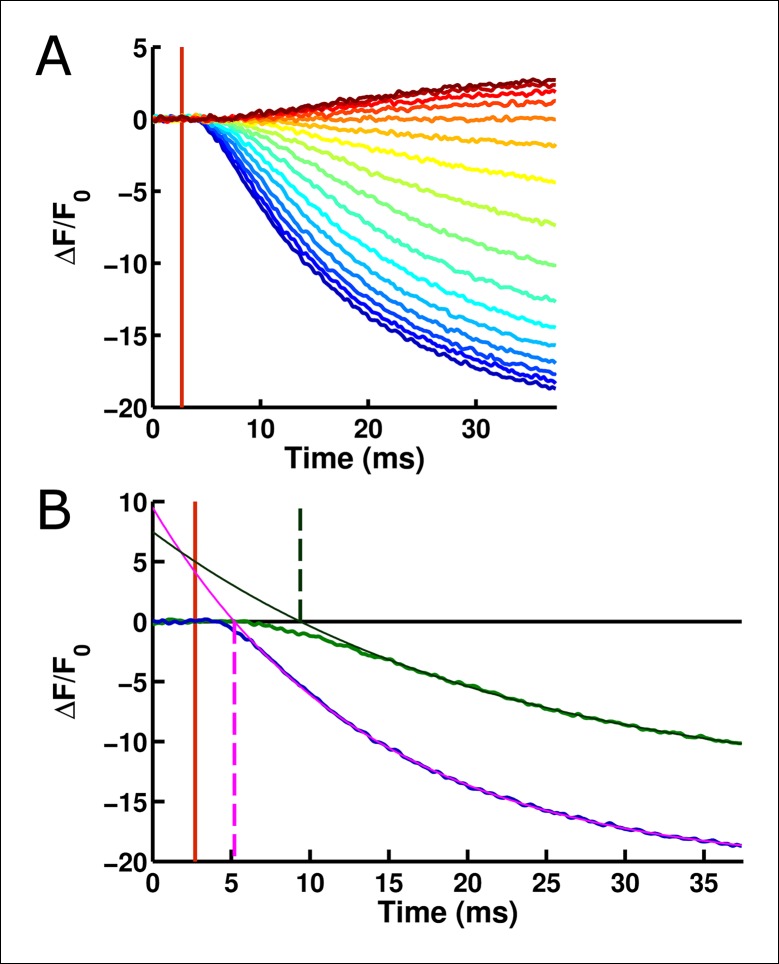
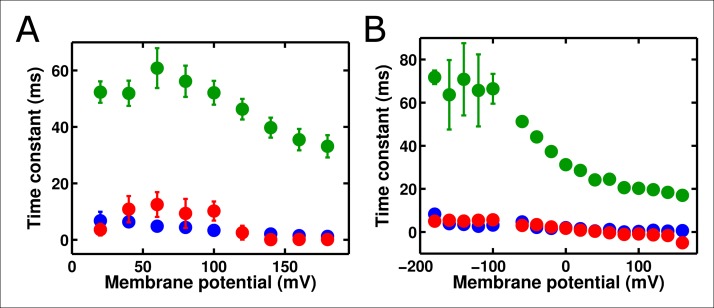
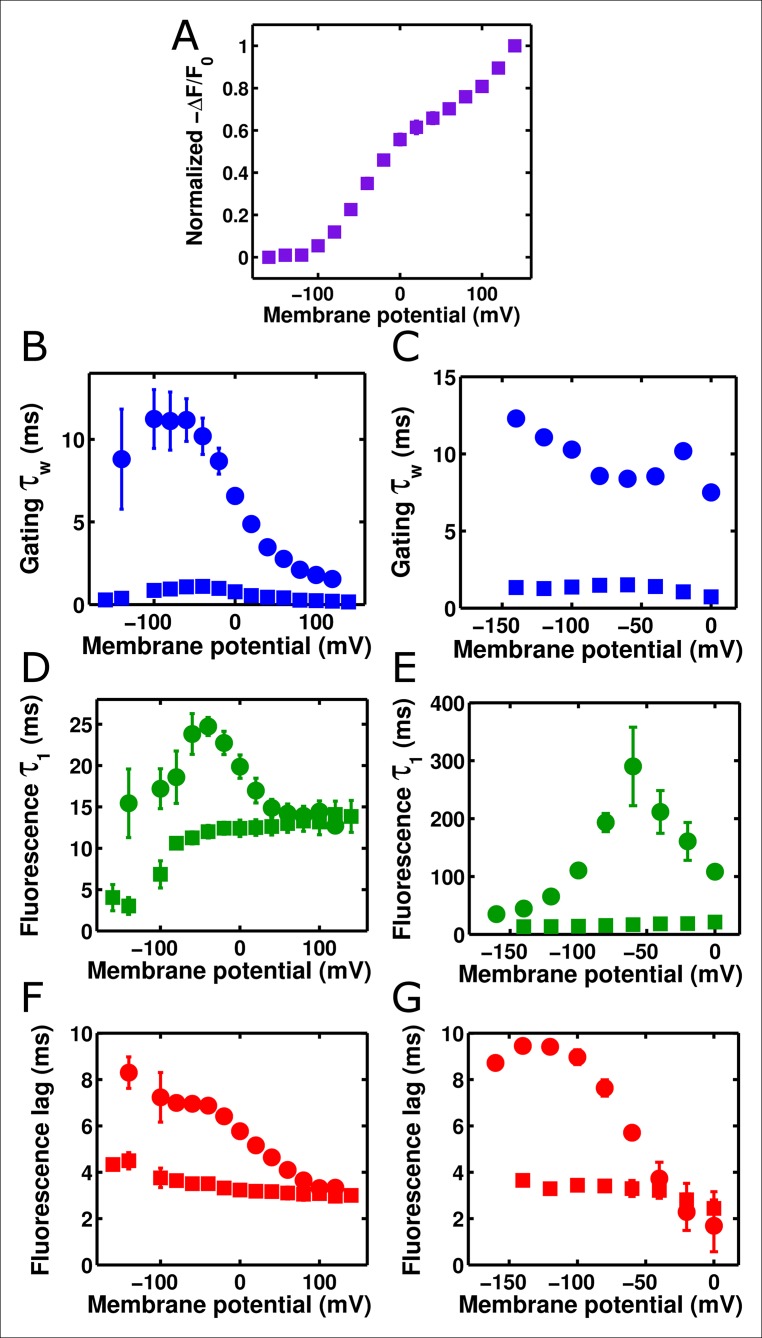
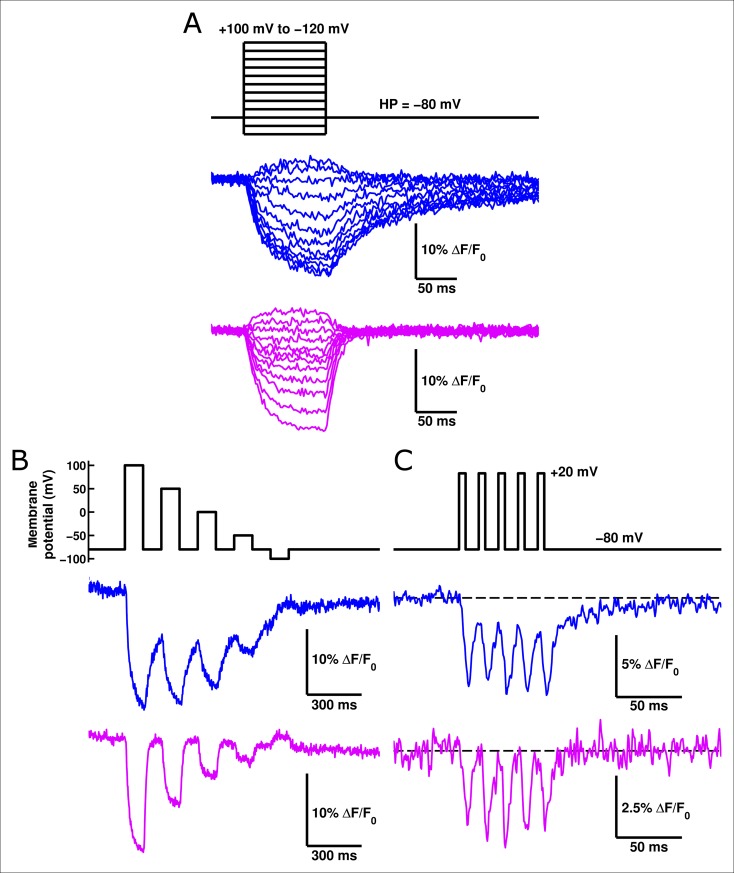
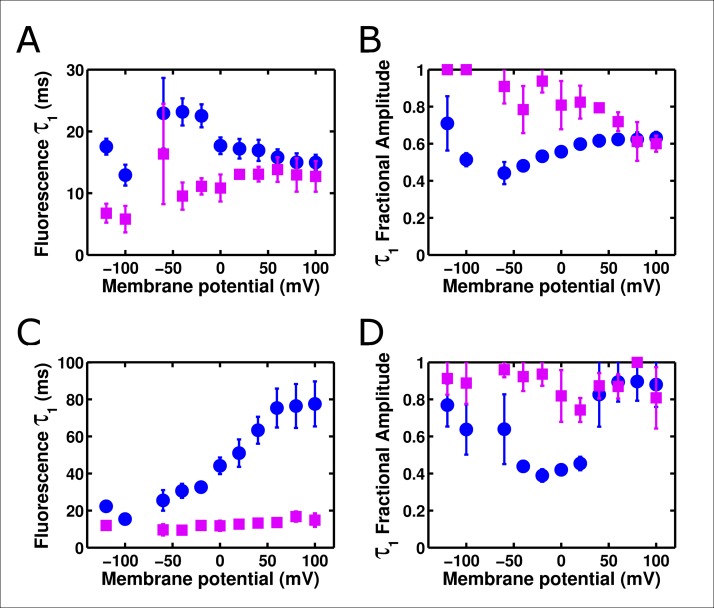
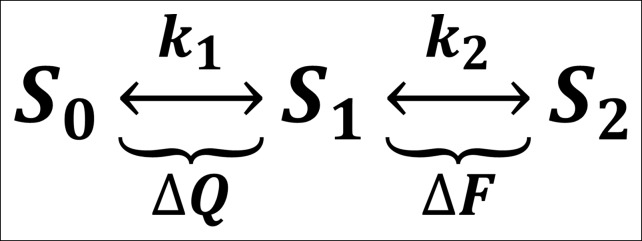
Voltage-sensing domains (VSDs) underlie the movement of voltage-gated ion channels, as well as the voltage-sensitive fluorescent responses observed from a common class of genetically encoded voltage indicators (GEVIs). Despite the widespread use and potential utility of these GEVIs, the biophysical underpinnings of the relationship between VSD movement and fluorophore response remain unclear. We investigated the recently developed GEVI ArcLight, and its close variant Arclight', at both the single-molecule and macroscopic levels to better understand their characteristics and mechanisms of activity. These studies revealed a number of previously unobserved features of ArcLight's behavior, including millisecond-scale fluorescence fluctuations in single molecules as well as a previously unreported delay prior to macroscopic fluorescence onset. Finally, these mechanistic insights allowed us to improve the optical response of ArcLight to fast or repetitive pulses with the development of ArcLightning, a novel GEVI with improved kinetics.
电压传感结构域(VSDs)是电压门控离子通道运动的基础,也是一类常见的基因编码电压指示剂(GEVIs)所观察到的电压敏感荧光反应的基础。尽管这些GEVIs得到了广泛应用且具有潜在用途,但VSD运动与荧光团反应之间关系的生物物理基础仍不清楚。我们在单分子和宏观水平上研究了最近开发的GEVI ArcLight及其紧密变体Arclight',以更好地了解它们的特性和活性机制。这些研究揭示了ArcLight行为的许多以前未观察到的特征,包括单分子中毫秒级的荧光波动以及宏观荧光开始之前以前未报道的延迟。最后,这些机制上的见解使我们能够通过开发ArcLightning(一种具有改进动力学的新型GEVI)来改善ArcLight对快速或重复脉冲的光学响应。