Uusi-Kerttula Hanni, Hulin-Curtis Sarah, Davies James, Parker Alan L
Institute of Cancer and Genetics, School of Medicine, Cardiff University, Heath Park, Cardiff CF14 4XN, UK.
Viruses. 2015 Nov 24;7(11):6009-42. doi: 10.3390/v7112923.
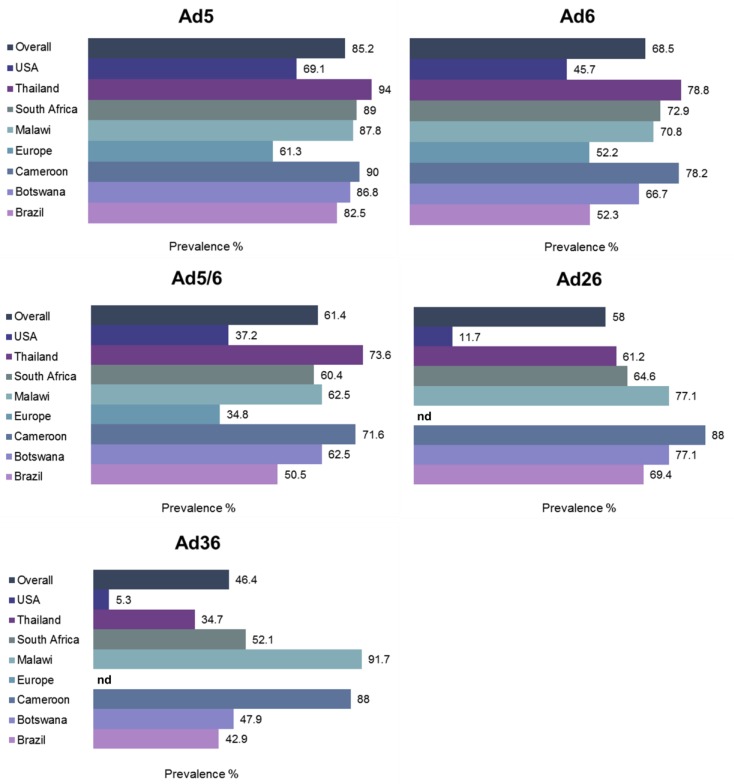
Adenoviruses (Ad) are commonly used both experimentally and clinically, including oncolytic virotherapy applications. In the clinical area, efficacy is frequently hampered by the high rates of neutralizing immunity, estimated as high as 90% in some populations that promote vector clearance and limit bioavailability for tumor targeting following systemic delivery. Active tumor targeting is also hampered by the ubiquitous nature of the Ad5 receptor, hCAR, as well as the lack of highly tumor-selective targeting ligands and suitable targeting strategies. Furthermore, significant off-target interactions between the viral vector and cellular and proteinaceous components of the bloodstream have been documented that promote uptake into non-target cells and determine dose-limiting toxicities. Novel strategies are therefore needed to overcome the obstacles that prevent efficacious Ad deployment for wider clinical applications. The use of less seroprevalent Ad serotypes, non-human serotypes, capsid pseudotyping, chemical shielding and genetic masking by heterologous peptide incorporation are all potential strategies to achieve efficient vector escape from humoral immune recognition. Conversely, selective vector arming with immunostimulatory agents can be utilized to enhance their oncolytic potential by activation of cancer-specific immune responses against the malignant tissues. This review presents recent advantages and pitfalls occurring in the field of adenoviral oncolytic therapies.
腺病毒(Ad)在实验和临床中都有广泛应用,包括溶瘤病毒疗法。在临床领域,疗效常常受到高比例中和免疫的阻碍,在某些人群中这一比例估计高达90%,这会促进载体清除并限制全身给药后肿瘤靶向的生物利用度。Ad5受体hCAR的普遍存在,以及缺乏高度肿瘤选择性的靶向配体和合适的靶向策略,也阻碍了主动肿瘤靶向。此外,已经记录到病毒载体与血液中的细胞和蛋白质成分之间存在显著的脱靶相互作用,这会促进非靶细胞摄取并决定剂量限制性毒性。因此,需要新的策略来克服阻碍Ad有效应用于更广泛临床的障碍。使用血清流行率较低的Ad血清型、非人血清型、衣壳假型化、化学屏蔽以及通过掺入异源肽进行基因掩蔽,都是实现载体有效逃避体液免疫识别的潜在策略。相反,用免疫刺激剂进行选择性载体武装可通过激活针对恶性组织的癌症特异性免疫反应来增强其溶瘤潜力。本综述介绍了腺病毒溶瘤疗法领域最近出现的优势和问题。