Li Dan, Zhang Xin, Chen Baiyi
Department of Infectious Diseases, the First Affiliated Hospital of China Medical University, Shenyang, 110001, Liaoning, China.
BMC Immunol. 2015 Dec 3;16:73. doi: 10.1186/s12865-015-0137-5.
The innate immune response of urinary tract is critically important in the defense to microbial attack. Toll-like receptor 4 (TLR4) controls initial mucosal response to uropathogenic Escherichia coli (UPEC). However, excessive and dysfunctional TLR signaling may result in severe inflammation and inappropriate tissue damage. Previous studies have demonstrated that single immunoglobulin IL-1R-related receptor/Toll IL-1 receptor 8 (SIGIRR/TIR8) is a member of the toll-interleukin-1 receptor (TIR) family that can negatively modulate TLR4 mediated signaling, but its role in the innate immunity of urinary tract infection remains incompletely defined. In this study, we investigated its cellular distribution and mechanisms involved within the human bladder epithelial cells after LPS stimulation.
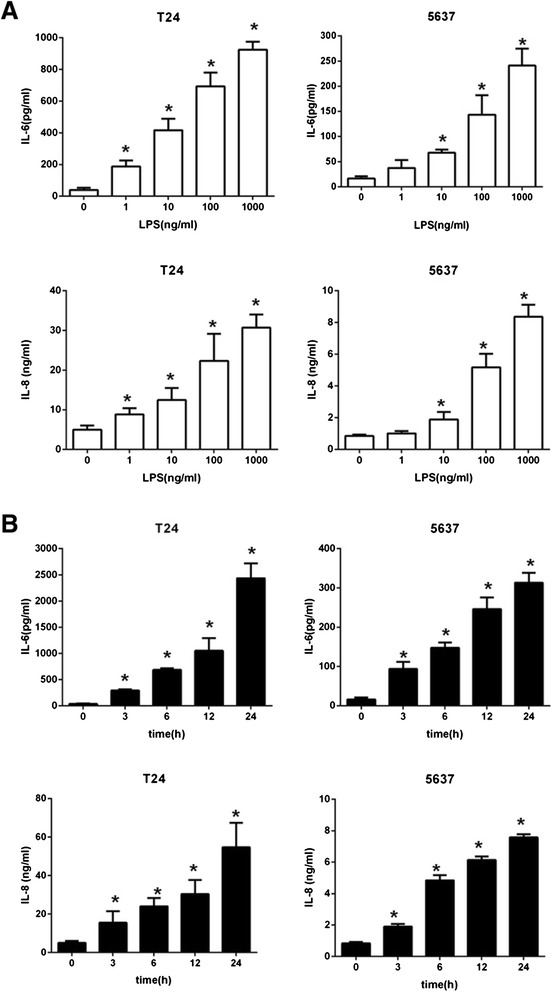
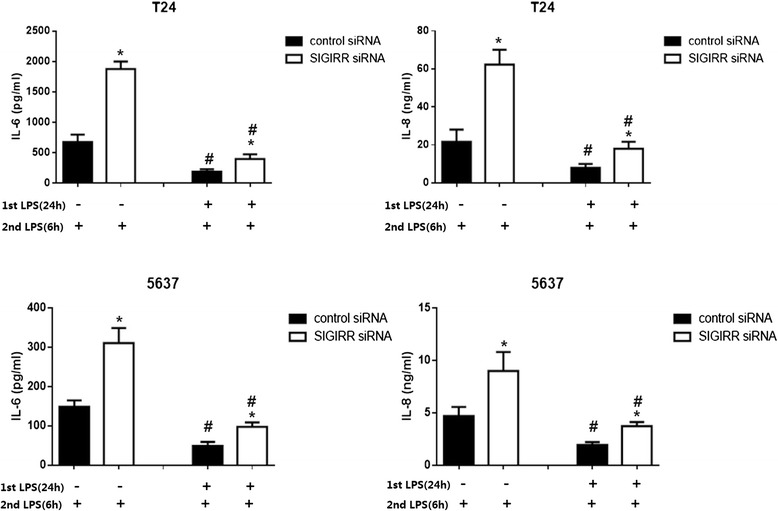
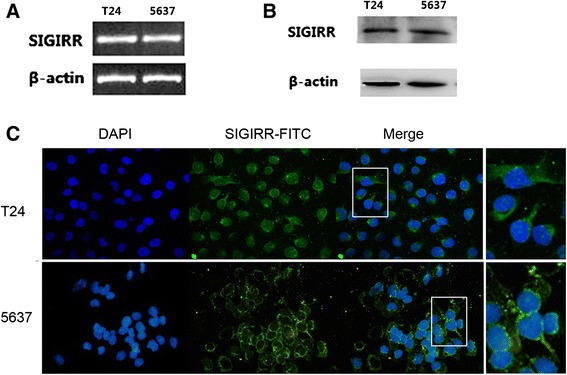
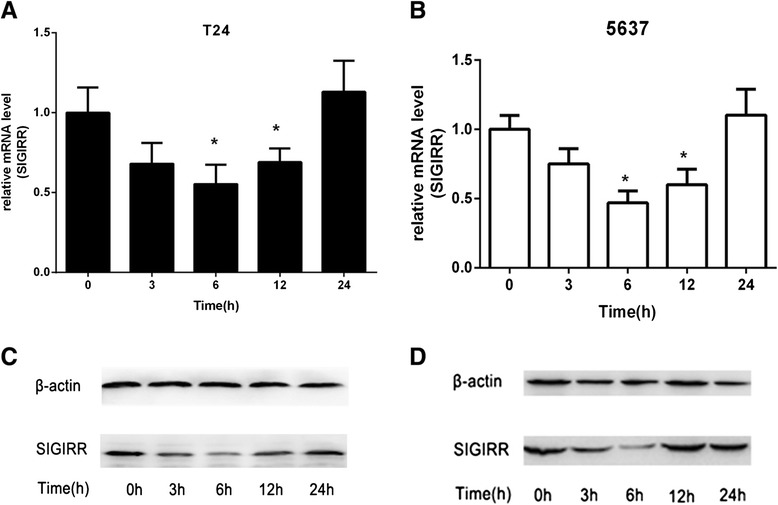
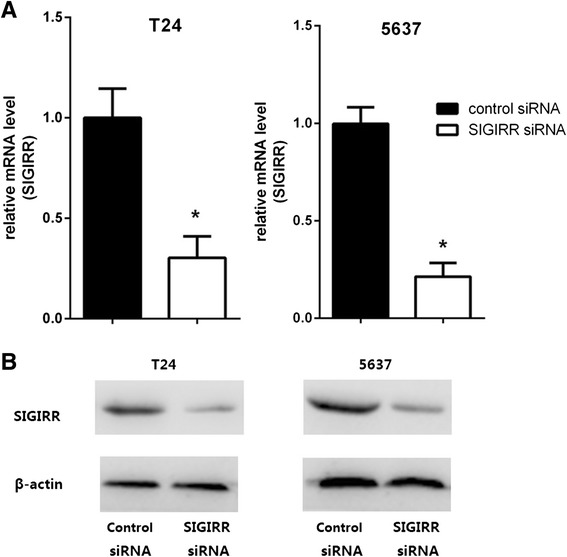
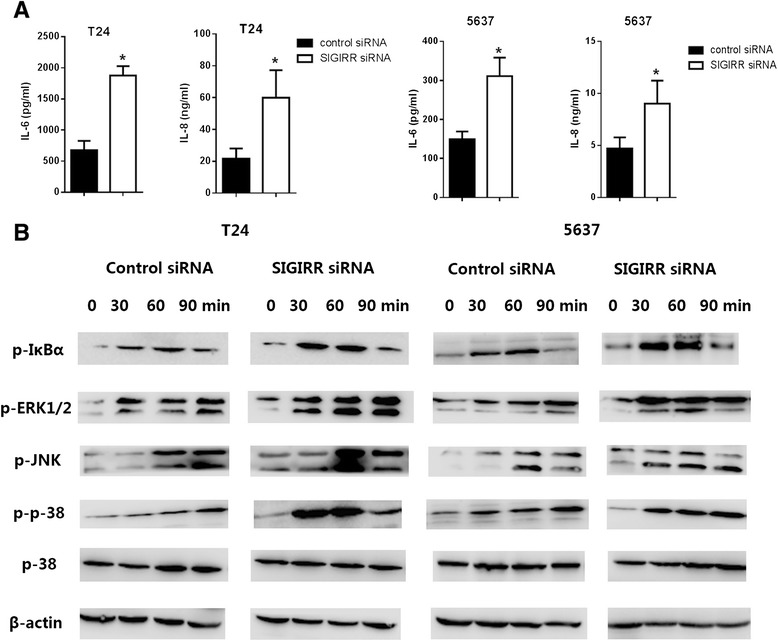
Immunostaining, reverse transcription PCR and Western blot results showed that SIGIRR was constitutively expressed in the human bladder epithelial cell lines and was downregulated after LPS stimulation. To further define the role of SIGIRR, cells were transiently transfected with SIGIRR siRNA and stimulated with LPS. SIGIRR gene silencing augmented chemokine expression in response to LPS, as indicated by increased levels of IL-6 and IL-8 secretions in the supernatants compared with negative control siRNA. Furthermore, LPS tolerance, a protective mechanism against second LPS stimulation, was significantly reduced in SIGIRR siRNA transfected cells. Moreover, transient gene silencing augmented LPS-induced NF-κB and MAPK activation.
In conclusion, our results suggest that SIGIRR plays an important role in the negative regulation of LPS response and tolerance in human bladder epithelial cells, possibly through its impact on TLR-mediated signaling.
尿路的天然免疫反应在抵御微生物攻击中至关重要。Toll样受体4(TLR4)控制对尿路致病性大肠杆菌(UPEC)的初始黏膜反应。然而,过度和功能失调的TLR信号传导可能导致严重炎症和不适当的组织损伤。先前的研究表明,单免疫球蛋白IL-1R相关受体/Toll IL-1受体8(SIGIRR/TIR8)是Toll-白细胞介素-1受体(TIR)家族的成员,可负向调节TLR4介导的信号传导,但其在尿路感染天然免疫中的作用仍未完全明确。在本研究中,我们调查了其在LPS刺激后人膀胱上皮细胞中的细胞分布及相关机制。
免疫染色、逆转录PCR和蛋白质印迹结果显示,SIGIRR在人膀胱上皮细胞系中组成性表达,LPS刺激后表达下调。为进一步明确SIGIRR的作用,用SIGIRR siRNA瞬时转染细胞并给予LPS刺激。与阴性对照siRNA相比,SIGIRR基因沉默增强了对LPS的趋化因子表达,表现为上清液中IL-6和IL-8分泌水平增加。此外,SIGIRR siRNA转染细胞中LPS耐受性(一种针对第二次LPS刺激的保护机制)显著降低。而且,瞬时基因沉默增强了LPS诱导的NF-κB和MAPK激活。
总之,我们的结果表明,SIGIRR可能通过影响TLR介导的信号传导,在人膀胱上皮细胞中对LPS反应和耐受性的负调控中发挥重要作用。