Stübinger Stefan, Stricker Andres, Berg Britt-Isabelle
Hightech Research Center of Cranio-maxillofacial Surgery, University of Basel, Allschwil, Switzerland.
Private Practice, Konstanz, Germany.
Clin Cosmet Investig Dent. 2015 Nov 11;7:115-24. doi: 10.2147/CCIDE.S63466. eCollection 2015.
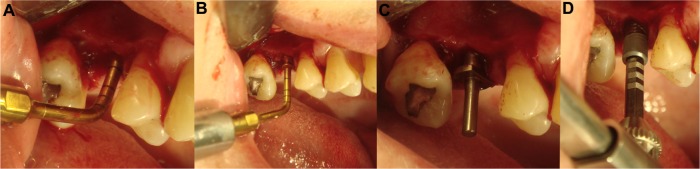
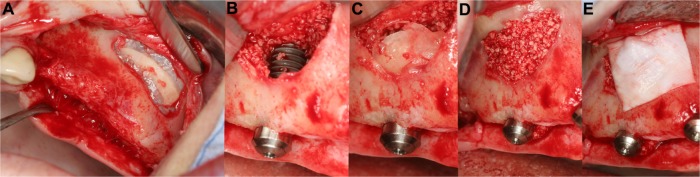
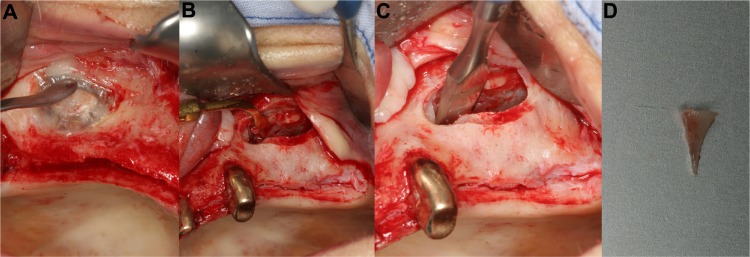
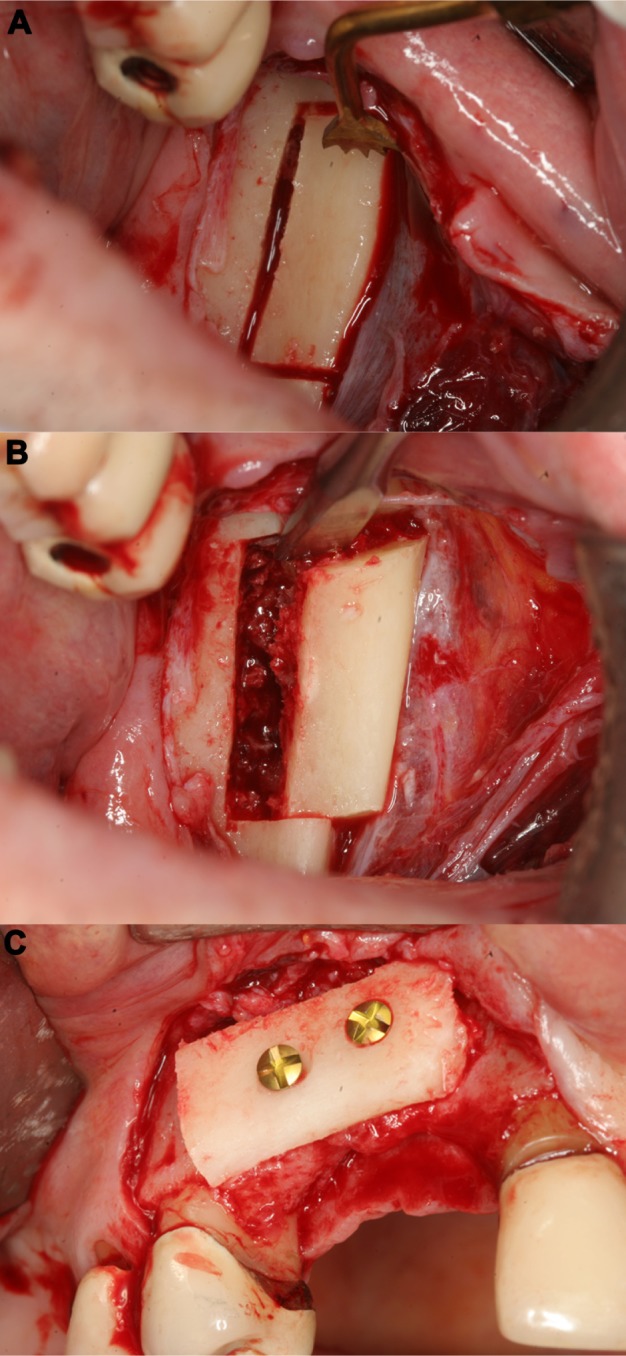
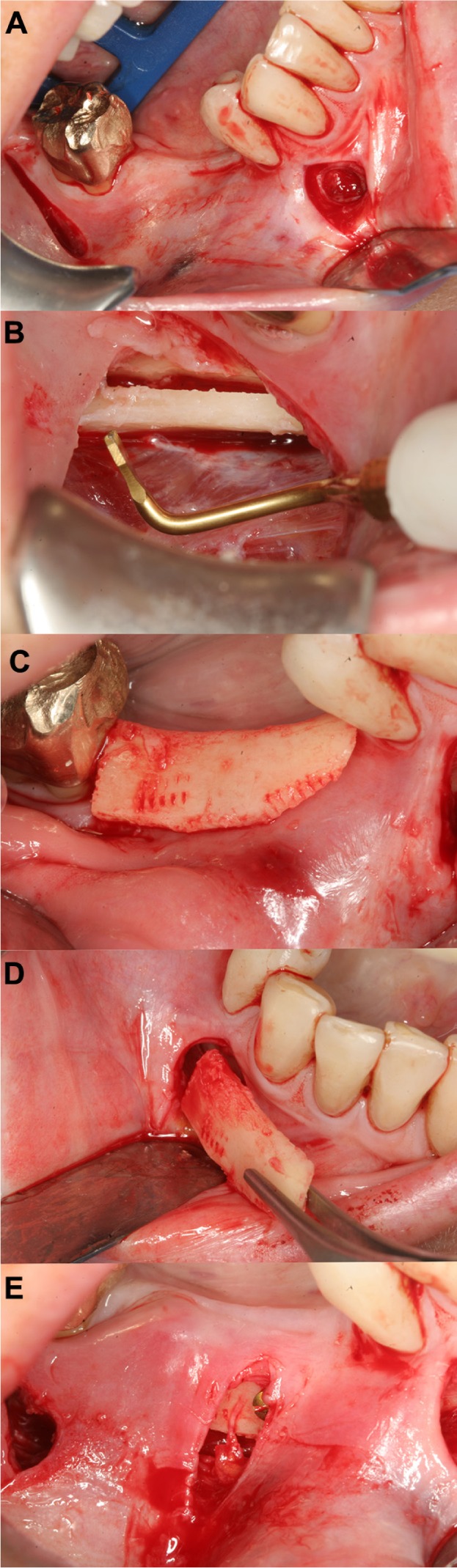
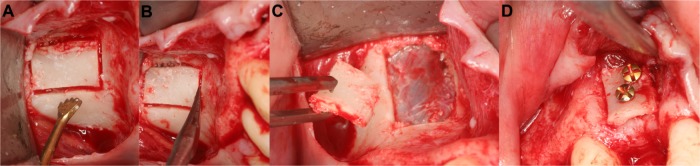
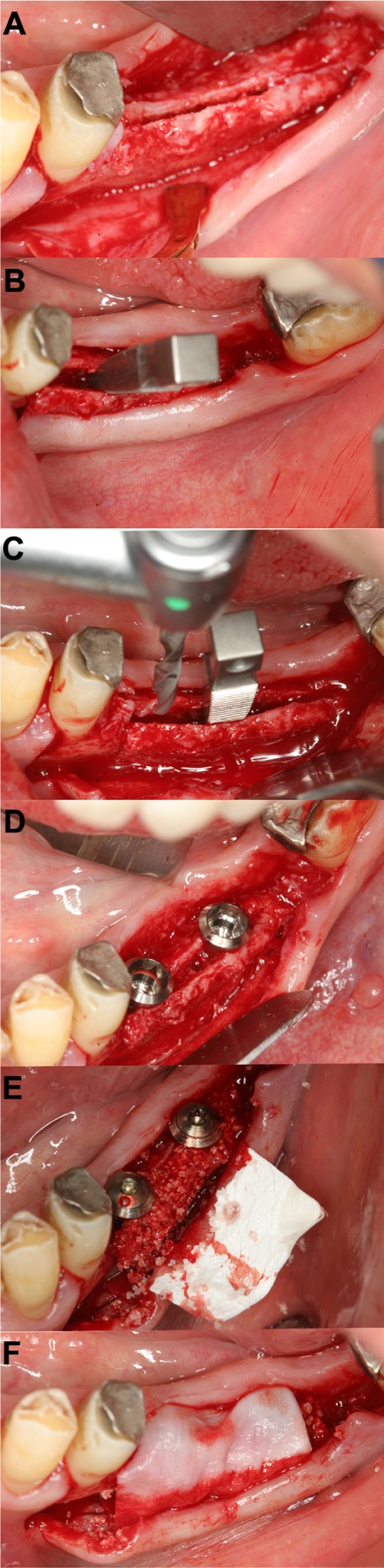
Piezosurgery, or the use of piezoelectric devices, is being applied increasingly in oral and maxillofacial surgery. The main advantages of this technique are precise and selective cuttings, the avoidance of thermal damage, and the preservation of soft-tissue structures. Through the application of piezoelectric surgery, implant-site preparation, bone grafting, sinus-floor elevation, edentulous ridge splitting or the lateralization of the inferior alveolar nerve are very technically feasible. This clinical overview gives a short summary of the current literature and outlines the advantages and disadvantages of piezoelectric bone surgery in implant dentistry. Overall, piezoelectric surgery is superior to other methods that utilize mechanical instruments. Handling of delicate or compromised hard- and soft-tissue conditions can be performed with less risk for the patient. With respect to current and future innovative surgical concepts, piezoelectric surgery offers a wide range of new possibilities to perform customized and minimally invasive osteotomies.
压电外科手术,即压电设备的应用,在口腔颌面外科中的应用越来越广泛。该技术的主要优点是切割精确且具有选择性、避免热损伤以及保留软组织结构。通过应用压电外科手术,种植位点制备、骨移植、上颌窦底提升、无牙颌骨劈开或下牙槽神经移位在技术上都是可行的。本临床综述简要总结了当前文献,并概述了压电骨外科手术在种植牙科中的优缺点。总体而言,压电外科手术优于其他使用机械器械的方法。处理精细或受损的软硬组织情况时,对患者的风险较小。就当前和未来的创新手术概念而言,压电外科手术为进行定制化和微创截骨术提供了广泛的新可能性。