Starzl Ravi, Wolfram Dolores, Zamora Ruben, Jefferson Bahiyyah, Barclay Derek, Ho Chien, Gorantla Vijay, Brandacher Gerald, Schneeberger Stefan, Andrew Lee W P, Carbonell Jaime, Vodovotz Yoram
Language Technologies Institute, Carnegie Mellon University , Pittsburgh, PA , USA ; Department of Plastic and Reconstructive Surgery, University of Pittsburgh , Pittsburgh, PA , USA ; Department of Plastic and Reconstructive Surgery, Johns Hopkins Medicine , Baltimore, MD , USA.
Department of Plastic and Reconstructive Surgery, Innsbruck Medical University , Innsbruck , Austria.
Front Immunol. 2015 Nov 20;6:587. doi: 10.3389/fimmu.2015.00587. eCollection 2015.
Trauma often cooccurs with cardiac arrest and hemorrhagic shock. Skin and muscle injuries often lead to significant inflammation in the affected tissue. The primary mechanism by which inflammation is initiated, sustained, and terminated is cytokine-mediated immune signaling, but this signaling can be altered by cardiac arrest. The complexity and context sensitivity of immune signaling in general has stymied a clear understanding of these signaling dynamics.
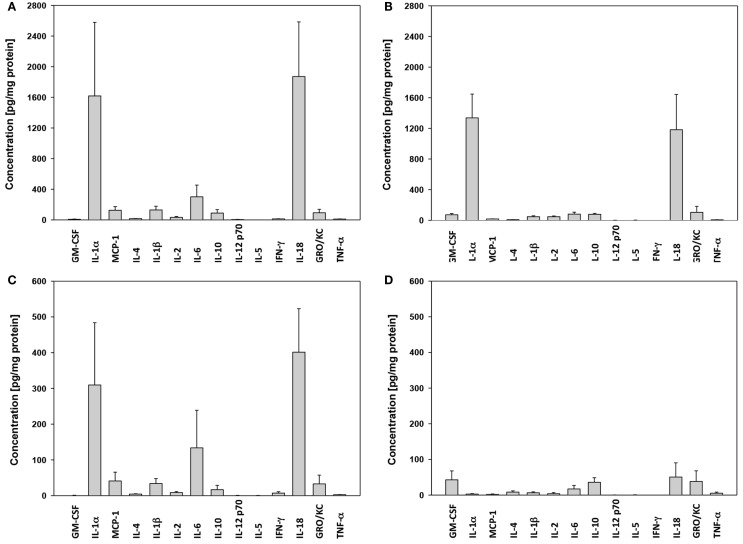
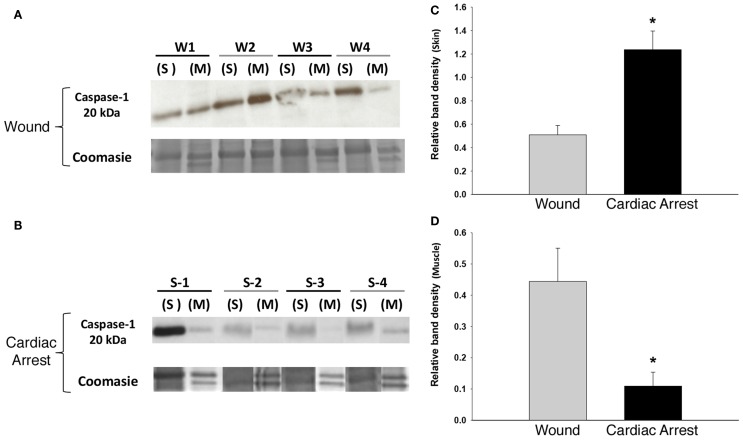
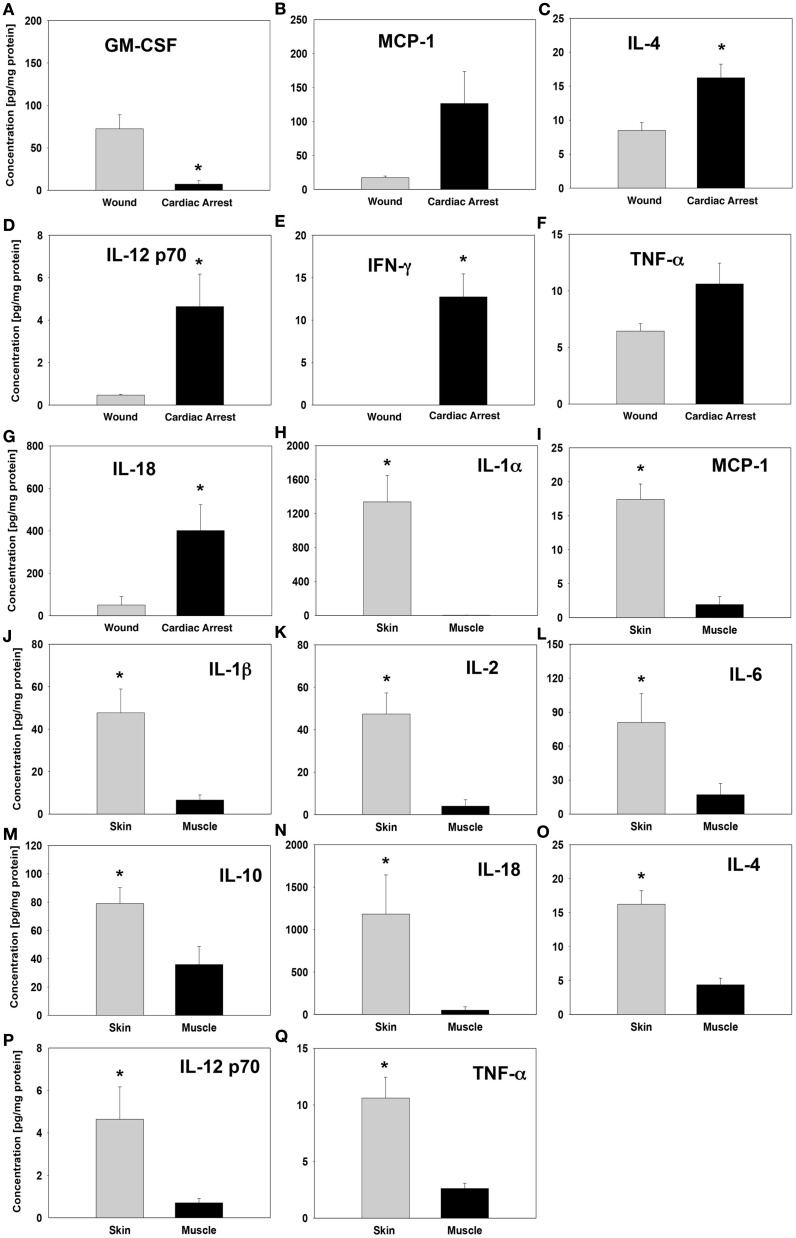
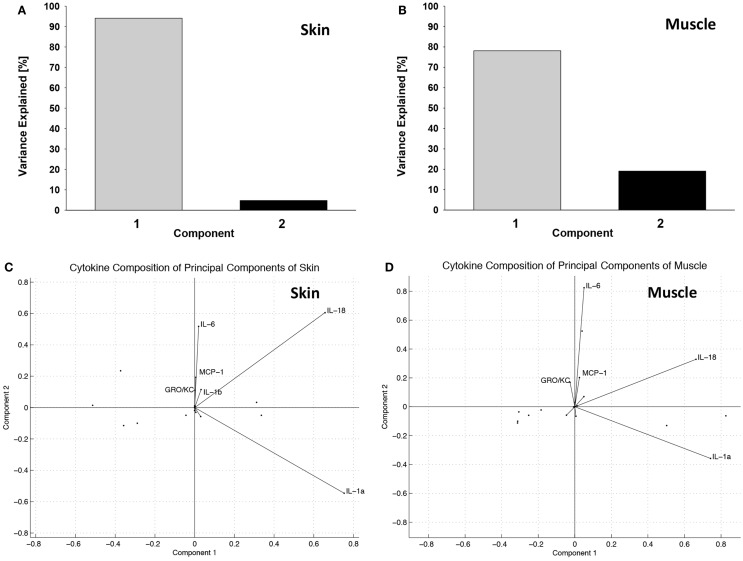
METHODOLOGY/PRINCIPAL FINDINGS: We hypothesized that advanced numerical and biological function analysis methods would help elucidate the inflammatory response to skin and muscle wounds in rats, both with and without concomitant shock. Based on the multiplexed analysis of inflammatory mediators, we discerned a differential interleukin (IL)-1α and IL-18 signature in skin vs. muscle, which was suggestive of inflammasome activation in the skin. Immunoblotting revealed caspase-1 activation in skin but not muscle. Notably, IL-1α and IL-18, along with caspase-1, were greatly elevated in the skin following cardiac arrest, consistent with differential inflammasome activation.
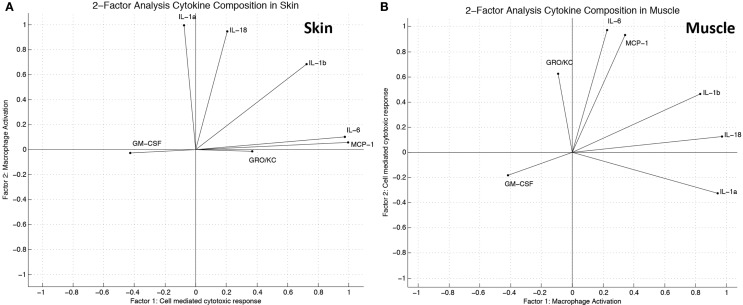
CONCLUSION/SIGNIFICANCE: Tissue-specific activation of caspase-1 and the NLRP3 inflammasome appear to be key factors in determining the type and severity of the inflammatory response to tissue injury, especially in the presence of severe shock, as suggested via data-driven modeling.