Lu Yan, Gao Wei, Zhang Chunming, Wen Shuxin, Huangfu Hui, Kang Jian, Wang Binquan
1. Department of Otolaryngology, Head & Neck Surgery, The First Hospital Affiliated with Shanxi Medical University, Taiyuan, Shanxi, 030001, China ; 3. Department of Otolaryngology, Head & Neck Surgery, The First Hospital Affiliated with Liaoning Medical University, Jinzhou, Liaoning, 121001, China.
1. Department of Otolaryngology, Head & Neck Surgery, The First Hospital Affiliated with Shanxi Medical University, Taiyuan, Shanxi, 030001, China ; 2. Shanxi Key Laboratory of Otolaryngology Head & Neck Cancer, Taiyuan, Shanxi, 030001, China.
J Cancer. 2015 Oct 20;6(12):1260-75. doi: 10.7150/jca.12659. eCollection 2015.
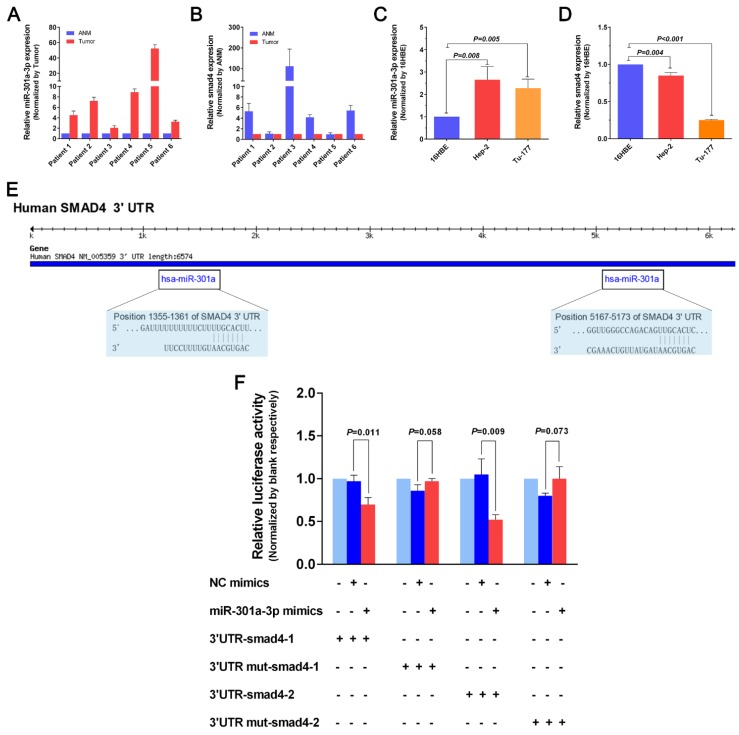
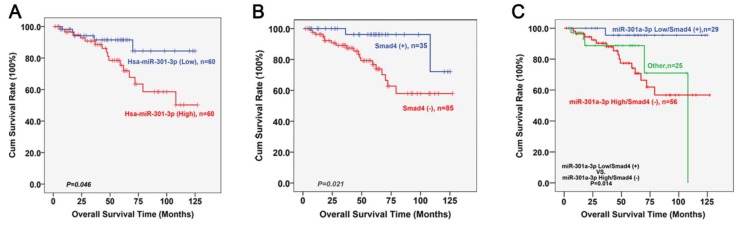
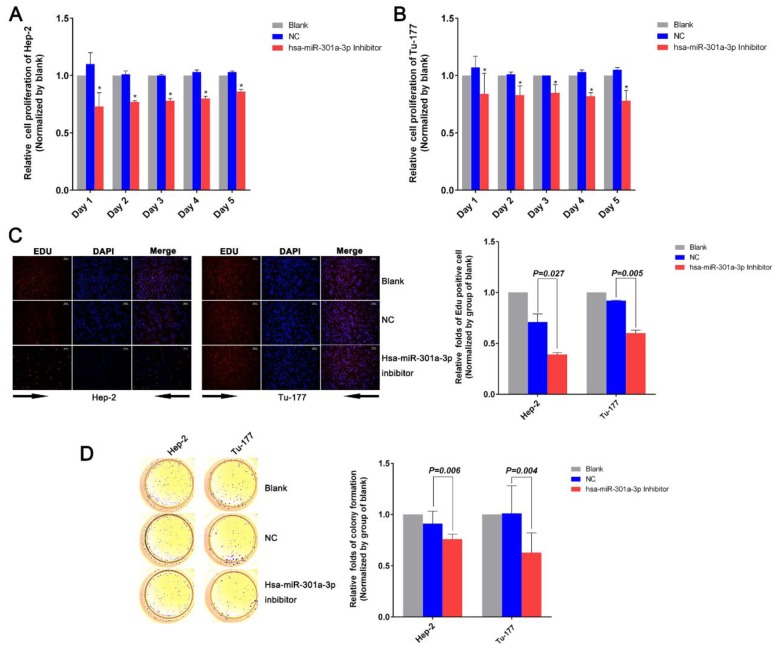
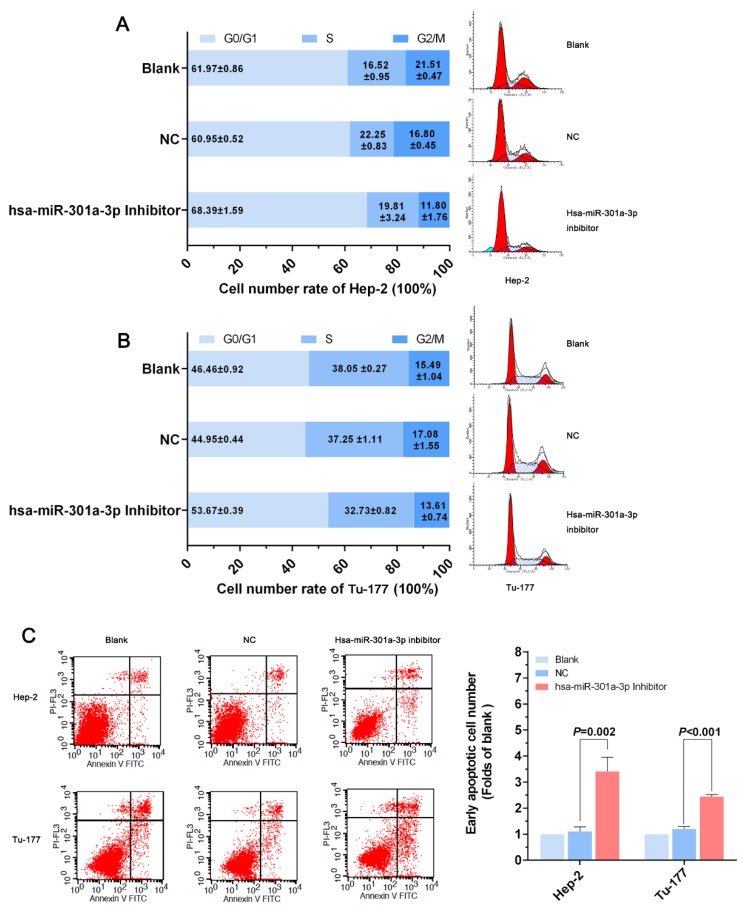
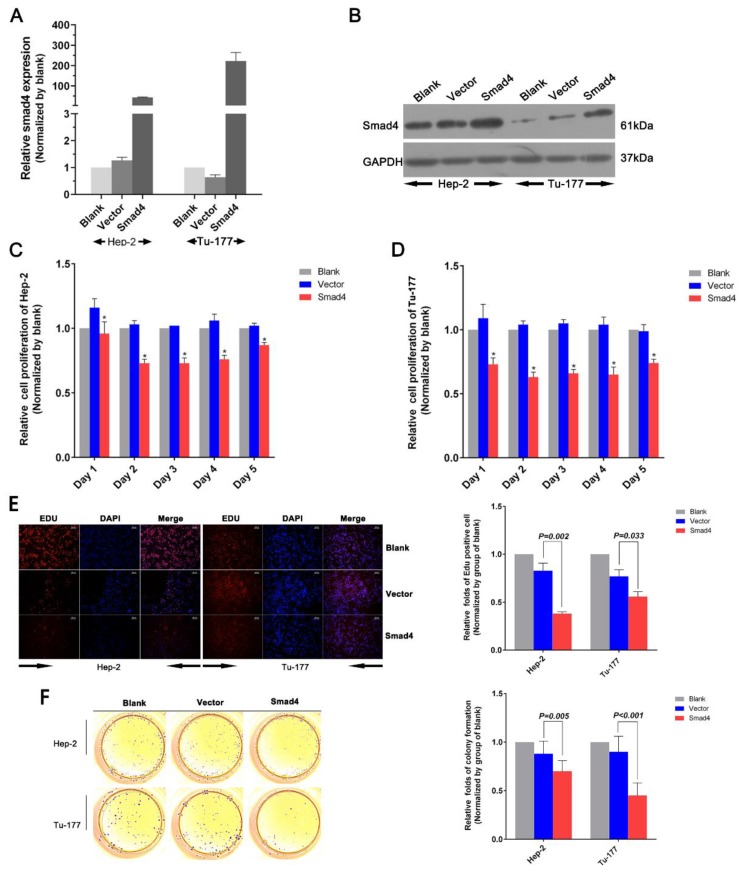
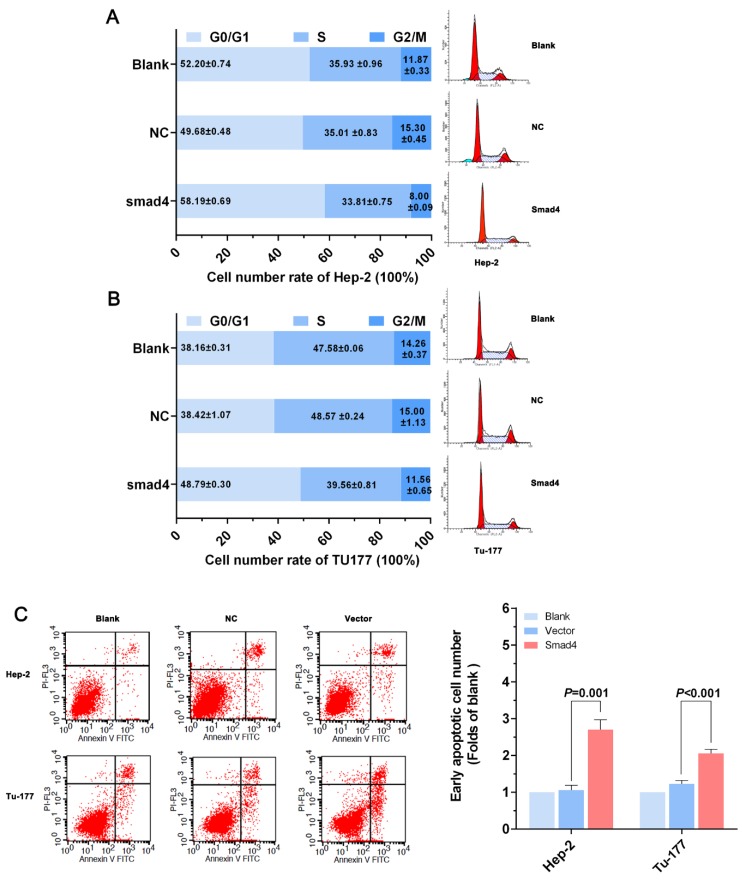
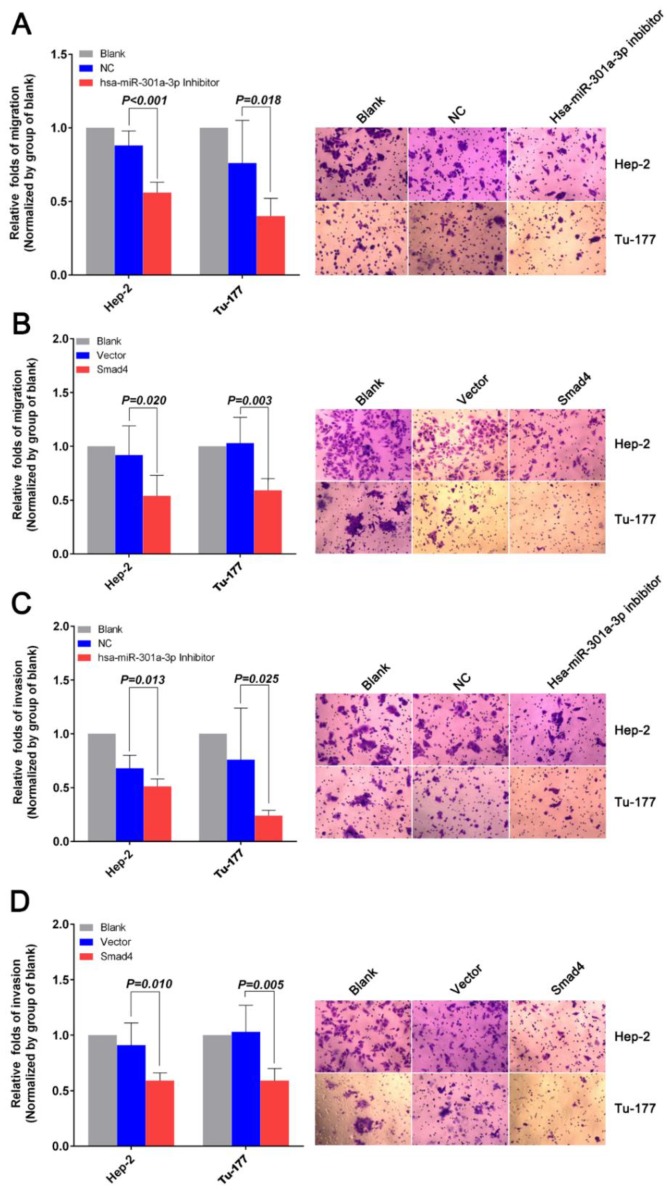
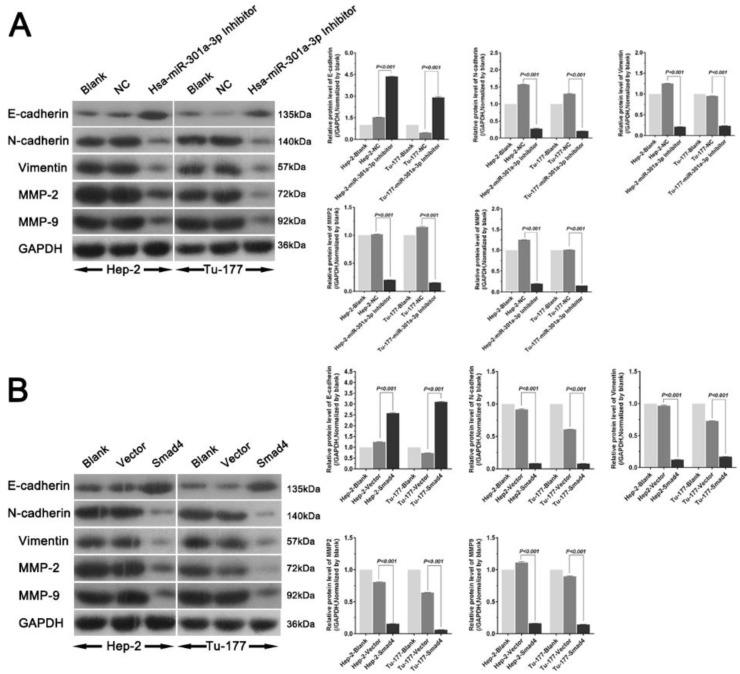
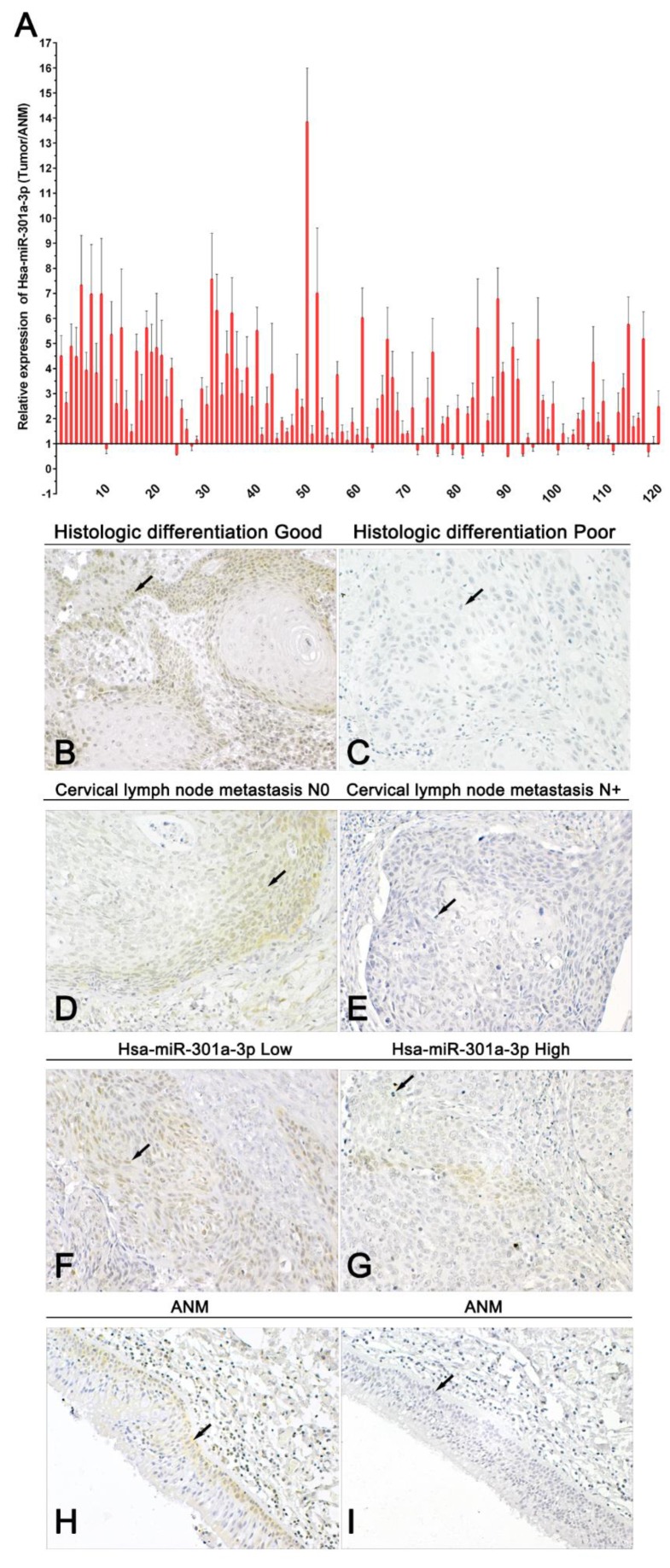
Laryngeal squamous cell carcinoma (LSCC) is the second most common malignant head and neck squamous cell carcinoma. Exploring the molecular indicators of malignant behavior will enhance our knowledge of this type cancer and provide novel options for its prevention, diagnosis, and treatment. MicroRNA might exert regulatory roles as oncogenes or anti-oncogenes. We studied the expression of miR-301a-3p in LSCC tissues and cell lines and conducted a functional analysis of miR-301a-3p to confirm if miR-301a-3p functions as an oncogene in LSCC. We found Smad4 to be one of the potential target genes of miR-301a-3p, and it functioned as a tumor suppressor in LSCC. Hsa-miR-301a-3p participated in the epithelial-mesenchymal transition (EMT) process, which is considered to be linked to the process of LSCC development. Our present findings indicate that miR-301a-3p acts as an oncogene by directly regulating the anti-oncogene Smad4, thereby playing a role in the occurrence and development of LSCC. The present findings are expected to help in the development of novel targets for the prevention and treatment of LSCC.
喉鳞状细胞癌(LSCC)是第二常见的头颈部恶性鳞状细胞癌。探索恶性行为的分子指标将增进我们对这类癌症的了解,并为其预防、诊断和治疗提供新的选择。微小RNA可能作为癌基因或抑癌基因发挥调控作用。我们研究了miR-301a-3p在LSCC组织和细胞系中的表达,并对miR-301a-3p进行功能分析,以确认miR-301a-3p在LSCC中是否作为癌基因发挥作用。我们发现Smad4是miR-301a-3p的潜在靶基因之一,且在LSCC中作为肿瘤抑制因子发挥作用。Hsa-miR-301a-3p参与了上皮-间质转化(EMT)过程,该过程被认为与LSCC的发展过程相关。我们目前的研究结果表明,miR-301a-3p通过直接调控抑癌基因Smad4发挥癌基因作用,从而在LSCC的发生和发展中起作用。目前的研究结果有望有助于开发预防和治疗LSCC的新靶点。