Kwak Hyun Jung, Park Dong Won, Seo Ji-Young, Moon Ji-Yong, Kim Tae Hyung, Sohn Jang Won, Shin Dong Ho, Yoon Ho Joo, Park Sung Soo, Kim Sang-Heon
Department of Internal Medicine, Hanyang University College of Medicine, Seoul, Korea.
Exp Mol Med. 2015 Dec 11;47(12):e198. doi: 10.1038/emm.2015.91.
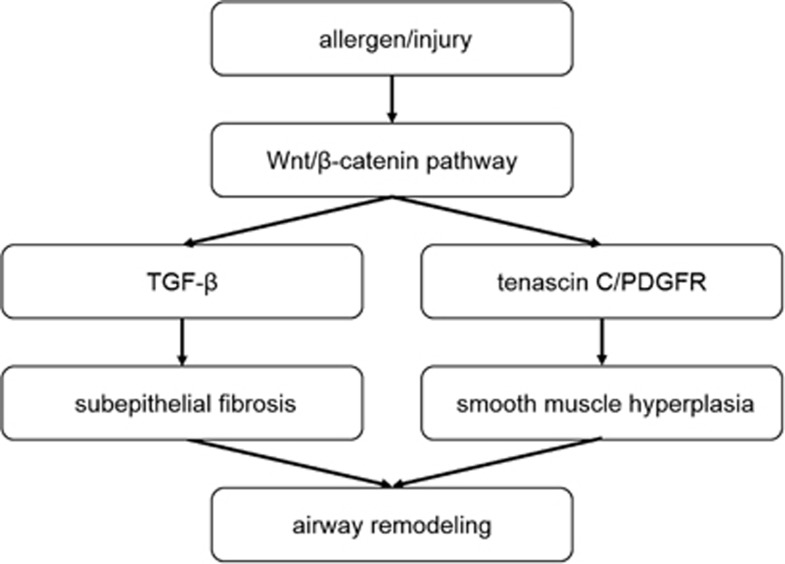
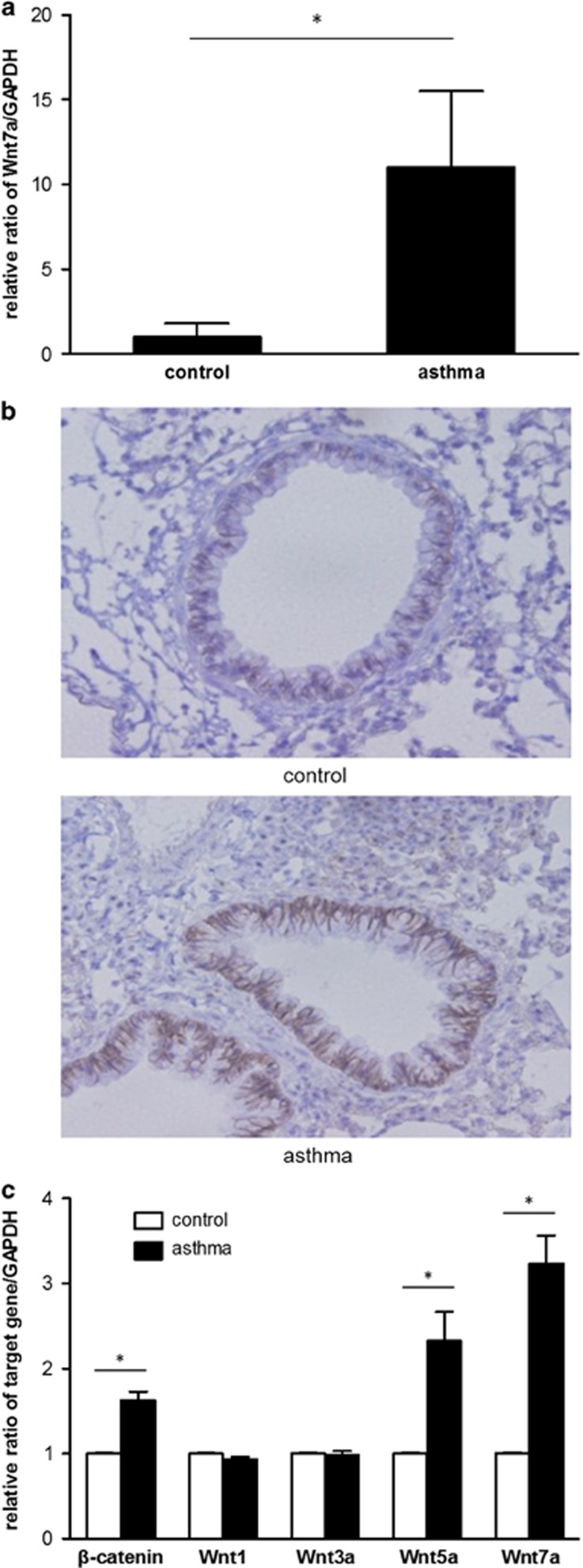
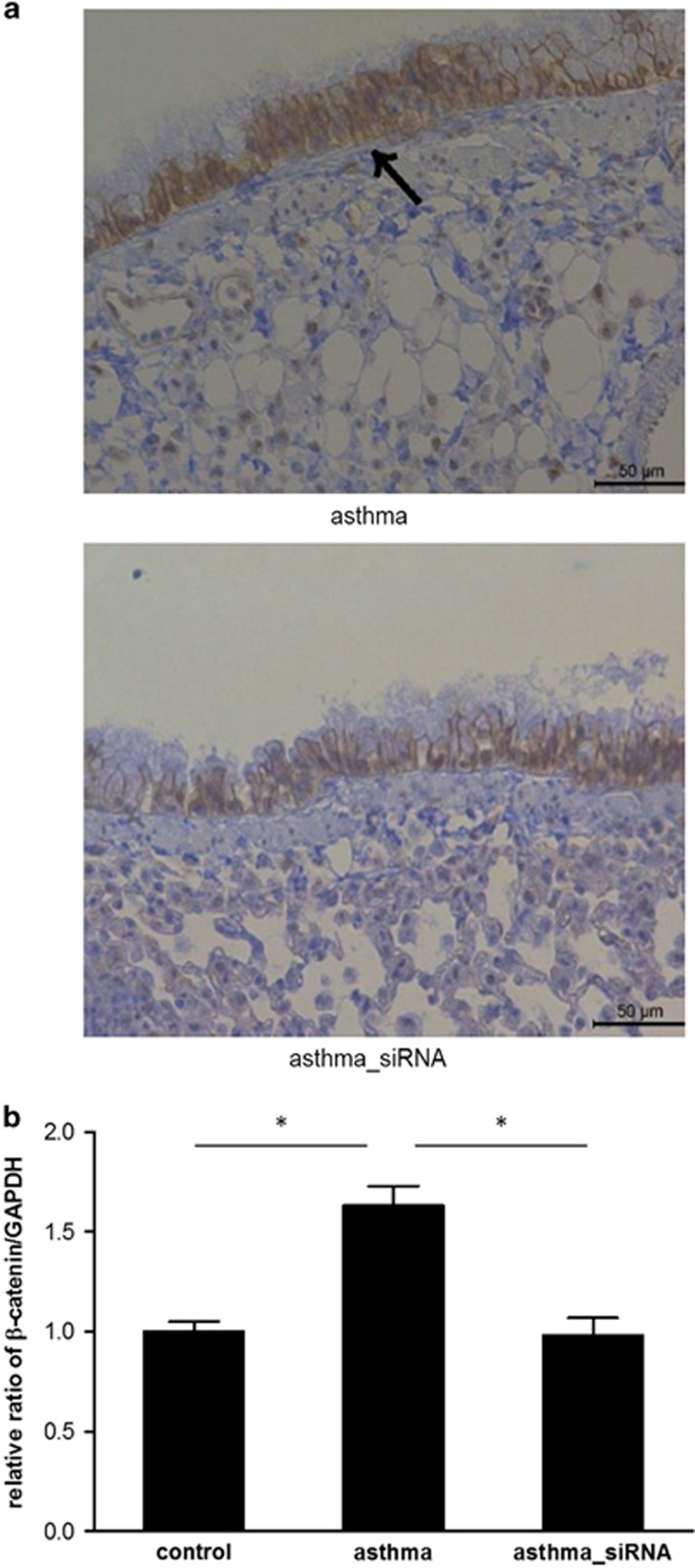
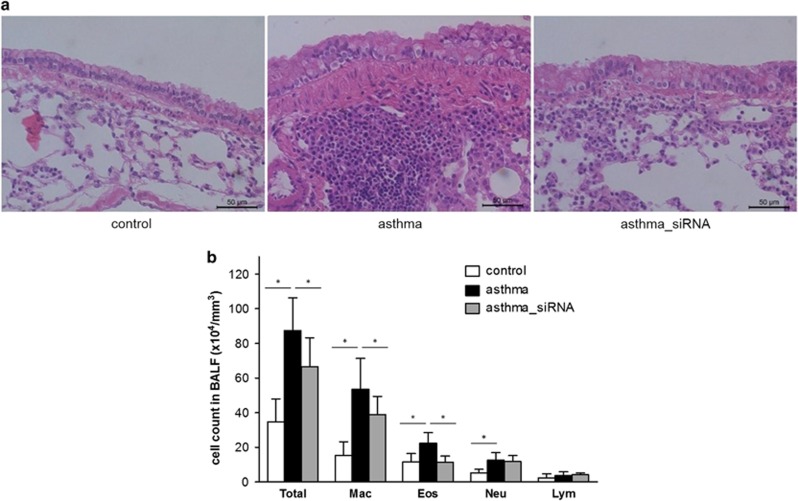
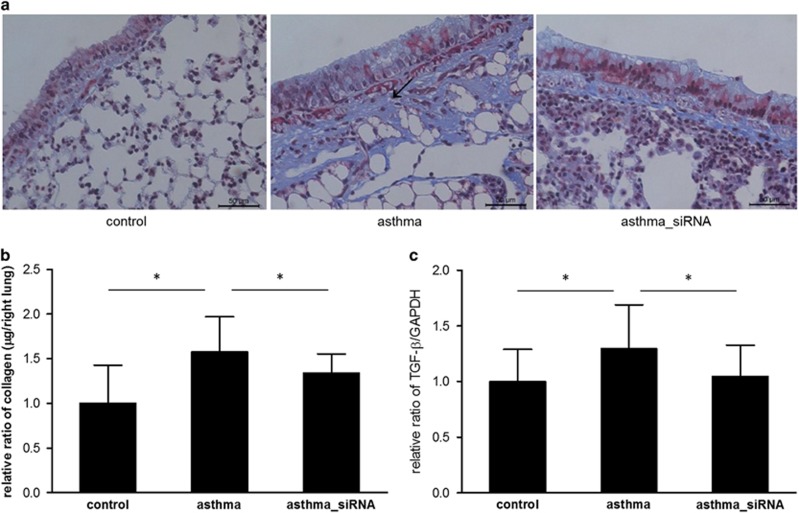
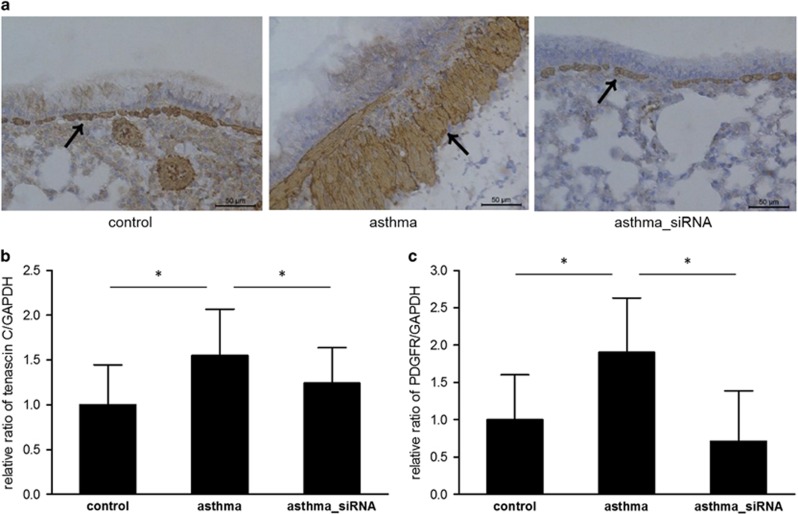
Airway remodeling is a key characteristic of chronic asthma, particularly in patients with a fixed airflow limitation. The mechanisms underlying airway remodeling are poorly understood, and no therapeutic option is available. The Wnt/β-catenin signaling pathway is involved in various physiological and pathological processes, including fibrosis and smooth muscle hypertrophy. In this study, we investigated the roles of Wnt/β-catenin signaling in airway remodeling in patients with asthma. Wnt7a mRNA expression was prominent in induced sputum from patients with asthma compared with that from healthy controls. Next, we induced a chronic asthma mouse model with airway remodeling features, including subepithelial fibrosis and airway smooth muscle hyperplasia. Higher expression of Wnt family proteins and β-catenin was detected in the lung tissue of mice with chronic asthma compared to control mice. Blocking β-catenin expression with a specific siRNA attenuated airway inflammation and airway remodeling. Decreased subepithelial fibrosis and collagen accumulation in the β-catenin siRNA-treated mice was accompanied by reduced expression of transforming growth factor-β. We further showed that suppressing β-catenin in the chronic asthma model inhibited smooth muscle hyperplasia by downregulating the tenascin C/platelet-derived growth factor receptor pathway. Taken together, these findings demonstrate that the Wnt/β-catenin signaling pathway is highly expressed and regulates the development of airway remodeling in chronic asthma.
气道重塑是慢性哮喘的一个关键特征,在伴有固定气流受限的患者中尤为明显。气道重塑的潜在机制尚不清楚,且尚无有效的治疗方法。Wnt/β-连环蛋白信号通路参与包括纤维化和平滑肌肥大在内的多种生理和病理过程。在本研究中,我们调查了Wnt/β-连环蛋白信号在哮喘患者气道重塑中的作用。与健康对照相比,哮喘患者诱导痰中Wnt7a mRNA表达显著。接下来,我们诱导了具有气道重塑特征(包括上皮下纤维化和气道平滑肌增生)的慢性哮喘小鼠模型。与对照小鼠相比,慢性哮喘小鼠肺组织中检测到Wnt家族蛋白和β-连环蛋白的表达更高。用特异性小干扰RNA阻断β-连环蛋白表达可减轻气道炎症和气道重塑。β-连环蛋白小干扰RNA处理的小鼠上皮下纤维化和胶原蛋白积累减少,同时转化生长因子-β表达降低。我们进一步表明,在慢性哮喘模型中抑制β-连环蛋白可通过下调腱生蛋白C/血小板衍生生长因子受体途径来抑制平滑肌增生。综上所述,这些发现表明Wnt/β-连环蛋白信号通路在慢性哮喘中高表达并调节气道重塑的发展。