Morozova E V, Vlasova Y Y, Pryanishnikova M V, Lepik K V, Afanasyev B V
R.M. Gorbacheva Memorial Institute for Pediatric Oncology, Hematology and Transplantation, I.P. Pavlov First Saint-Petersburg State Medical University, St Petersburg, Russia.
Biomark Insights. 2015 Dec 8;10(Suppl 3):43-7. doi: 10.4137/BMI.S22438. eCollection 2015.
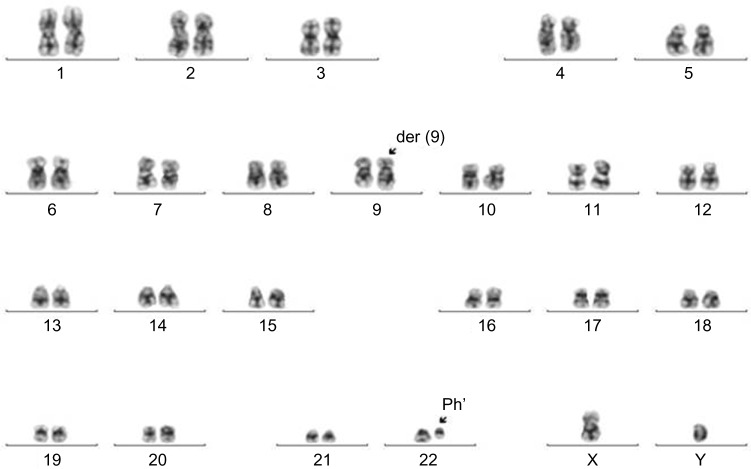
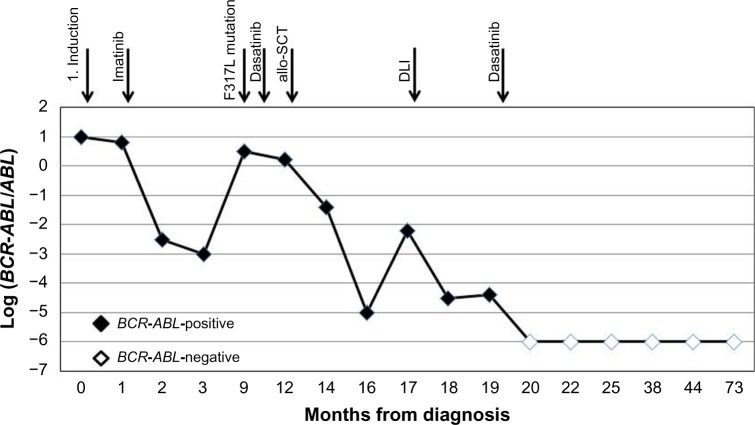
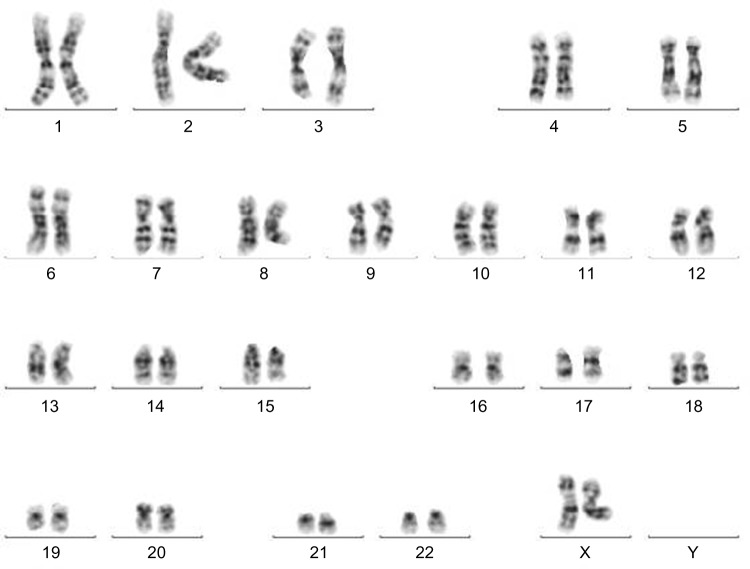
The introduction of tyrosine kinase inhibitors (TKIs) in the treatment of chronic myeloid leukemia (CML) has significantly increased survival rate and quality of life for patients with CML. Despite the high efficacy of imatinib, not all patients benefit from this treatment. Resistance to imatinib can develop from a number of mechanisms. One of the main reasons for treatment failure is a mutation in the BCR-ABL gene, which leads to therapy resistance and clonal evolution. Clearly, new treatment approaches are required for patients who are resistant to imatinib. However, mutated clones are usually susceptible to second-generation TKIs, such as nilotinib and dasatinib. The choice of the therapy depends on the type of mutation. A large trial program showed that dasatinib is effective in patients previously exposed to imatinib. However, for a minority of patients who experience treatment failure with TKI or progress to advanced-phase disease, allogeneic stem cell transplantation (allo-SCT) remains the therapeutic option. In spite of the high curative potential of allo-SCT, its high relapse rate still requires a feasible strategy of posttransplant treatment and prophylaxis. We report a case of a CML patient with primary resistance to first-line TKI therapy. The patient developed an undifferentiated blast crisis. Before dasatinib therapy, the patient was found to have an F317L mutation. He was successfully treated with dasatinib followed by allo-SCT. In the posttransplant period, preemptive dasatinib treatment was used to prevent disease relapse.
酪氨酸激酶抑制剂(TKIs)用于治疗慢性髓性白血病(CML)显著提高了CML患者的生存率和生活质量。尽管伊马替尼疗效显著,但并非所有患者都能从这种治疗中获益。对伊马替尼产生耐药性可能有多种机制。治疗失败的主要原因之一是BCR-ABL基因突变,这会导致治疗耐药和克隆进化。显然,对于对伊马替尼耐药的患者需要新的治疗方法。然而,突变克隆通常对第二代TKIs敏感,如尼罗替尼和达沙替尼。治疗方案的选择取决于突变类型。一项大型试验项目表明,达沙替尼对先前接受过伊马替尼治疗的患者有效。然而,对于少数经历TKI治疗失败或进展为晚期疾病的患者,异基因干细胞移植(allo-SCT)仍然是治疗选择。尽管allo-SCT具有很高的治愈潜力,但其高复发率仍然需要可行的移植后治疗和预防策略。我们报告了一例对一线TKI治疗原发耐药的CML患者。该患者发生了未分化的急变期。在使用达沙替尼治疗前,发现该患者存在F317L突变。他先用达沙替尼成功治疗,随后进行了allo-SCT。在移植后阶段,采用先发制人的达沙替尼治疗来预防疾病复发。