McCaughey Euan J, McLean Alan N, Allan David B, Gollee Henrik
a Centre for Health Systems and Safety Research, Australian Institute for Health Innovation , Macquarie University , Sydney , Australia.
b Centre for Rehabilitation Engineering, School of Engineering , University of Glasgow , Glasgow , Scotland , UK.
J Spinal Cord Med. 2016 Nov;39(6):720-725. doi: 10.1080/10790268.2015.1114226. Epub 2015 Dec 21.
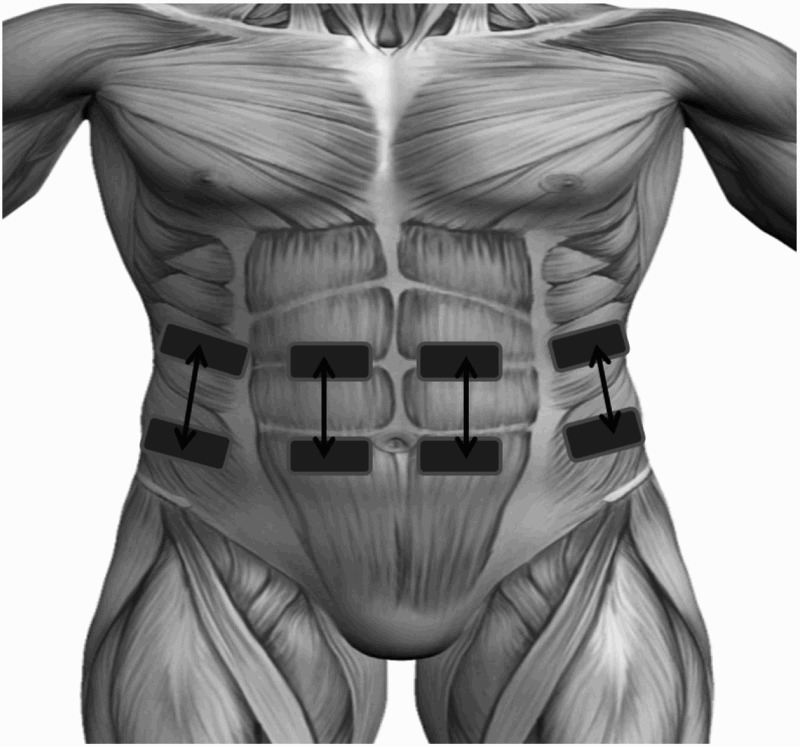
Respiratory complications, attributed to the build-up of secretions in the airway, are a leading cause of rehospitalisation for the tetraplegic population. Previously, we observed that the application of Abdominal Functional Electrical Stimulation (AFES) improved cough function and increased demand for secretion removal, suggesting AFES may aid secretion clearance. Clinically, secretion clearance is commonly achieved by using Mechanical insufflation-exsufflation (MI-E) to simulate a cough. In this study the feasibility of combining AFES with MI-E is evaluated.
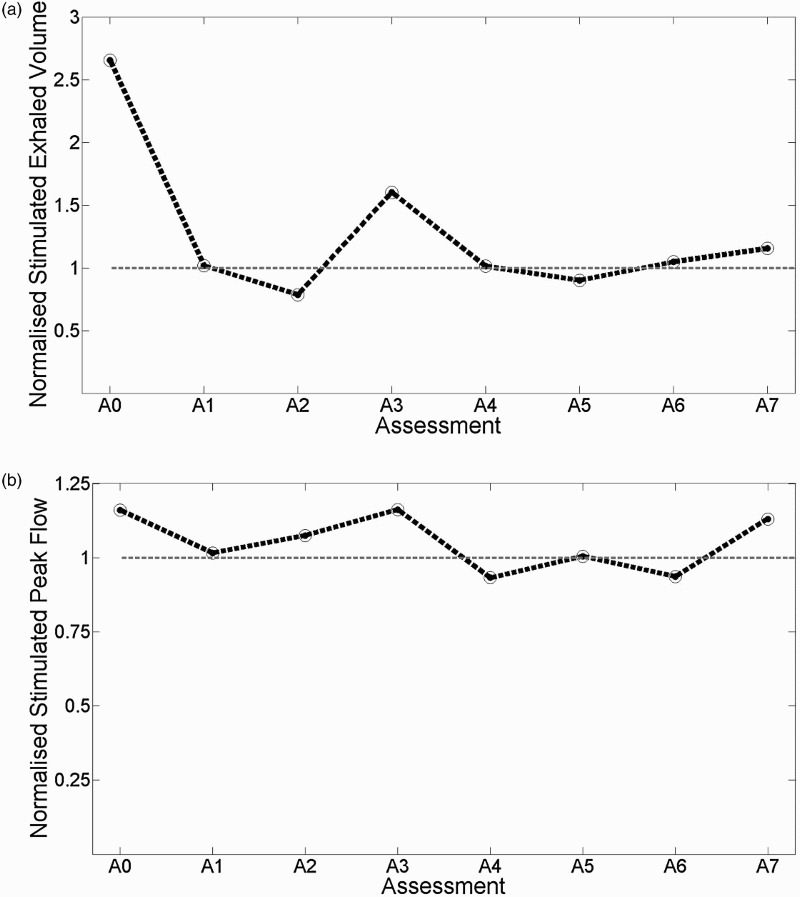
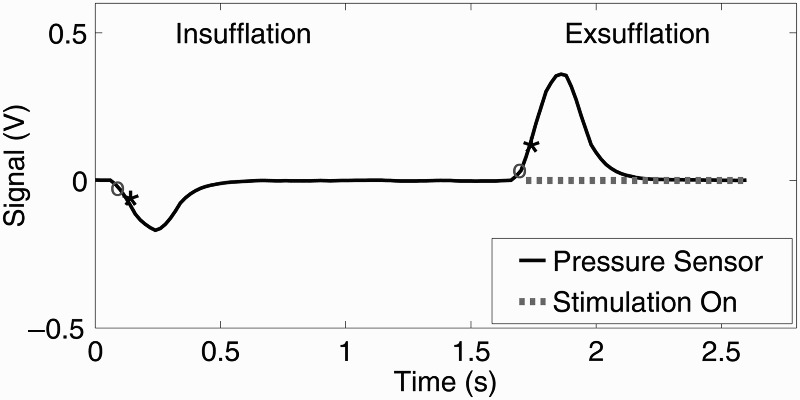
AFES was successfully combined with MI-E at eight fortnightly assessment sessions conducted with one sub-acute participant with tetraplegia. By using the signal from a pressure sensor, integrated with the MI-E device, AFES was correctly applied in synchrony with MI-E with an accuracy of 96.7%. Acute increases in exhaled volume and peak flow were observed during AFES assisted MI-E, compared to MI-E alone, at six of eight assessment sessions.
The successful integration of AFES with MI-E at eight assessment sessions demonstrates the feasibility of this technique. The acute increases in respiratory function observed at the majority of assessment sessions generate the hypothesis that AFES assisted MI-E may be more effective for secretion clearance than MI-E alone.
呼吸并发症是四肢瘫痪患者再次住院的主要原因,其归因于气道分泌物的积聚。此前,我们观察到腹部功能性电刺激(AFES)的应用改善了咳嗽功能并增加了分泌物清除需求,这表明AFES可能有助于分泌物清除。临床上,通常通过机械通气-呼气(MI-E)模拟咳嗽来实现分泌物清除。在本研究中,评估了AFES与MI-E联合应用的可行性。
在对一名亚急性四肢瘫痪参与者进行的八次每两周一次的评估中,AFES成功与MI-E联合应用。通过使用与MI-E设备集成的压力传感器信号,AFES与MI-E同步正确应用,准确率达96.7%。在八次评估中的六次中,与单独使用MI-E相比,在AFES辅助的MI-E过程中观察到呼出量和峰值流量急性增加。
在八次评估中AFES与MI-E成功整合证明了该技术的可行性。在大多数评估中观察到的呼吸功能急性增加产生了一个假设,即AFES辅助的MI-E可能比单独使用MI-E在分泌物清除方面更有效。