Hostetler Jessica B, Sharma Sumana, Bartholdson S Josefin, Wright Gavin J, Fairhurst Rick M, Rayner Julian C
Laboratory of Malaria and Vector Research, National Institute of Allergy and Infectious Diseases, National Institutes of Health, Bethesda, Maryland, United States of America.
Malaria Programme, Wellcome Trust Sanger Institute, Wellcome Genome Campus, Hinxton, Cambridge, United Kingdom.
PLoS Negl Trop Dis. 2015 Dec 23;9(12):e0004264. doi: 10.1371/journal.pntd.0004264. eCollection 2015 Dec.
A vaccine targeting Plasmodium vivax will be an essential component of any comprehensive malaria elimination program, but major gaps in our understanding of P. vivax biology, including the protein-protein interactions that mediate merozoite invasion of reticulocytes, hinder the search for candidate antigens. Only one ligand-receptor interaction has been identified, that between P. vivax Duffy Binding Protein (PvDBP) and the erythrocyte Duffy Antigen Receptor for Chemokines (DARC), and strain-specific immune responses to PvDBP make it a complex vaccine target. To broaden the repertoire of potential P. vivax merozoite-stage vaccine targets, we exploited a recent breakthrough in expressing full-length ectodomains of Plasmodium proteins in a functionally-active form in mammalian cells and initiated a large-scale study of P. vivax merozoite proteins that are potentially involved in reticulocyte binding and invasion.
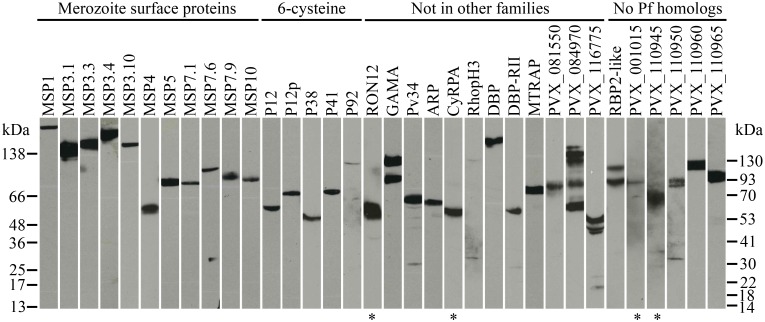
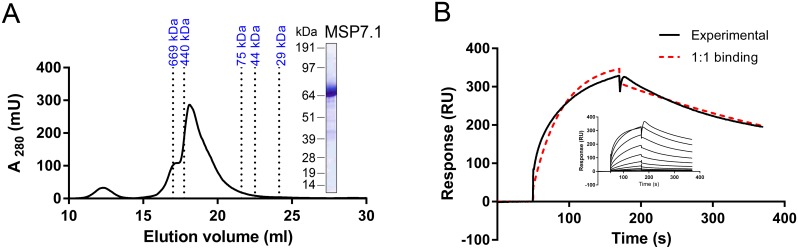
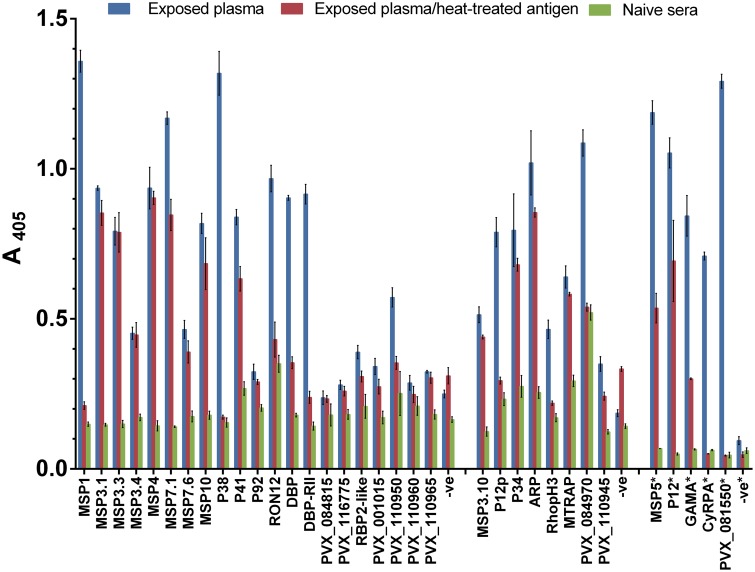
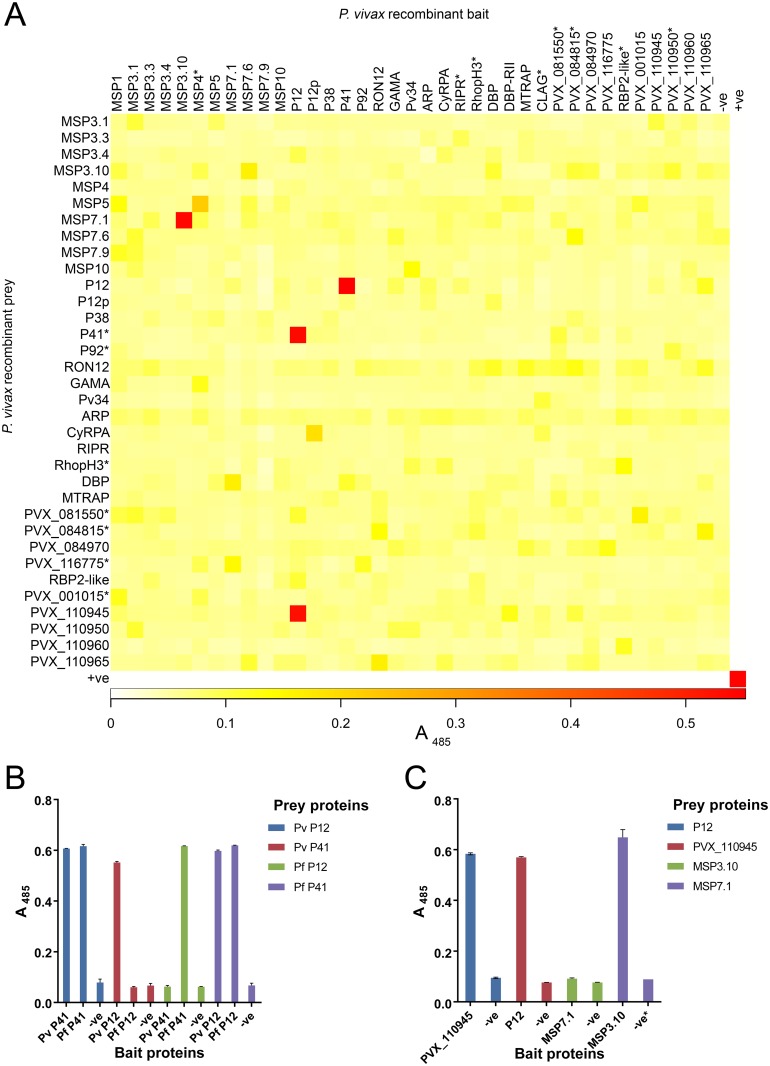
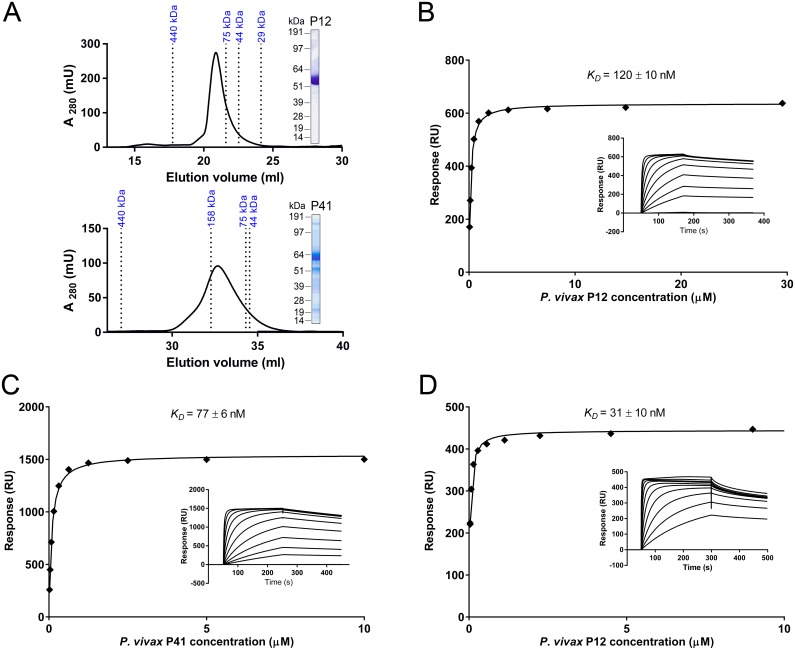
METHODOLOGY/PRINCIPAL FINDINGS: We selected 39 P. vivax proteins that are predicted to localize to the merozoite surface or invasive secretory organelles, some of which show homology to P. falciparum vaccine candidates. Of these, we were able to express 37 full-length protein ectodomains in a mammalian expression system, which has been previously used to express P. falciparum invasion ligands such as PfRH5. To establish whether the expressed proteins were correctly folded, we assessed whether they were recognized by antibodies from Cambodian patients with acute vivax malaria. IgG from these samples showed at least a two-fold change in reactivity over naïve controls in 27 of 34 antigens tested, and the majority showed heat-labile IgG immunoreactivity, suggesting the presence of conformation-sensitive epitopes and native tertiary protein structures. Using a method specifically designed to detect low-affinity, extracellular protein-protein interactions, we confirmed a predicted interaction between P. vivax 6-cysteine proteins P12 and P41, further suggesting that the proteins are natively folded and functional. This screen also identified two novel protein-protein interactions, between P12 and PVX_110945, and between MSP3.10 and MSP7.1, the latter of which was confirmed by surface plasmon resonance.
CONCLUSIONS/SIGNIFICANCE: We produced a new library of recombinant full-length P. vivax ectodomains, established that the majority of them contain tertiary structure, and used them to identify predicted and novel protein-protein interactions. As well as identifying new interactions for further biological studies, this library will be useful in identifying P. vivax proteins with vaccine potential, and studying P. vivax malaria pathogenesis and immunity.
ClinicalTrials.gov NCT00663546.
针对间日疟原虫的疫苗将是任何全面消除疟疾计划的重要组成部分,但我们对间日疟原虫生物学的了解存在重大差距,包括介导裂殖子侵入网织红细胞的蛋白质-蛋白质相互作用,这阻碍了候选抗原的寻找。仅鉴定出一种配体-受体相互作用,即间日疟原虫达菲结合蛋白(PvDBP)与趋化因子红细胞达菲抗原受体(DARC)之间的相互作用,并且针对PvDBP的菌株特异性免疫反应使其成为一个复杂的疫苗靶点。为了拓宽潜在的间日疟原虫裂殖子阶段疫苗靶点的范围,我们利用了一项近期的突破,即在哺乳动物细胞中以功能活性形式表达疟原虫蛋白质的全长胞外结构域,并启动了一项关于可能参与网织红细胞结合和侵入的间日疟原虫裂殖子蛋白的大规模研究。
方法/主要发现:我们选择了预测定位于裂殖子表面或侵袭性分泌细胞器的39种间日疟原虫蛋白,其中一些与恶性疟原虫疫苗候选物具有同源性。在这些蛋白中,我们能够在哺乳动物表达系统中表达37种全长蛋白胞外结构域,该系统先前已用于表达恶性疟原虫侵袭配体,如PfRH5。为了确定所表达的蛋白是否正确折叠,我们评估了它们是否被柬埔寨急性间日疟患者的抗体识别。在测试的34种抗原中的27种中,来自这些样本的IgG与未感染对照相比,反应性至少有两倍的变化,并且大多数显示出热不稳定的IgG免疫反应性,这表明存在构象敏感表位和天然三级蛋白结构。使用专门设计用于检测低亲和力细胞外蛋白质-蛋白质相互作用的方法,我们证实了间日疟原虫6-半胱氨酸蛋白P12和P41之间的预测相互作用,进一步表明这些蛋白是天然折叠且有功能的。该筛选还鉴定了两种新的蛋白质-蛋白质相互作用,即P12与PVX_110945之间以及MSP3.10与MSP7.1之间的相互作用,后者通过表面等离子体共振得到证实。
结论/意义:我们构建了一个新的重组间日疟原虫全长胞外结构域文库,确定其中大多数含有三级结构,并利用它们鉴定预测的和新的蛋白质-蛋白质相互作用。除了鉴定新的相互作用以进行进一步的生物学研究外,该文库将有助于鉴定具有疫苗潜力的间日疟原虫蛋白,并研究间日疟原虫疟疾的发病机制和免疫。
ClinicalTrials.gov NCT00663546。