Li Renfeng, Liao Gangling, Nirujogi Raja Sekhar, Pinto Sneha M, Shaw Patrick G, Huang Tai-Chung, Wan Jun, Qian Jiang, Gowda Harsha, Wu Xinyan, Lv Dong-Wen, Zhang Kun, Manda Srikanth S, Pandey Akhilesh, Hayward S Diane
Department of Oncology, Johns Hopkins University School of Medicine, Baltimore, Maryland, United States of America.
Philips Institute for Oral Health Research, VCU School of Dentistry, Virginia Commonwealth University, Richmond, Virginia, United States of America.
PLoS Pathog. 2015 Dec 29;11(12):e1005346. doi: 10.1371/journal.ppat.1005346. eCollection 2015 Dec.
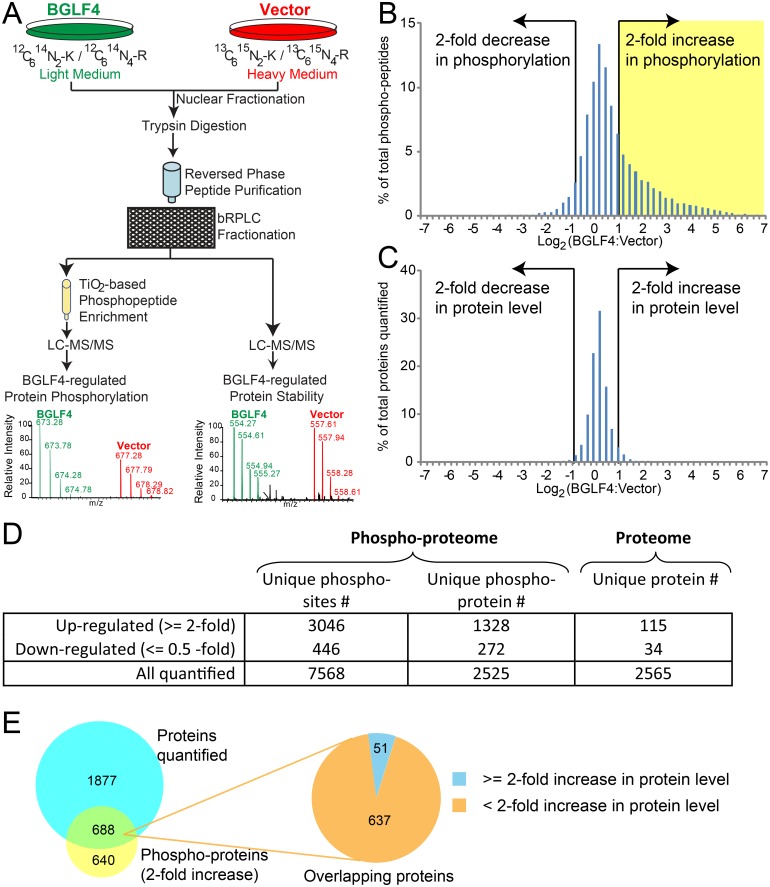
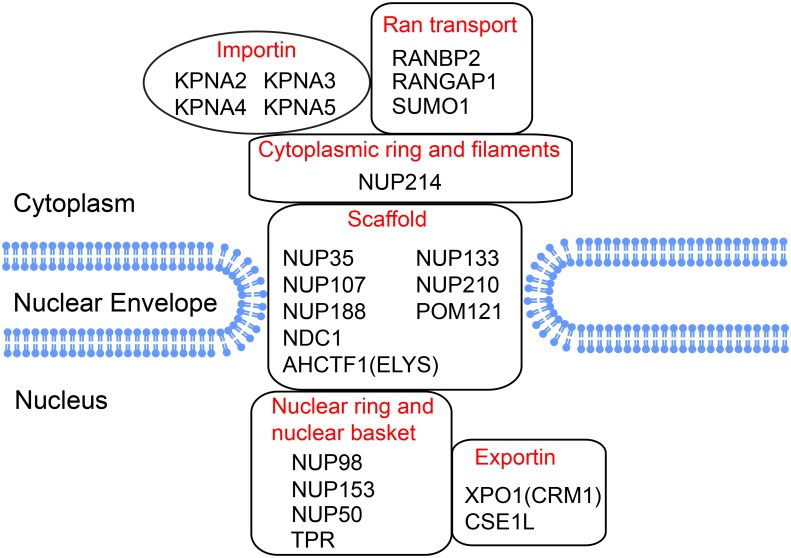
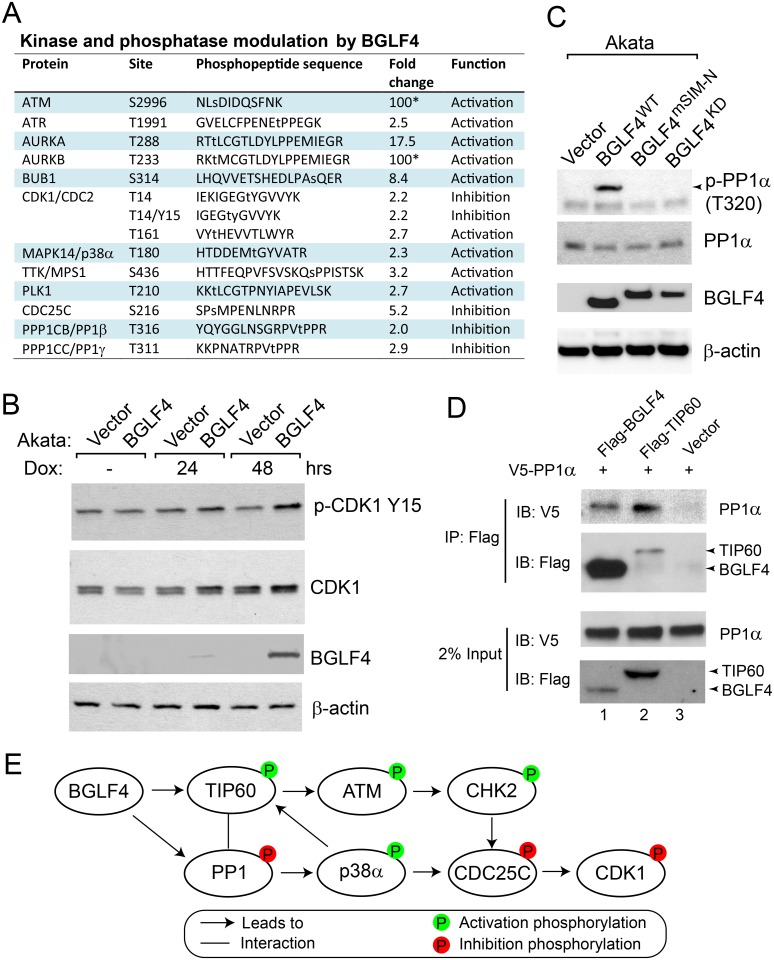
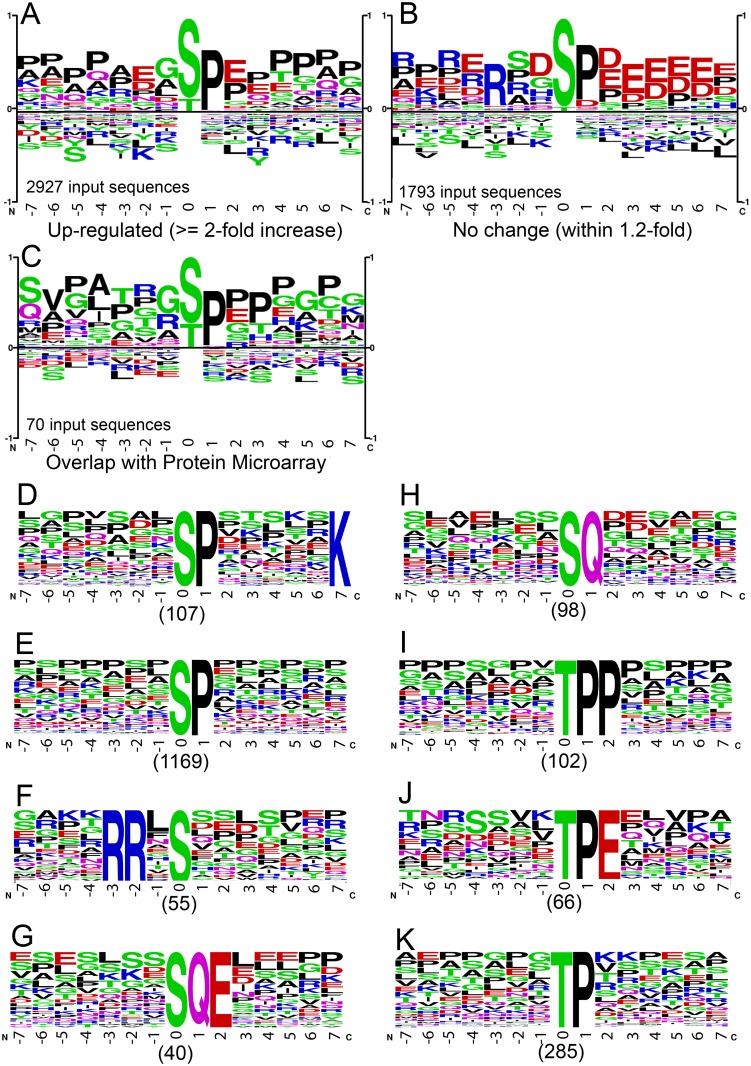
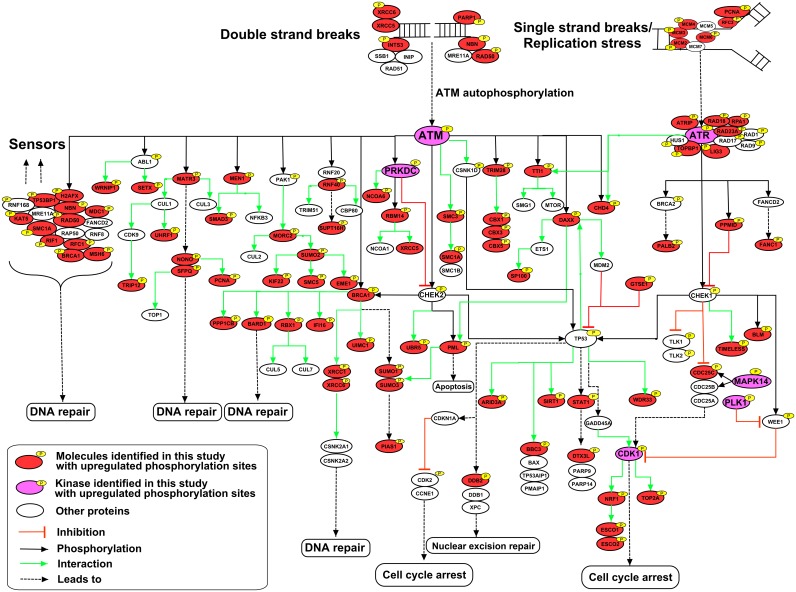
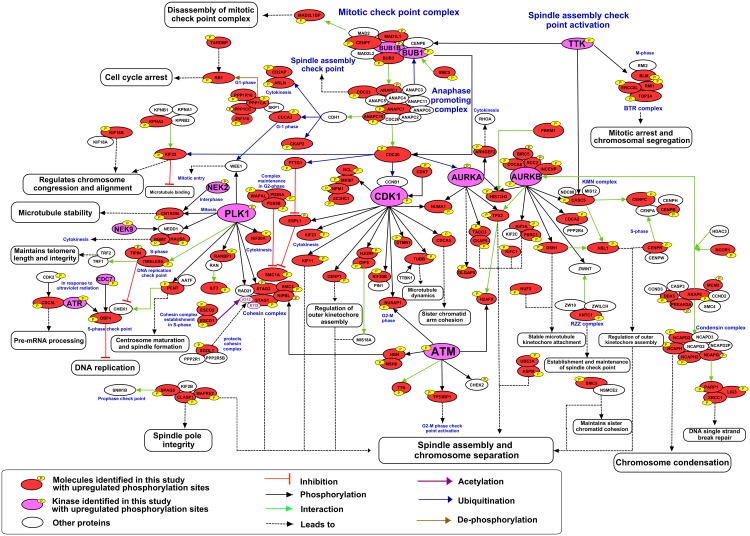
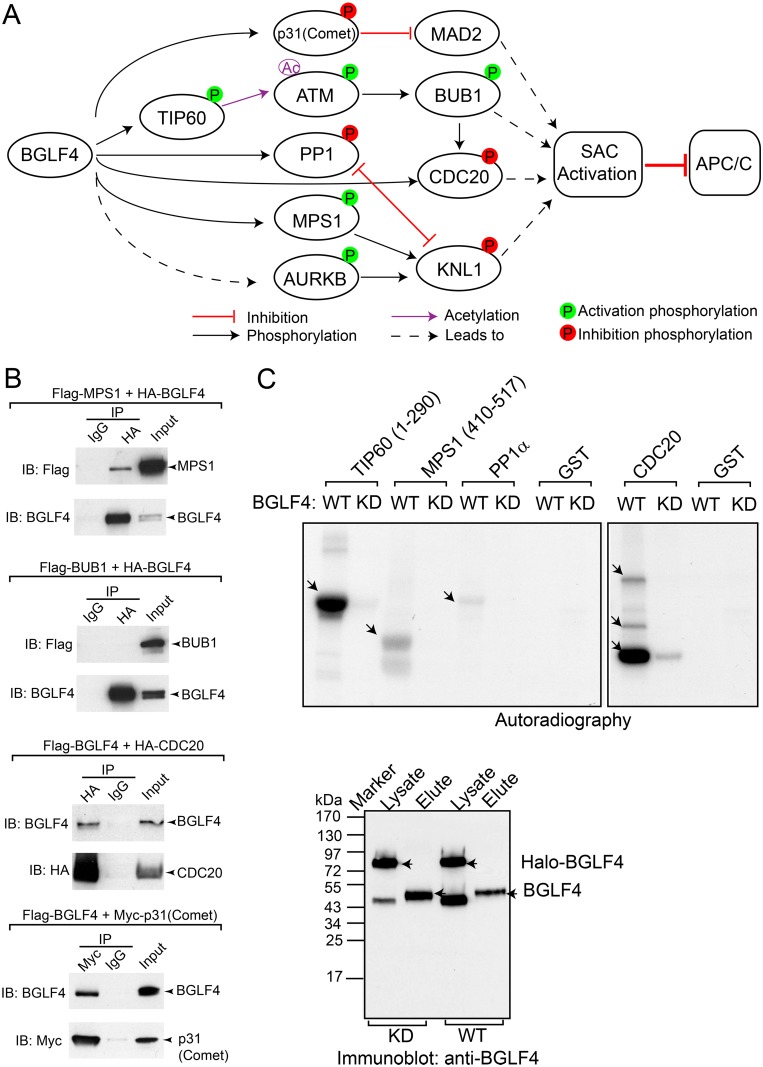
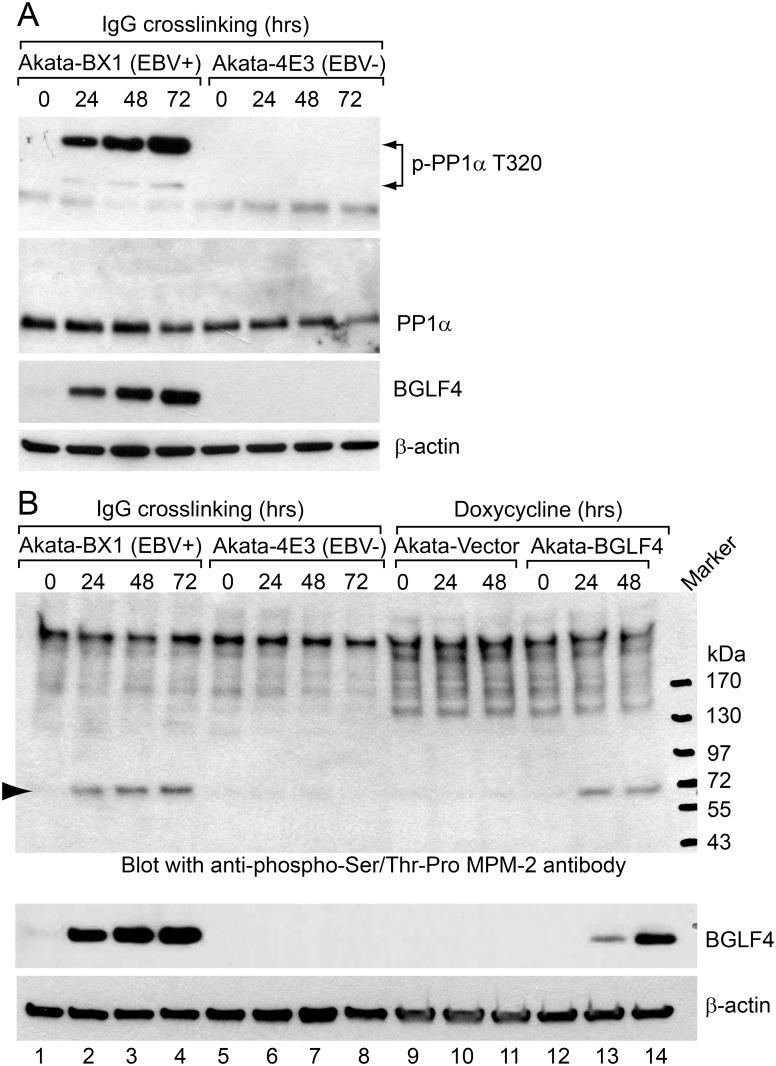
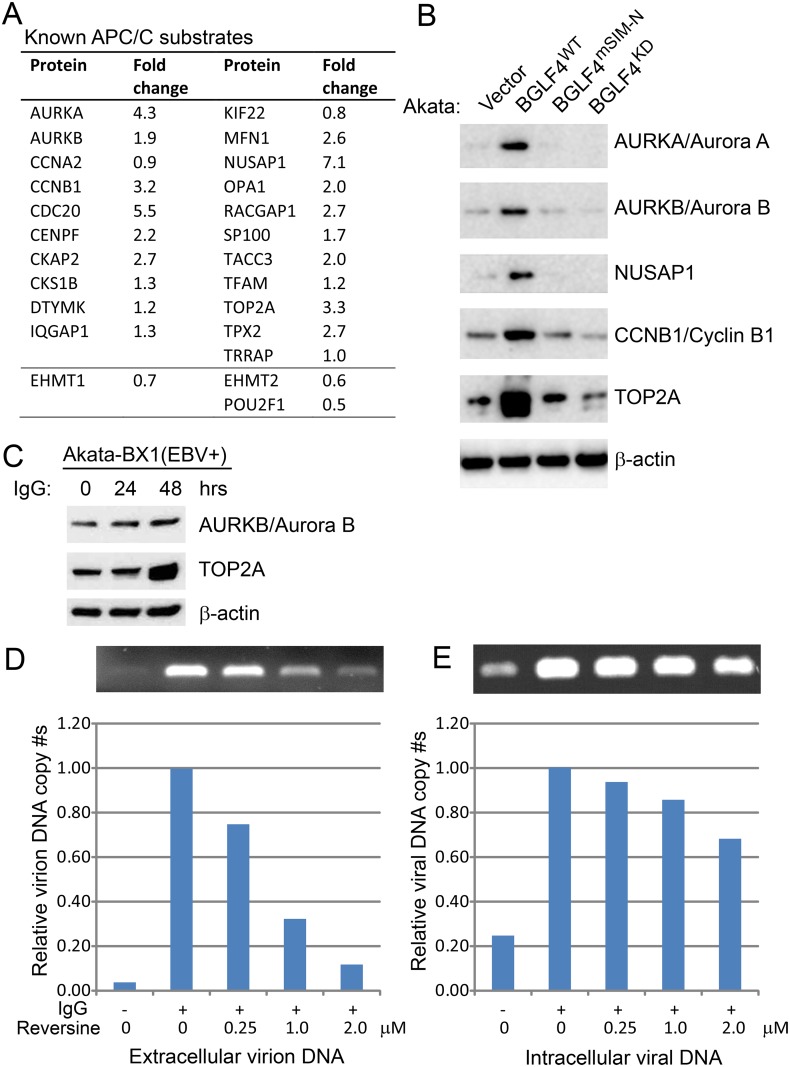
Epstein-Barr virus (EBV) is etiologically linked to infectious mononucleosis and several human cancers. EBV encodes a conserved protein kinase BGLF4 that plays a key role in the viral life cycle. To provide new insight into the host proteins regulated by BGLF4, we utilized stable isotope labeling by amino acids in cell culture (SILAC)-based quantitative proteomics to compare site-specific phosphorylation in BGLF4-expressing Akata B cells. Our analysis revealed BGLF4-mediated hyperphosphorylation of 3,046 unique sites corresponding to 1,328 proteins. Frequency analysis of these phosphosites revealed a proline-rich motif signature downstream of BGLF4, indicating a broader substrate recognition for BGLF4 than its cellular ortholog cyclin-dependent kinase 1 (CDK1). Further, motif analysis of the hyperphosphorylated sites revealed enrichment in ATM, ATR and Aurora kinase substrates while functional analyses revealed significant enrichment of pathways related to the DNA damage response (DDR), mitosis and cell cycle. Phosphorylation of proteins associated with the mitotic spindle assembly checkpoint (SAC) indicated checkpoint activation, an event that inactivates the anaphase promoting complex/cyclosome, APC/C. Furthermore, we demonstrated that BGLF4 binds to and directly phosphorylates the key cellular proteins PP1, MPS1 and CDC20 that lie upstream of SAC activation and APC/C inhibition. Consistent with APC/C inactivation, we found that BGLF4 stabilizes the expression of many known APC/C substrates. We also noted hyperphosphorylation of 22 proteins associated the nuclear pore complex, which may contribute to nuclear pore disassembly and SAC activation. A drug that inhibits mitotic checkpoint activation also suppressed the accumulation of extracellular EBV virus. Taken together, our data reveal that, in addition to the DDR, manipulation of mitotic kinase signaling and SAC activation are mechanisms associated with lytic EBV replication. All MS data have been deposited in the ProteomeXchange with identifier PXD002411 (http://proteomecentral.proteomexchange.org/dataset/PXD002411).
爱泼斯坦-巴尔病毒(EBV)在病因上与传染性单核细胞增多症和几种人类癌症相关。EBV编码一种保守的蛋白激酶BGLF4,其在病毒生命周期中起关键作用。为了深入了解受BGLF4调控的宿主蛋白,我们利用基于细胞培养中氨基酸稳定同位素标记(SILAC)的定量蛋白质组学,比较表达BGLF4的赤羽病B细胞中的位点特异性磷酸化。我们的分析揭示了BGLF4介导的3046个独特位点的超磷酸化,这些位点对应于1328种蛋白质。对这些磷酸化位点的频率分析揭示了BGLF4下游富含脯氨酸的基序特征,表明BGLF4比其细胞同源物细胞周期蛋白依赖性激酶1(CDK1)具有更广泛的底物识别能力。此外,对超磷酸化位点的基序分析揭示了ATM、ATR和极光激酶底物的富集,而功能分析揭示了与DNA损伤反应(DDR)、有丝分裂和细胞周期相关的通路的显著富集。与有丝分裂纺锤体组装检查点(SAC)相关的蛋白质的磷酸化表明检查点激活,这一事件会使后期促进复合物/环体(APC/C)失活。此外,我们证明BGLF4与位于SAC激活和APC/C抑制上游的关键细胞蛋白PP1、MPS1和CDC20结合并直接使其磷酸化。与APC/C失活一致,我们发现BGLF4稳定了许多已知APC/C底物的表达。我们还注意到与核孔复合体相关的22种蛋白质的超磷酸化,这可能有助于核孔解体和SAC激活。一种抑制有丝分裂检查点激活的药物也抑制了细胞外EBV病毒的积累。综上所述,我们的数据表明,除了DDR之外,操纵有丝分裂激酶信号传导和SAC激活是与EBV裂解复制相关的机制。所有质谱数据已存入ProteomeXchange,标识符为PXD002411(http://proteomecentral.proteomexchange.org/dataset/PXD002411)。