Zhang Chunhua, Li Yunyun, Tang Weina, Zhou Zhiguo, Sun Pingping, Ma Zhiqiang
School of Computer Science and Information Technology, Northeast Normal University, Changchun 130117, China.
Protein Pept Lett. 2016;23(2):132-41. doi: 10.2174/0929866523666151230124538.
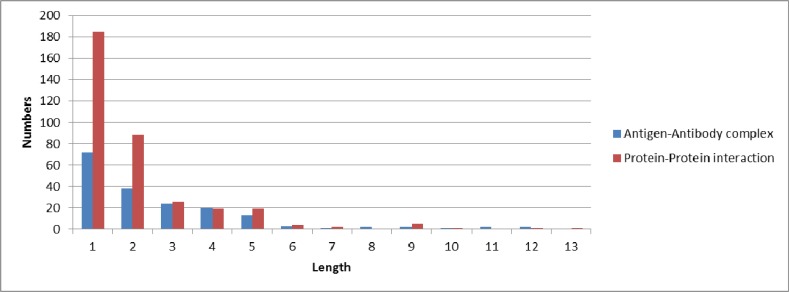
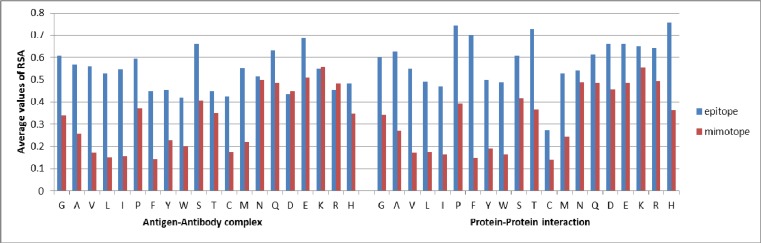
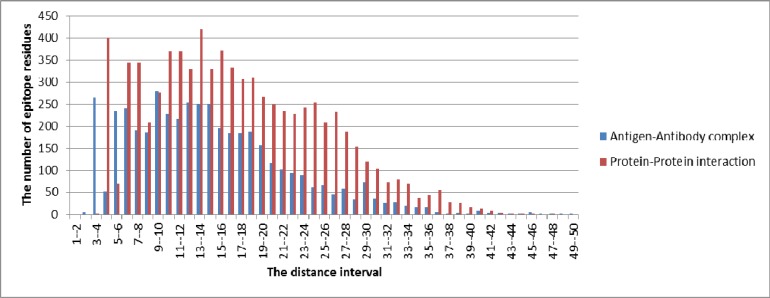
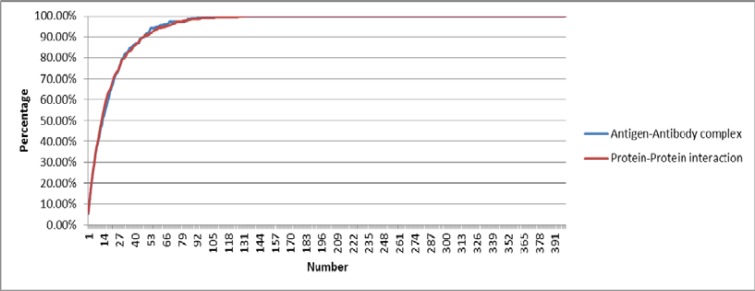
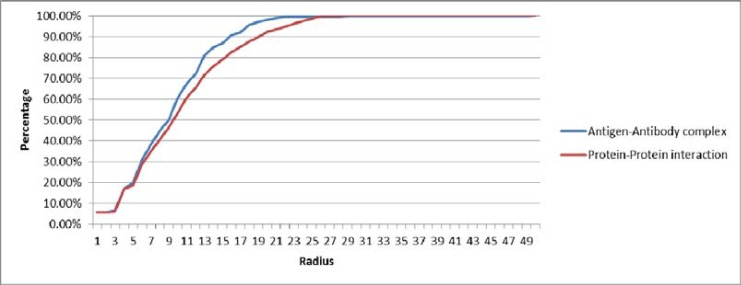
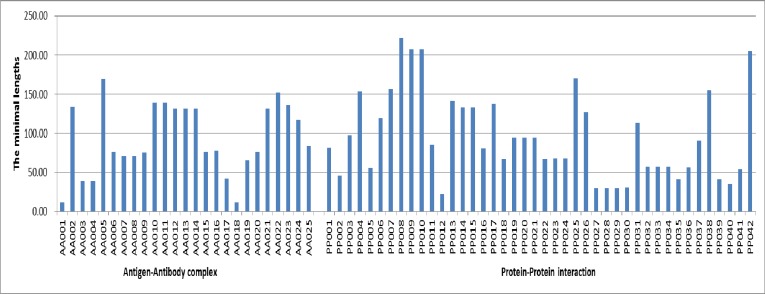
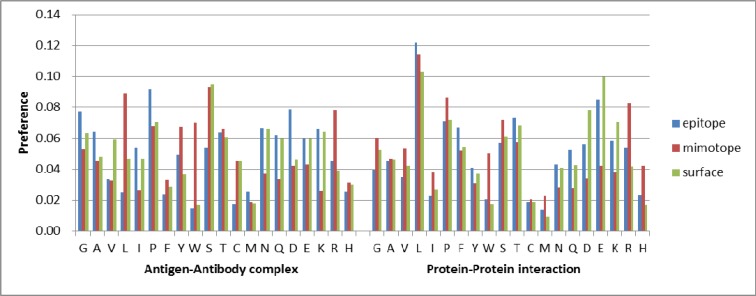
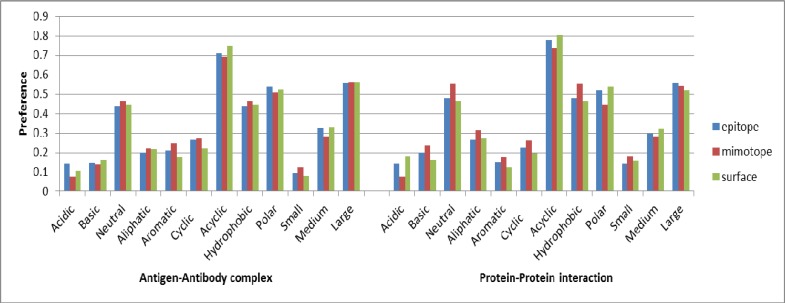
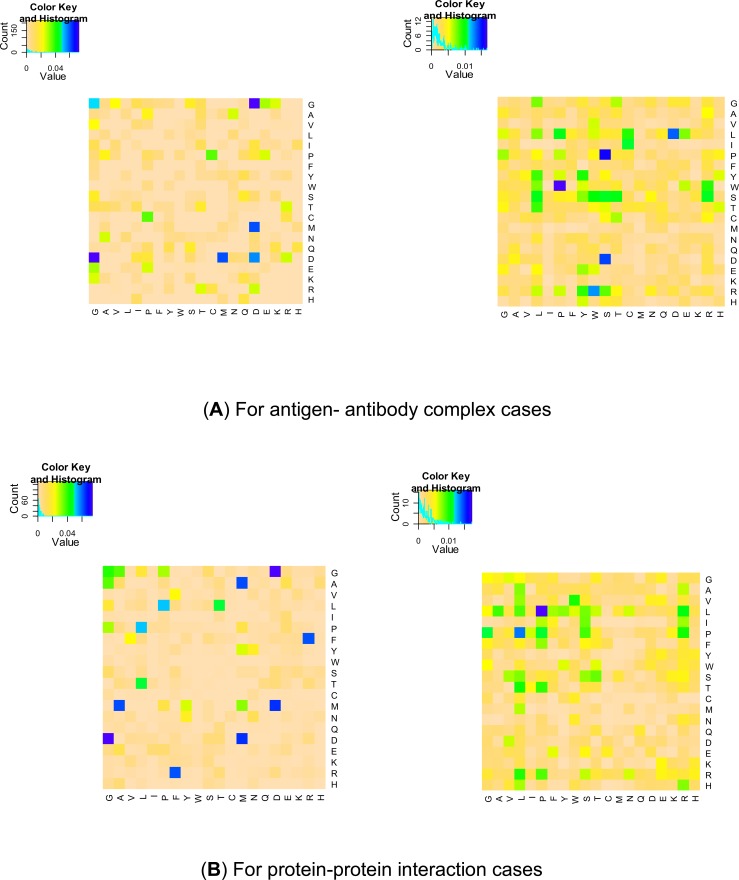
B-cell epitope is a group of residues which is on the surface of an antigen. It invokes humoral responses. Locating B-cell epitope is important for effective vaccine design, and the development of diagnostic reagents. Mimotope-based B-cell epitope prediction method is a kind of conformational B-cell epitope prediction, and the core idea of the method is mapping the mimotope sequences which are obtained from a random phage display library. However, current mimotope-based B-cell epitope prediction methods cannot maintain a high degree of satisfaction in the circumstances of employing only mimotope sequences. In this study, we did a multi-perspective analysis on parameters for conformational B-cell epitopes and characteristics between epitope and mimotope on a benchmark datasets which contains 67 mimotope sets, corresponding to 40 unique complex structures. In these 67 cases, there are 25 antigen-antibody complexes and 42 protein-protein interactions. We analyzed the two parts separately. The results showed the mimotope sequences do have some epitope features, but there are also some epitope properties that mimotope sequences do not contain. In addition, the numbers of epitope segments with different lengths were obviously different between the antigen-antibody complexes and the protein-protein interactions. This study reflects how similar do mimotope sequence and genuine epitopes have; and evaluates existing mimotope-based B-cell epitope prediction methods from a novel viewpoint.
B细胞表位是位于抗原表面的一组残基。它引发体液免疫反应。定位B细胞表位对于有效的疫苗设计和诊断试剂的开发很重要。基于模拟表位的B细胞表位预测方法是一种构象性B细胞表位预测方法,该方法的核心思想是对从随机噬菌体展示文库中获得的模拟表位序列进行映射。然而,当前基于模拟表位的B细胞表位预测方法在仅使用模拟表位序列的情况下不能保持高度的满意度。在本研究中,我们对包含67个模拟表位集(对应于40个独特的复杂结构)的基准数据集上的构象性B细胞表位参数以及表位与模拟表位之间的特征进行了多视角分析。在这67个案例中,有25个抗原-抗体复合物和42个蛋白质-蛋白质相互作用。我们分别对这两部分进行了分析。结果表明,模拟表位序列确实具有一些表位特征,但也存在一些模拟表位序列不具备的表位特性。此外,抗原-抗体复合物和蛋白质-蛋白质相互作用之间不同长度表位片段的数量明显不同。本研究反映了模拟表位序列与真实表位的相似程度;并从一个新的视角评估了现有的基于模拟表位的B细胞表位预测方法。