Bhutia Yangzom D, Ganapathy Vadivel
Department of Cell Biology and Biochemistry, Texas Tech University Health Sciences Center, Lubbock, TX 79430, USA.
Department of Cell Biology and Biochemistry, Texas Tech University Health Sciences Center, Lubbock, TX 79430, USA.
Biochim Biophys Acta. 2016 Oct;1863(10):2531-9. doi: 10.1016/j.bbamcr.2015.12.017. Epub 2015 Dec 24.
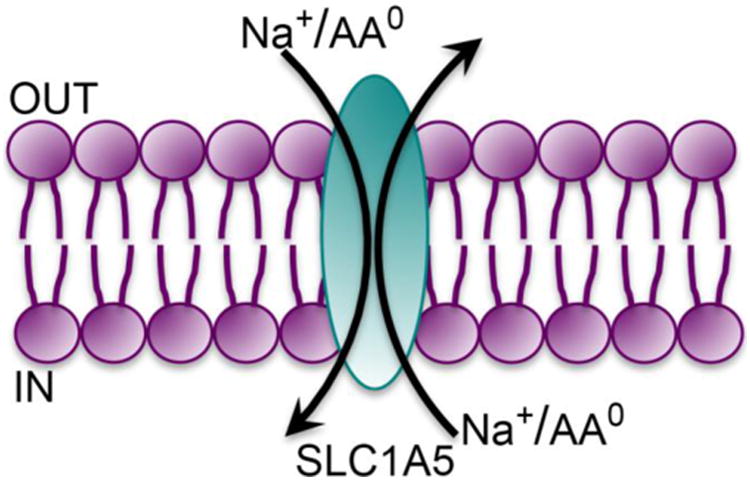
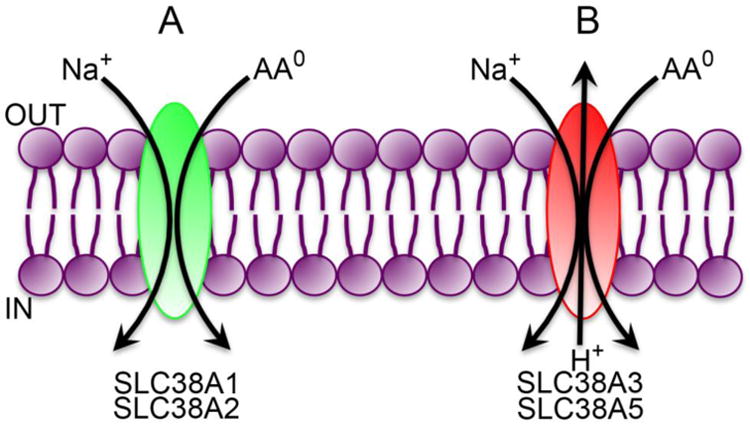
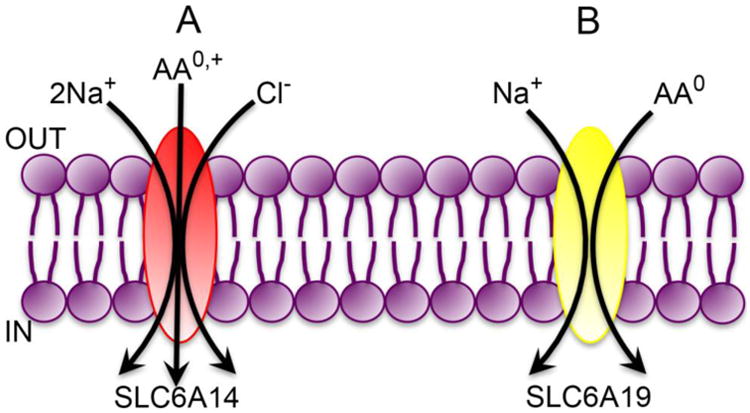
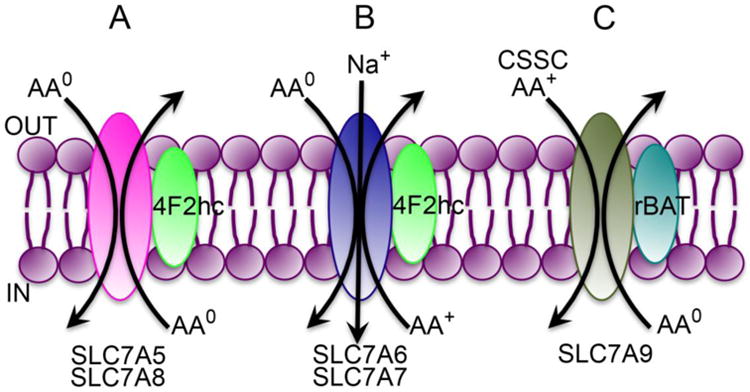
The SLC (solute carrier)-type transporters (~400 in number) in mammalian cells consist of 52 distinct gene families, grouped solely based on the amino acid sequence (primary structure) of the transporter proteins and not on their transport function. Among them are the transporters for amino acids. Fourteen of them, capable of transporting glutamine across the plasma membrane, are found in four families: SLC1, SLC6, SLC7, and SLC38. However, it is generally thought that the members of the SLC38 family are the principal transporters for glutamine. Some of the glutamine transporters are obligatory exchangers whereas some function as active transporters in one direction. While most glutamine transporters mediate the influx of the amino acid into cells, some actually mediate the efflux of the amino acid out of the cells. Glutamine transporters play important roles in a variety of tissues, including the liver, brain, kidney, and placenta, as clearly evident from the biological and biochemical phenotypes resulting from the deletion of specific glutamine transporters in mice. Owing to the obligatory role of glutamine in growth and proliferation of tumor cells, there is increasing attention on glutamine transporters in cancer biology as potential drug targets for cancer treatment. Selective blockers of certain glutamine transporters might be effective in preventing the entry of glutamine and other important amino acids into tumor cells, thus essentially starving these cells to death. This could represent the beginning of a new era in the discovery of novel anticancer drugs with a previously unexplored mode of action. This article is part of a Special Issue entitled: Mitochondrial Channels edited by Pierre Sonveaux, Pierre Maechler and Jean-Claude Martinou.
哺乳动物细胞中的溶质载体(SLC)型转运蛋白(约400种)由52个不同的基因家族组成,这些家族仅根据转运蛋白的氨基酸序列(一级结构)进行分类,而非基于其转运功能。其中包括氨基酸转运蛋白。在四个家族(SLC1、SLC6、SLC7和SLC38)中发现了14种能够跨质膜转运谷氨酰胺的转运蛋白。然而,一般认为SLC38家族的成员是谷氨酰胺的主要转运蛋白。一些谷氨酰胺转运蛋白是 obligatory 交换体,而一些则在一个方向上作为主动转运蛋白发挥作用。虽然大多数谷氨酰胺转运蛋白介导氨基酸流入细胞,但有些实际上介导氨基酸流出细胞。谷氨酰胺转运蛋白在包括肝脏、大脑、肾脏和胎盘在内的多种组织中发挥重要作用,这从敲除小鼠特定谷氨酰胺转运蛋白所产生的生物学和生化表型中可明显看出。由于谷氨酰胺在肿瘤细胞生长和增殖中的 obligatory 作用,癌症生物学中对谷氨酰胺转运蛋白作为癌症治疗潜在药物靶点的关注日益增加。某些谷氨酰胺转运蛋白的选择性阻滞剂可能有效阻止谷氨酰胺和其他重要氨基酸进入肿瘤细胞,从而使这些细胞基本饿死。这可能代表着发现具有前所未有的作用模式的新型抗癌药物新时代的开始。本文是由皮埃尔·松沃、皮埃尔·梅克勒和让 - 克洛德·马蒂诺编辑的名为《线粒体通道》的特刊的一部分。
原文中“obligatory”未找到完全匹配的准确中文释义,暂保留英文,你可根据实际情况进一步调整。