Department of Physiology, Keio University School of Medicine, 35 Shinanomachi, Shinjuku-ku, Tokyo 160-8582, Japan; Department of Orthopaedic Surgery, Keio University School of Medicine, 35 Shinanomachi, Shinjuku-ku, Tokyo 160-8582, Japan.
Department of Orthopaedic Surgery, Keio University School of Medicine, 35 Shinanomachi, Shinjuku-ku, Tokyo 160-8582, Japan.
Stem Cell Reports. 2016 Jan 12;6(1):1-8. doi: 10.1016/j.stemcr.2015.11.013. Epub 2015 Dec 24.
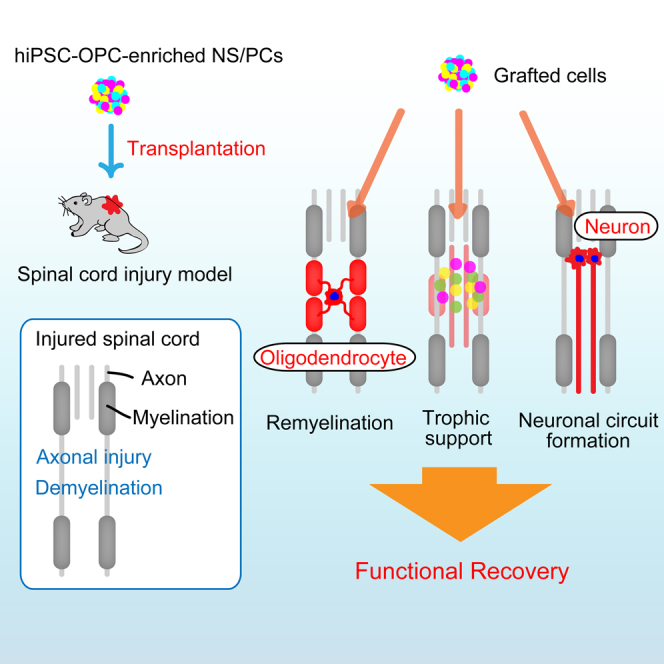
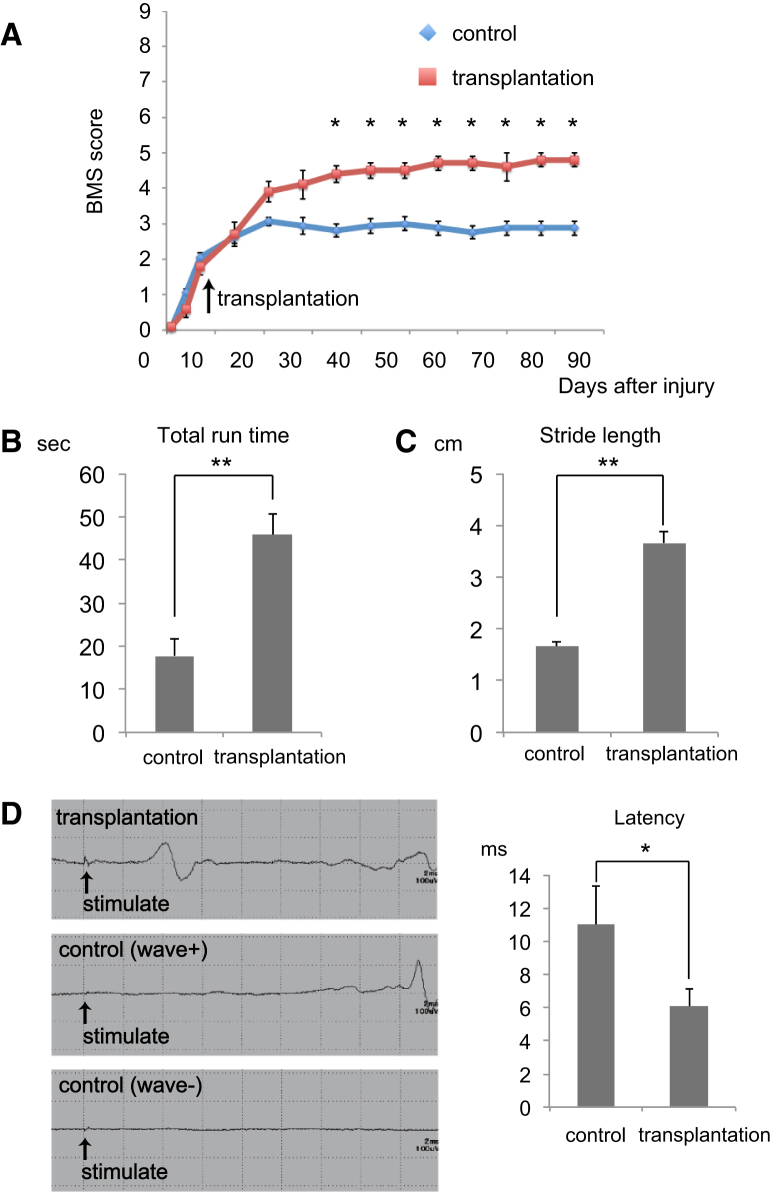
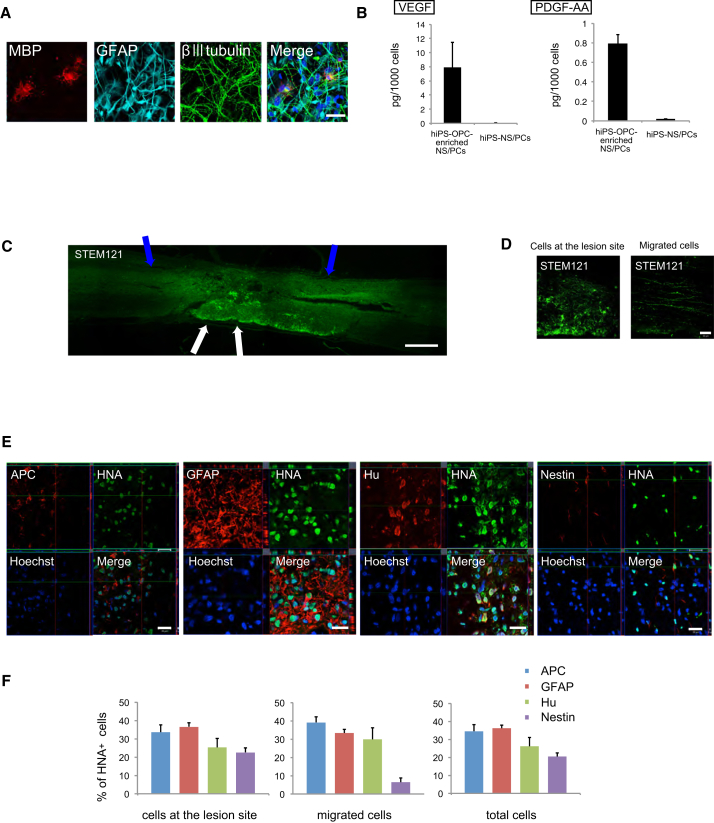
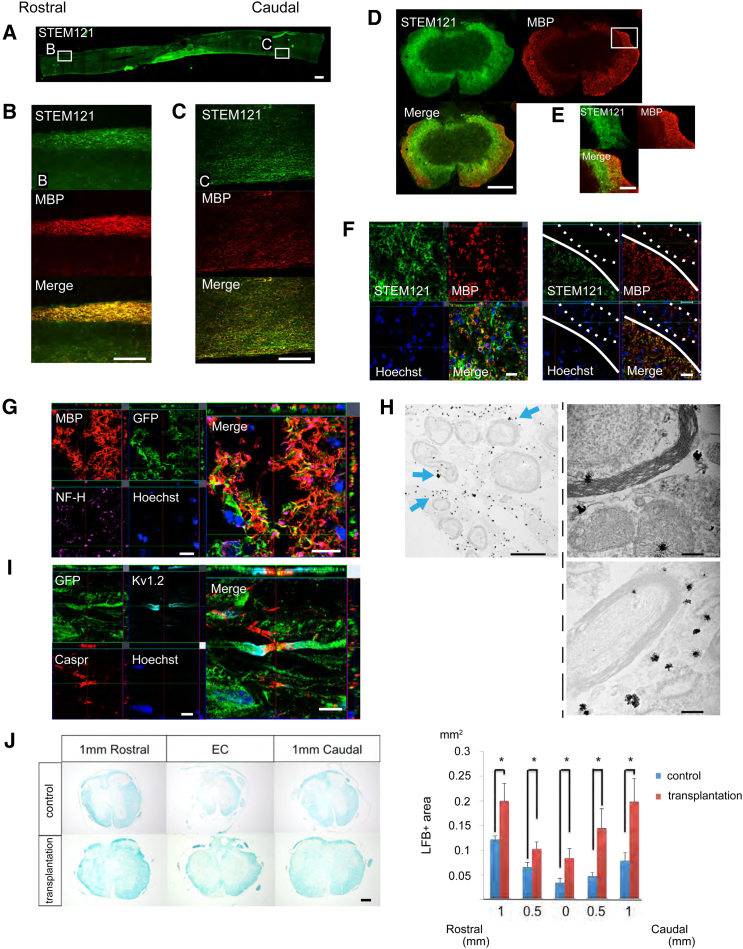
Murine- and human-induced pluripotent stem cell-derived neural stem/progenitor cells (iPSC-NS/PCs) promote functional recovery following transplantation into the injured spinal cord in rodents and primates. Although remyelination of spared demyelinated axons is a critical mechanism in the regeneration of the injured spinal cord, human iPSC-NS/PCs predominantly differentiate into neurons both in vitro and in vivo. We therefore took advantage of our recently developed protocol to obtain human-induced pluripotent stem cell-derived oligodendrocyte precursor cell-enriched neural stem/progenitor cells and report the benefits of transplanting these cells in a spinal cord injury (SCI) model. We describe how this approach contributes to the robust remyelination of demyelinated axons and facilitates functional recovery after SCI.
鼠源和人源诱导多能干细胞衍生的神经干细胞/祖细胞(iPSC-NS/PCs)在啮齿动物和灵长类动物的损伤脊髓移植后促进功能恢复。尽管少突胶质细胞髓鞘再生是损伤脊髓再生的关键机制,但人 iPSC-NS/PCs 在体外和体内主要分化为神经元。因此,我们利用我们最近开发的方案获得人诱导多能干细胞衍生的少突胶质前体细胞富集的神经干细胞/祖细胞,并报告在脊髓损伤(SCI)模型中移植这些细胞的益处。我们描述了这种方法如何有助于脱髓鞘轴突的强烈髓鞘再生,并促进 SCI 后的功能恢复。