Braquart-Varnier Christine, Raimond Maryline, Mappa Gaëtan, Chevalier Frédéric D, Le Clec'h Winka, Sicard Mathieu
CNRS UMR 7267, Laboratoire Ecologie et Biologie des Interactions, Université de Poitiers Poitiers, France.
Genetics Department, Texas Biomedical Research Institute, San Antonio TX, USA.
Front Microbiol. 2015 Dec 18;6:1424. doi: 10.3389/fmicb.2015.01424. eCollection 2015.
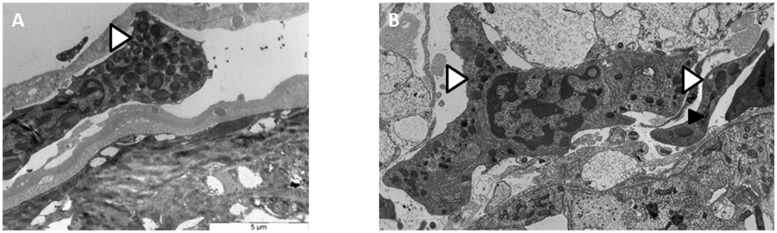
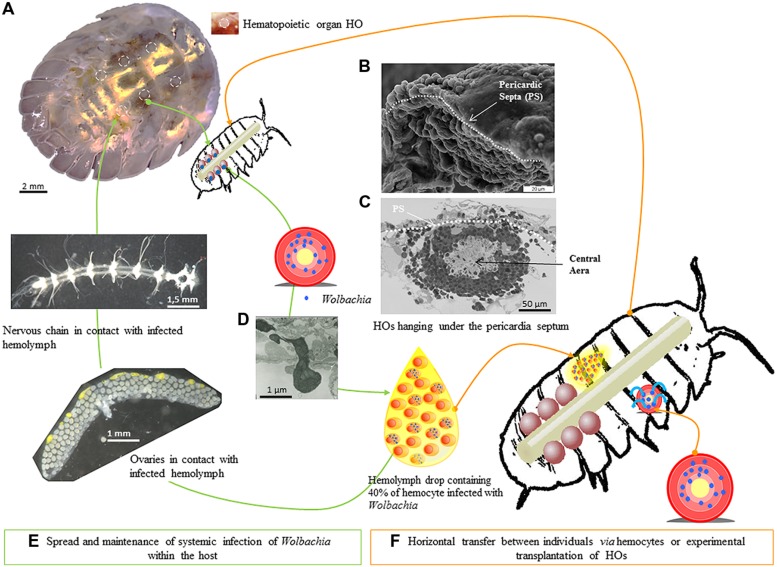
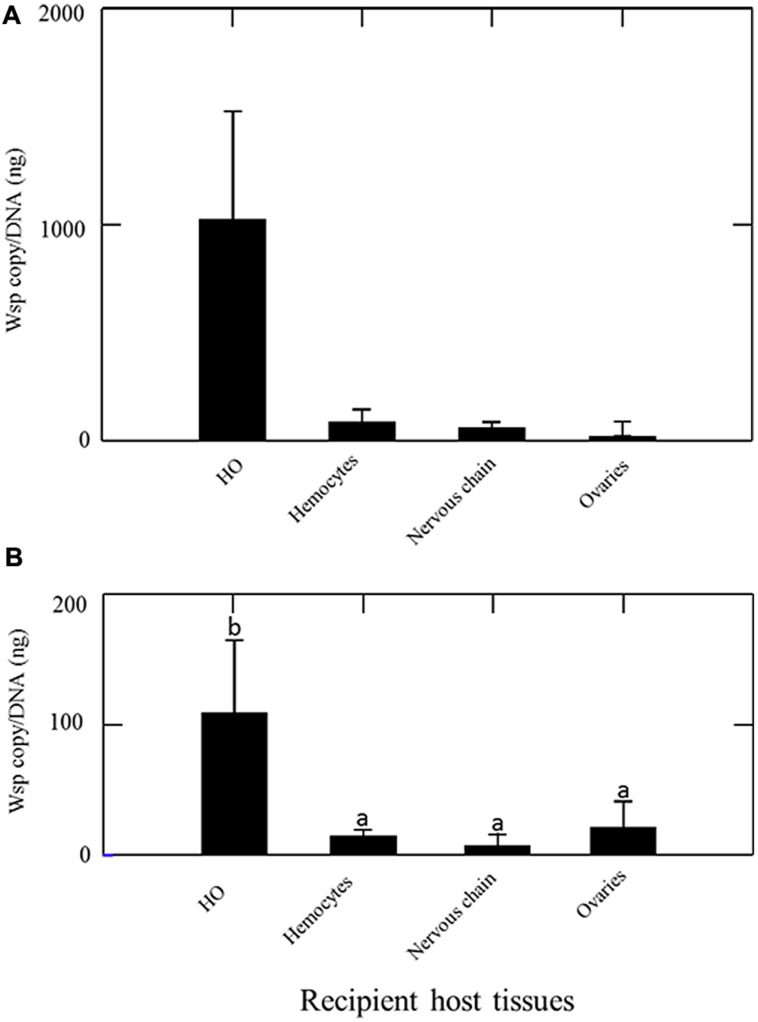
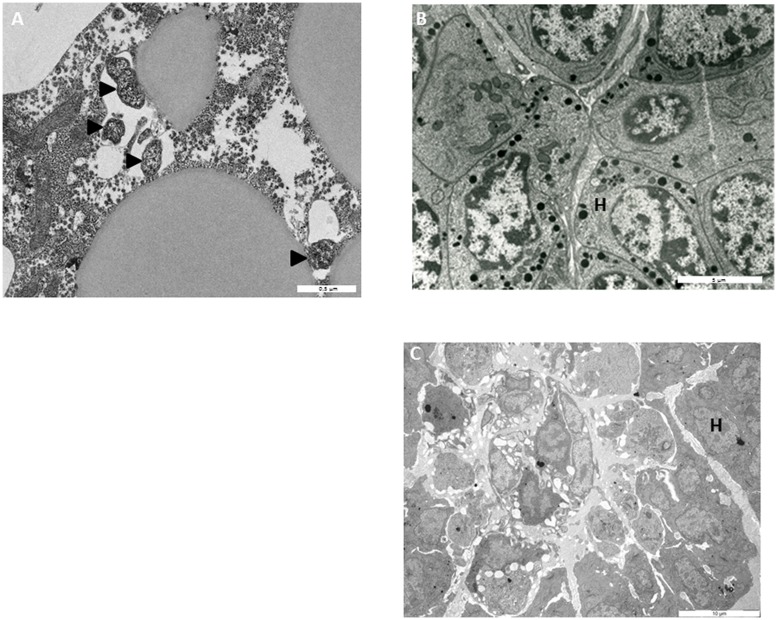
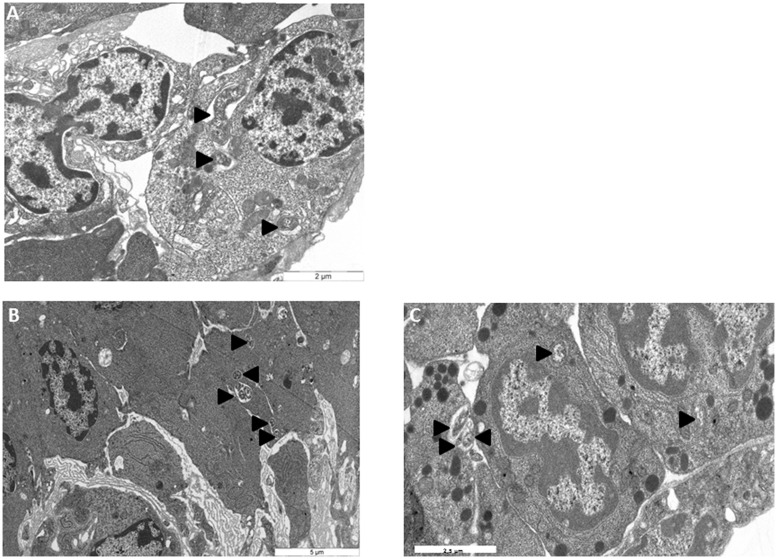
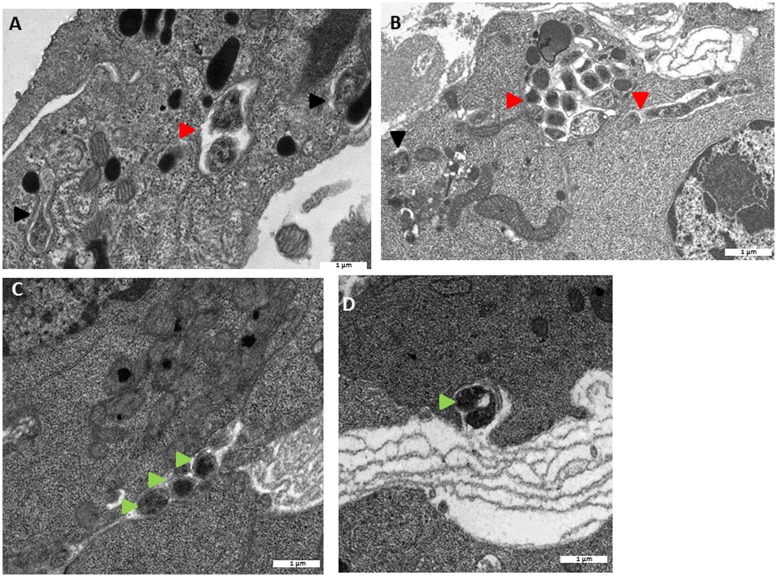
Wolbachia is an intracellular α-proteobacterium which is transmitted vertically from mother to offspring but also frequently switches horizontally from one host to another. Our hypothesis is based on the role of immune cells and the organs that produce them, the hematopoietic organs (HOs), as primordial niches for the propagation of Wolbachia via hemocytes both (i) within hosts: to initiate and maintain the systemic infection and (ii) between hosts: to promote both vertical and horizontal transmission of Wolbachia. Therefore, we review some fundamental ideas underlying this hypothesis and go further with new empirical data that lead to a first close-up analysis of the potential role of HOs in Wolbachia propagation. The monitoring of the first steps of Wolbachia infection in horizontally infected host organs by transmission electron microscopy and qPCR suggests that (i) HOs are colonized early and extensively as soon as they are in contact with Wolbachia which find in these cells a favorable niche to multiply and (ii) infected HOs which expel hemocytes all lifelong can generate and maintain a systemic infection that could contribute to increase both vertical and horizontal propagation of these symbionts.
沃尔巴克氏体是一种细胞内α-变形菌,它既可以从母体垂直传播给后代,也经常在不同宿主之间频繁地进行水平转移。我们的假设基于免疫细胞以及产生免疫细胞的器官——造血器官(HOs)的作用,它们作为沃尔巴克氏体通过血细胞进行传播的原始生态位,在两个方面发挥作用:(i)在宿主体内:启动并维持全身感染;(ii)在宿主之间:促进沃尔巴克氏体的垂直和水平传播。因此,我们回顾了这一假设背后的一些基本观点,并进一步结合新的实验数据,首次对造血器官在沃尔巴克氏体传播中的潜在作用进行了详细分析。通过透射电子显微镜和定量聚合酶链反应(qPCR)对水平感染宿主器官中沃尔巴克氏体感染初期步骤的监测表明:(i)造血器官一旦与沃尔巴克氏体接触,就会早期且广泛地被定殖,沃尔巴克氏体在这些细胞中找到了繁殖的有利生态位;(ii)终生排出血细胞的受感染造血器官能够引发并维持全身感染,这可能有助于增加这些共生体的垂直传播和水平传播。