Barahimipour Rouhollah, Neupert Juliane, Bock Ralph
Max-Planck-Institut für Molekulare Pflanzenphysiologie, Am Mühlenberg 1, 14476, Potsdam-Golm, Germany.
Plant Mol Biol. 2016 Mar;90(4-5):403-18. doi: 10.1007/s11103-015-0425-8. Epub 2016 Jan 8.
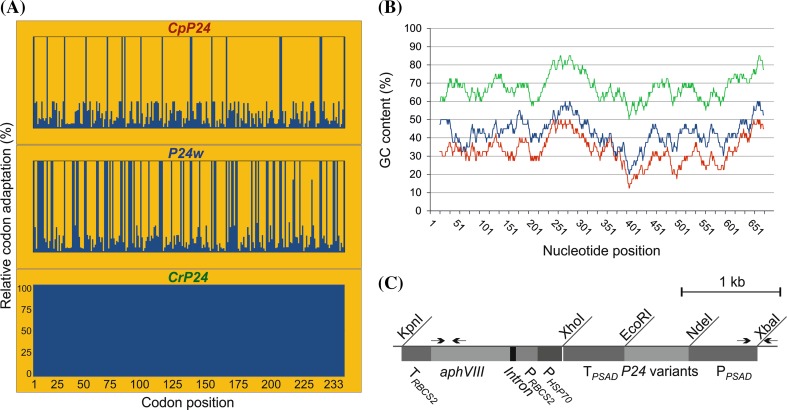
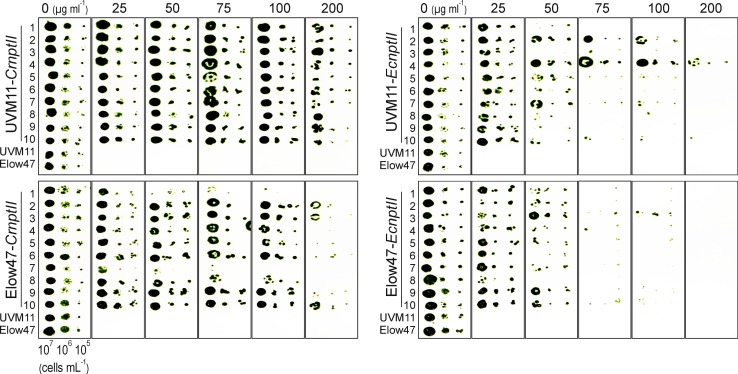
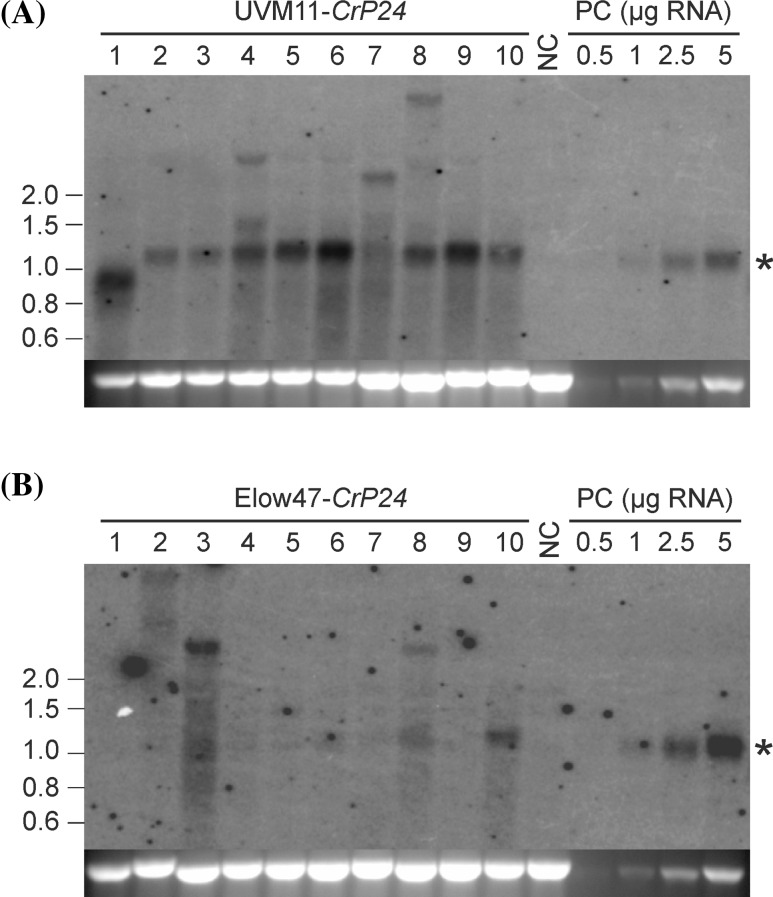
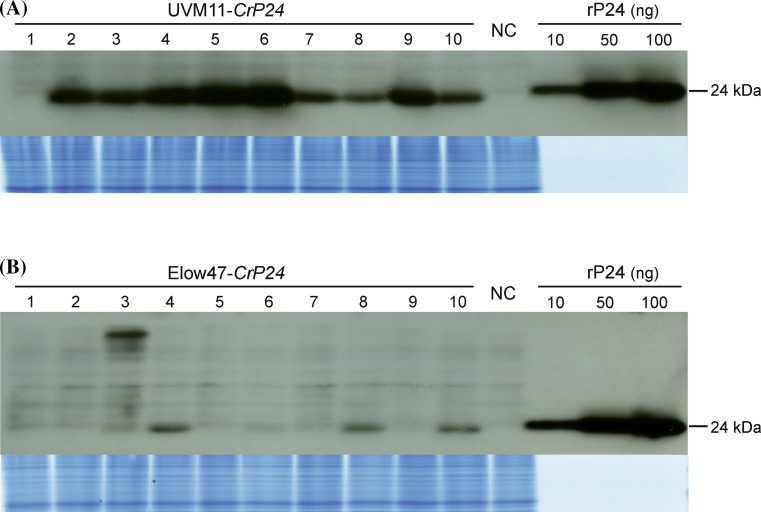
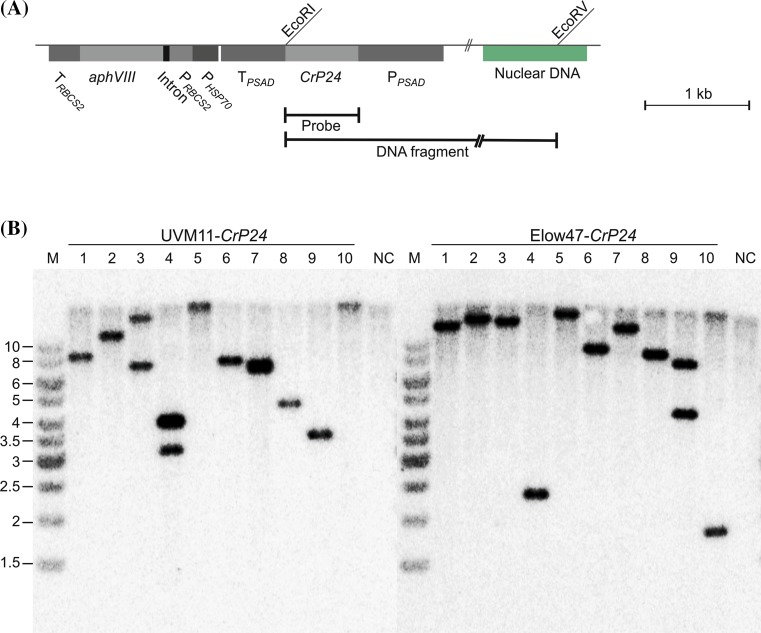
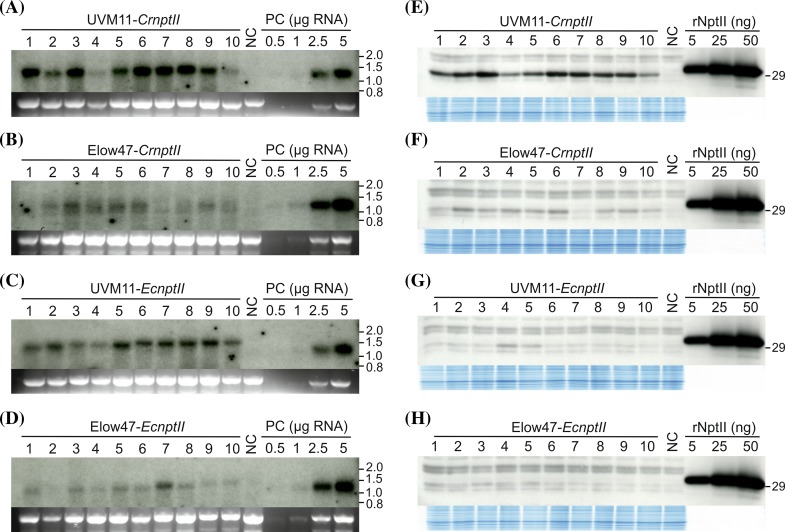
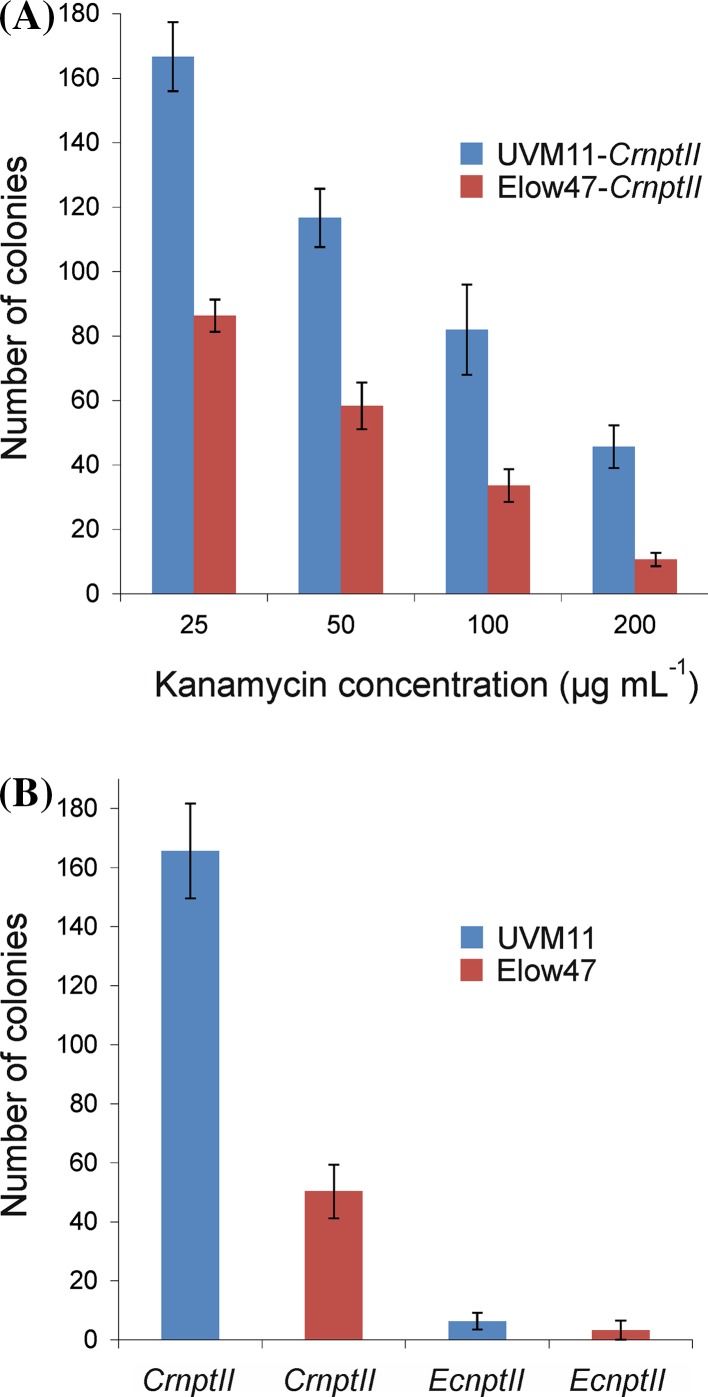
The unicellular green alga Chlamydomonas reinhardtii has become an invaluable model system in plant biology. There is also considerable interest in developing this microalga into an efficient production platform for biofuels, pharmaceuticals, green chemicals and industrial enzymes. However, the production of foreign proteins in the nucleocytosolic compartment of Chlamydomonas is greatly hampered by the inefficiency of transgene expression from the nuclear genome. We have recently addressed this limitation by isolating mutant algal strains that permit high-level transgene expression and by determining the contributions of GC content and codon usage to gene expression efficiency. Here we have applied these new tools and explored the potential of Chlamydomonas to produce a recombinant biopharmaceutical, the HIV antigen P24. We show that a codon-optimized P24 gene variant introduced into our algal expression strains give rise to recombinant protein accumulation levels of up to 0.25% of the total cellular protein. Moreover, in combination with an expression strain, a resynthesized nptII gene becomes a highly efficient selectable marker gene that facilitates the selection of transgenic algal clones at high frequency. By establishing simple principles of successful transgene expression, our data open up new possibilities for biotechnological research in Chlamydomonas.
单细胞绿藻莱茵衣藻已成为植物生物学中一个极其重要的模式系统。人们也对将这种微藻开发成用于生物燃料、药物、绿色化学品和工业酶的高效生产平台有着浓厚兴趣。然而,莱茵衣藻核细胞质区室中外源蛋白的产生受到核基因组中转基因表达效率低下的极大阻碍。我们最近通过分离允许高水平转基因表达的突变藻类菌株,并确定GC含量和密码子使用对基因表达效率的影响,解决了这一限制。在此,我们应用这些新工具,探索了莱茵衣藻生产重组生物药物HIV抗原P24的潜力。我们表明,引入我们藻类表达菌株中的密码子优化的P24基因变体可导致重组蛋白积累水平高达总细胞蛋白的0.25%。此外,与一个表达菌株相结合,重新合成的nptII基因成为一个高效的选择标记基因,有助于高频筛选转基因藻类克隆。通过确立成功转基因表达的简单原则,我们的数据为莱茵衣藻的生物技术研究开辟了新的可能性。