Weindling Paul, von Villiez Anna, Loewenau Aleksandra, Farron Nichola
Oxford Brookes University, History, Philosophy and Religion, Headington Campus, Oxford OX3 0BP, United Kingdom.
Independent Data Analyst.
Endeavour. 2016 Mar;40(1):1-6. doi: 10.1016/j.endeavour.2015.10.005. Epub 2015 Dec 31.
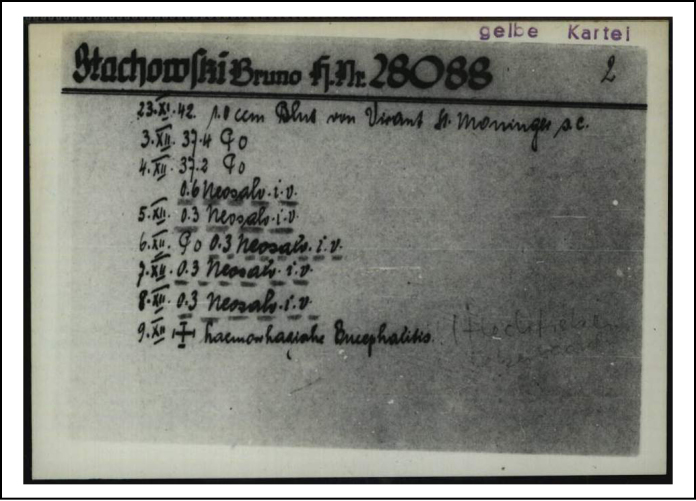
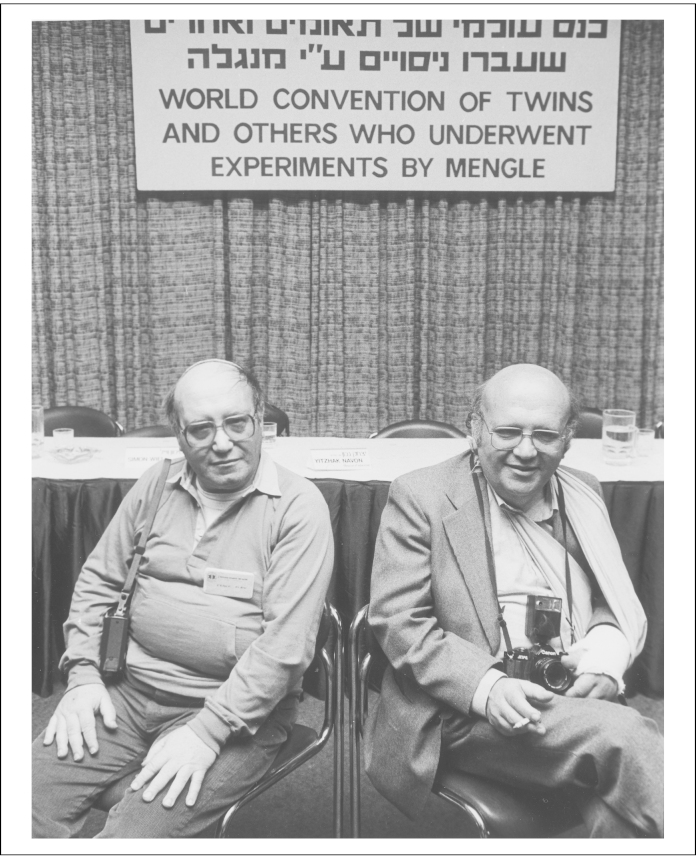
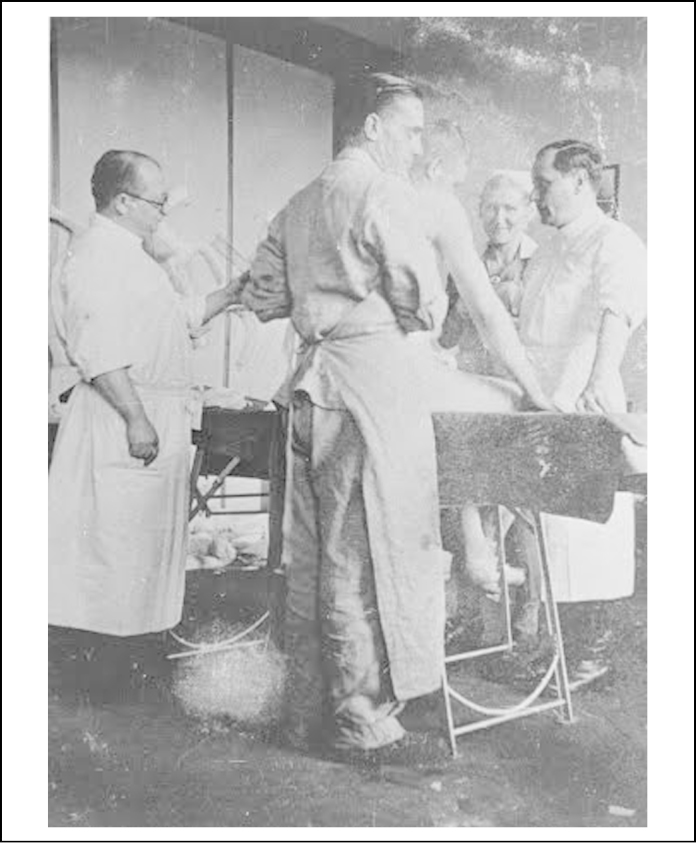
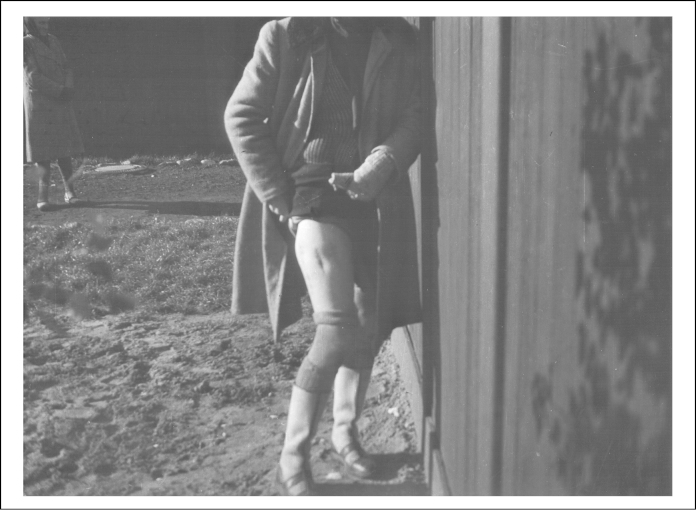
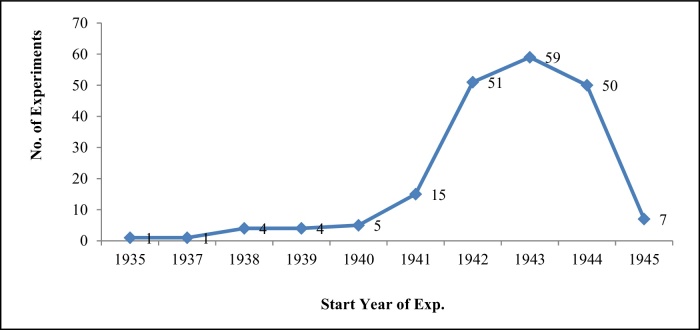
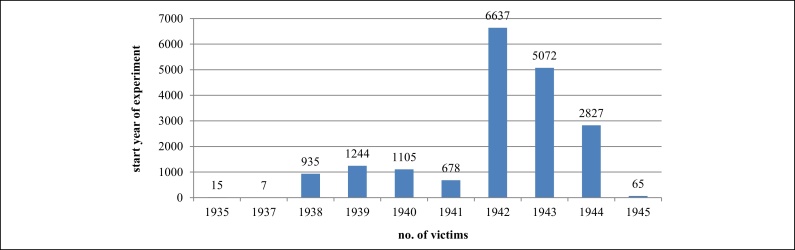
There has been no full evaluation of the numbers of victims of Nazi research, who the victims were, and of the frequency and types of experiments and research. This paper gives the first results of a comprehensive evidence-based evaluation of the different categories of victims. Human experiments were more extensive than often assumed with a minimum of 15,754 documented victims. Experiments rapidly increased from 1942, reaching a high point in 1943. The experiments remained at a high level of intensity despite imminent German defeat in 1945. There were more victims who survived than were killed as part of or as a result of the experiments, and the survivors often had severe injuries.
对于纳粹研究的受害者数量、受害者身份以及实验和研究的频率与类型,一直没有进行全面评估。本文给出了对不同类别受害者进行全面循证评估的初步结果。人体实验比通常认为的更为广泛,记录在案的受害者至少有15754人。实验从1942年开始迅速增加,在1943年达到顶峰。尽管1945年德国即将战败,但实验强度仍维持在较高水平。作为实验一部分或因实验而死亡的受害者少于幸存者,而且幸存者往往身负重伤。