Fernandez-Lozano Carlos, Seoane Jose A, Gestal Marcos, Gaunt Tom R, Dorado Julian, Pazos Alejandro, Campbell Colin
Information and Communication Technologies Department, Faculty of Computer Science, University of A Coruna, A Coruna, 15071, Spain.
Bristol Genetic Epidemiology Laboratories, School of Social and Community Medicine, University of Bristol, Bristol BS82BN, UK.
Sci Rep. 2016 Jan 13;6:19256. doi: 10.1038/srep19256.
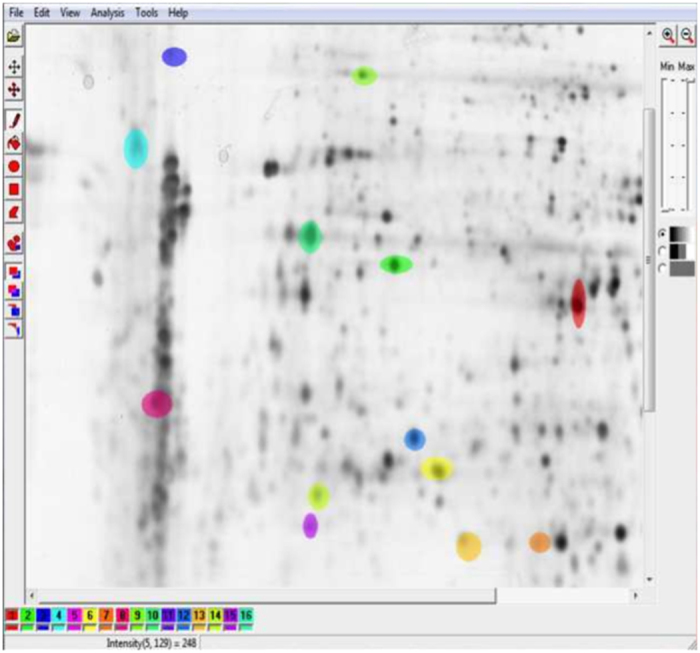
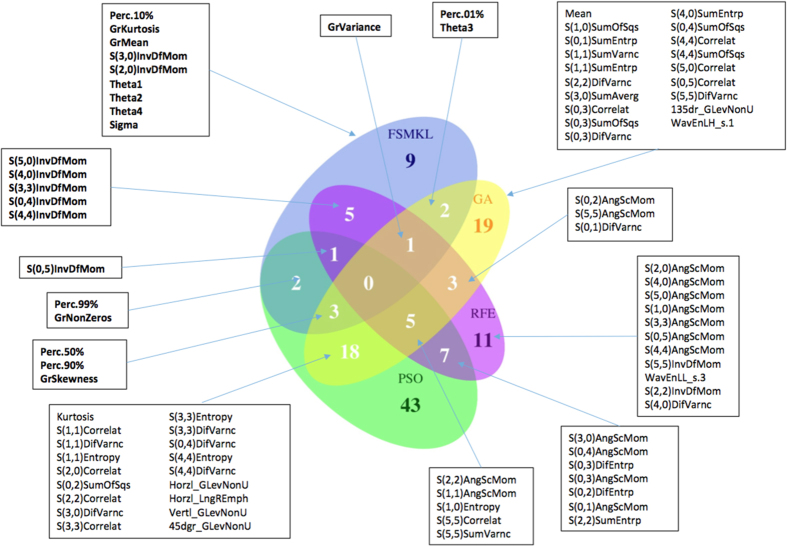
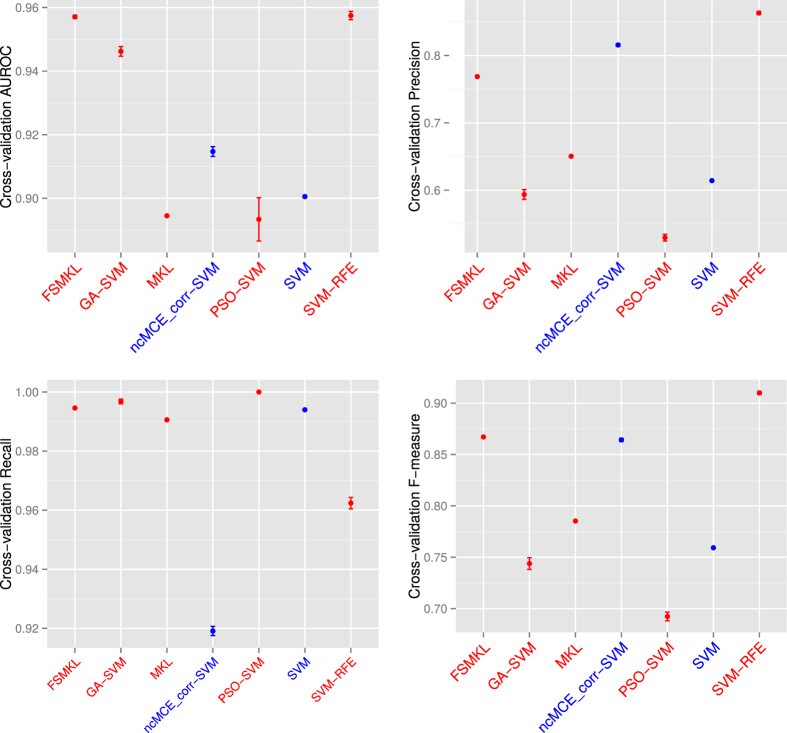
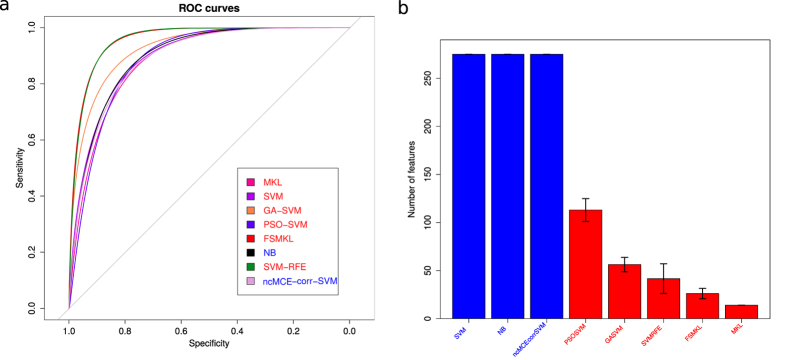
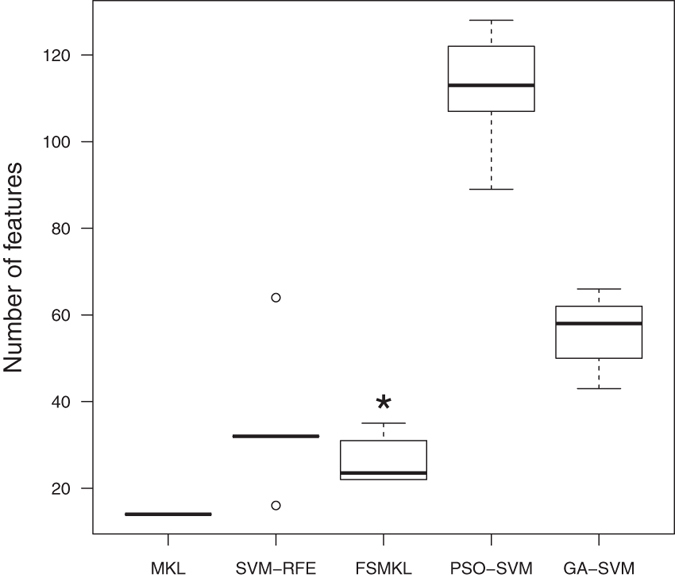
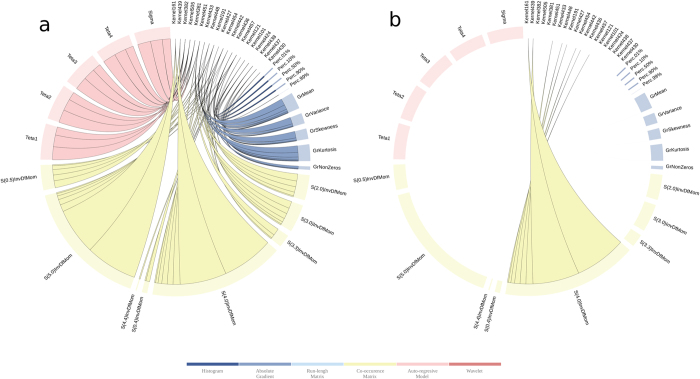
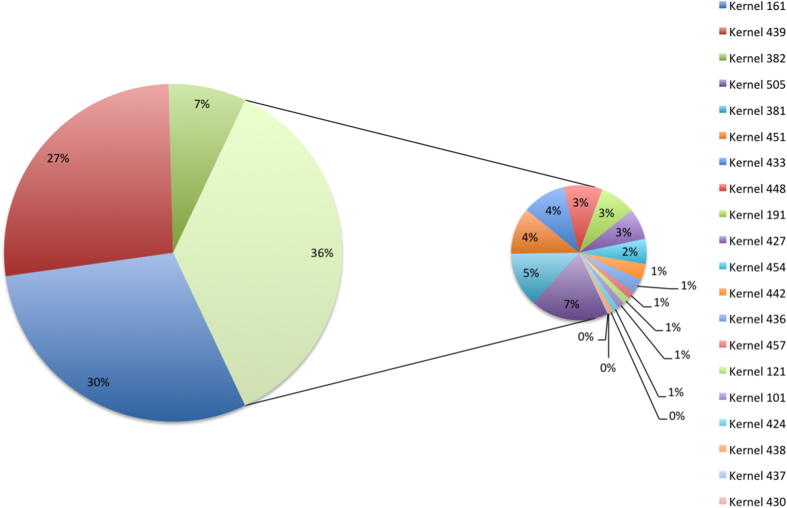
Texture information could be used in proteomics to improve the quality of the image analysis of proteins separated on a gel. In order to evaluate the best technique to identify relevant textures, we use several different kernel-based machine learning techniques to classify proteins in 2-DE images into spot and noise. We evaluate the classification accuracy of each of these techniques with proteins extracted from ten 2-DE images of different types of tissues and different experimental conditions. We found that the best classification model was FSMKL, a data integration method using multiple kernel learning, which achieved AUROC values above 95% while using a reduced number of features. This technique allows us to increment the interpretability of the complex combinations of textures and to weight the importance of each particular feature in the final model. In particular the Inverse Difference Moment exhibited the highest discriminating power. A higher value can be associated with an homogeneous structure as this feature describes the homogeneity; the larger the value, the more symmetric. The final model is performed by the combination of different groups of textural features. Here we demonstrated the feasibility of combining different groups of textures in 2-DE image analysis for spot detection.
纹理信息可用于蛋白质组学,以提高凝胶上分离的蛋白质图像分析的质量。为了评估识别相关纹理的最佳技术,我们使用了几种不同的基于核的机器学习技术,将二维图像中的蛋白质分类为斑点和噪声。我们用从十种不同类型组织和不同实验条件的二维图像中提取的蛋白质评估了这些技术各自的分类准确性。我们发现最佳分类模型是FSMKL,一种使用多核学习的数据集成方法,在使用较少数量特征的情况下,其曲线下面积(AUROC)值高于95%。该技术使我们能够增强纹理复杂组合的可解释性,并在最终模型中权衡每个特定特征的重要性。特别是反向差异矩表现出最高的辨别力。由于此特征描述同质性,较高的值可与均匀结构相关联;值越大,越对称。最终模型由不同组的纹理特征组合而成。在这里,我们证明了在二维图像分析中组合不同组纹理进行斑点检测的可行性。