Xu Qianghua, Zhang Chi, Zhang Dongsheng, Jiang Huapeng, Peng Sihua, Liu Yang, Zhao Kai, Wang Congcong, Chen Liangbiao
Key Laboratory of Sustainable Exploitation of Oceanic Fisheries Resources, Ministry of Education, College of Marine Sciences, Shanghai Ocean University, Shanghai, China.
Collaborative Innovation Center for Distant-water Fisheries, Shanghai, China.
BMC Evol Biol. 2016 Jan 15;16:11. doi: 10.1186/s12862-015-0581-0.
Erythropoietin (EPO) is a glycoprotein hormone that plays a principal regulatory role in erythropoiesis and initiates cell homeostatic responses to environmental challenges. The Qinghai-Tibet Plateau is a natural laboratory for hypoxia adaptation. Gymnocypris dobula is a highly specialized plateau schizothoracine fish that is restricted to > 4500 m high-altitude freshwater rivers and ponds in the Qinghai-Tibet Plateau. The role of EPO in the adaptation of schizothoracine fish to hypoxia is unknown.
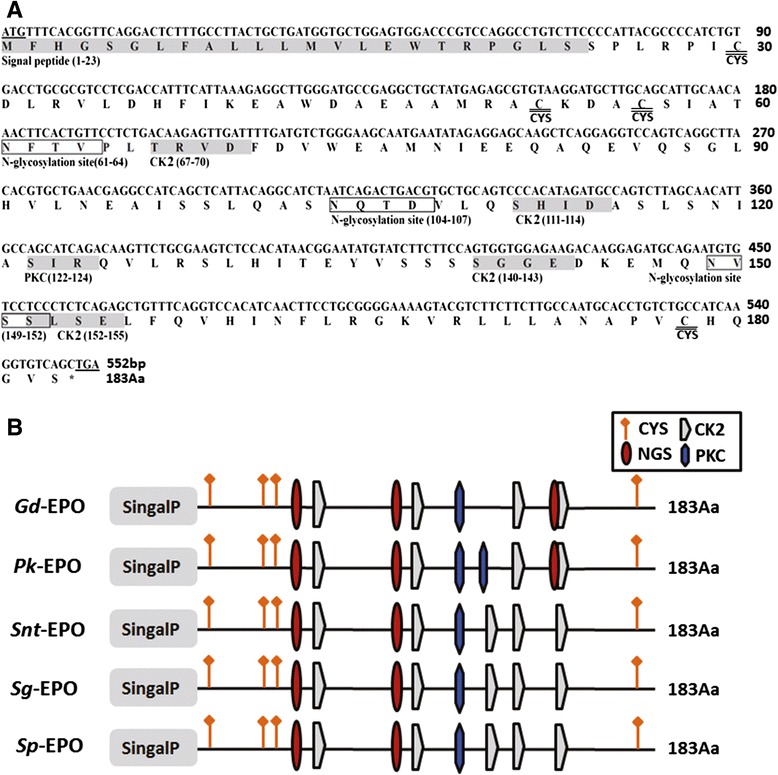
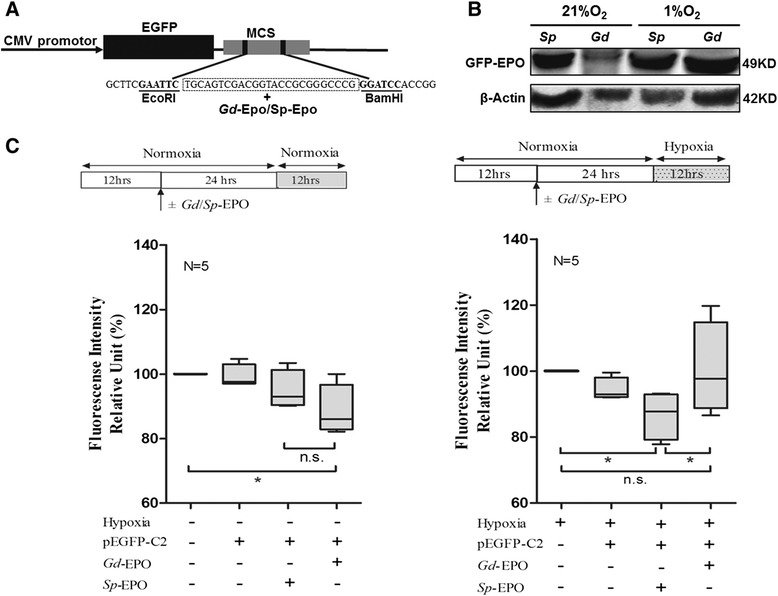
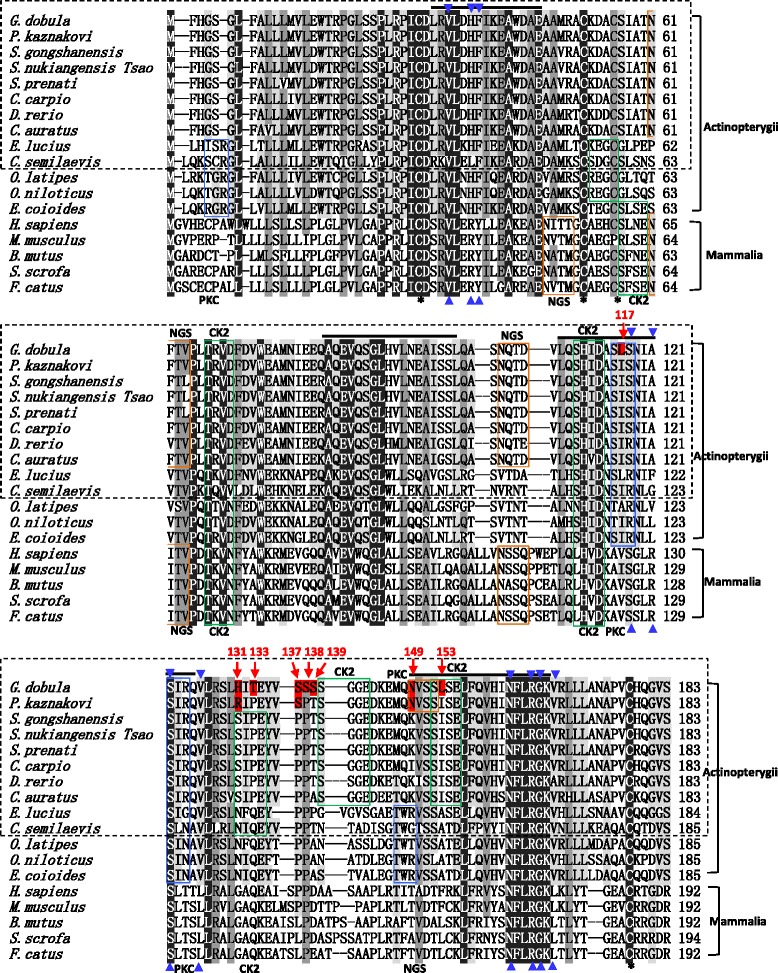
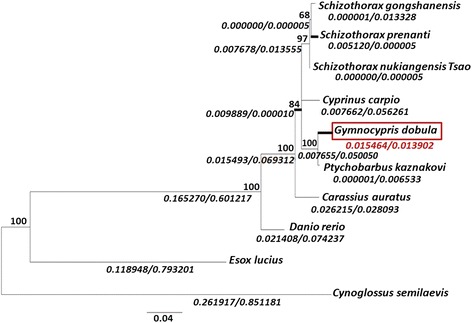
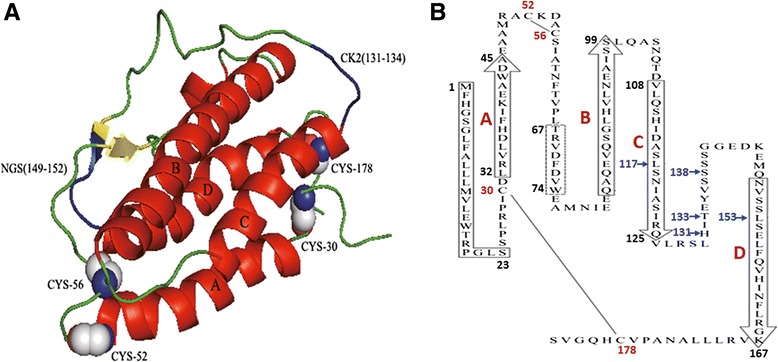
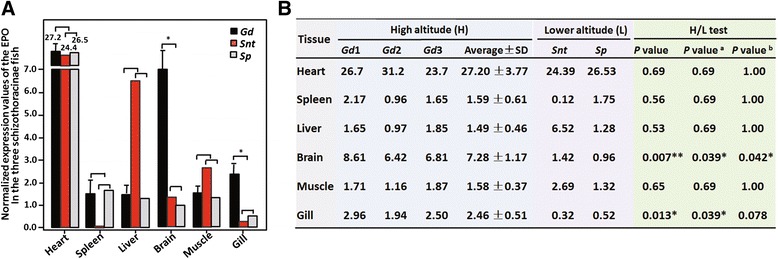
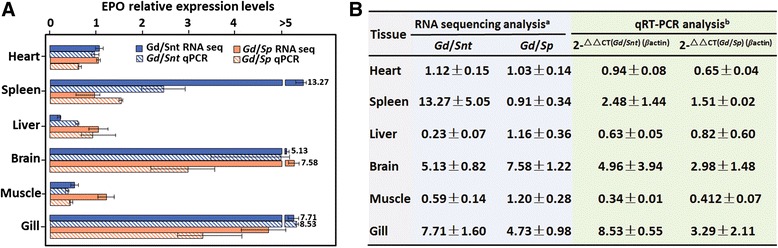
The EPO and EPO receptor genes from G. dobula and four other schizothoracine fish from various altitudinal habitats were characterized. Schizothoracine EPOs are predicted to possess 2-3 N-glycosylation (NGS) sites, 4-5 casein kinase II phosphorylation (CK2) sites, 1-2 protein kinase C (PKC) phosphorylation sites, and four conserved cysteine residues within four helical domains, with variations in the numbers of NGS and CK2 sites in G. dobula. PAML analysis indicated a d N/d S value (ω) = 1.112 in the G. dobula lineage, and a few amino acids potentially under lineage-specific positive selection were detected within the G. dobula EPO. Similarly, EPO receptors of the two high-altitude schizothoracines (G. dobula and Ptychobarbus kaznakovi), were found to be statistically on the border of positive selection using the branch-site model (P-value = 0.096), and some amino acids located in the ligand-binding domain and the fibronectin type III domain were identified as potentially positive selection sites. Tissue EPO expression profiling based on transcriptome sequencing of three schizothoracines (G. dobula, Schizothorax nukiangensis Tsao, and Schizothorax prenanti) showed significant upregulation of EPO expression in the brain and less significantly in the gill of G. dobula. The elevated expression together with the rapid evolution of the EPO gene in G. dobula suggested a possible role for EPO in adaptation to hypoxia. To test this hypothesis, Gd-EPO and Sp-EPO were cloned into an expression vector and transfected into the cultured cell line 293 T. Significantly higher cell viability was observed in cells transfected with Gd-EPO than cells harboring Sp-EPO when challenged by hypoxia.
The deduced EPO proteins of the schizothoracine fish contain characteristic structures and important domains similar to EPOs from other taxa. The presence of potentially positive selection sites in both EPO and EPOR in G. dobula suggest possible adaptive evolution in the ligand-receptor binding activity of the EPO signaling cascade in G. dobula. Functional study indicated that the EPO from high-altitude schizothoracine species demonstrated features of hypoxic adaptation by reducing toxic effects or improving cell survival when expressed in cultured cells, providing evidence of molecular adaptation to hypoxic conditions in the Qinghai-Tibet Plateau.
促红细胞生成素(EPO)是一种糖蛋白激素,在红细胞生成中起主要调节作用,并启动细胞对环境挑战的稳态反应。青藏高原是缺氧适应的天然实验室。双须叶须鱼是一种高度特化的高原裂腹鱼,仅分布于青藏高原海拔>4500米的高海拔淡水河流和池塘。EPO在裂腹鱼适应缺氧中的作用尚不清楚。
对双须叶须鱼以及其他四种来自不同海拔栖息地的裂腹鱼的EPO和EPO受体基因进行了表征。预测裂腹鱼EPO具有2 - 3个N - 糖基化(NGS)位点、4 - 5个酪蛋白激酶II磷酸化(CK2)位点、1 - 2个蛋白激酶C(PKC)磷酸化位点,并且在四个螺旋结构域内有四个保守的半胱氨酸残基,双须叶须鱼的NGS和CK2位点数量存在差异。PAML分析表明双须叶须鱼谱系中的dN/dS值(ω)= 1.112,并且在双须叶须鱼EPO中检测到一些可能处于谱系特异性正选择下的氨基酸。同样,使用分支位点模型发现两种高海拔裂腹鱼(双须叶须鱼和拉萨裂腹鱼)的EPO受体在统计学上处于正选择的边界(P值 = 0.096),并且位于配体结合域和纤连蛋白III型域中的一些氨基酸被鉴定为潜在的正选择位点。基于三种裂腹鱼(双须叶须鱼、怒江裂腹鱼和齐口裂腹鱼)转录组测序的组织EPO表达谱分析表明,双须叶须鱼脑中EPO表达显著上调,鳃中上调程度较小。双须叶须鱼中EPO基因的高表达及其快速进化表明EPO在适应缺氧中可能发挥作用。为了验证这一假设,将Gd - EPO和Sp - EPO克隆到表达载体中并转染到培养的293T细胞系中。在缺氧刺激下,转染Gd - EPO的细胞比转染Sp - EPO的细胞具有显著更高的细胞活力。
裂腹鱼推导的EPO蛋白含有与其他类群EPO相似的特征结构和重要结构域。双须叶须鱼的EPO和EPOR中潜在正选择位点的存在表明双须叶须鱼EPO信号级联的配体 - 受体结合活性可能发生了适应性进化。功能研究表明,高海拔裂腹鱼物种的EPO在培养细胞中表达时通过降低毒性作用或提高细胞存活率表现出缺氧适应特征,为青藏高原缺氧条件下的分子适应提供了证据。