Singh Bhavana P, Salama April K S
Department of Internal Medicine, Duke University Medical Center, Durham, NC 27710, USA.
Division of Medical Oncology, Department of Internal Medicine, Duke University Medical Center, Durham, NC 27710, USA.
Cancers (Basel). 2016 Jan 15;8(1):17. doi: 10.3390/cancers8010017.
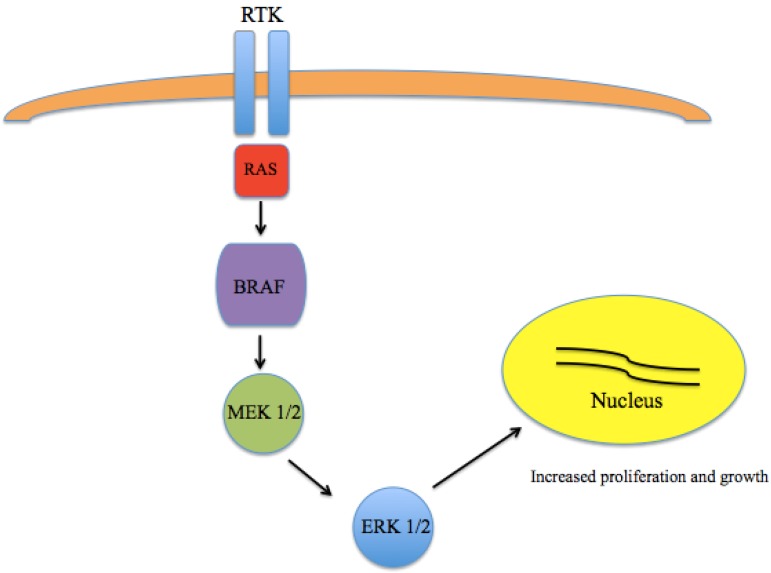
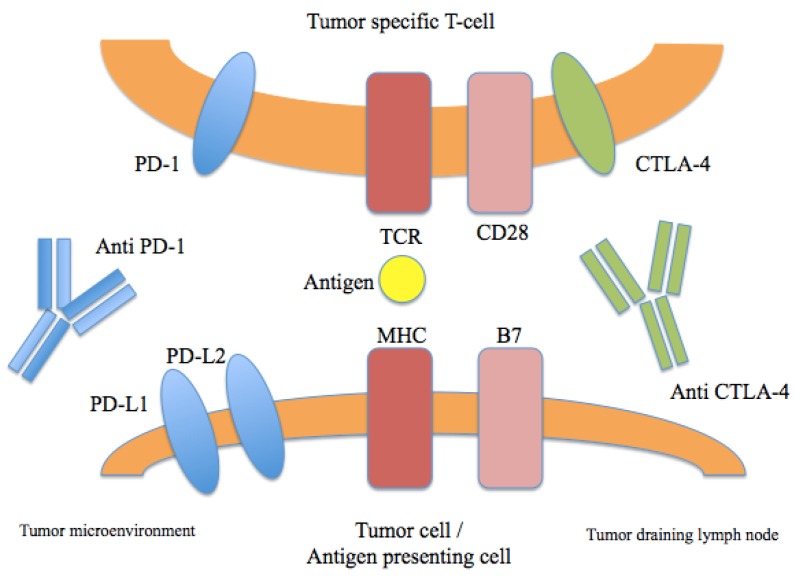
Cutaneous melanoma is one of the most aggressive forms of skin cancer, and is correlated with a large proportion of skin cancer-related deaths. Therapy for cutaneous melanoma has advanced greatly through careful identification of therapeutic targets and the development of novel immunotherapeutic approaches. The identification of BRAF as well as other driver mutations, have allowed for a specialized approach to treatment. In addition, immune checkpoint inhibition has dramatically changed the treatment landscape over the past 5-10 years. The successful targeting of CTLA-4, as well as PD-1/PD-L1, has been translated into meaningful clinical benefit for patients, with multiple other potential agents in development. Systemic therapy for cutaneous melanoma is becoming more nuanced and often takes a multifaceted strategy. This review aims to discuss the benefits and limitations of current therapies in systemic melanoma treatment as well as areas of future development.
皮肤黑色素瘤是最具侵袭性的皮肤癌形式之一,且与很大一部分皮肤癌相关死亡病例有关。通过仔细确定治疗靶点和开发新型免疫治疗方法,皮肤黑色素瘤的治疗取得了巨大进展。BRAF以及其他驱动突变的鉴定,使得能够采用专门的治疗方法。此外,在过去5至10年中,免疫检查点抑制显著改变了治疗格局。CTLA-4以及PD-1/PD-L1的成功靶向已转化为对患者有意义的临床益处,还有多种其他潜在药物正在研发中。皮肤黑色素瘤的全身治疗正变得更加精细,且通常采用多方面策略。本综述旨在讨论当前全身黑色素瘤治疗方法的益处和局限性以及未来的发展领域。