Wang Hai, He Xiao-Qing, Jin Tao, Li Yang, Fan Xin-Yu, Wang Yi, Xu Yong-Qing
The Third Military Medical University, Chongqing, 400038, China.
Department of Orthopaedics, Kunming General Hospital of Chengdu Military Command, 650032, Kunming, China.
Stem Cell Res Ther. 2016 Jan 27;7:18. doi: 10.1186/s13287-016-0277-4.
Infected bone defect poses a great challenge for orthopedists because it is difficult to cure. Tissue-engineered bone based on the human mesenchymal stem cells (hMSCs), has currently taken a promising treatment protocol in clinical practice. In a previous study, a porous hydroxyapatite/fibronectin/alginate (PHA/FN/ALG) composite scaffold displayed favorable biological properties as a novel scaffold, which was considered better than single-material scaffolds. In addition, Wnt11 has been demonstrated to play an important role in the development of osteoblasts, but until recently, its role in the osteogenic differentiation of hMSCs in infectious environment remained unclear.
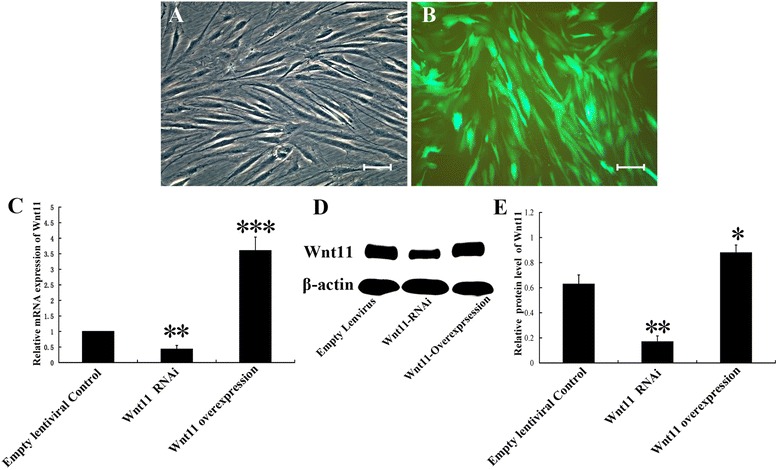
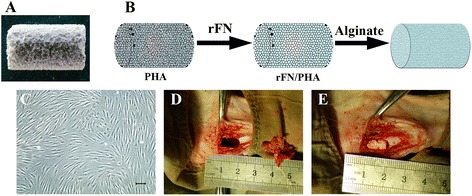
In this study, we constructed a PHA/FN/ALG composite scaffold with layer-by-layer technology. Furthermore, we also constructed Wnt11-silenced (RNAi) and -overexpressing hMSCs by lentiviral transduction. The gene transduction efficacy was confirmed by quantitative PCR assay and Western blot analysis. Tissue-engineered bone was constructed with hMSCs and PHA/FN/ALG composite scaffolds, and then was implanted into an infected bone defect model for evaluating the osteogenic capacity by quantitative PCR, gross observation, micro-CT and histology analysis.
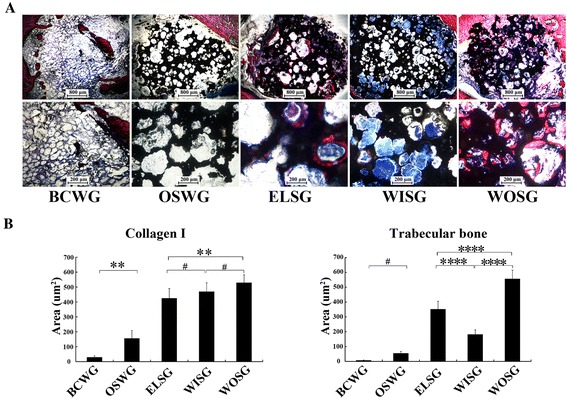
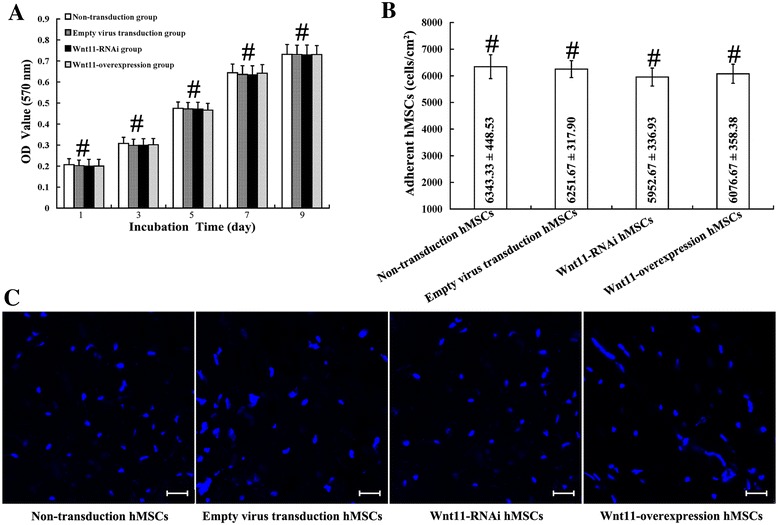
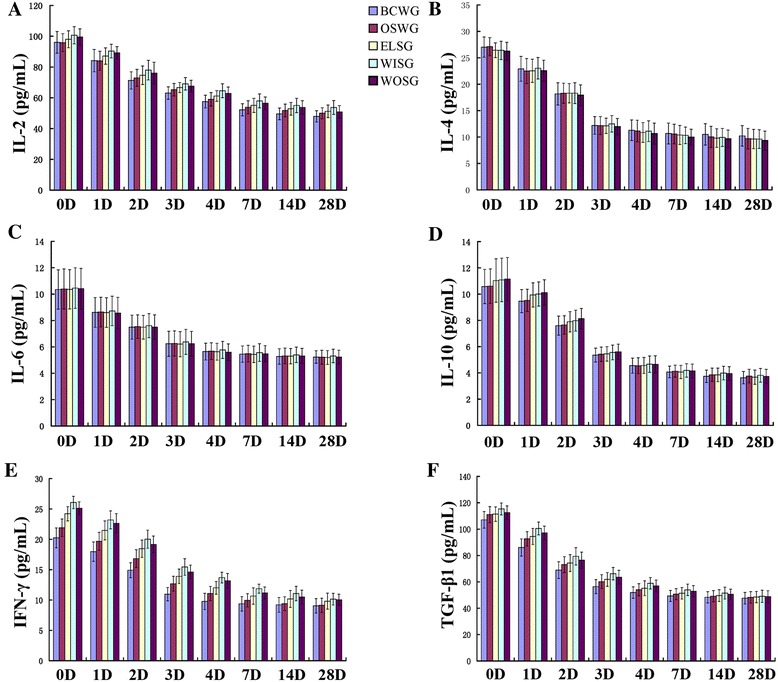
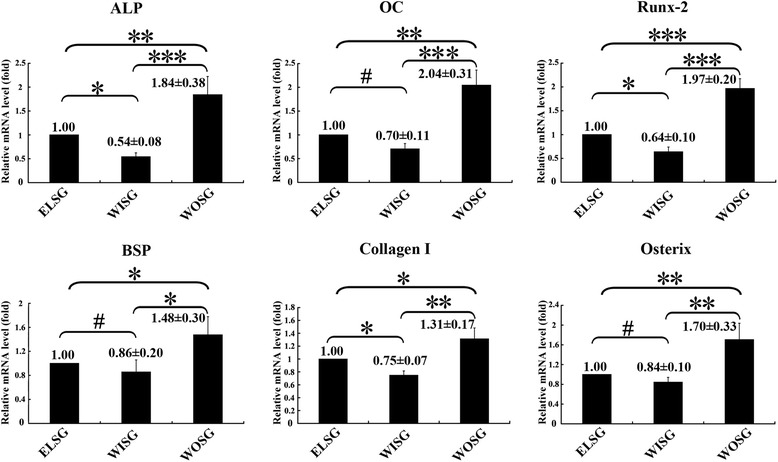
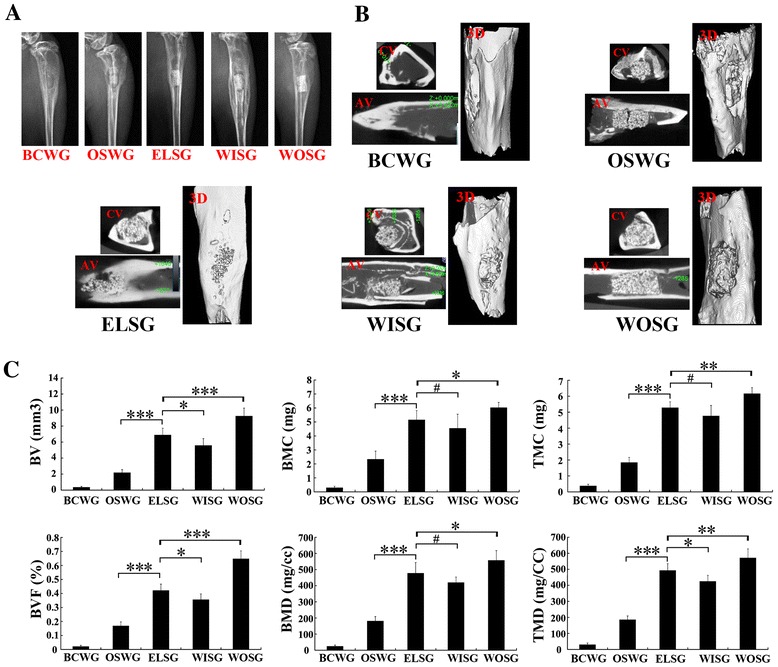
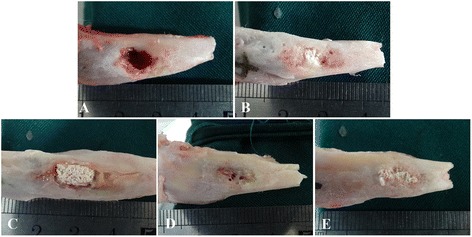
All those cells showed similar adhesion abilities and proliferation capacities in scaffolds. After tissue-engineered bone implantation, there were high levels of systemic inflammatory factors in vivo, which significantly declined three days after antibiotic therapy. One or two months after implantation, the results of osteogenic-related gene analyses, gross observation, micro-CT and histology consistently showed that the Wnt11 over-expression hMSC group displayed the strongest osteogenesis capacity, whereas the Wnt11-RNAi hMSC group displayed inferior osteogenesis capacity, when compared with the other cell-containing groups. However, the blank control group and the only composite scaffold without cell implantation group both showed extremely weak osteogenesis capacity.
Our results revealed that the Wnt11 gene plays an important role in hMSCs for enhancing the osteogenesis in an infectious environment.
感染性骨缺损对骨科医生而言是一项巨大挑战,因为其难以治愈。基于人骨髓间充质干细胞(hMSCs)的组织工程骨目前在临床实践中已成为一种有前景的治疗方案。在先前的一项研究中,一种多孔羟基磷灰石/纤连蛋白/藻酸盐(PHA/FN/ALG)复合支架作为一种新型支架展现出良好的生物学特性,被认为优于单一材料支架。此外,Wnt11已被证明在成骨细胞发育中发挥重要作用,但直到最近,其在感染环境中hMSCs成骨分化中的作用仍不清楚。
在本研究中,我们采用逐层技术构建了PHA/FN/ALG复合支架。此外,我们还通过慢病毒转导构建了Wnt11基因沉默(RNAi)和过表达的hMSCs。通过定量PCR检测和蛋白质印迹分析确认基因转导效率。用hMSCs和PHA/FN/ALG复合支架构建组织工程骨,然后将其植入感染性骨缺损模型,通过定量PCR、大体观察、显微CT和组织学分析评估成骨能力。
所有这些细胞在支架中均表现出相似的黏附能力和增殖能力。组织工程骨植入后,体内存在高水平的全身炎症因子,抗生素治疗三天后显著下降。植入后一两个月,成骨相关基因分析、大体观察、显微CT和组织学结果一致显示,与其他含细胞组相比,Wnt11过表达hMSC组表现出最强的成骨能力,而Wnt11 - RNAi hMSC组的成骨能力较差。然而,空白对照组和仅植入复合支架而无细胞植入组均表现出极弱的成骨能力。
我们的结果表明,Wnt11基因在hMSCs增强感染环境中成骨作用方面发挥重要作用。