Wang Peng, Du Chao, Chen Fei-Xue, Li Chang-Qing, Yu Yan-Bo, Han Ting, Akhtar Suhail, Zuo Xiu-Li, Tan Xiao-Di, Li Yan-Qing
Department of Gastroenterology, Qilu Hospital, Shandong University, Jinan 250012, P. R. China.
Laboratory of Translational Gastroenterology, Qilu Hospital, Shandong University, Jinan 250012, P. R. China.
Sci Rep. 2016 Feb 3;6:20320. doi: 10.1038/srep20320.
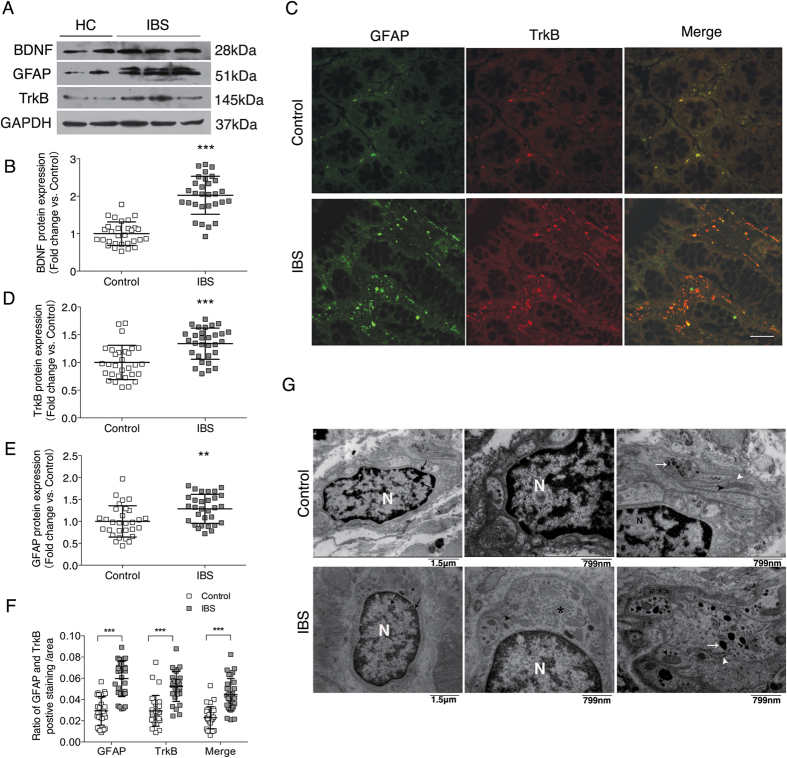
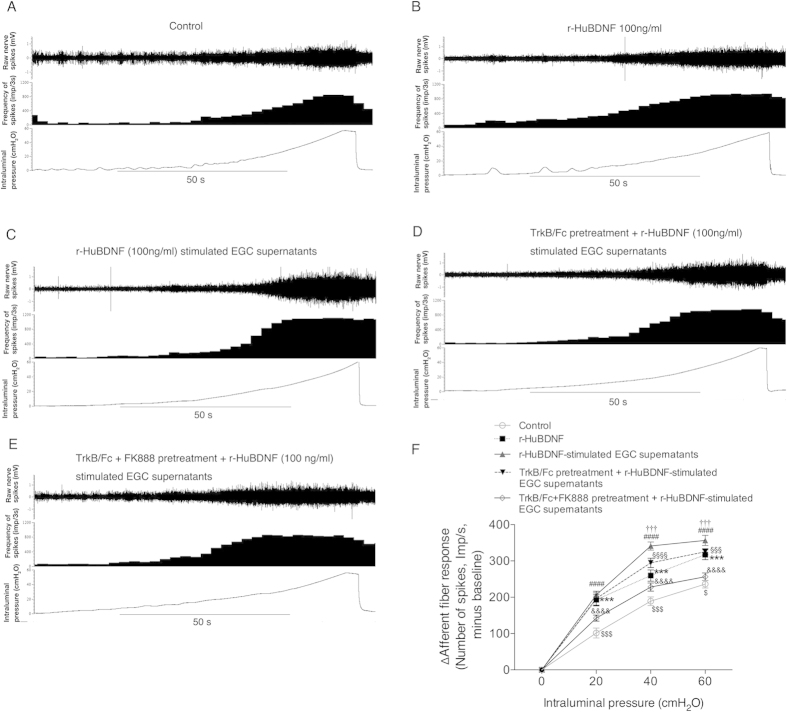
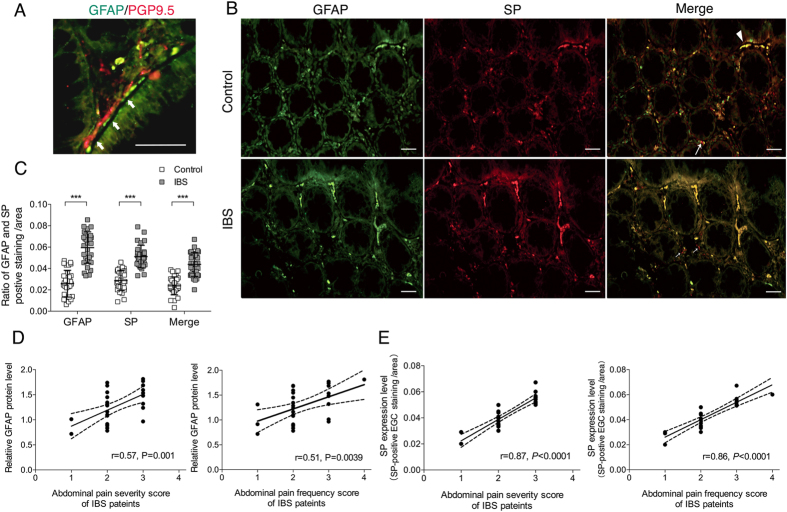
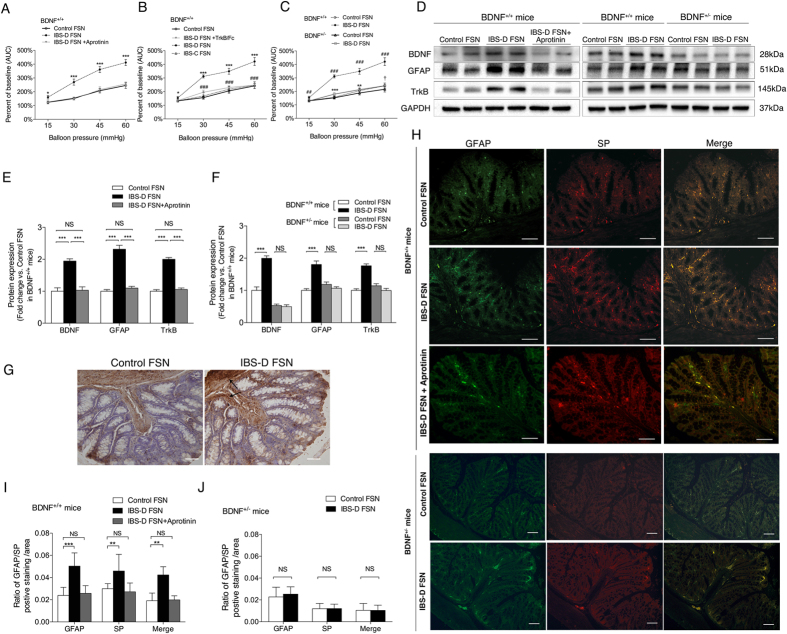
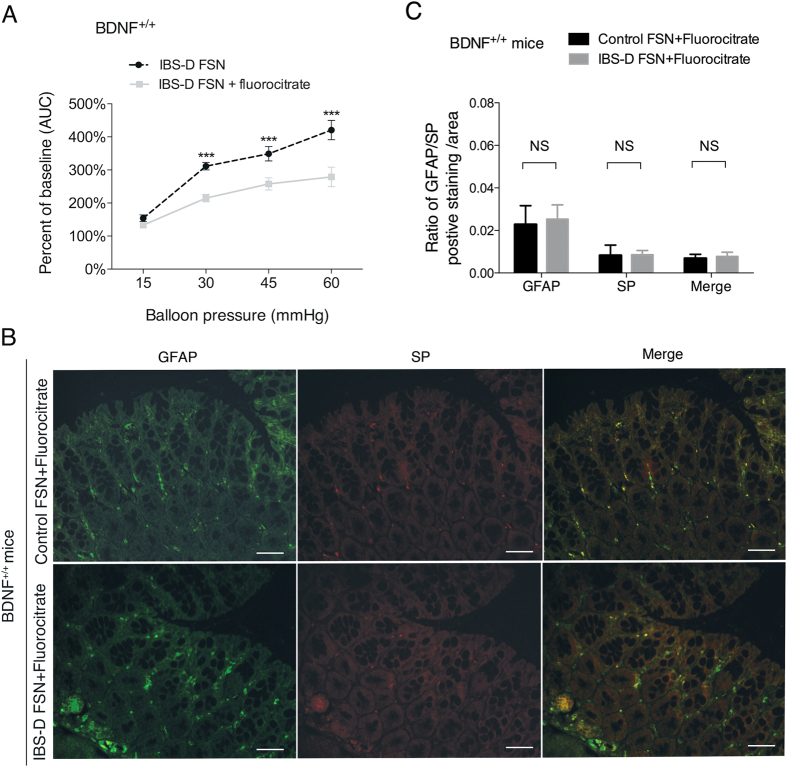
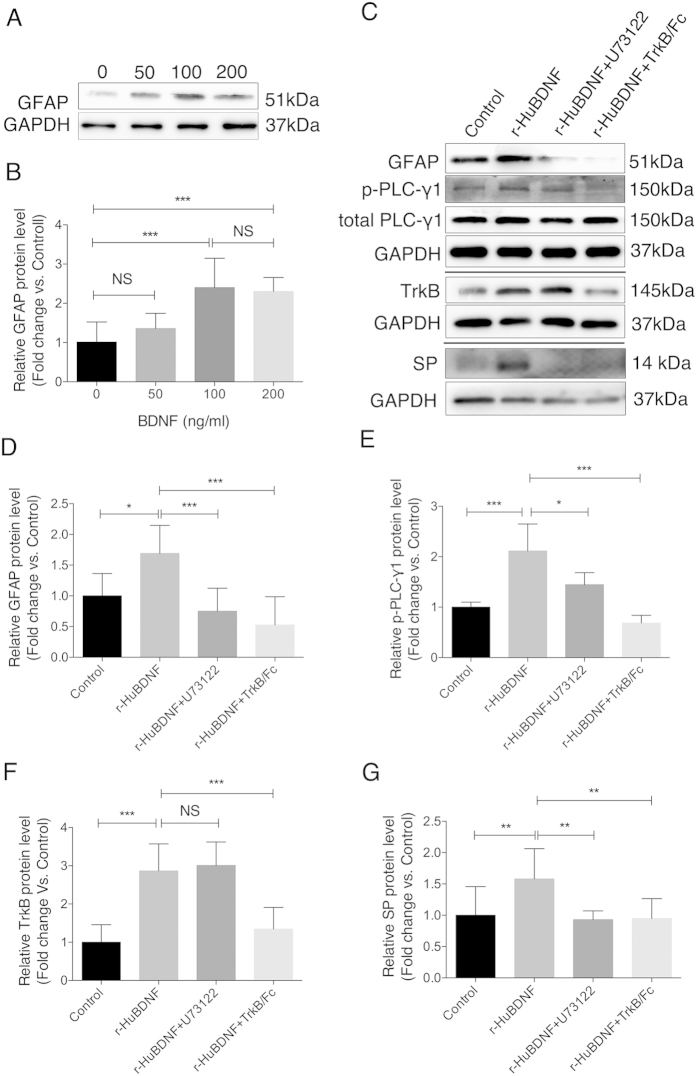
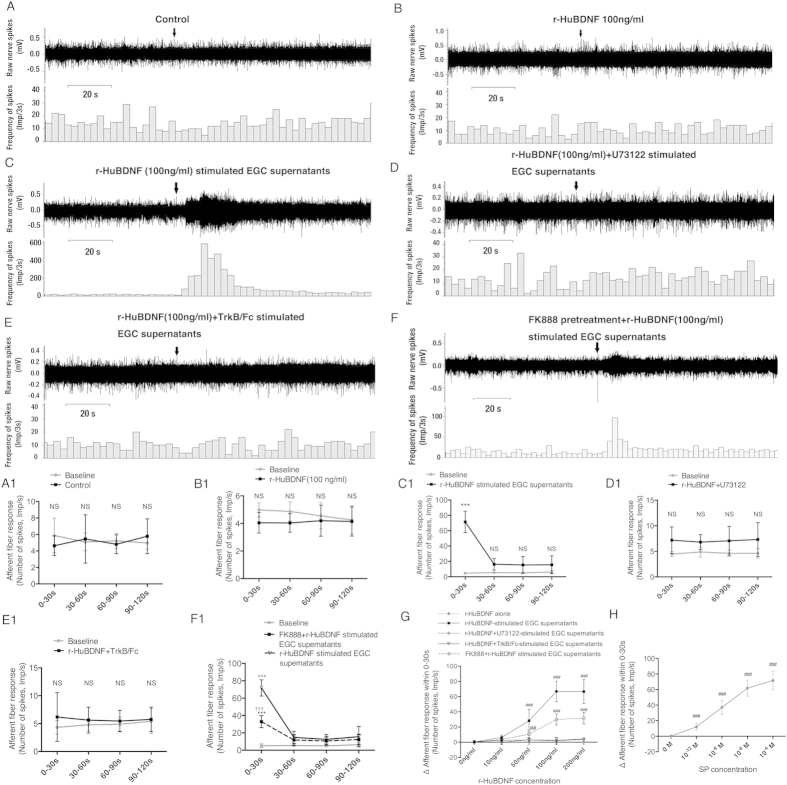
The over-expressed colonic brain-derived neurotrophic factor (BDNF) has been reported to be associated with abdominal pain in patients with irritable bowel syndrome (IBS). However, the neuropathological mechanism is unclear. We here investigated the involvement of enteroglial cells (EGCs) and enteric nerves in IBS-like visceral hypersensitivity. We showed that glial fibrillary acidic protein (GFAP), tyrosine receptor kinase B (TrkB) and substance P (SP) were significantly increased in the colonic mucosa of IBS patients. The upregulation of those proteins was also observed in the colon of mice with visceral hypersensitivity, but not in the colon of BDNF(+/-) mice. Functionally, TrkB or EGC inhibitors, or BDNF knockdown significantly suppressed visceral hypersensitivity in mice. Using the EGC cell line, we found that recombinant human BDNF (r-HuBDNF) could directly activate EGCs via the TrkB-phospholipase Cγ1 pathway, thereby inducing a significant upregulation of SP. Moreover, supernatants from r-HuBDNF-activated EGC culture medium, rather than r-HuBDNF alone, triggered markedly augmented discharges in isolated intestinal mesenteric afferent nerves. r-HuBDNF alone could cause mesenteric afferent mechanical hypersensitivity independently, and this effect was synergistically enhanced by activated EGCs. We conclude that EGC-enteric nerve unit may be involved in IBS-like visceral hypersensitivity, and this process is likely initiated by BDNF-TrkB pathway activation.
据报道,结肠中过度表达的脑源性神经营养因子(BDNF)与肠易激综合征(IBS)患者的腹痛有关。然而,其神经病理学机制尚不清楚。我们在此研究了肠胶质细胞(EGC)和肠神经在IBS样内脏超敏反应中的作用。我们发现,IBS患者结肠黏膜中的胶质纤维酸性蛋白(GFAP)、酪氨酸受体激酶B(TrkB)和P物质(SP)显著增加。在内脏超敏的小鼠结肠中也观察到了这些蛋白的上调,但在BDNF(+/-)小鼠的结肠中未观察到。在功能上,TrkB或EGC抑制剂,或BDNF基因敲低显著抑制了小鼠的内脏超敏反应。使用EGC细胞系,我们发现重组人BDNF(r-HuBDNF)可通过TrkB-磷脂酶Cγ1途径直接激活EGC,从而诱导SP的显著上调。此外,来自r-HuBDNF激活的EGC培养基的上清液,而非单独的r-HuBDNF,触发了离体肠肠系膜传入神经放电的显著增强。单独的r-HuBDNF可独立引起肠系膜传入机械超敏反应,而激活的EGC可协同增强这一效应。我们得出结论,EGC-肠神经单元可能参与IBS样内脏超敏反应,且这一过程可能由BDNF-TrkB途径激活引发。