Cooper Deani L, Lovett Susan T
Department of Biology, Brandeis University, Waltham, United States.
Rosenstiel Basic Medical Sciences Research Center, Brandeis University, Waltham, United States.
Elife. 2016 Feb 4;5:e10807. doi: 10.7554/eLife.10807.
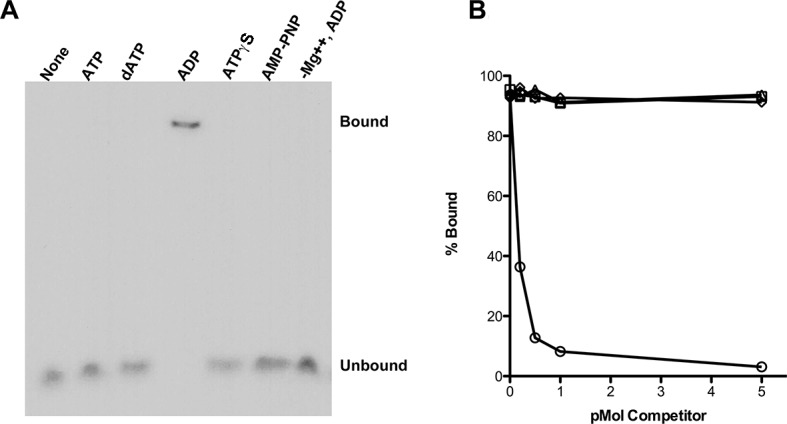
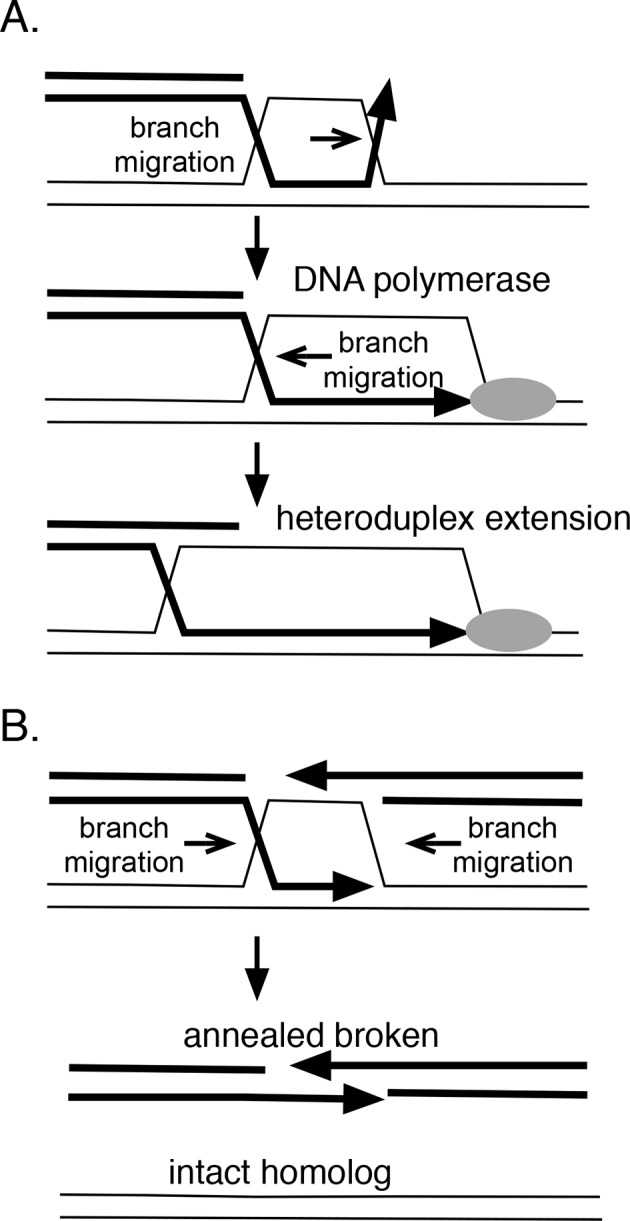
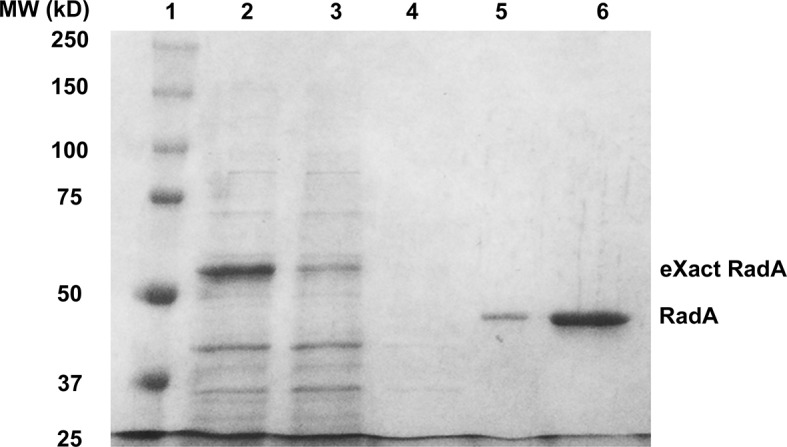
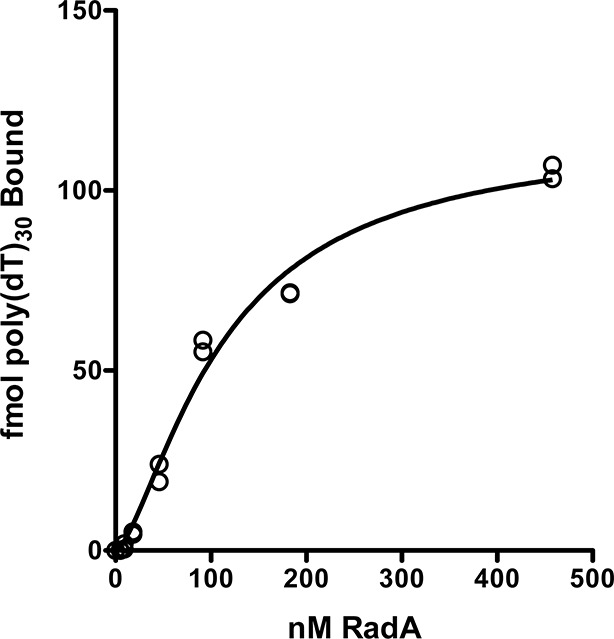
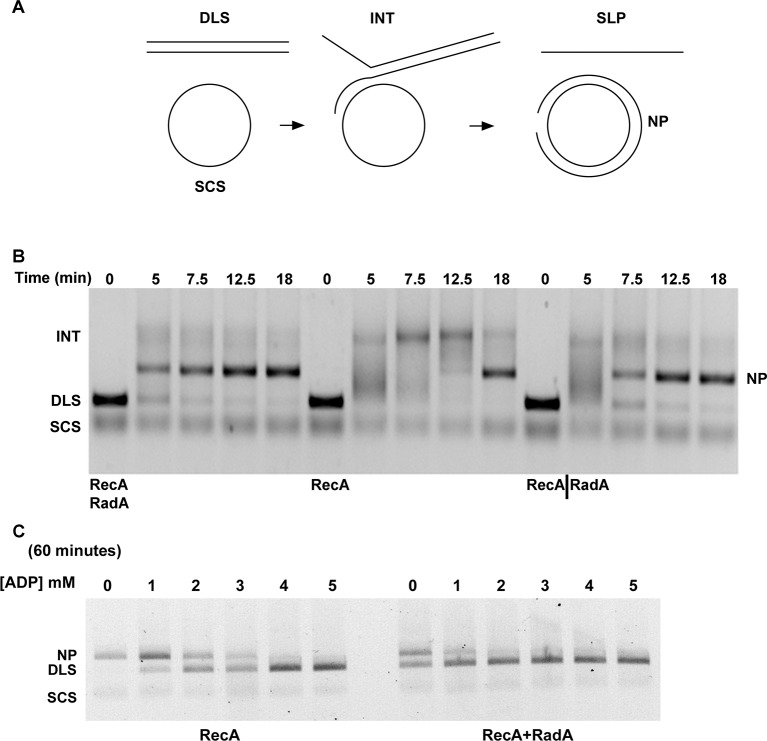
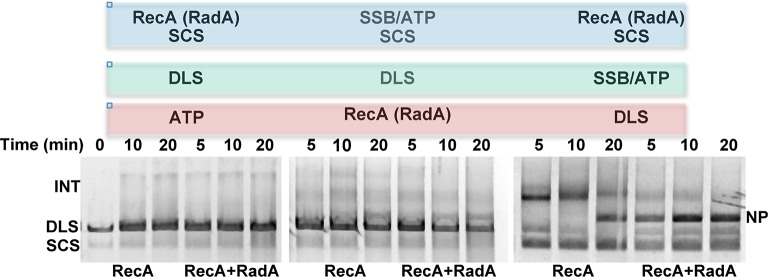
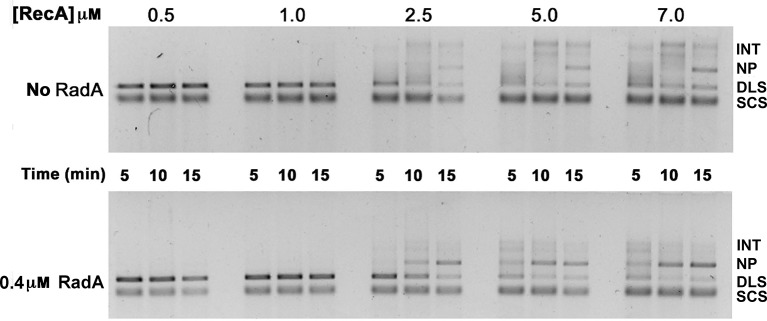
RadA (also known as 'Sms') is a highly conserved protein, found in almost all eubacteria and plants, with sequence similarity to the RecA strand exchange protein and a role in homologous recombination. We investigate here the biochemical properties of the E. coli RadA protein and several mutant forms. RadA is a DNA-dependent ATPase, a DNA-binding protein and can stimulate the branch migration phase of RecA-mediated strand transfer reactions. RadA cannot mediate synaptic pairing between homologous DNA molecules but can drive branch migration to extend the region of heteroduplex DNA, even without RecA. Unlike other branch migration factors RecG and RuvAB, RadA stimulates branch migration within the context of the RecA filament, in the direction of RecA-mediated strand exchange. We propose that RadA-mediated branch migration aids recombination by allowing the 3' invading strand to be incorporated into heteroduplex DNA and to be extended by DNA polymerases.
RadA(也称为“Sms”)是一种高度保守的蛋白质,几乎存在于所有真细菌和植物中,其序列与RecA链交换蛋白相似,在同源重组中发挥作用。我们在此研究大肠杆菌RadA蛋白及其几种突变形式的生化特性。RadA是一种依赖DNA的ATP酶,一种DNA结合蛋白,能够刺激RecA介导的链转移反应的分支迁移阶段。RadA不能介导同源DNA分子之间的突触配对,但即使没有RecA,也能驱动分支迁移以扩展异源双链DNA区域。与其他分支迁移因子RecG和RuvAB不同,RadA在RecA细丝的环境中刺激分支迁移,朝着RecA介导的链交换方向进行。我们提出,RadA介导的分支迁移通过允许3'侵入链掺入异源双链DNA并由DNA聚合酶进行延伸来辅助重组。