Kothare Prajakti A, Bateman Kevin P, Dockendorf Marissa, Stone Julie, Xu Yang, Woolf Eric, Shipley Lisa A
Pharmacokinetics, Pharmacodynamics and Drug Metabolism, Merck & Co., Inc., 770 Sumneytown Pike, West Point, Pennsylvania, 19486, USA.
AAPS J. 2016 Mar;18(2):519-27. doi: 10.1208/s12248-015-9860-3. Epub 2016 Feb 8.
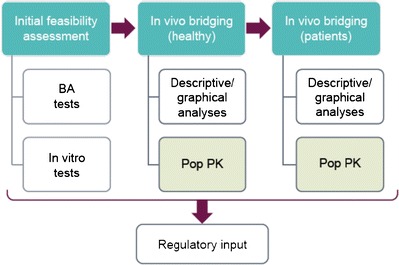
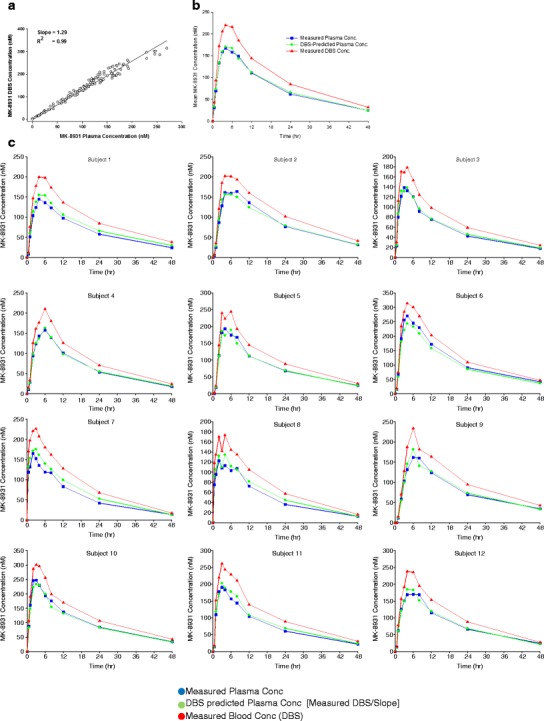
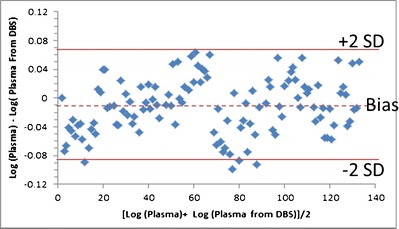
Dried blood spot (DBS) sample collection has gained increased interest across the pharmaceutical industry as a potential alternative to plasma for pharmacokinetic (PK) evaluations. However, regulatory guidelines and examples of late-stage clinical trial applications in the literature are lacking. This paper communicates Merck's strategy for the implementation of DBS exemplified by experience on a late-stage program (MK-8931). In this program, DBS was proposed as the sole matrix for phase 3 studies to decrease logistical burden in an aging target patient population (Alzheimer's disease). In vitro and bioanalytical tests demonstrated initial method feasibility and suitability for further evaluations in the clinic. An in vivo dataset was developed initially in healthy subjects (phase 1 study) and then in patients (phase 2/3 study) to establish a quantitative relationship between the blood and plasma concentrations (bridging dataset) using descriptive and population PK analyses. This allowed for PK conclusions to be seamlessly drawn across the clinical program without impact from the choice of matrix. This integrated information package (in vitro, bioanalytical and clinical) was presented to major regulatory agencies (FDA and EMA) for regulatory input. Based on this package, regulatory concurrence was gained on accepting DBS as the sole matrix in late-stage clinical trials.
干血斑(DBS)样本采集作为药代动力学(PK)评估中血浆的一种潜在替代方法,在整个制药行业中受到了越来越多的关注。然而,目前缺乏监管指南以及文献中晚期临床试验应用的实例。本文介绍了默克公司实施DBS的策略,并以一个晚期项目(MK-8931)的经验为例进行说明。在该项目中,DBS被提议作为3期研究的唯一基质,以减轻老龄化目标患者群体(阿尔茨海默病)的后勤负担。体外和生物分析测试证明了初始方法的可行性和进一步临床评估的适用性。最初在健康受试者中(1期研究),然后在患者中(2/3期研究)建立了体内数据集,使用描述性和群体PK分析来建立血液和血浆浓度之间的定量关系(桥接数据集)。这使得能够在整个临床项目中无缝得出PK结论,而不受基质选择的影响。这个综合信息包(体外、生物分析和临床)被提交给主要监管机构(美国食品药品监督管理局和欧洲药品管理局)以获取监管意见。基于这个信息包,监管机构同意在晚期临床试验中接受DBS作为唯一基质。