Laboratory Genetic Metabolic Diseases, Laboratory Division, Departments of Paediatrics and Clinical Chemistry, Academic Medical Center, Emma Children's Hospital, University of Amsterdam Amsterdam, Netherlands.
Front Cell Dev Biol. 2016 Jan 28;3:83. doi: 10.3389/fcell.2015.00083. eCollection 2015.
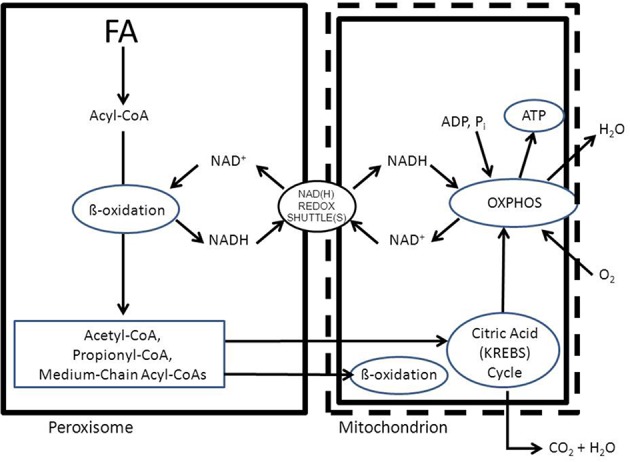
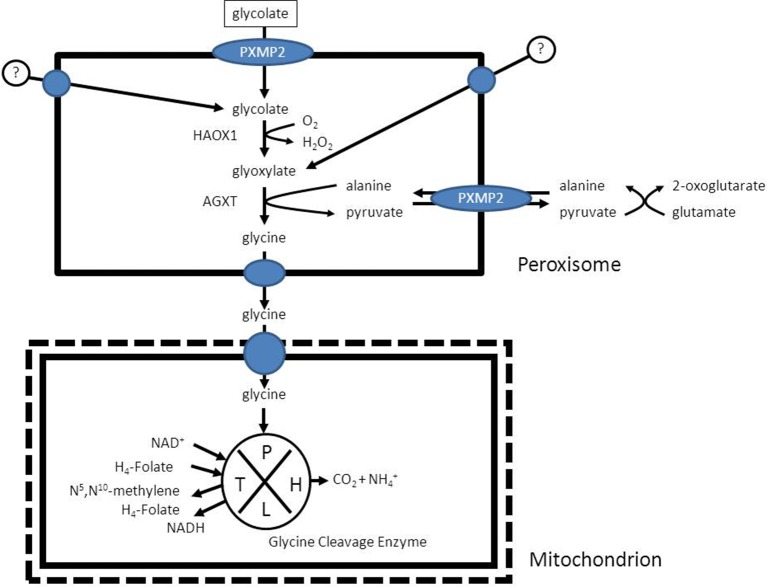
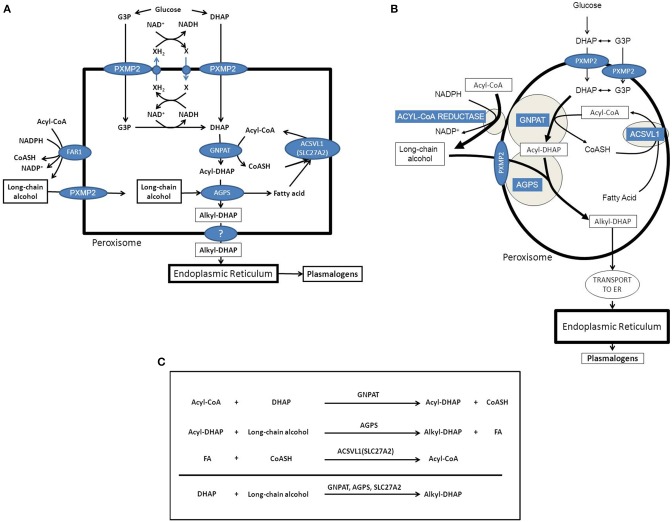
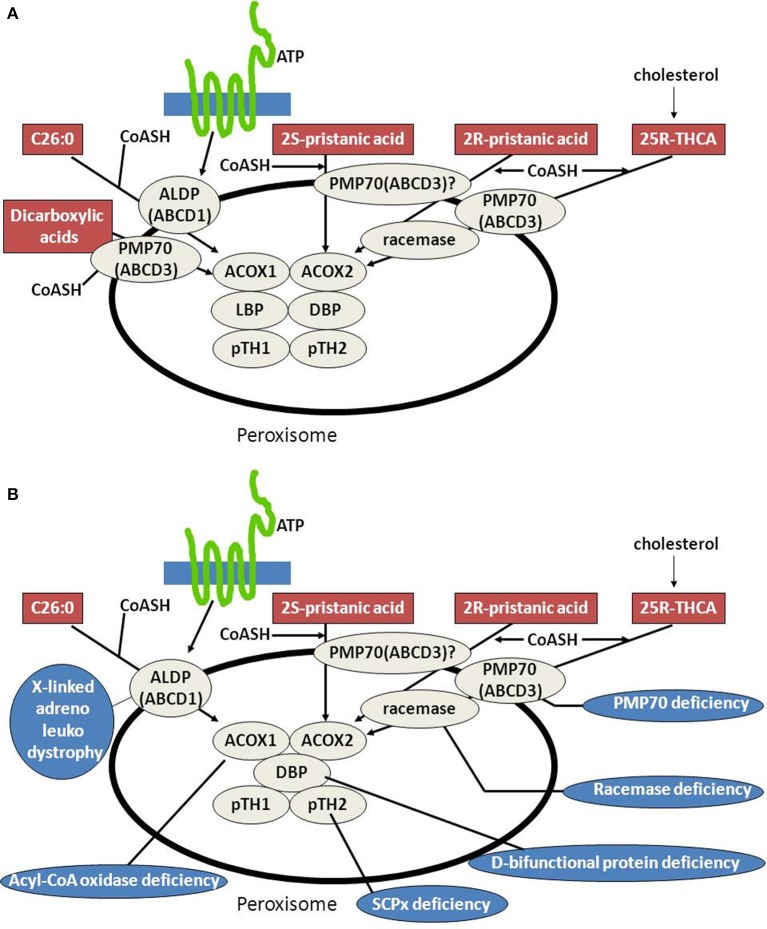
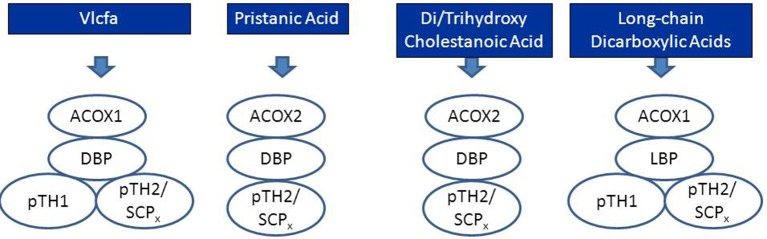
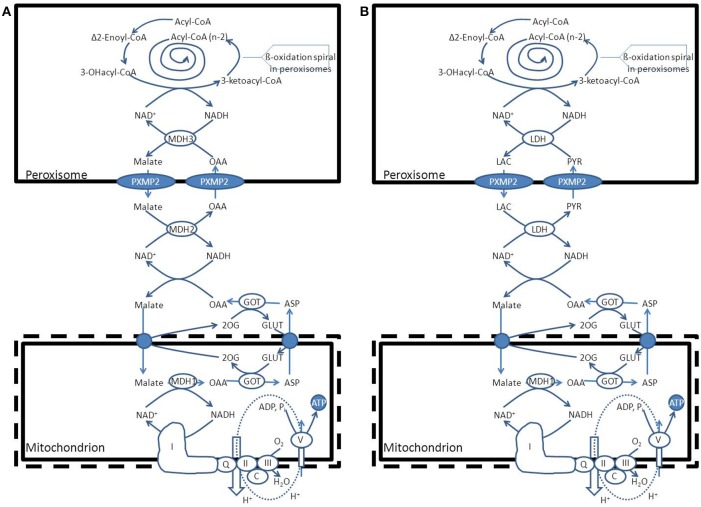
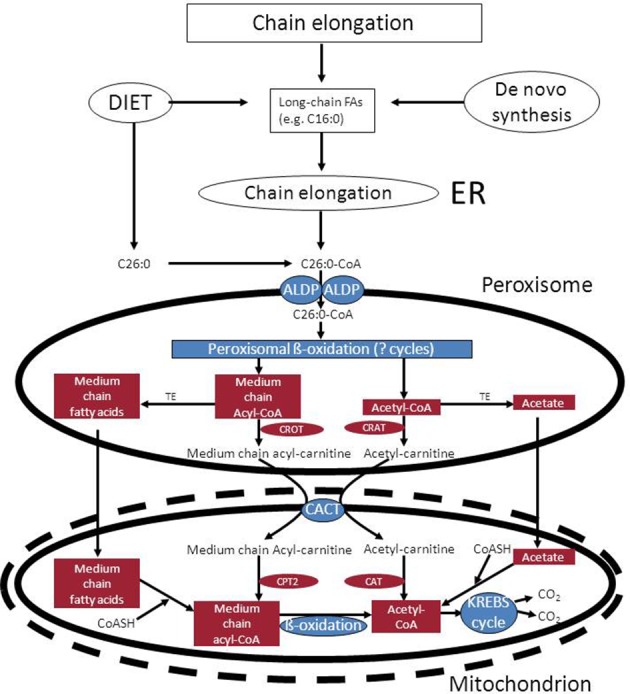
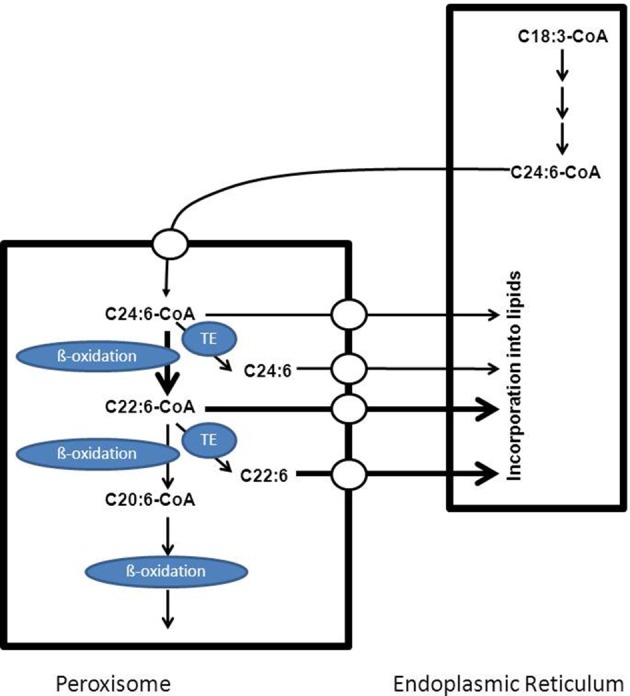
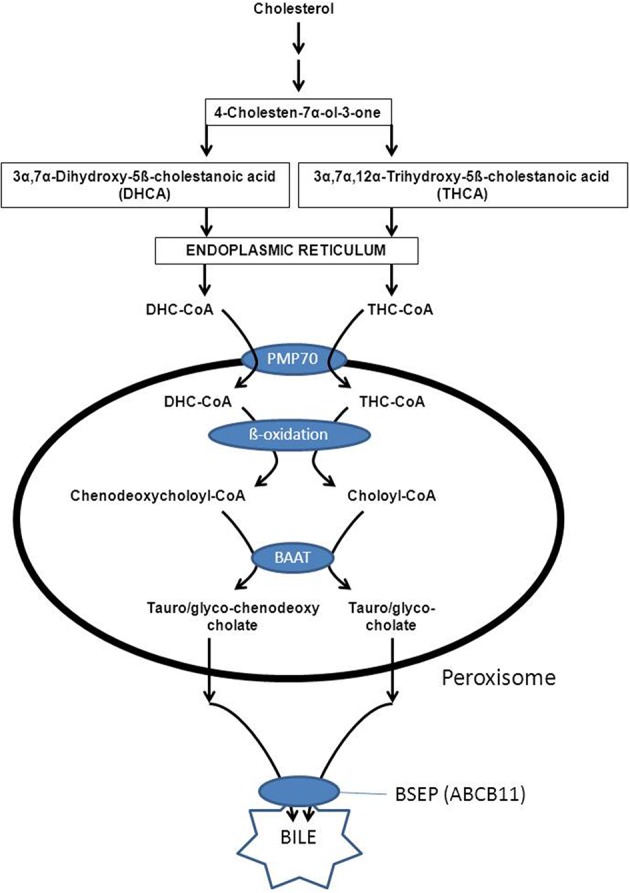
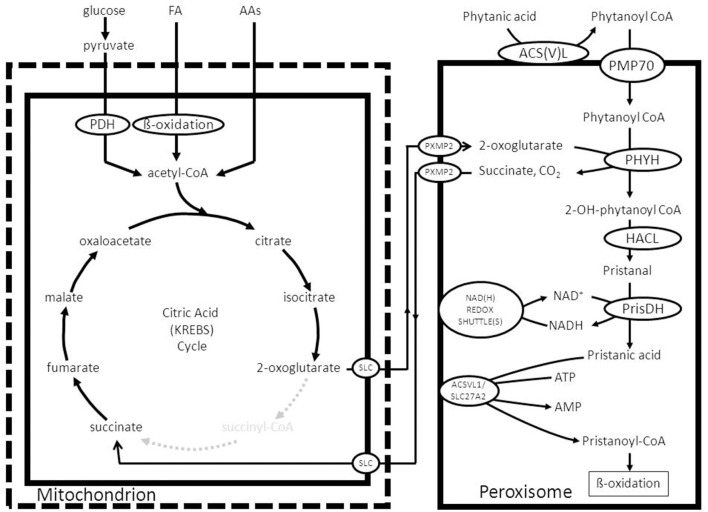
Peroxisomes are unique subcellular organelles which play an indispensable role in several key metabolic pathways which include: (1.) etherphospholipid biosynthesis; (2.) fatty acid beta-oxidation; (3.) bile acid synthesis; (4.) docosahexaenoic acid (DHA) synthesis; (5.) fatty acid alpha-oxidation; (6.) glyoxylate metabolism; (7.) amino acid degradation, and (8.) ROS/RNS metabolism. The importance of peroxisomes for human health and development is exemplified by the existence of a large number of inborn errors of peroxisome metabolism in which there is an impairment in one or more of the metabolic functions of peroxisomes. Although the clinical signs and symptoms of affected patients differ depending upon the enzyme which is deficient and the extent of the deficiency, the disorders involved are usually (very) severe diseases with neurological dysfunction and early death in many of them. With respect to the role of peroxisomes in metabolism it is clear that peroxisomes are dependent on the functional interplay with other subcellular organelles to sustain their role in metabolism. Indeed, whereas mitochondria can oxidize fatty acids all the way to CO2 and H2O, peroxisomes are only able to chain-shorten fatty acids and the end products of peroxisomal beta-oxidation need to be shuttled to mitochondria for full oxidation to CO2 and H2O. Furthermore, NADH is generated during beta-oxidation in peroxisomes and beta-oxidation can only continue if peroxisomes are equipped with a mechanism to reoxidize NADH back to NAD(+), which is now known to be mediated by specific NAD(H)-redox shuttles. In this paper we describe the current state of knowledge about the functional interplay between peroxisomes and other subcellular compartments notably the mitochondria and endoplasmic reticulum for each of the metabolic pathways in which peroxisomes are involved.
过氧化物酶体是一种独特的亚细胞细胞器,在几种关键代谢途径中发挥着不可或缺的作用,包括:(1)醚磷脂生物合成;(2)脂肪酸β-氧化;(3)胆汁酸合成;(4)二十二碳六烯酸(DHA)合成;(5)脂肪酸α-氧化;(6)乙醛酸代谢;(7)氨基酸降解,以及(8)ROS/RNS 代谢。过氧化物酶体对人类健康和发育的重要性体现在大量过氧化物酶体代谢的先天性缺陷中,这些缺陷导致过氧化物酶体的一种或多种代谢功能受损。尽管受影响患者的临床症状和体征因缺陷酶和缺陷程度的不同而有所不同,但所涉及的疾病通常(非常)严重,许多疾病都伴有神经功能障碍和早期死亡。就过氧化物酶体在代谢中的作用而言,很明显,过氧化物酶体依赖于与其他亚细胞细胞器的功能相互作用来维持其在代谢中的作用。事实上,虽然线粒体可以将脂肪酸氧化到 CO2 和 H2O,但过氧化物酶体只能将脂肪酸链缩短,过氧化物酶体β-氧化的终产物需要被转运到线粒体中进行完全氧化到 CO2 和 H2O。此外,NADH 在过氧化物酶体中的β-氧化过程中产生,并且只有当过氧化物酶体配备有将 NADH 重新氧化回 NAD(+)的机制时,β-氧化才能继续,现在已知该机制是由特定的 NAD(H)-氧化还原穿梭介导的。在本文中,我们描述了过氧化物体与其他亚细胞区室(特别是线粒体和内质网)之间的功能相互作用的当前知识状态,特别是涉及过氧化物体的代谢途径。