Naipal Kishan A T, Verkaik Nicole S, Sánchez Humberto, van Deurzen Carolien H M, den Bakker Michael A, Hoeijmakers Jan H J, Kanaar Roland, Vreeswijk Maaike P G, Jager Agnes, van Gent Dik C
Department of Genetics, Cancer Genomics Netherlands, Erasmus University Medical Center, PO box 2040, Rotterdam, 3000CA, The Netherlands.
Department of Pathology, Erasmus University Medical Center, PO box 2040, Rotterdam, 3000CA, The Netherlands.
BMC Cancer. 2016 Feb 9;16:78. doi: 10.1186/s12885-016-2119-2.
The high incidence of breast cancer has sparked the development of novel targeted and personalized therapies. Personalization of cancer treatment requires reliable prediction of chemotherapy responses in individual patients. Effective selection can prevent unnecessary treatment that would mainly result in the unwanted side effects of the therapy. This selection can be facilitated by characterization of individual tumors using robust and specific functional assays, which requires development of powerful ex vivo culture systems and procedures to analyze the response to treatment.
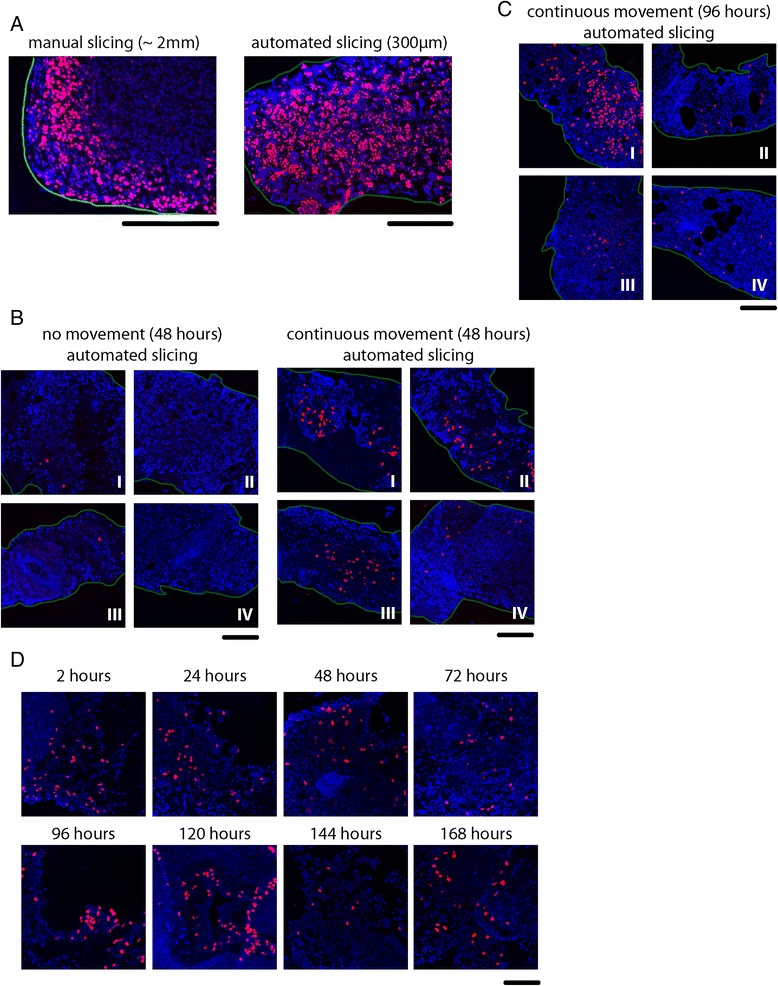
We optimized culture methods for primary breast tumor samples that allowed propagation of tissue ex vivo. We combined several tissue culture strategies, including defined tissue slicing technology, growth medium optimization and use of a rotating platform to increase nutrient exchange.
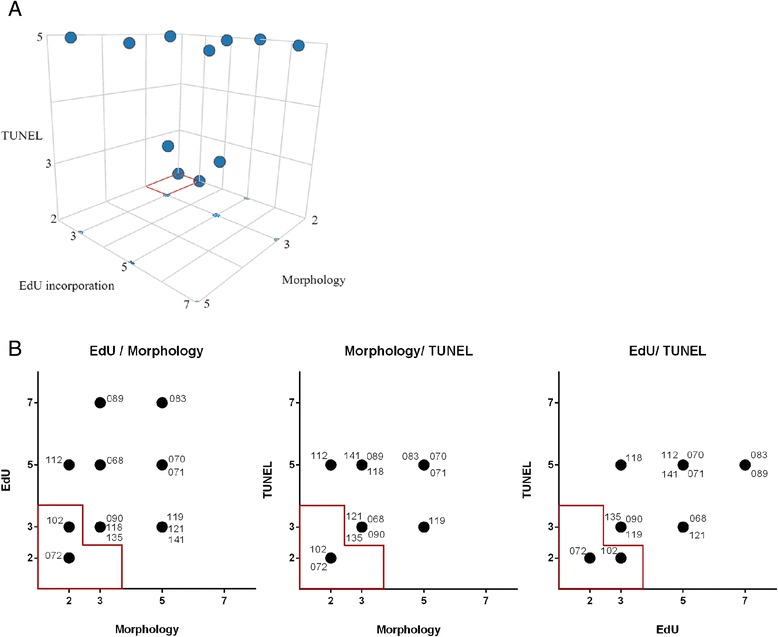
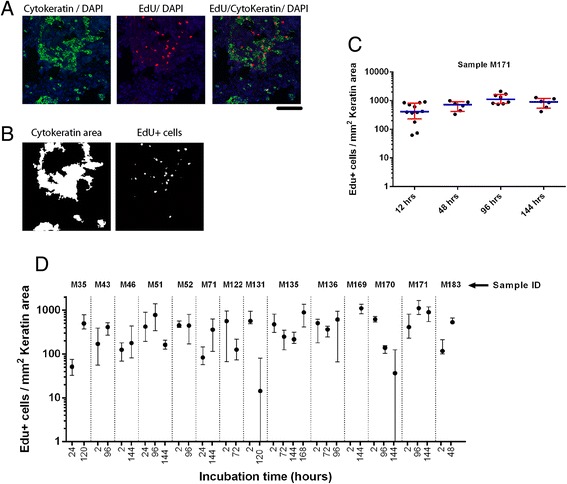
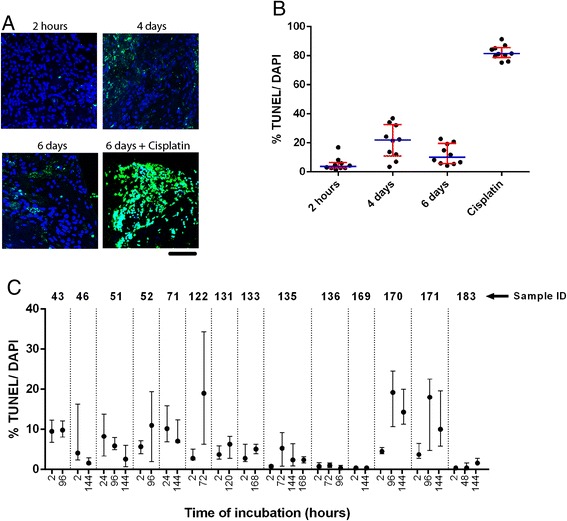
We could maintain tissue cultures for at least 7 days without losing tissue morphology, viability or cell proliferation. We also developed methods to determine the cytotoxic response of individual tumors to the chemotherapeutic treatment FAC (5-FU, Adriamycin [Doxorubicin] and Cyclophosphamide). Using this tool we designated tumors as sensitive or resistant and distinguished a clinically proven resistant tumor from other tumors.
This method defines conditions that allow ex vivo testing of individual tumor responses to anti-cancer drugs and therefore might improve personalization of breast cancer treatment.
乳腺癌的高发病率促使了新型靶向和个性化疗法的发展。癌症治疗的个性化需要可靠地预测个体患者对化疗的反应。有效的选择可以避免不必要的治疗,而这种治疗主要会导致治疗产生不良副作用。通过使用强大且特异的功能测定来表征个体肿瘤可以促进这种选择,这需要开发强大的体外培养系统和程序来分析对治疗的反应。
我们优化了原发性乳腺肿瘤样本的培养方法,使其能够在体外进行组织增殖。我们结合了多种组织培养策略,包括精确的组织切片技术、生长培养基优化以及使用旋转平台以增加营养物质交换。
我们能够维持组织培养至少7天,而不会丧失组织形态、活力或细胞增殖能力。我们还开发了测定个体肿瘤对化疗药物FAC(5-氟尿嘧啶、阿霉素[多柔比星]和环磷酰胺)细胞毒性反应的方法。使用这个工具,我们将肿瘤分为敏感或耐药,并将临床上已证实耐药的肿瘤与其他肿瘤区分开来。
该方法确定了能够在体外测试个体肿瘤对抗癌药物反应的条件,因此可能会改善乳腺癌治疗的个性化。