Shi Weichen, Wei Xinbing, Wang Ziying, Han Huirong, Fu Yi, Liu Jiang, Zhang Yan, Guo Jian, Dong Chuanqiao, Zhou Di, Zhou Quan, Chen Yuxin, Yi Fan
Department of Pharmacology, Shandong University School of Medicine, Jinan, China.
Department of Hepatobiliary Surgery, Qilu Hospital of Shandong University, Jinan, China.
J Cell Mol Med. 2016 Jun;20(6):1139-49. doi: 10.1111/jcmm.12803. Epub 2016 Feb 10.
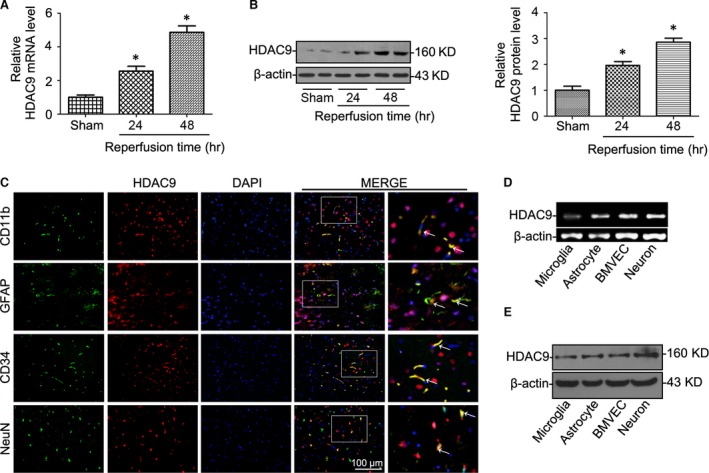
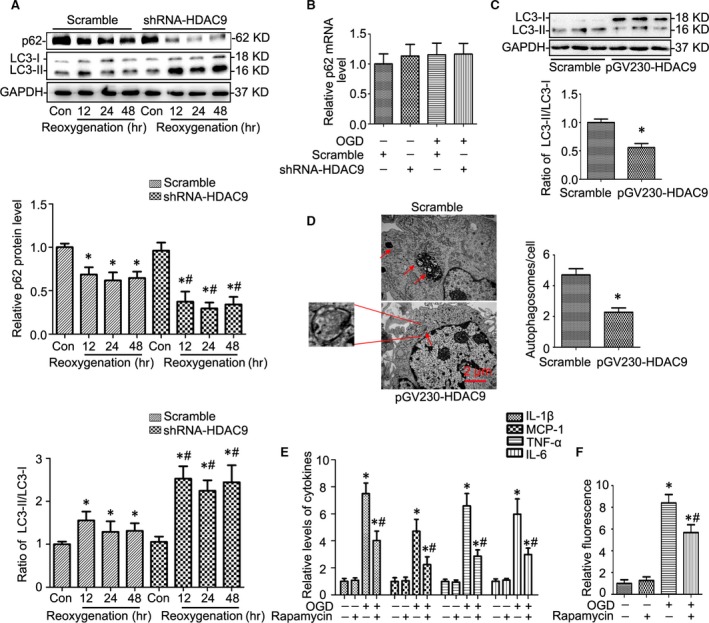
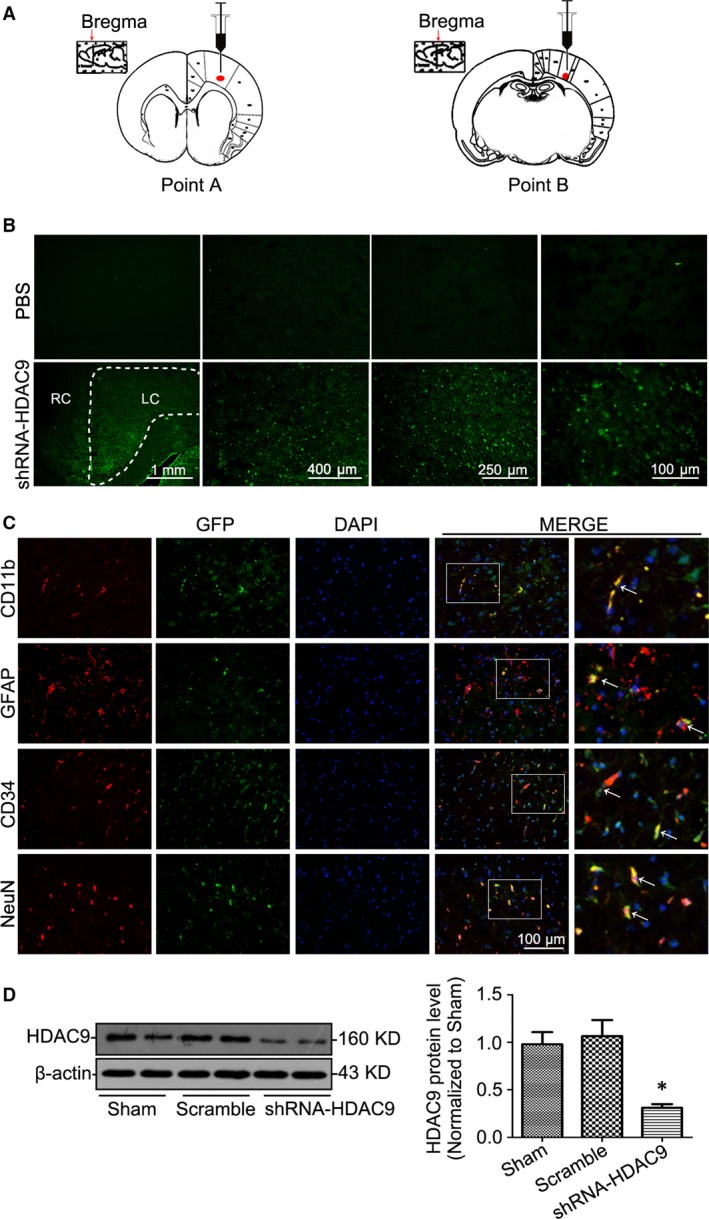
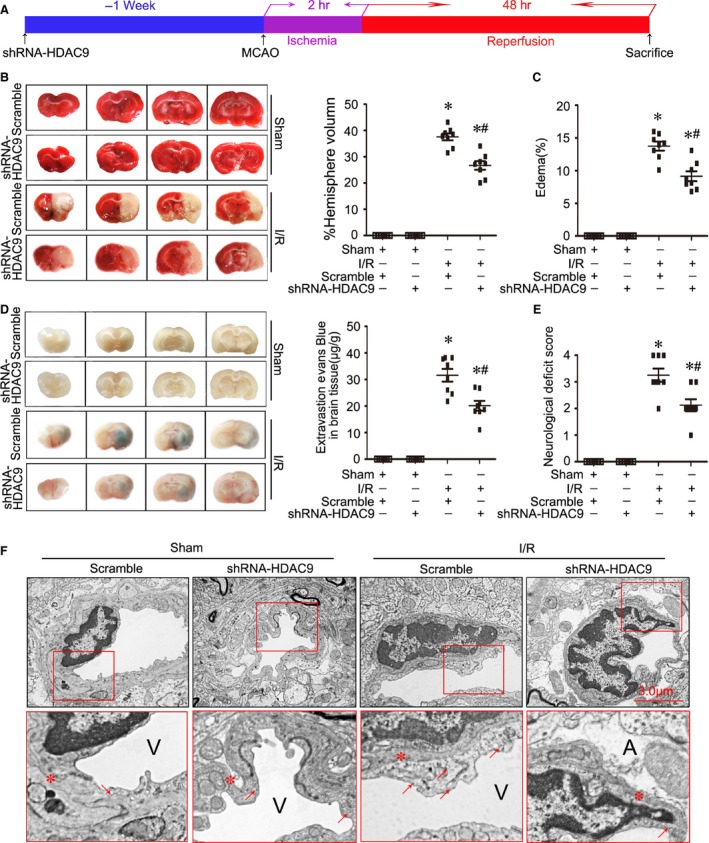
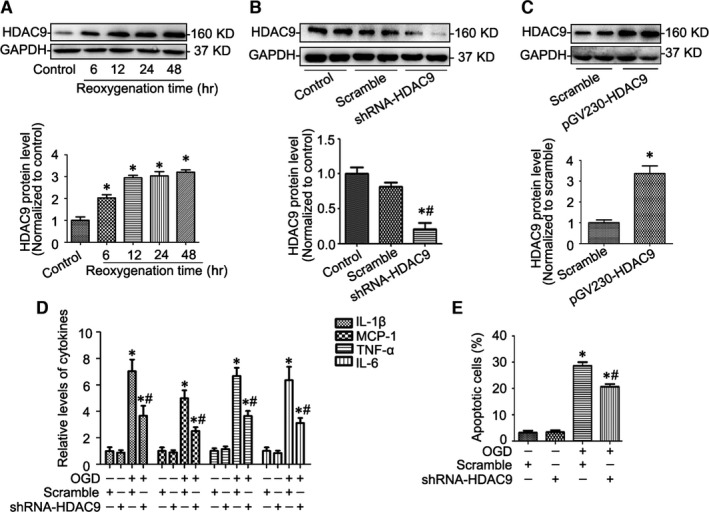
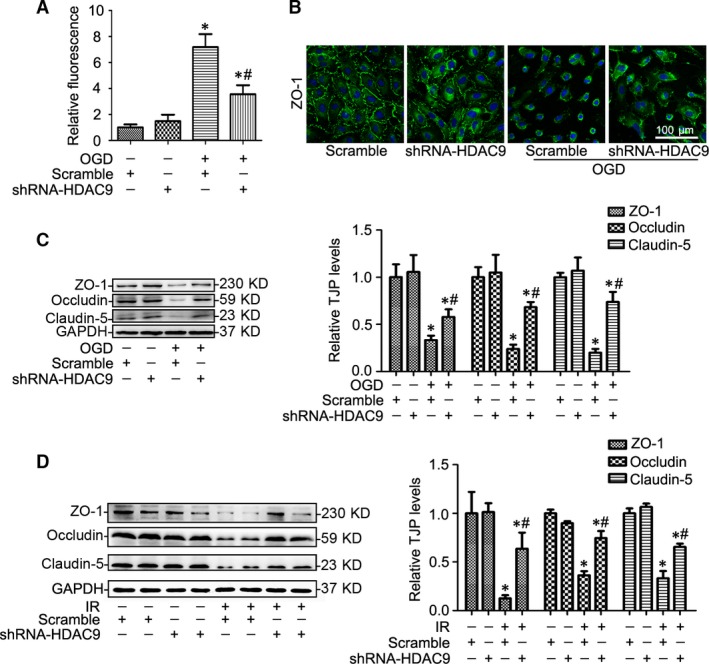
Histone deacetylase (HDAC) 9, a member of class II HDACs, regulates a wide variety of normal and abnormal physiological functions, which is usually expressed at high levels in the brain and skeletal muscle. Although studies have highlighted the importance of HDAC-mediated epigenetic processes in the development of ischaemic stroke and very recent genome-wide association studies have identified a variant in HDAC9 associated with large-vessel ischemic stroke, the molecular events by which HDAC9 induces cerebral injury keep unclear. In this study, we found that HDAC9 was up-regulated in the ischaemic cerebral hemisphere after cerebral ischaemia/reperfusion (I/R) injury in rats and in vivo gene silencing of HDAC9 by recombinated lentivirus infection in the brain reduced cerebral injury in experimental stroke. We further demonstrated that HDAC9 contributed to oxygen-glucose deprivation-induced brain microvessel endothelial cell dysfunction as demonstrated by the increased inflammatory responses, cellular apoptosis and endothelial cell permeability dysfunction accompanied by reduced expression of tight-junction proteins. We further found that HDAC9 suppressed autophagy, which was associated with endothelial dysfunction. This study for the first time provides direct evidence that HDAC9 contributes to endothelial cell injury and demonstrates that HDAC9 is one of critical components of a signal transduction pathway that links cerebral injury to epigenetic modification in the brain.
组蛋白去乙酰化酶(HDAC)9是II类HDAC的成员之一,可调节多种正常和异常的生理功能,其在大脑和骨骼肌中通常高水平表达。尽管研究强调了HDAC介导的表观遗传过程在缺血性中风发生发展中的重要性,并且最近的全基因组关联研究已经确定了HDAC9中的一个与大血管缺血性中风相关的变体,但HDAC9诱导脑损伤的分子事件仍不清楚。在本研究中,我们发现大鼠脑缺血/再灌注(I/R)损伤后,缺血性脑半球中HDAC9上调,并且通过重组慢病毒感染在脑内对HDAC9进行体内基因沉默可减轻实验性中风中的脑损伤。我们进一步证明,HDAC9导致氧糖剥夺诱导的脑微血管内皮细胞功能障碍,表现为炎症反应增加、细胞凋亡和内皮细胞通透性功能障碍,同时紧密连接蛋白表达减少。我们还进一步发现,HDAC9抑制自噬,这与内皮功能障碍有关。本研究首次提供了直接证据,证明HDAC9导致内皮细胞损伤,并表明HDAC9是将脑损伤与大脑表观遗传修饰联系起来的信号转导途径的关键组成部分之一。