Knudstrup Scott, Zochowski Michal, Booth Victoria
Department of Mathematics, University of Michigan, 530 Church St, Ann Arbor, MI, 48109, USA.
Department of Physics and Biophysics Program, University of Michigan, 450 Church St, Ann Arbor, MI, 48109, USA.
Eur J Neurosci. 2016 May;43(10):1321-39. doi: 10.1111/ejn.13210. Epub 2016 Apr 6.
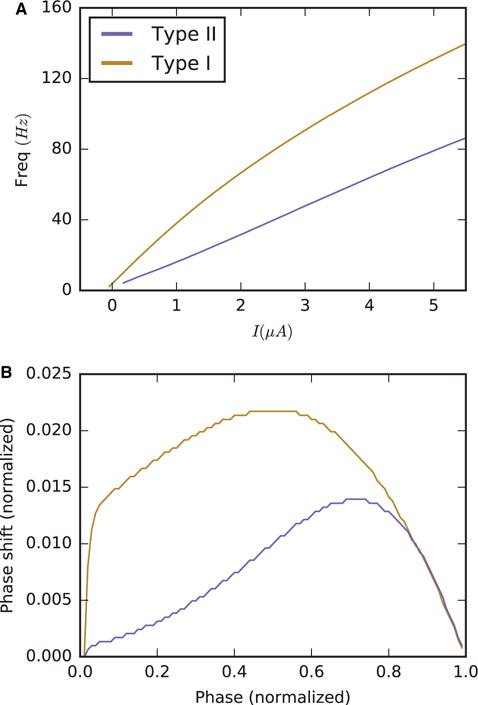
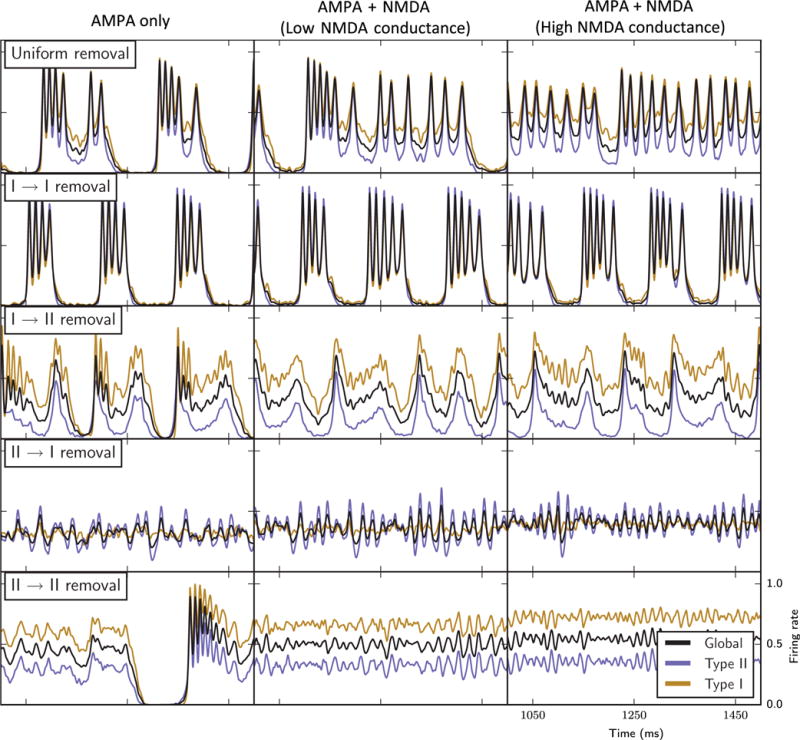
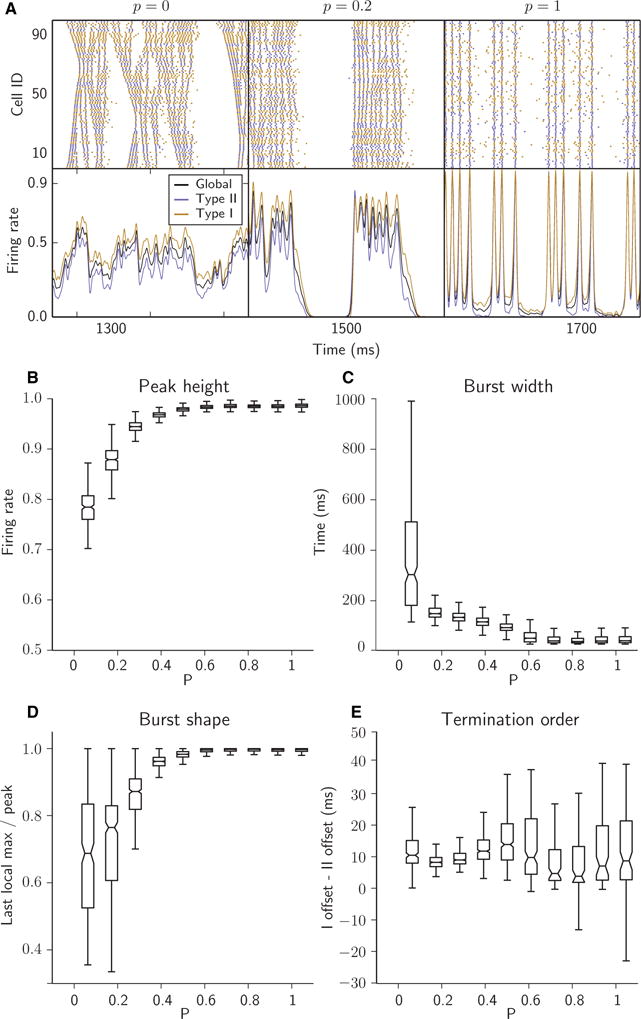
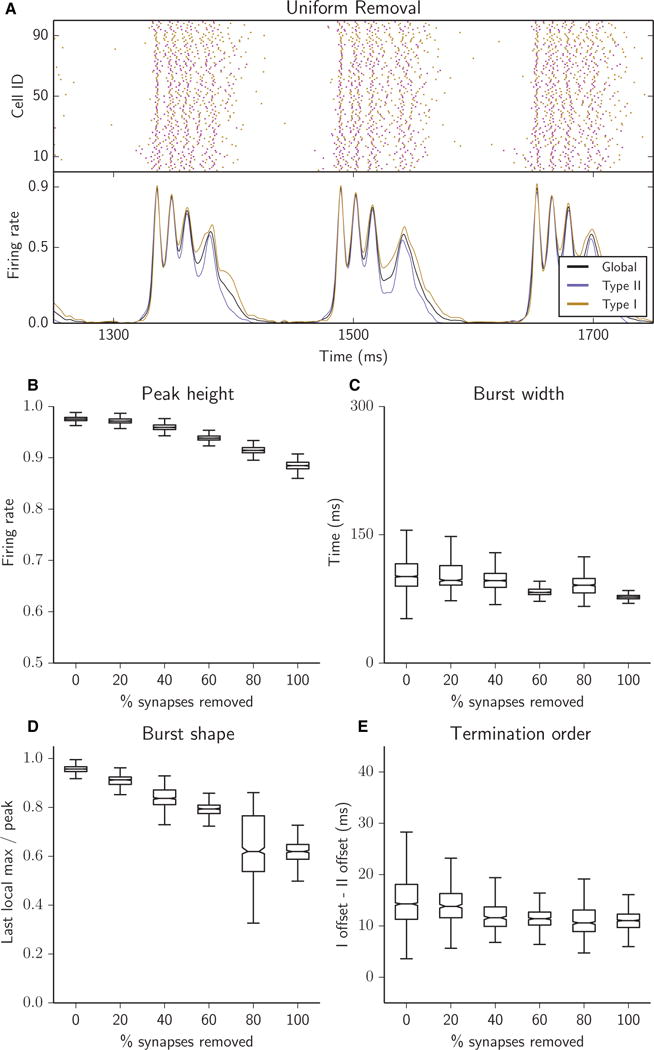
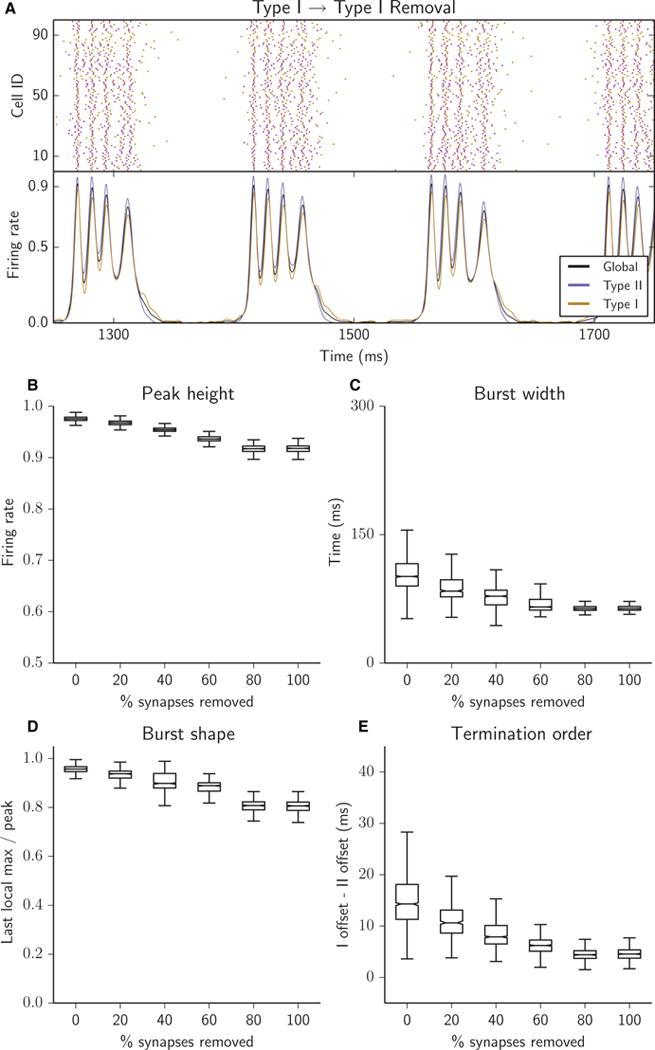
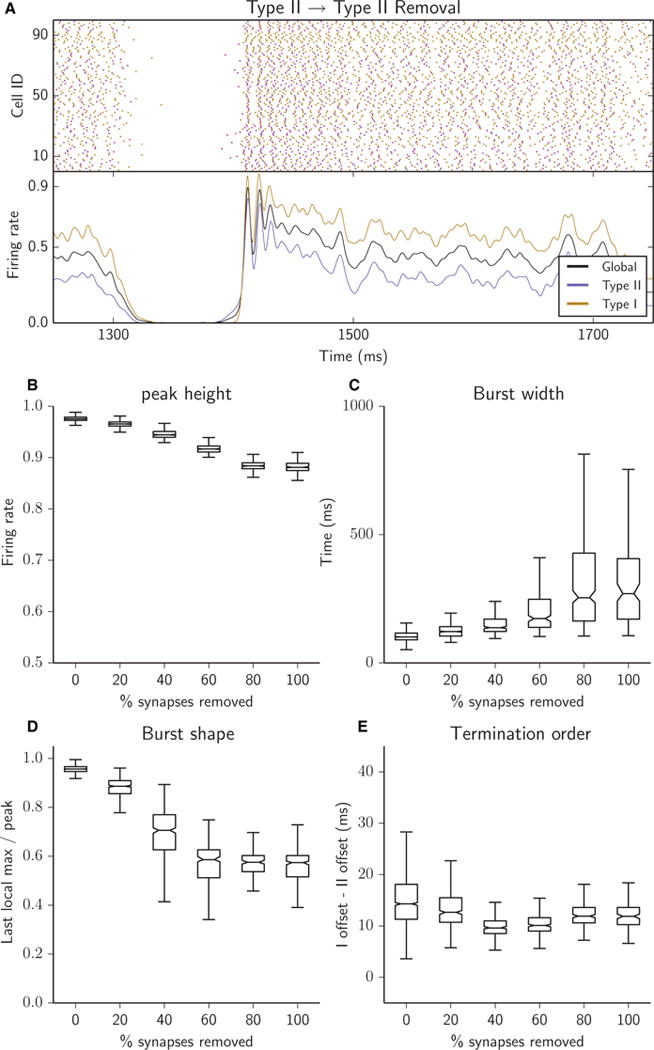
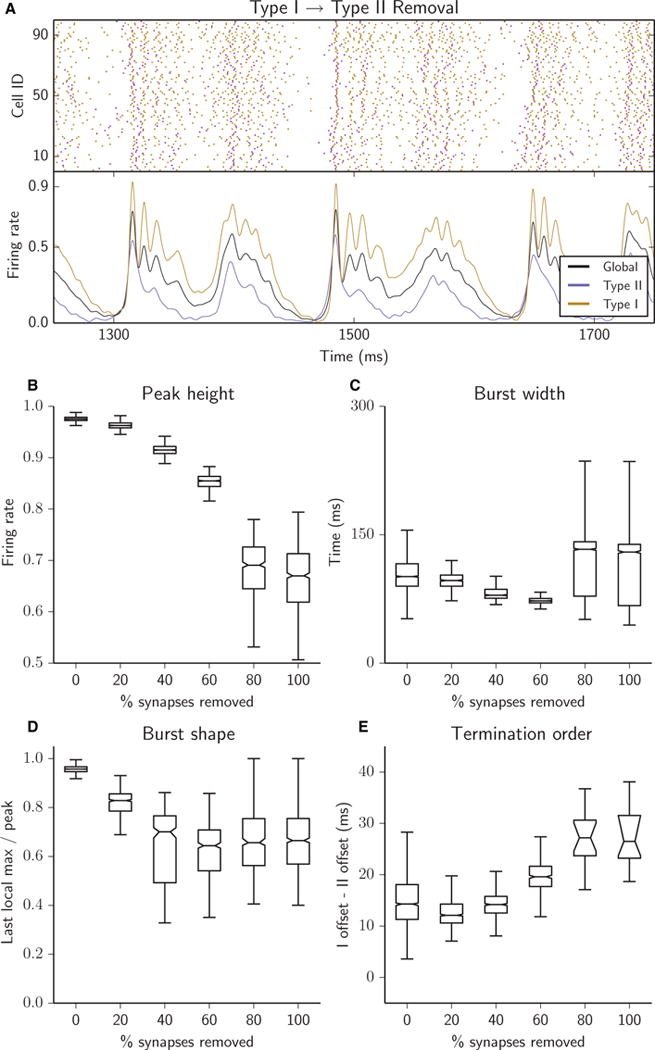
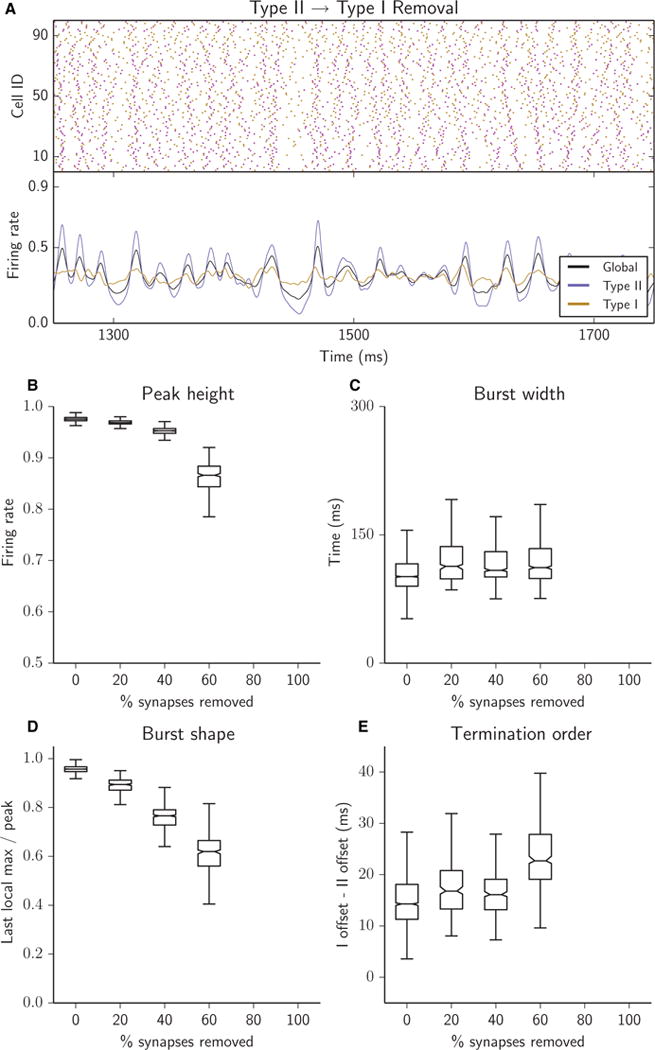
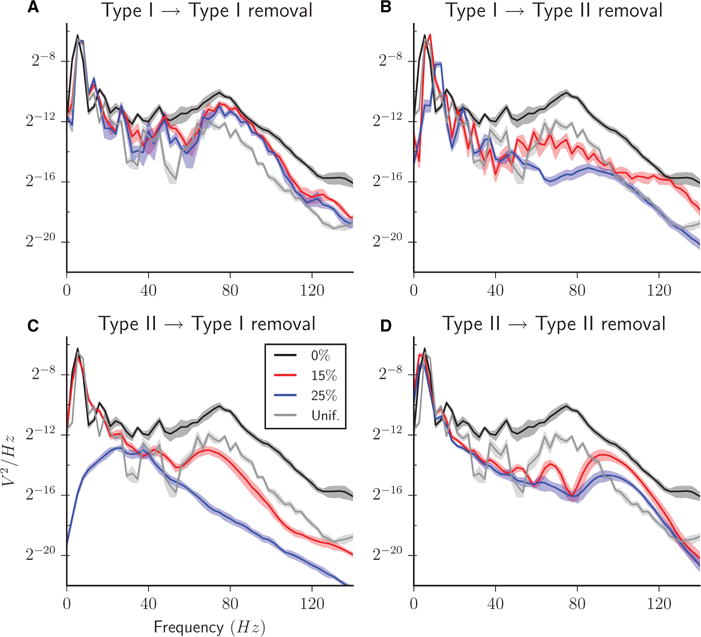
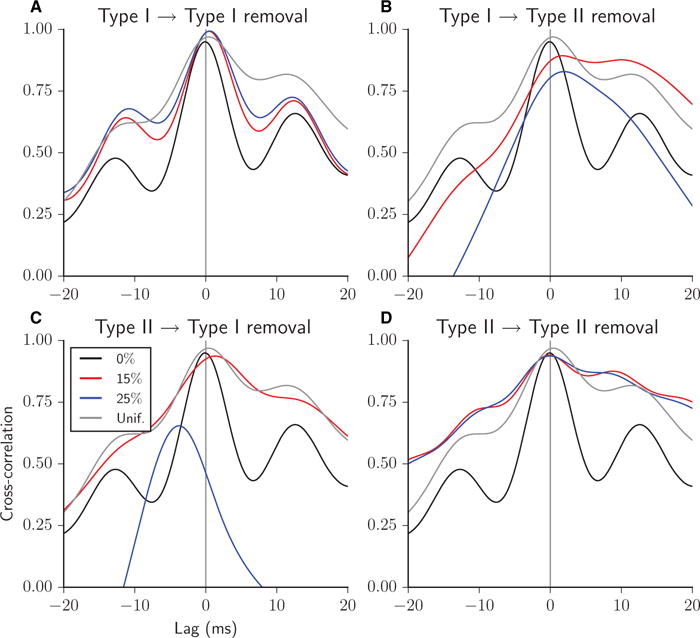
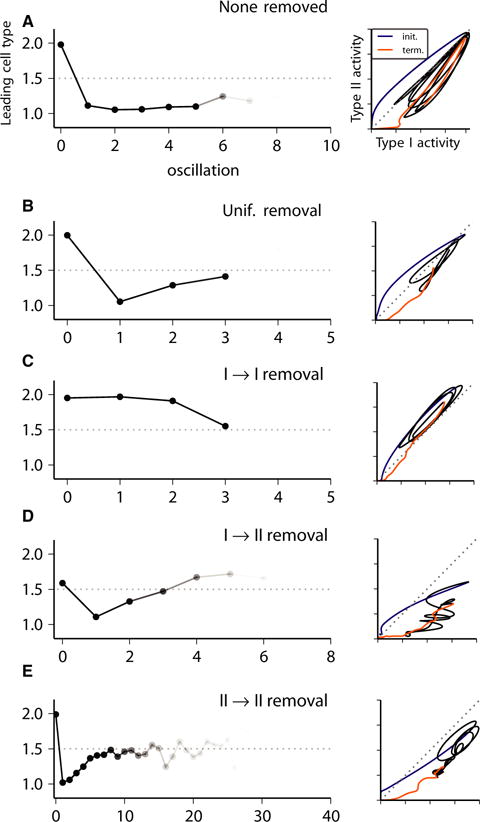
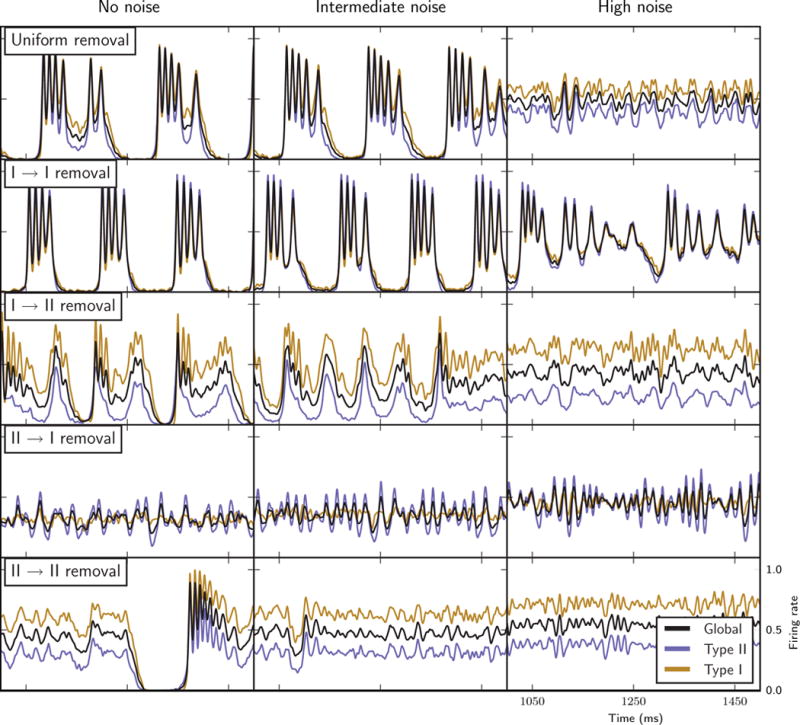
The characteristics of neural network activity depend on intrinsic neural properties and synaptic connectivity in the network. In brain networks, both of these properties are critically affected by the type and levels of neuromodulators present. The expression of many of the most powerful neuromodulators, including acetylcholine (ACh), varies tonically and phasically with behavioural state, leading to dynamic, heterogeneous changes in intrinsic neural properties and synaptic connectivity properties. Namely, ACh significantly alters neural firing properties as measured by the phase response curve in a manner that has been shown to alter the propensity for network synchronization. The aim of this simulation study was to build an understanding of how heterogeneity in cholinergic modulation of neural firing properties and heterogeneity in synaptic connectivity affect the initiation and maintenance of synchronous network bursting in excitatory networks. We show that cells that display different levels of ACh modulation have differential roles in generating network activity: weakly modulated cells are necessary for burst initiation and provide synchronizing drive to the rest of the network, whereas strongly modulated cells provide the overall activity level necessary to sustain burst firing. By applying several quantitative measures of network activity, we further show that the existence of network bursting and its characteristics, such as burst duration and intraburst synchrony, are dependent on the fraction of cell types providing the synaptic connections in the network. These results suggest mechanisms underlying ACh modulation of brain oscillations and the modulation of seizure activity during sleep states.
神经网络活动的特征取决于网络中的内在神经特性和突触连接性。在脑网络中,这两种特性都受到存在的神经调质的类型和水平的严重影响。许多最强大的神经调质,包括乙酰胆碱(ACh),其表达会随着行为状态发生紧张性和相位性变化,从而导致内在神经特性和突触连接性特性发生动态、异质性的变化。具体而言,ACh会以一种已被证明会改变网络同步倾向的方式,通过相位响应曲线显著改变神经放电特性。本模拟研究的目的是了解神经放电特性的胆碱能调制异质性和突触连接性异质性如何影响兴奋性网络中同步网络爆发的起始和维持。我们表明,表现出不同水平ACh调制的细胞在产生网络活动中具有不同作用:弱调制细胞是爆发起始所必需的,并为网络其余部分提供同步驱动,而强调制细胞则提供维持爆发放电所需的整体活动水平。通过应用几种网络活动的定量测量方法,我们进一步表明,网络爆发的存在及其特征,如爆发持续时间和爆发内同步性,取决于在网络中提供突触连接的细胞类型比例。这些结果提示了ACh对脑振荡调制以及睡眠状态下癫痫活动调制的潜在机制。