Molecular and Clinical Nutrition Section, Digestive Diseases Branch, Intramural Research Program, National Institute of Diabetes and Digestive and Kidney Diseases, National Institutes of Health (NIDDK, NIH).
EBioMedicine. 2015 Oct 3;2(11):1735-50. doi: 10.1016/j.ebiom.2015.09.049. eCollection 2015 Nov.
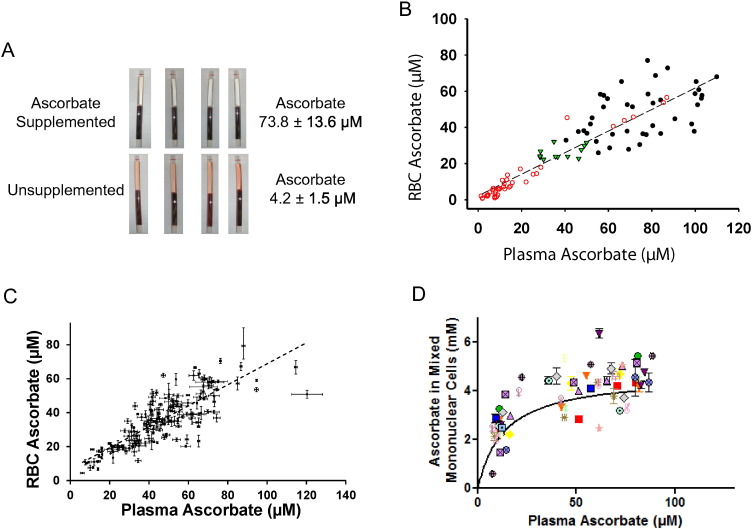
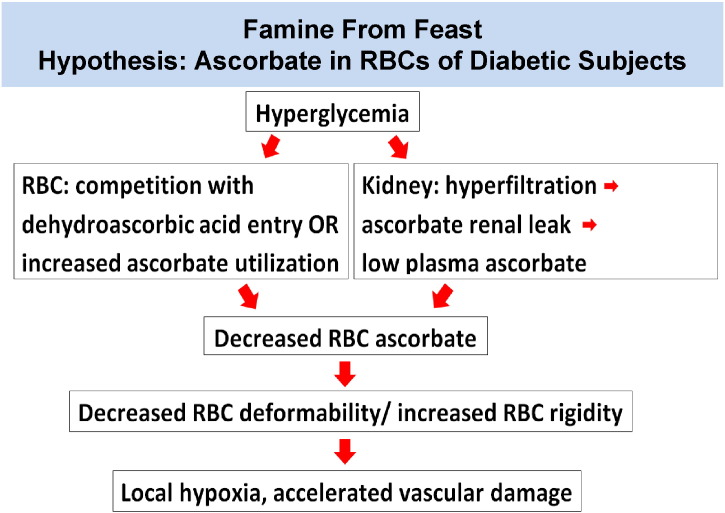
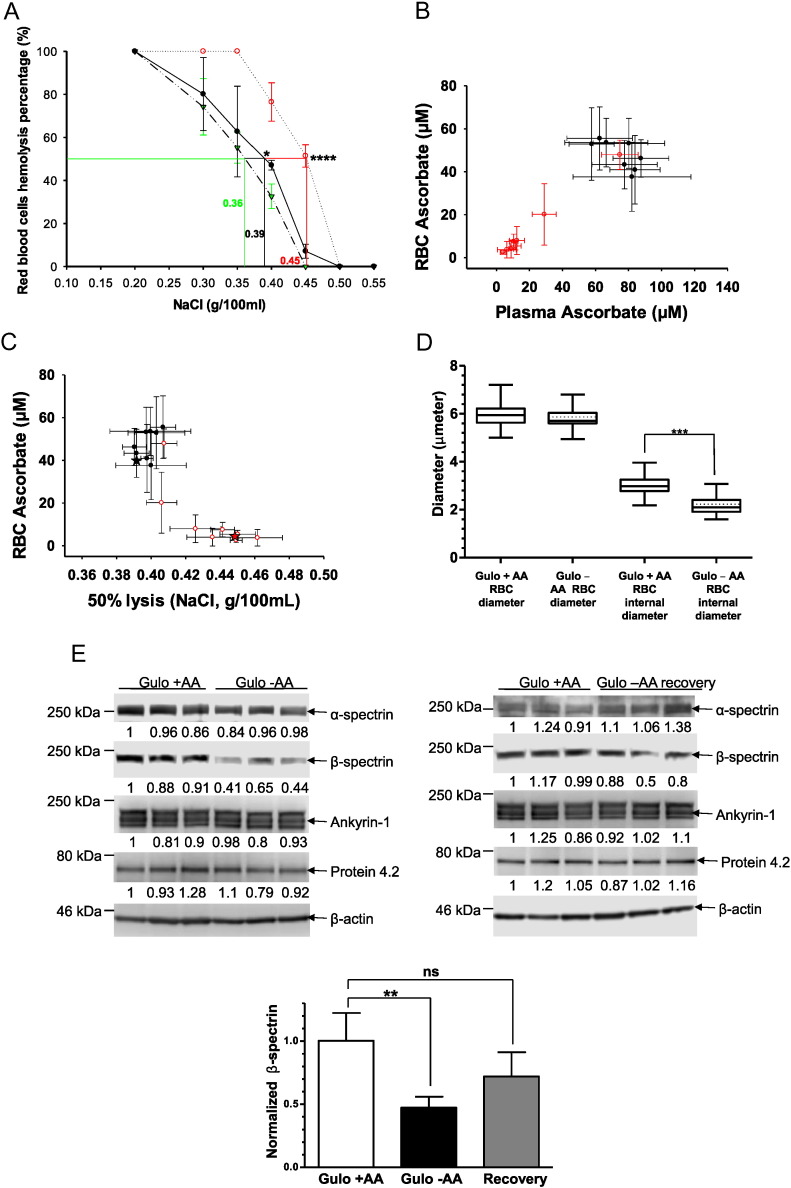
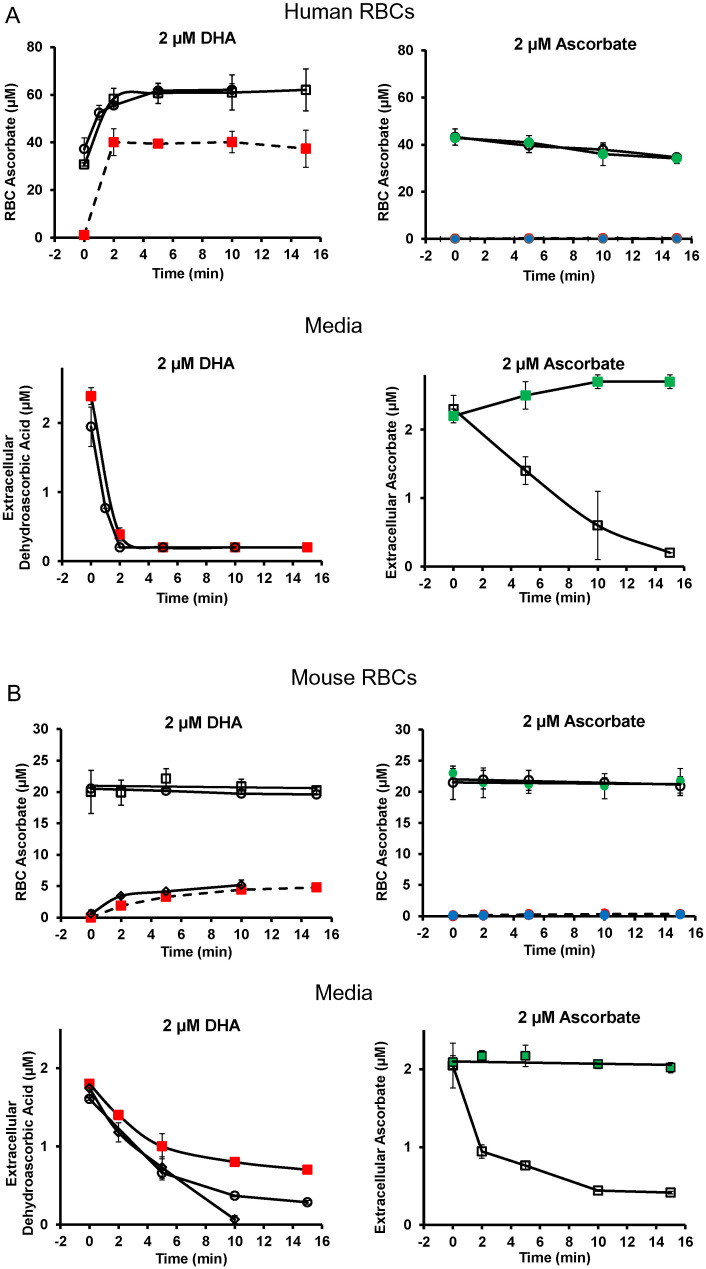
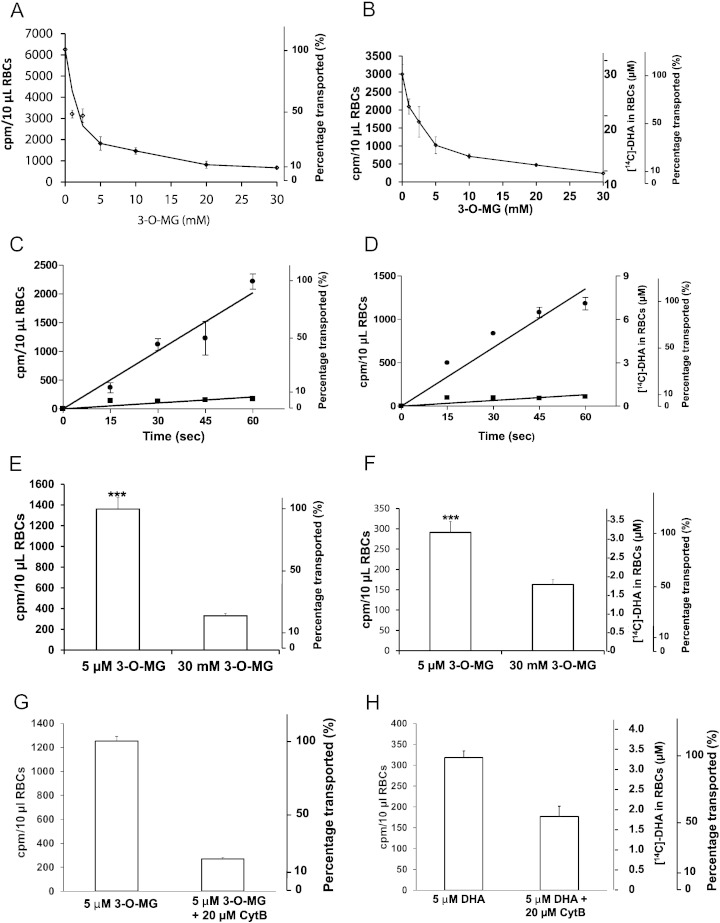
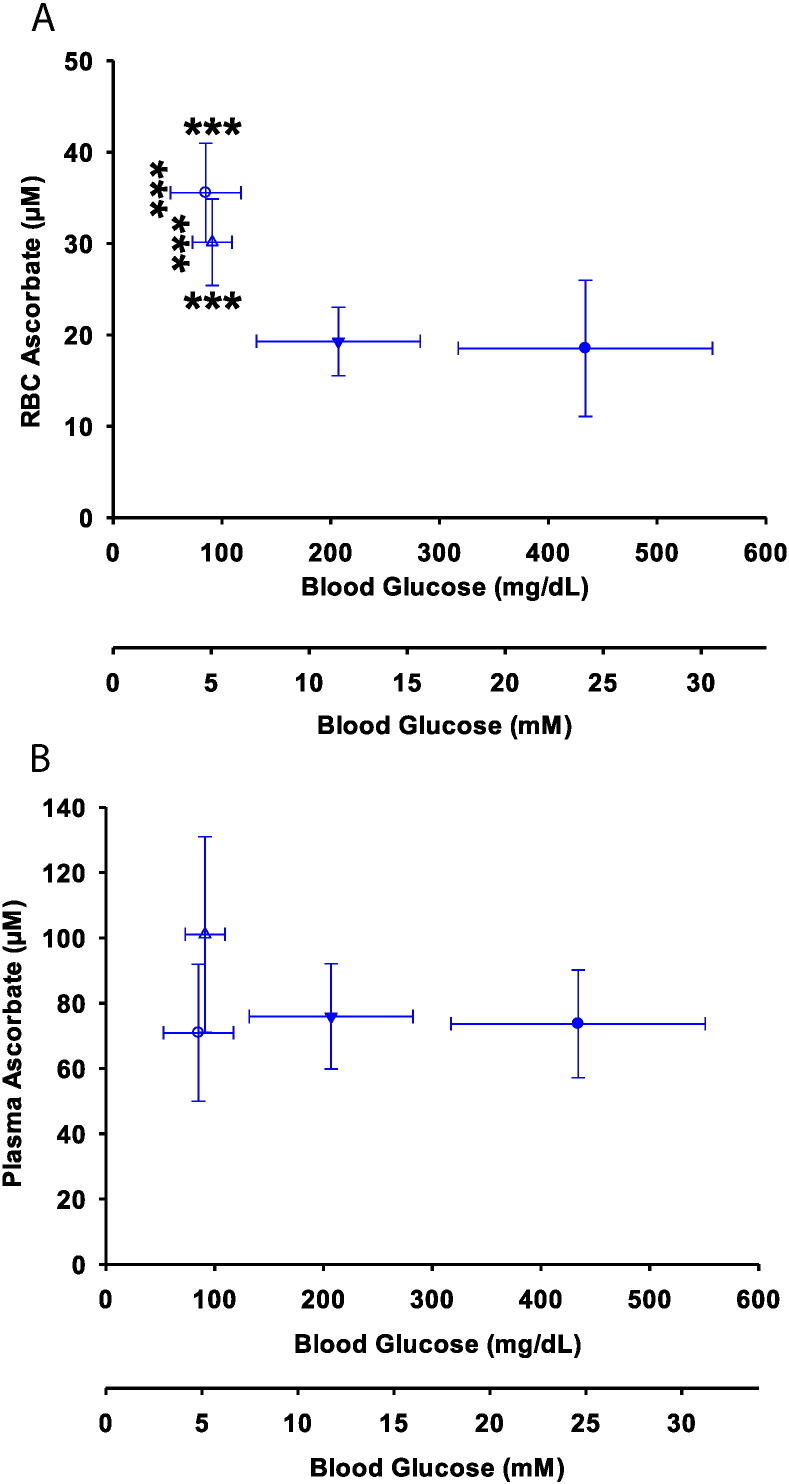
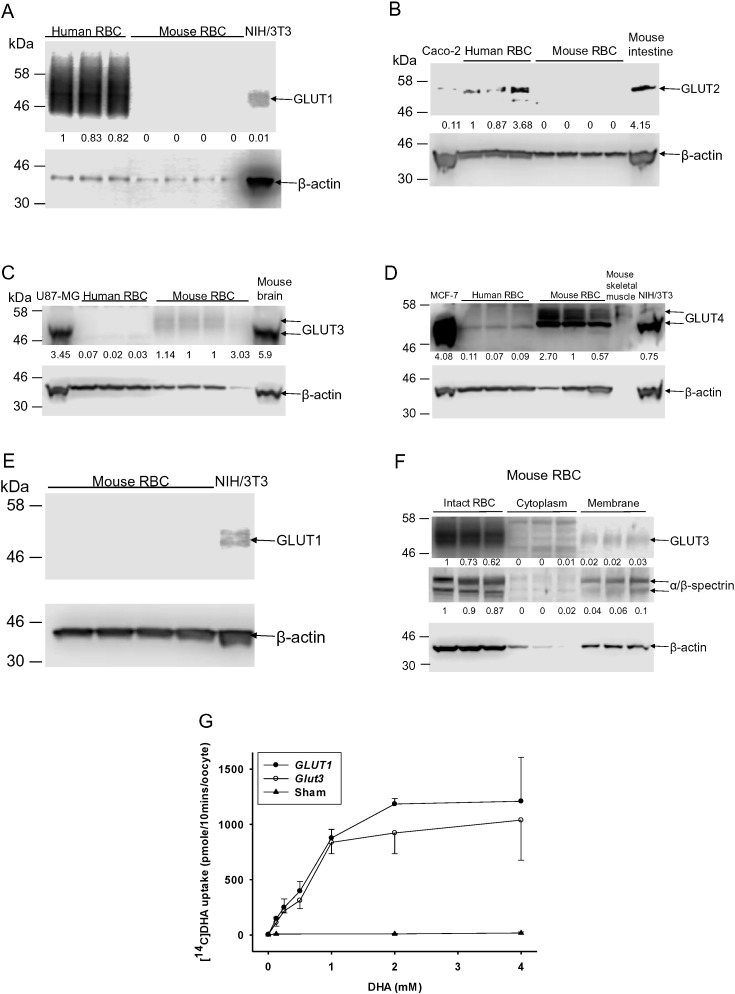
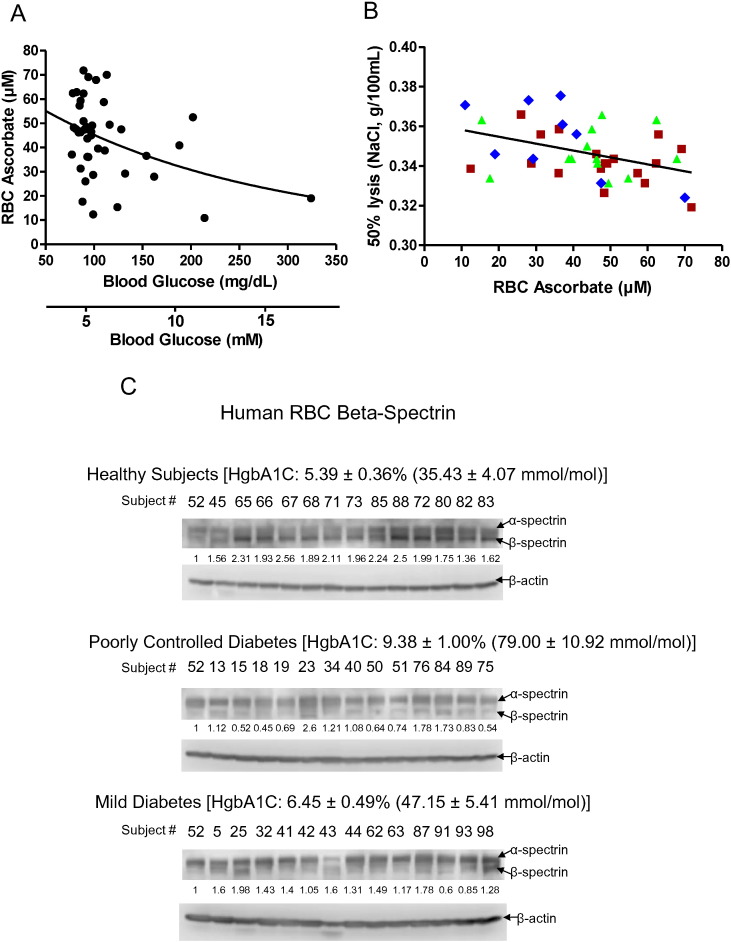
Strategies to prevent diabetic microvascular angiopathy focus on the vascular endothelium. Because red blood cells (RBCs) are less deformable in diabetes, we explored an original concept linking decreased RBC deformability to RBC ascorbate and hyperglycemia. We characterized ascorbate concentrations from human and mouse RBCs and plasma, and showed an inverse relationship between RBC ascorbate concentrations and deformability, measured by osmotic fragility. RBCs from ascorbate deficient mice were osmotically sensitive, appeared as spherocytes, and had decreased β-spectrin. These aberrancies reversed with ascorbate repletion in vivo. Under physiologic conditions, only ascorbate's oxidation product dehydroascorbic acid (DHA), a substrate for facilitated glucose transporters, was transported into mouse and human RBCs, with immediate intracellular reduction to ascorbate. In vitro, glucose inhibited entry of physiologic concentrations of dehydroascorbic acid into mouse and human RBCs. In vivo, plasma glucose concentrations in normal and diabetic mice and humans were inversely related to respective RBC ascorbate concentrations, as was osmotic fragility. Human RBC β-spectrin declined as diabetes worsened. Taken together, hyperglycemia in diabetes produced lower RBC ascorbate with increased RBC rigidity, a candidate to drive microvascular angiopathy. Because glucose transporter expression, DHA transport, and its inhibition by glucose differed for mouse versus human RBCs, human experimentation is indicated.
预防糖尿病微血管病变的策略集中在血管内皮上。因为糖尿病患者的红细胞(RBC)变形能力降低,我们探索了一个将 RBC 变形能力与 RBC 抗坏血酸和高血糖联系起来的原始概念。我们对人源和鼠源 RBC 及血浆中的抗坏血酸浓度进行了特征描述,并发现 RBC 抗坏血酸浓度与通过渗透脆性测量的变形能力呈负相关。来自抗坏血酸缺乏的小鼠的 RBC 对渗透压敏感,呈球形,且 β-血影蛋白减少。这些异常在体内补充抗坏血酸后得到逆转。在生理条件下,只有抗坏血酸的氧化产物脱氢抗坏血酸(DHA),一种易化葡萄糖转运体的底物,才会被转运进入鼠源和人源 RBC 中,并立即在细胞内还原为抗坏血酸。在体外,葡萄糖会抑制生理浓度的 DHA 进入鼠源和人源 RBC。在体内,正常和糖尿病小鼠及人类的血浆葡萄糖浓度与各自的 RBC 抗坏血酸浓度以及渗透脆性呈负相关。人类 RBC 的 β-血影蛋白随着糖尿病的恶化而下降。总之,糖尿病中的高血糖导致 RBC 抗坏血酸降低,同时 RBC 刚性增加,这可能是导致微血管病变的原因。由于葡萄糖转运体表达、DHA 转运以及葡萄糖对其的抑制在鼠源和人源 RBC 中存在差异,因此需要进行人体试验。