Chougule Rohit A, Cordero Eugenia, Moharram Sausan A, Pietras Kristian, Rönnstrand Lars, Kazi Julhash U
Division of Translational Cancer Research, Department of Laboratory Medicine, Lund University, Lund, Sweden.
Lund Stem Cell Center, Department of Laboratory Medicine, Lund University, Lund, Sweden.
Oncotarget. 2016 Mar 22;7(12):14112-24. doi: 10.18632/oncotarget.7415.
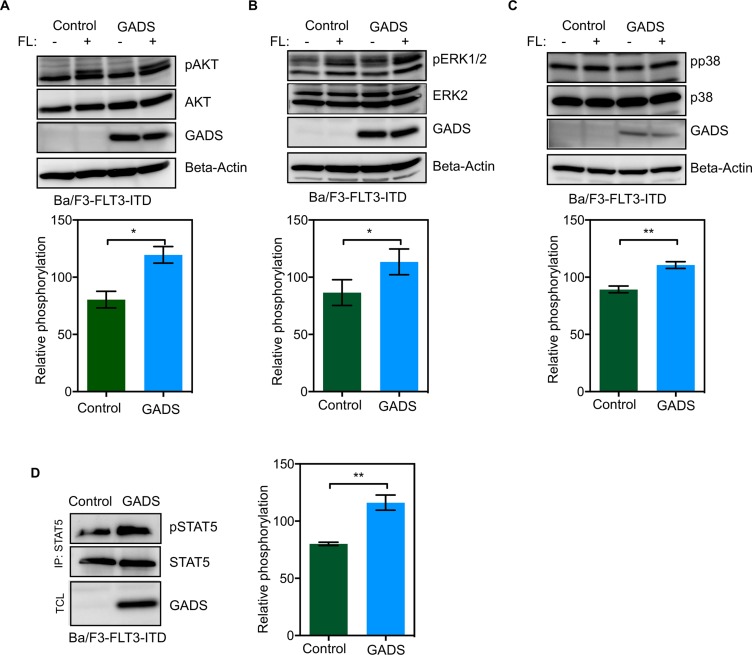
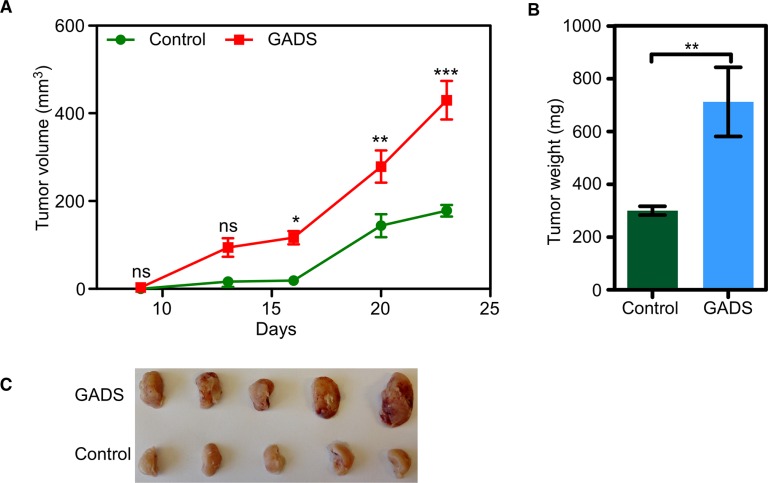
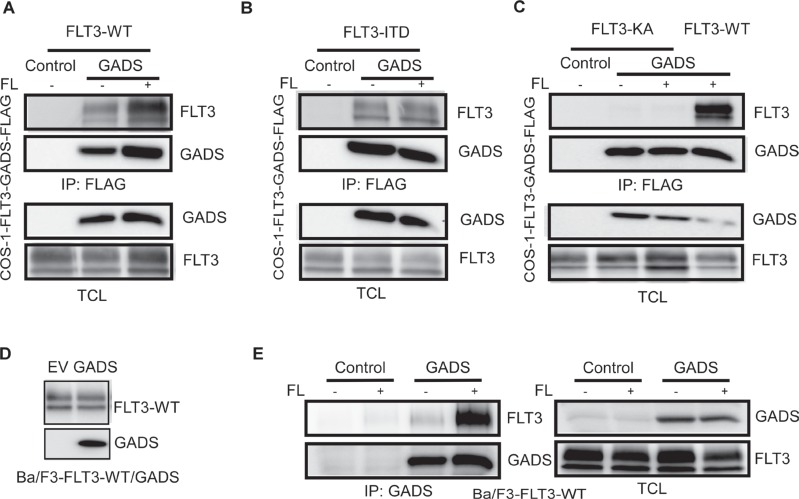
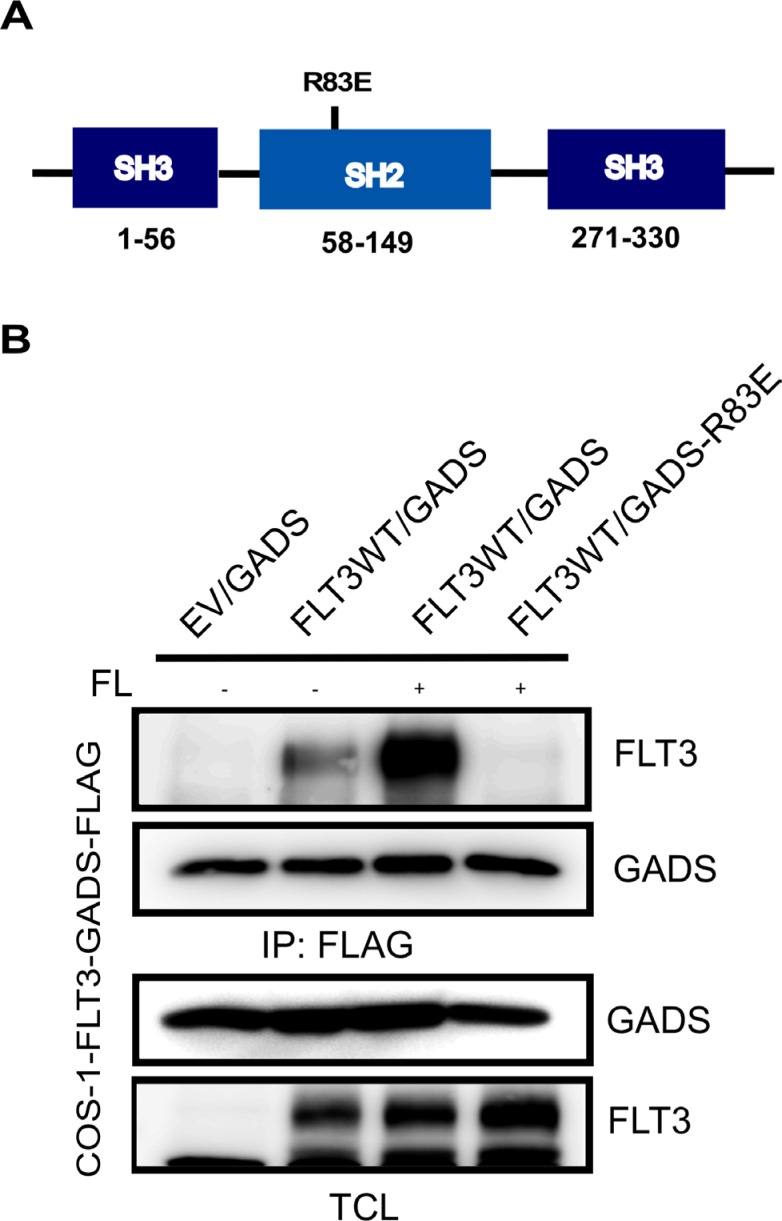
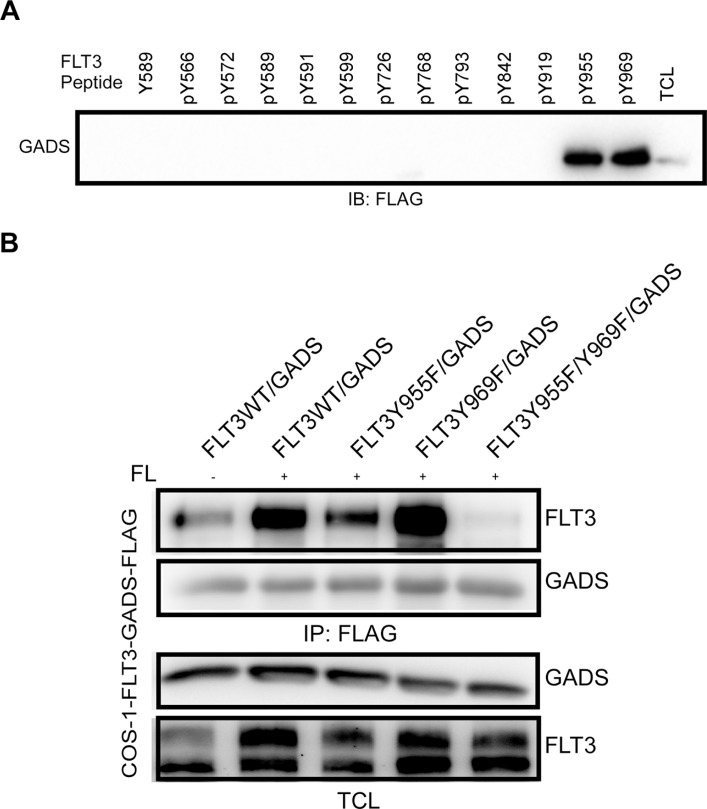
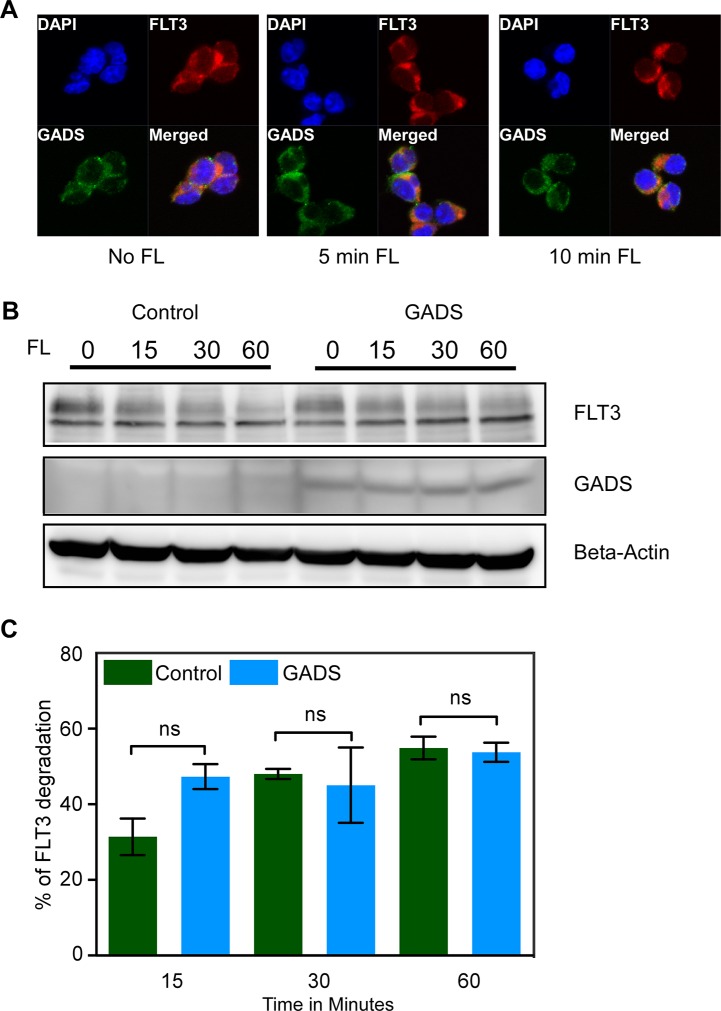
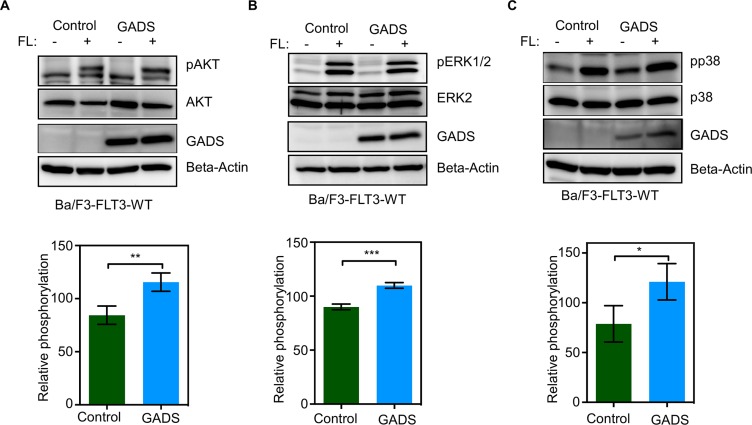
GADS is a member of a family of SH2 and SH3 domain-containing adaptors that functions in tyrosine kinase-mediated signaling cascades. Its expression is largely restricted to hematopoietic tissues and cell lines. Therefore, GADS is mainly involved in leukocyte-specific protein tyrosine kinase signaling. GADS is known to interact with tyrosine-phosphorylated SHC, BCR-ABL and KIT. The SH2 domain of GADS has a similar binding specificity to that of GRB2 but its SH3 domain displays a different binding specificity, and thus it is involved in other downstream signaling pathways than GRB2. In the present study, we examined the role of GADS in FLT3 signaling. FLT3 is a type III receptor tyrosine kinase, which is mutated in more than 30% of acute myeloid leukemia (AML) and the most common mutations is the internal tandem duplication (ITD) mutations. We observed that expression of GADS enhanced oncogenic FLT3-ITD-induced cell proliferation and colony formation in vitro. In a mouse xenograft model, GADS accelerated FLT3-ITD-dependent tumor formation. Furthermore, expression of GADS induced a transcriptional program leading to upregulation of MYC and mTORC1 target genes. GADS localizes to the cell membrane and strongly binds to ligand-stimulated wild-type FLT3 or is constitutively associated with the oncogenic mutant FLT3-ITD. We mapped the binding sites in FLT3 to pY955 and pY969 which overlaps with the GRB2 binding sites. Expression of GADS enhanced FLT3-mediated phosphorylation of AKT, ERK1/2, p38 and STAT5. Taken together, our data suggests that GADS is an important downstream component of FLT3 signaling and expression of GADS potentiates FLT3-mediated mitogenic signaling.
GADS是含SH2和SH3结构域衔接蛋白家族的成员,在酪氨酸激酶介导的信号级联反应中发挥作用。其表达主要局限于造血组织和细胞系。因此,GADS主要参与白细胞特异性蛋白酪氨酸激酶信号传导。已知GADS可与酪氨酸磷酸化的SHC、BCR-ABL和KIT相互作用。GADS的SH2结构域具有与GRB2相似的结合特异性,但其SH3结构域表现出不同的结合特异性,因此它参与了与GRB2不同的其他下游信号通路。在本研究中,我们检测了GADS在FLT3信号传导中的作用。FLT3是一种III型受体酪氨酸激酶,在超过30%的急性髓系白血病(AML)中发生突变,最常见的突变是内部串联重复(ITD)突变。我们观察到,GADS的表达增强了致癌性FLT3-ITD诱导的体外细胞增殖和集落形成。在小鼠异种移植模型中,GADS加速了FLT3-ITD依赖性肿瘤的形成。此外,GADS的表达诱导了一个转录程序,导致MYC和mTORC1靶基因的上调。GADS定位于细胞膜,与配体刺激的野生型FLT3强烈结合,或与致癌突变体FLT3-ITD组成性结合。我们将FLT3中的结合位点定位到与GRB2结合位点重叠的pY955和pY969。GADS的表达增强了FLT3介导的AKT、ERK1/2、p38和STAT5的磷酸化。综上所述,我们的数据表明,GADS是FLT3信号传导的重要下游成分,GADS的表达增强了FLT3介导的有丝分裂信号传导。