Seldin Marcus M, Meng Yonghong, Qi Hongxiu, Zhu WeiFei, Wang Zeneng, Hazen Stanley L, Lusis Aldons J, Shih Diana M
Department of Medicine, Cardiology Division at the University of California, Los Angeles, CA.
Department of Cellular & Molecular Medicine, Cleveland Clinic, Cleveland, OH.
J Am Heart Assoc. 2016 Feb 22;5(2):e002767. doi: 10.1161/JAHA.115.002767.
The choline-derived metabolite trimethylamine N-oxide (TMAO) has been demonstrated to contribute to atherosclerosis and is associated with coronary artery disease risk.
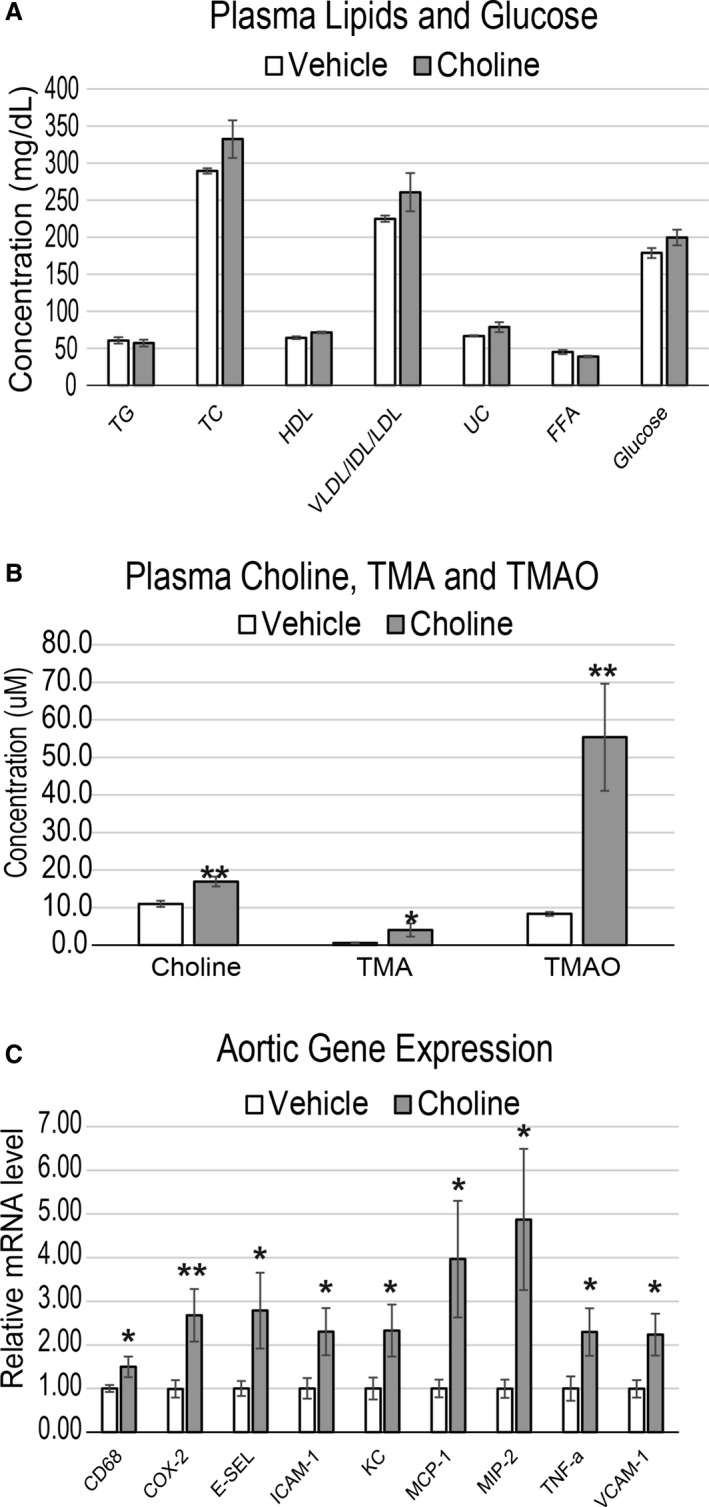
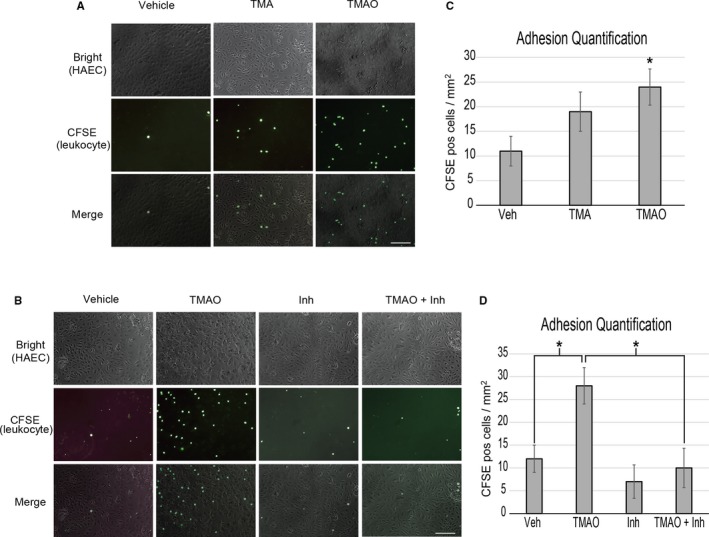
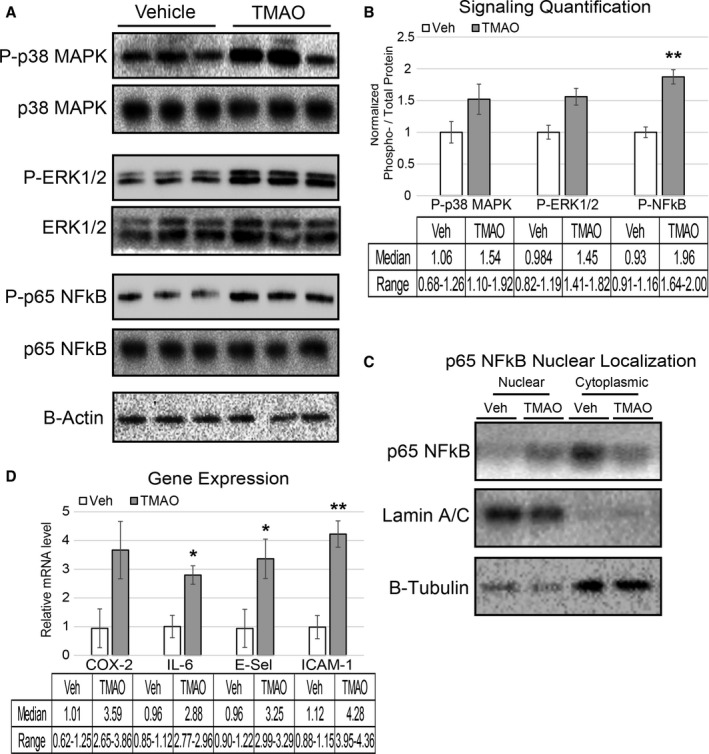
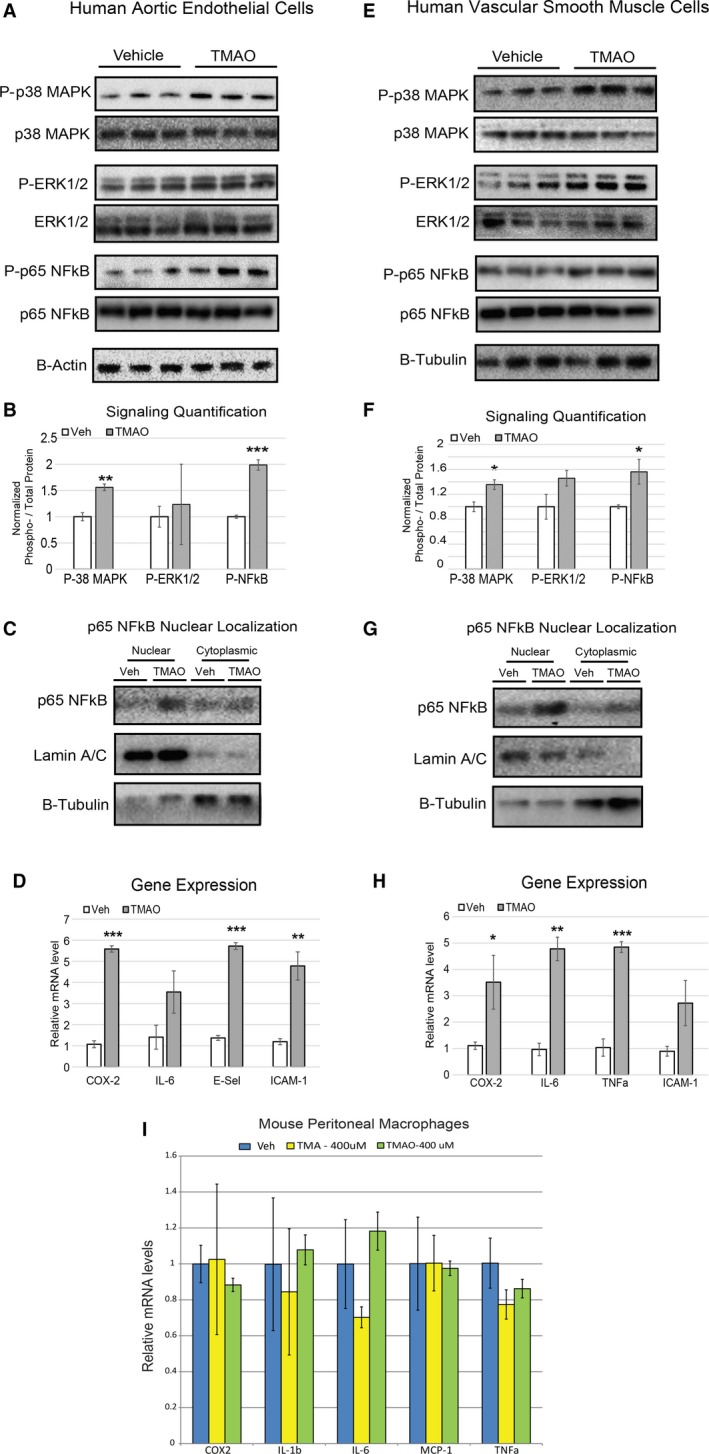
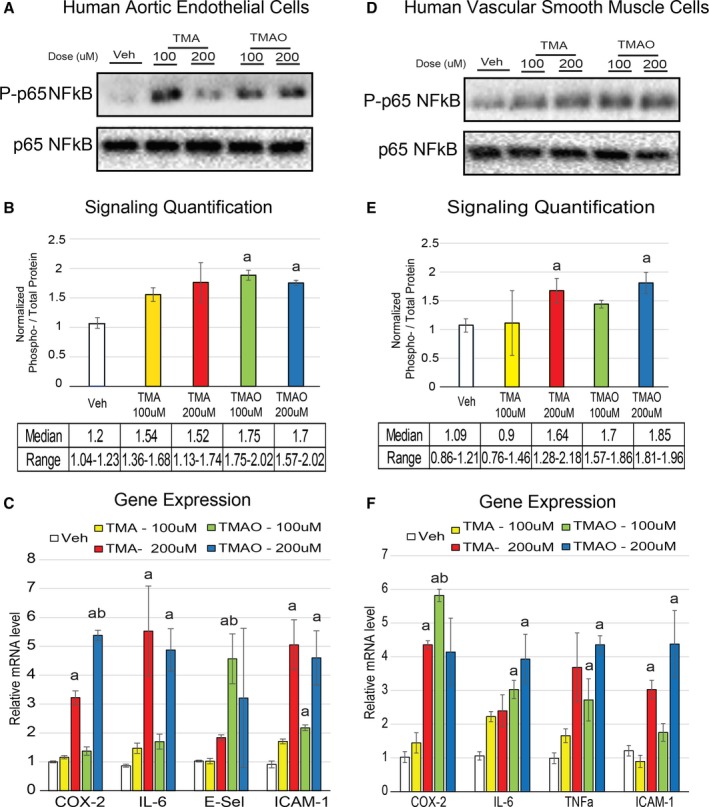
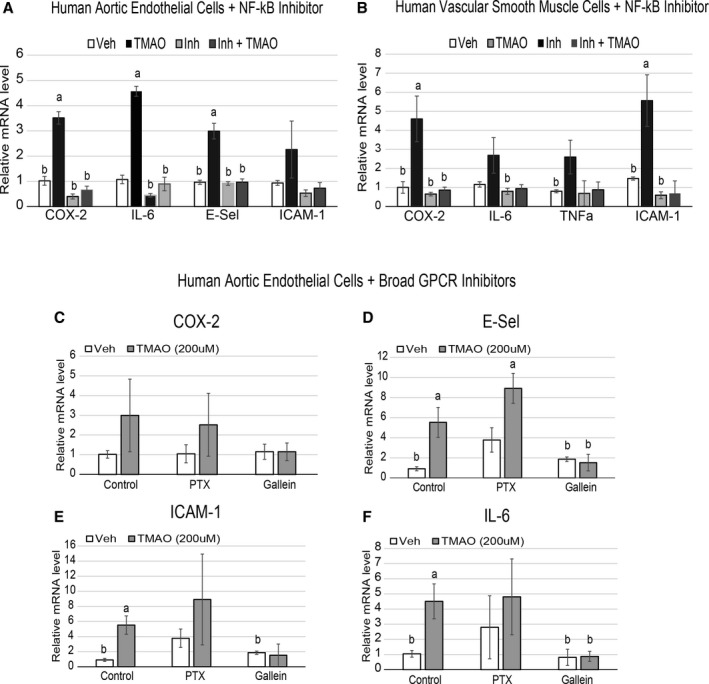
We explored the impact of TMAO on endothelial and smooth muscle cell function in vivo, focusing on disease-relevant outcomes for atherogenesis. Initially, we observed that aortas of LDLR(-/-) mice fed a choline diet showed elevated inflammatory gene expression compared with controls. Acute TMAO injection at physiological levels was sufficient to induce the same inflammatory markers and activate the well-known mitogen-activated protein kinase, extracellular signal-related kinase, and nuclear factor-κB signaling cascade. These observations were recapitulated in primary human aortic endothelial cells and vascular smooth muscle cells. We also found that TMAO promotes recruitment of activated leukocytes to endothelial cells. Through pharmacological inhibition, we further showed that activation of nuclear factor-κB signaling was necessary for TMAO to induce inflammatory gene expression in both of these relevant cell types as well as endothelial cell adhesion of leukocytes.
Our results suggest a likely contributory mechanism for TMAO-dependent enhancement in atherosclerosis and cardiovascular risks.
胆碱衍生的代谢产物氧化三甲胺(TMAO)已被证明会促进动脉粥样硬化,并与冠状动脉疾病风险相关。
我们探讨了TMAO对体内内皮细胞和平滑肌细胞功能的影响,重点关注动脉粥样硬化形成的疾病相关结果。最初,我们观察到,与对照组相比,喂食胆碱饮食的LDLR(-/-)小鼠的主动脉炎症基因表达升高。在生理水平上急性注射TMAO足以诱导相同的炎症标志物,并激活著名的丝裂原活化蛋白激酶、细胞外信号相关激酶和核因子κB信号级联反应。这些观察结果在原代人主动脉内皮细胞和血管平滑肌细胞中得到了重现。我们还发现,TMAO促进活化白细胞向内皮细胞的募集。通过药理学抑制,我们进一步表明,核因子κB信号的激活对于TMAO在这两种相关细胞类型中诱导炎症基因表达以及白细胞与内皮细胞的黏附是必要的。
我们的结果提示了一种可能的机制,解释了TMAO如何导致动脉粥样硬化和心血管风险增加。