Chen Yi-Ming, Lin Che-Li, Wei Li, Hsu Yi-Ju, Chen Kuan-Neng, Huang Chi-Chang, Kao Chin-Hsung
Graduate Institute of Sports Science, National Taiwan Sport University, Taoyuan 33301, Taiwan.
Department of Orthopedic Surgery, Taipei Medical University-Shuang Ho Hospital, New Taipei City 23561, Taiwan.
Nutrients. 2016 Feb 20;8(2):106. doi: 10.3390/nu8020106.
Exercise and fitness training programs have attracted the public's attention in recent years. Sports nutrition supplementation is an important issue in the global sports market.
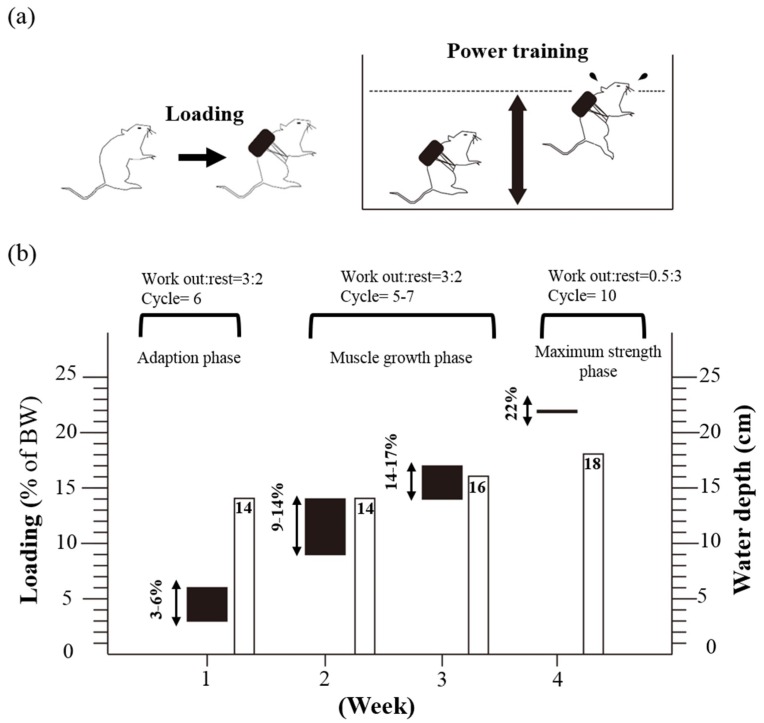
In this study, we designed a power exercise training (PET) program with a mouse model based on a strength and conditional training protocol for humans. We tested the effect of supplementation with functional branched-chain amino acid (BCAA)-rich sake protein (SP) to determine whether the supplement had a synergistic effect during PET and enhanced athletic performance and resistance to fatigue.
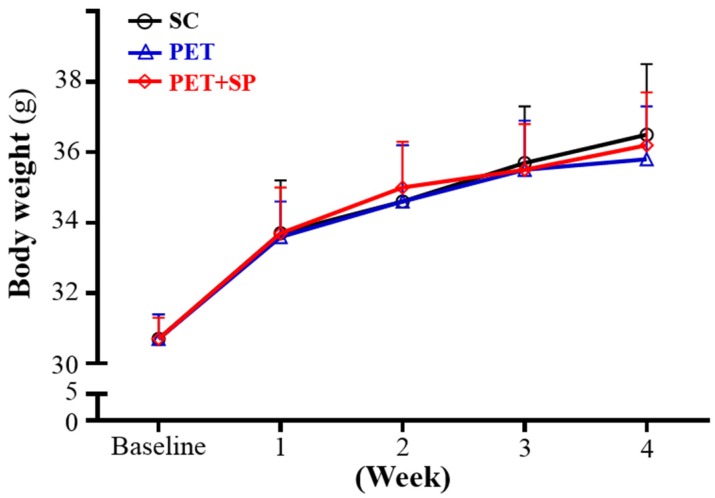
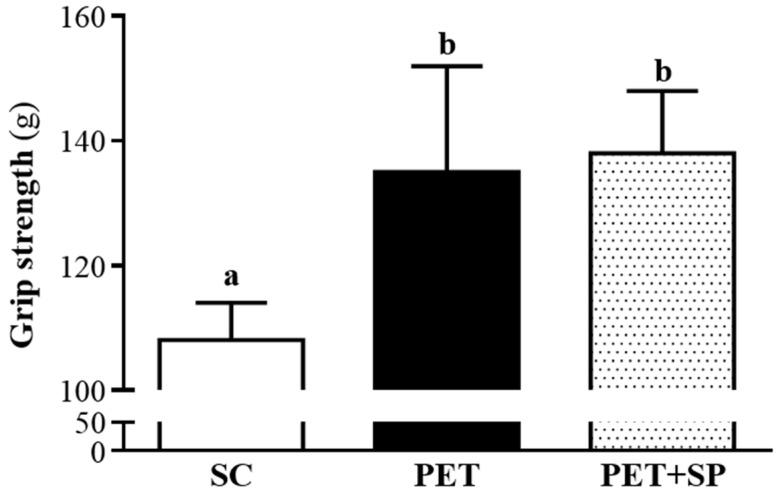
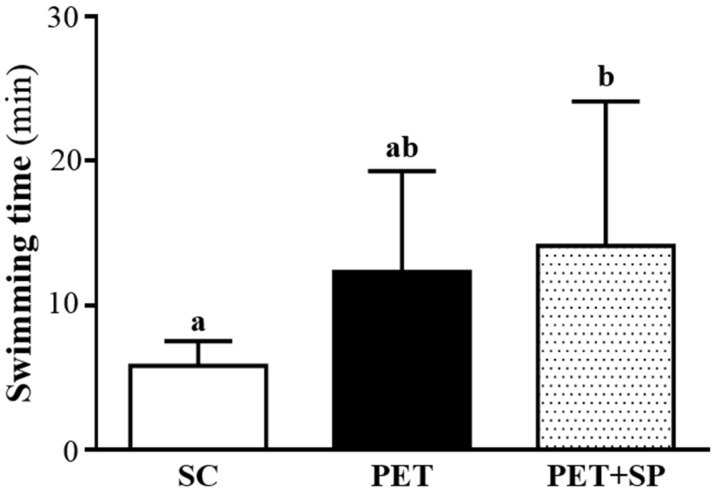
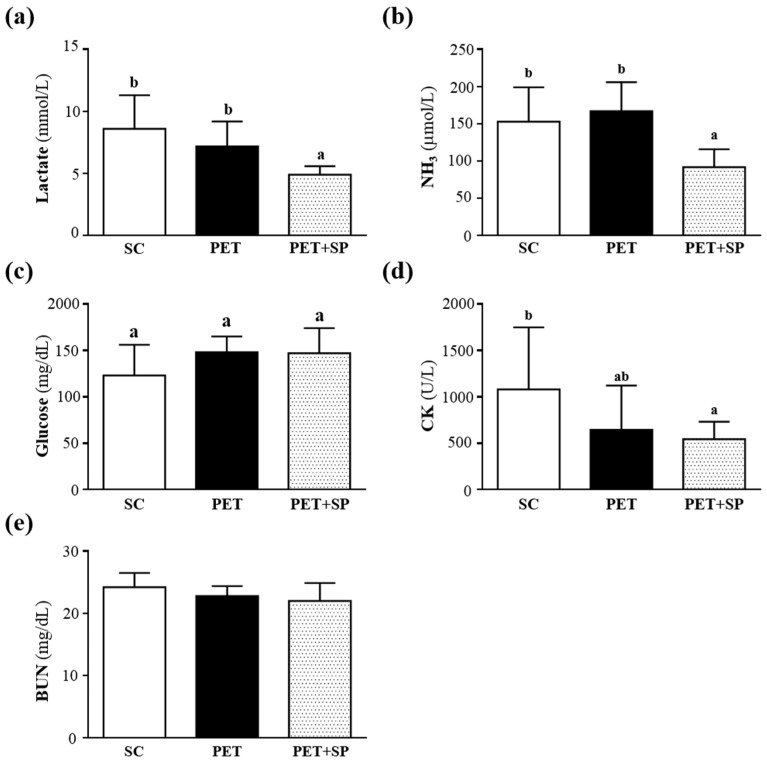
Male ICR mice were divided into three groups (n = 8 per group) for four-week treatment: sedentary controls with vehicle (SC), and PET and PET groups with SP supplementation (3.8 g/kg, PET + SP). Exercise performance was evaluated by forelimb grip strength and exhaustive swimming time as well as changes in body composition and anti-fatigue activity levels of serum lactate, ammonia, glucose, and creatine kinase (CK) after a 15-min swimming exercise. The biochemical parameters were measured at the end of the experiment.
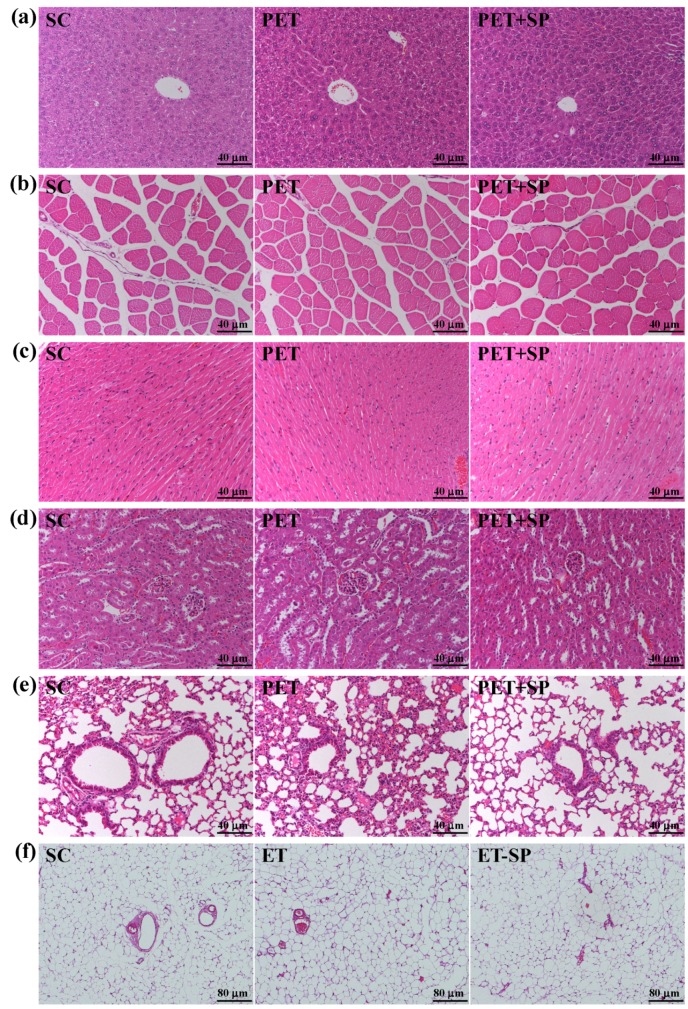
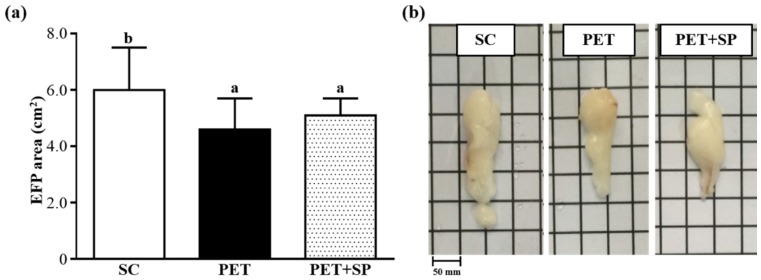
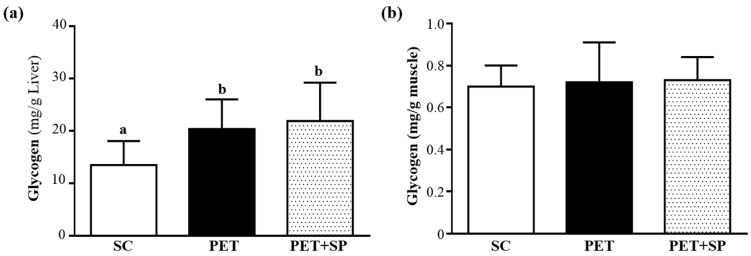
four-week PET significantly increased grip strength and exhaustive swimming time and decreased epididymal fat pad (EFP) weight and area. Levels of aspartate aminotransferase (AST), alanine aminotransferase (ALT), creatinine, and uric acid (UA) were significantly increased. PET + SP supplementation significantly decreased serum lactate, ammonia and CK levels after the 15-min swimming exercise. The resting serum levels of AST, ALT, CREA and UA were all significantly decreased with PET + SP.
The PET program could increase the exercise performance and modulate the body composition of mice. PET with SP conferred better anti-fatigue activity, improved biochemical profiles, and may be an effective ergogenic aid in strength training.
近年来,运动和健身训练计划吸引了公众的关注。运动营养补充是全球体育市场中的一个重要问题。
在本研究中,我们基于人类的力量和条件训练方案,用小鼠模型设计了一种动力运动训练(PET)计划。我们测试了补充富含功能性支链氨基酸(BCAA)的清酒蛋白(SP)的效果,以确定该补充剂在PET期间是否具有协同作用,并增强运动表现和抗疲劳能力。
将雄性ICR小鼠分为三组(每组n = 8)进行为期四周的治疗:给予载体的久坐对照组(SC),以及补充SP(3.8 g/kg,PET + SP)的PET组和PET组。通过前肢握力、力竭游泳时间以及15分钟游泳运动后身体成分的变化和血清乳酸、氨、葡萄糖和肌酸激酶(CK)的抗疲劳活性水平来评估运动表现。在实验结束时测量生化参数。
为期四周的PET显著增加了握力和力竭游泳时间,并降低了附睾脂肪垫(EFP)的重量和面积。天冬氨酸转氨酶(AST)、丙氨酸转氨酶(ALT)、肌酐和尿酸(UA)水平显著升高。补充PET + SP在15分钟游泳运动后显著降低了血清乳酸、氨和CK水平。PET + SP使AST、ALT、CREA和UA的静息血清水平均显著降低。
PET计划可以提高小鼠的运动表现并调节其身体成分。PET与SP一起具有更好的抗疲劳活性,改善了生化指标,并且可能是力量训练中一种有效的促力辅助剂。