Shettigar Vikram, Zhang Bo, Little Sean C, Salhi Hussam E, Hansen Brian J, Li Ning, Zhang Jianchao, Roof Steve R, Ho Hsiang-Ting, Brunello Lucia, Lerch Jessica K, Weisleder Noah, Fedorov Vadim V, Accornero Federica, Rafael-Fortney Jill A, Gyorke Sandor, Janssen Paul M L, Biesiadecki Brandon J, Ziolo Mark T, Davis Jonathan P
Davis Heart and Lung Research Institute and Department of Physiology and Cell Biology, Columbus, Ohio 43210, USA.
Bristol-Myers Squibb, Department of Discovery Biology, Wallingford, Connecticut 06492, USA.
Nat Commun. 2016 Feb 24;7:10794. doi: 10.1038/ncomms10794.
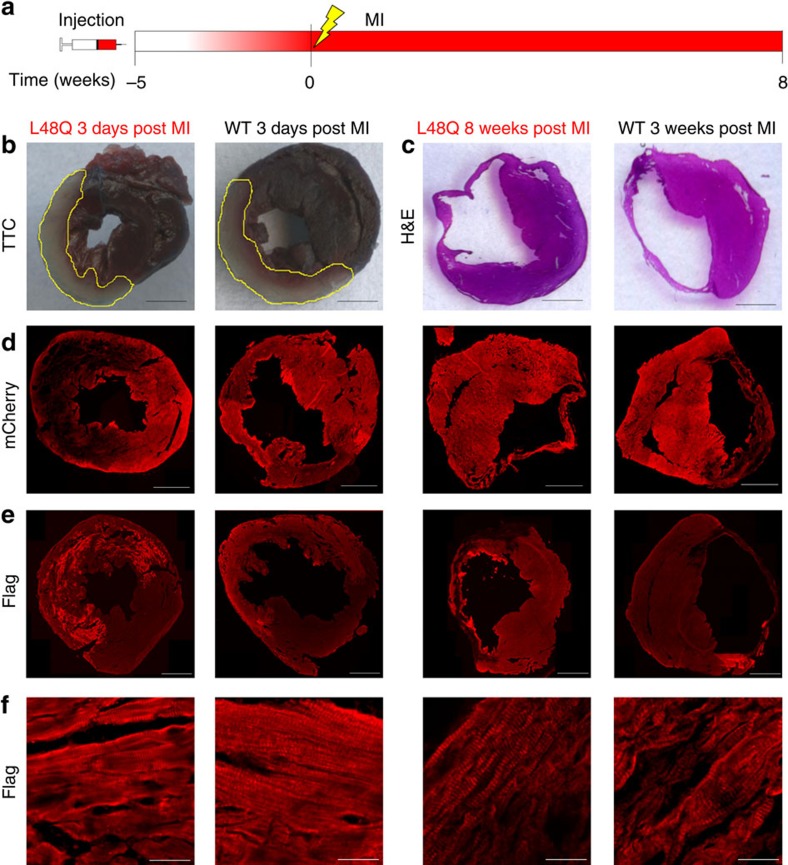
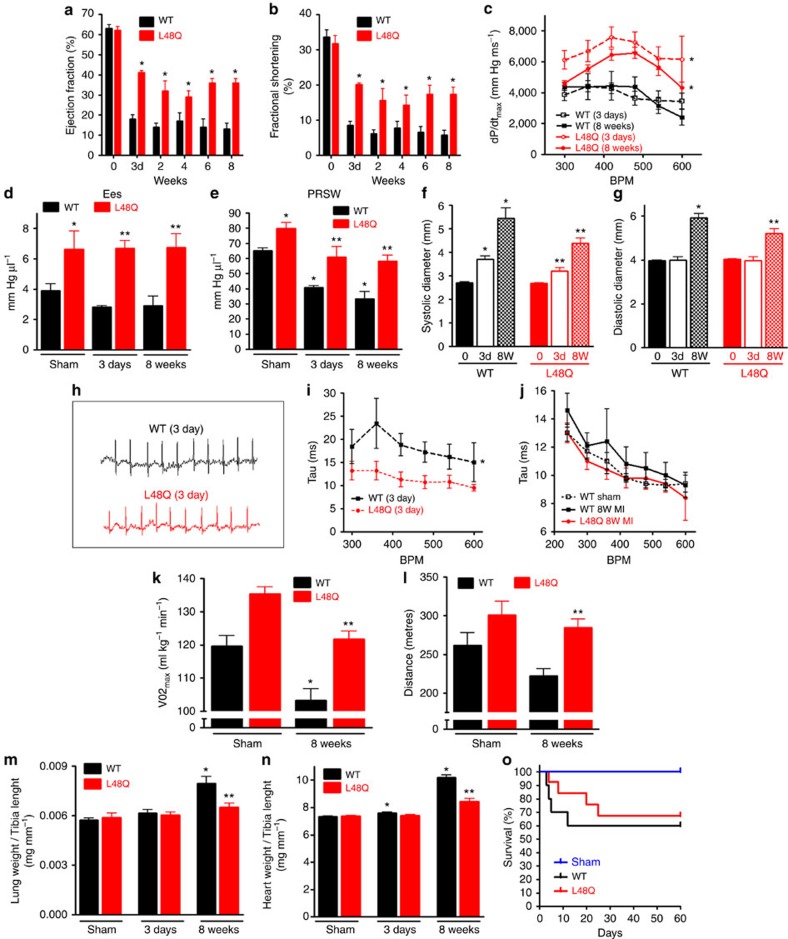
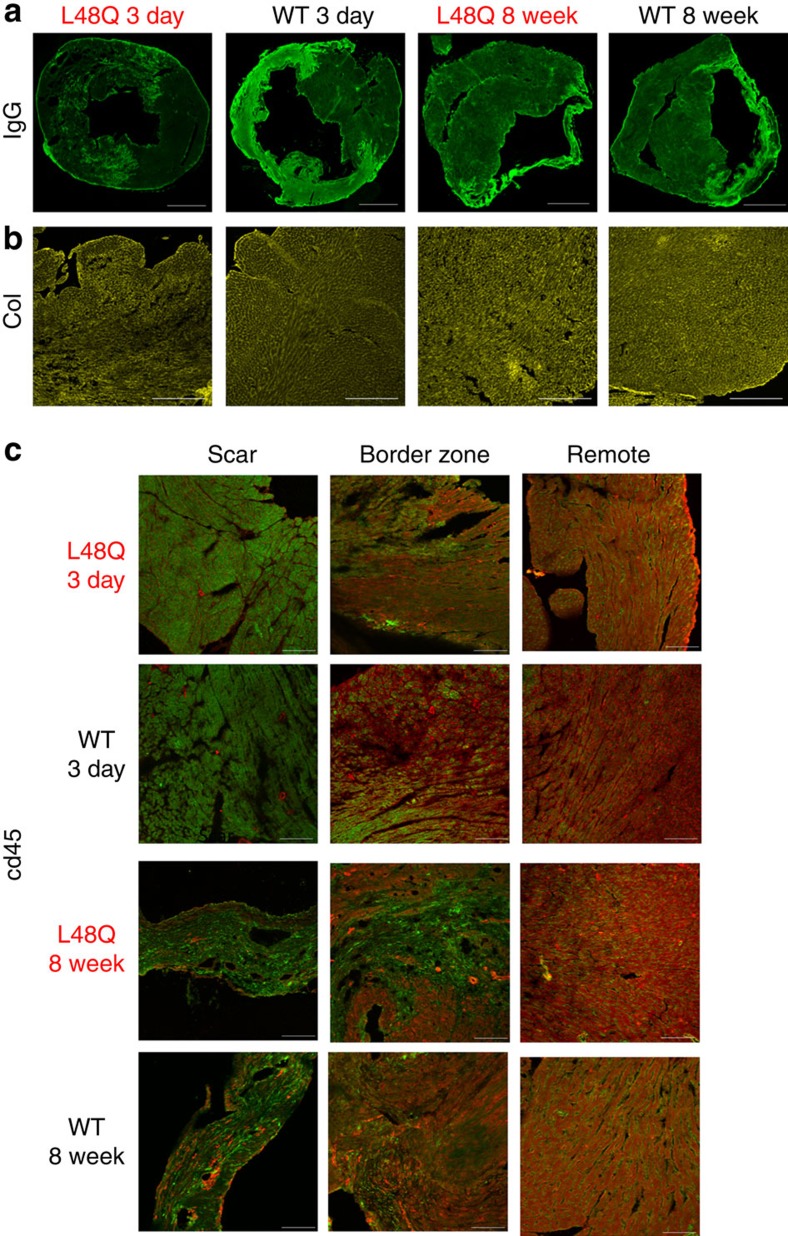
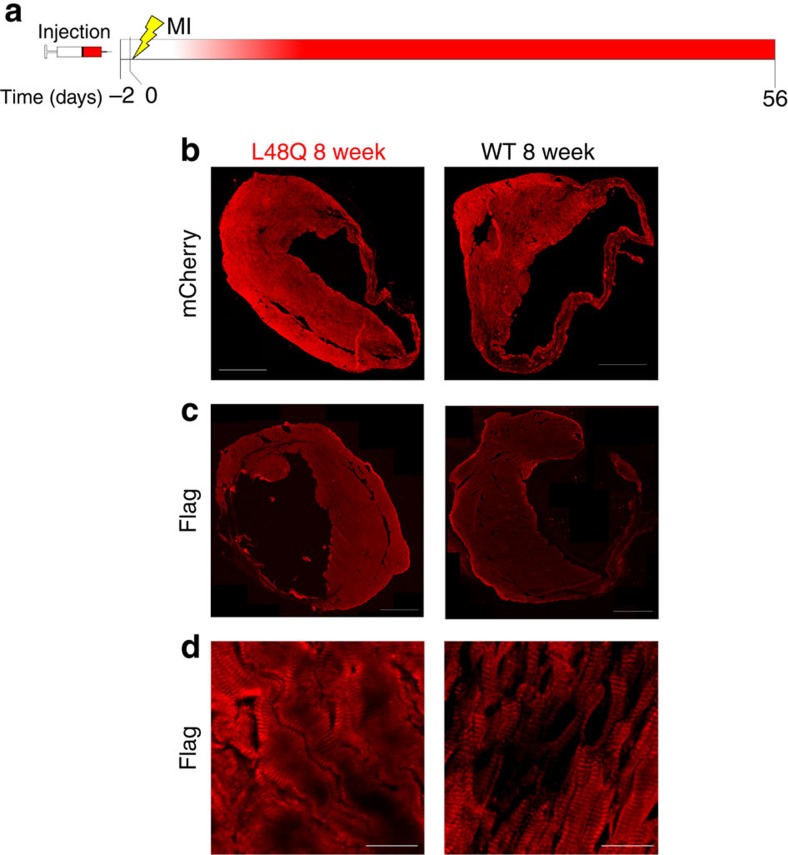
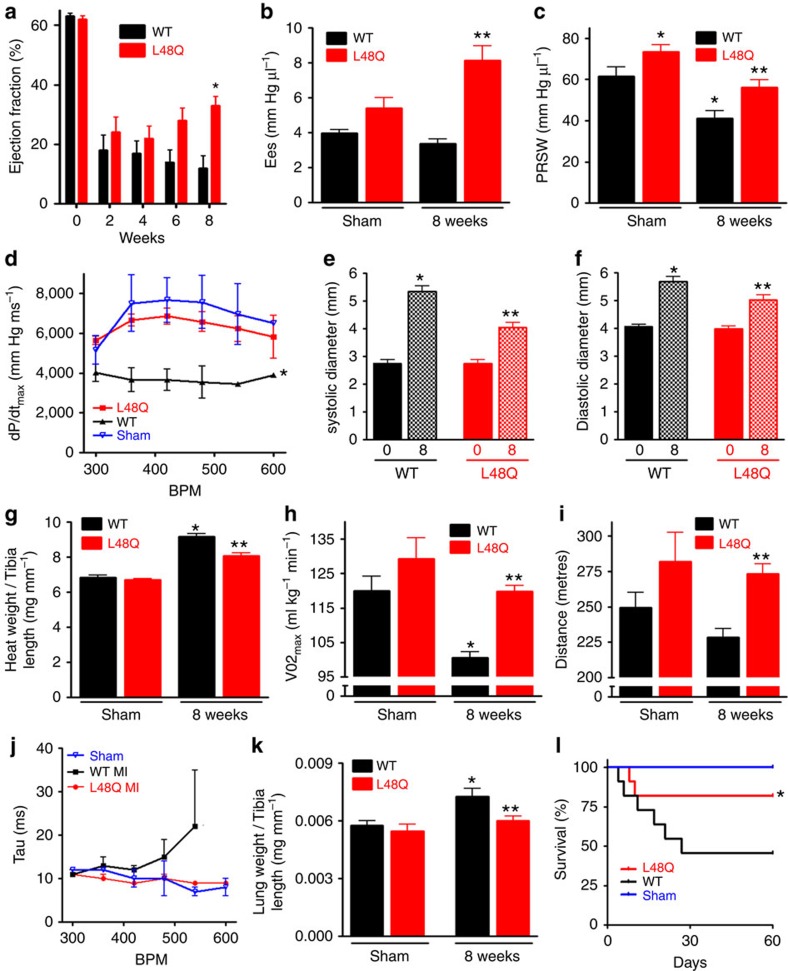
Treatment for heart disease, the leading cause of death in the world, has progressed little for several decades. Here we develop a protein engineering approach to directly tune in vivo cardiac contractility by tailoring the ability of the heart to respond to the Ca(2+) signal. Promisingly, our smartly formulated Ca(2+)-sensitizing TnC (L48Q) enhances heart function without any adverse effects that are commonly observed with positive inotropes. In a myocardial infarction (MI) model of heart failure, expression of TnC L48Q before the MI preserves cardiac function and performance. Moreover, expression of TnC L48Q after the MI therapeutically enhances cardiac function and performance, without compromising survival. We demonstrate engineering TnC can specifically and precisely modulate cardiac contractility that when combined with gene therapy can be employed as a therapeutic strategy for heart disease.
心脏病是全球主要的死因,几十年来其治疗进展甚微。在此,我们开发了一种蛋白质工程方法,通过调整心脏对Ca(2+)信号的响应能力来直接调节体内心脏收缩力。令人鼓舞的是,我们巧妙设计的Ca(2+)敏感肌钙蛋白C(L48Q)可增强心脏功能,且无正性肌力药物常见的任何不良反应。在心力衰竭的心肌梗死(MI)模型中,MI前TnC L48Q的表达可保留心脏功能和性能。此外,MI后TnC L48Q的表达可治疗性增强心脏功能和性能,而不影响生存率。我们证明,工程化的TnC可特异性且精确地调节心脏收缩力,与基因治疗相结合时可作为心脏病的治疗策略。