Ma Zhenguo, Marsolais Frédéric, Bykova Natalia V, Igamberdiev Abir U
Department of Biology, Memorial University of Newfoundland, St. John'sNL, Canada; Genomics and Biotechnology, London Research and Development Centre, Agriculture and Agri-Food CanadaLondon, ON, Canada; Department of Biology, University of Western OntarioLondon, ON, Canada.
Genomics and Biotechnology, London Research and Development Centre, Agriculture and Agri-Food CanadaLondon, ON, Canada; Department of Biology, University of Western OntarioLondon, ON, Canada.
Front Plant Sci. 2016 Feb 16;7:138. doi: 10.3389/fpls.2016.00138. eCollection 2016.
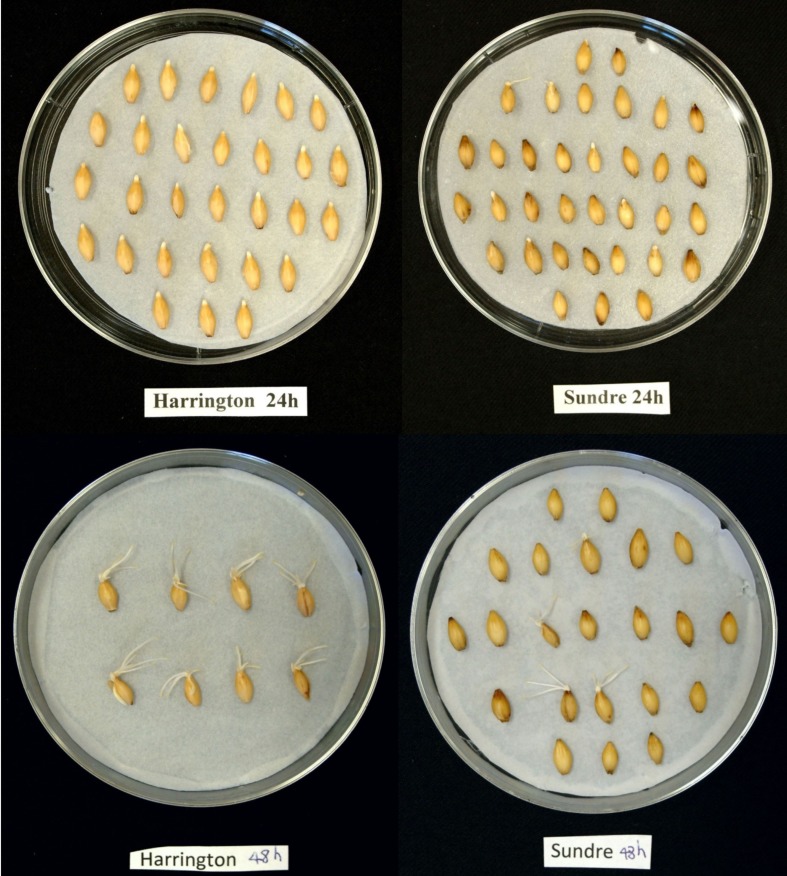
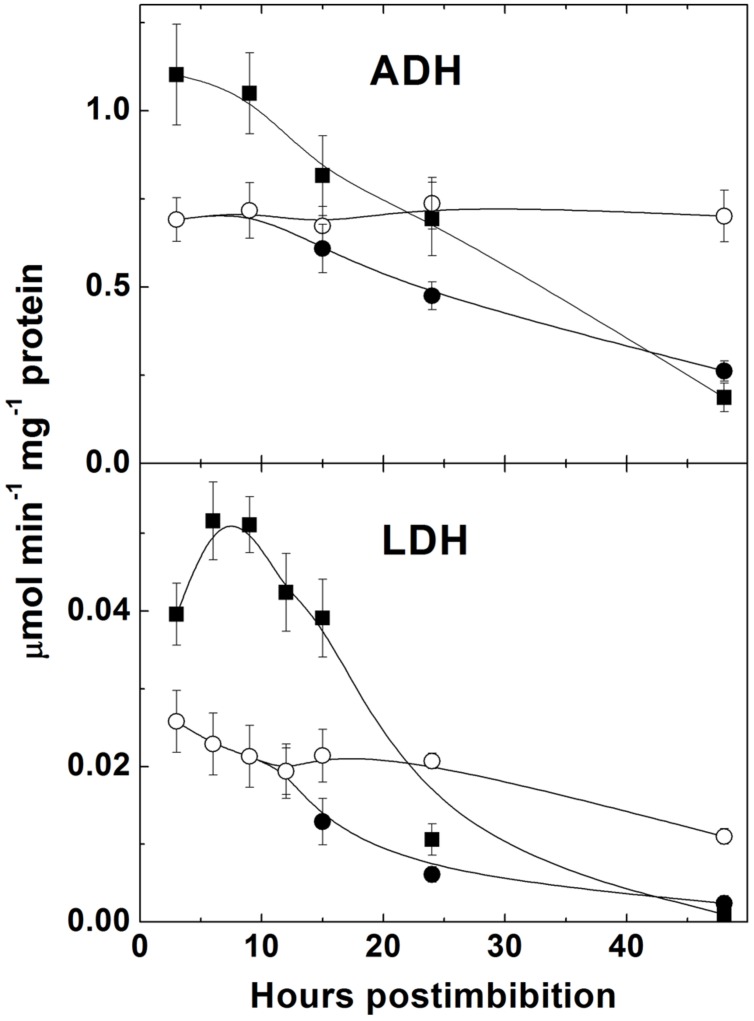
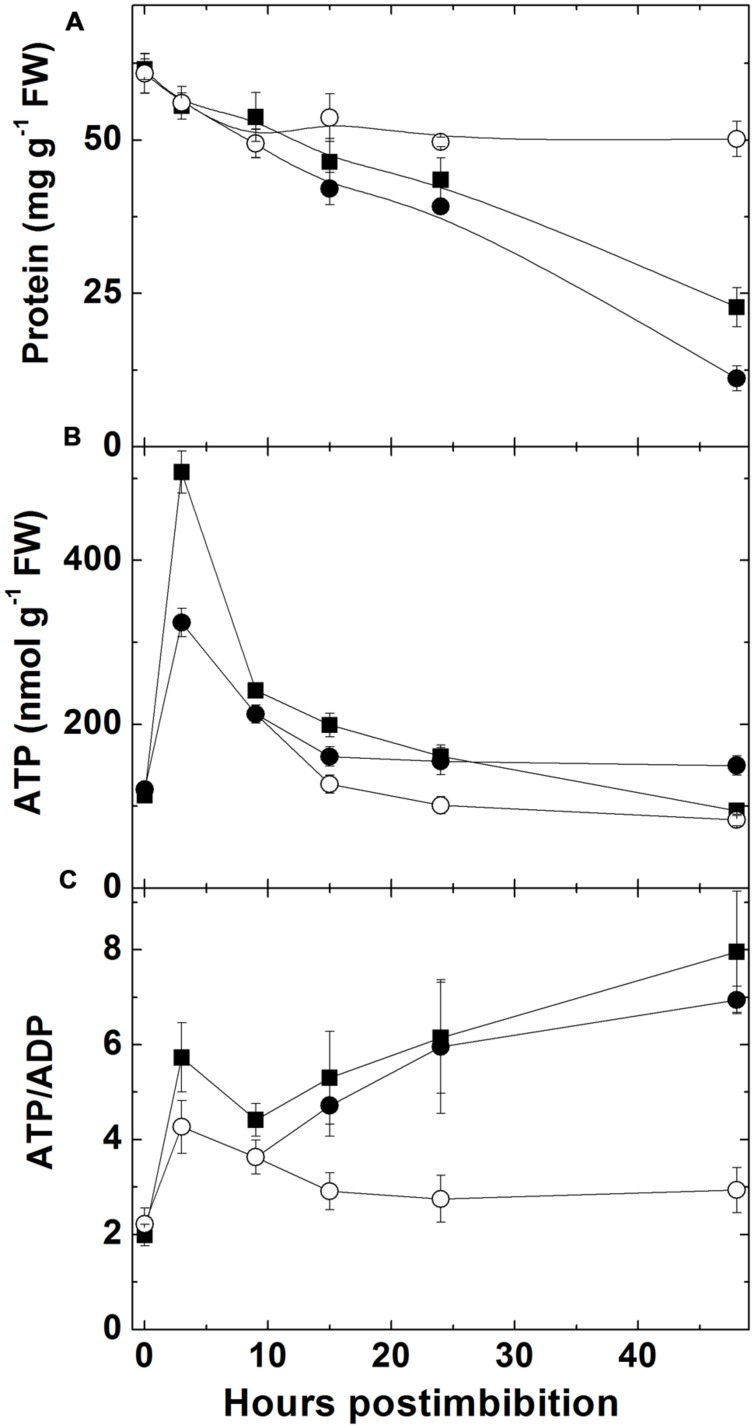
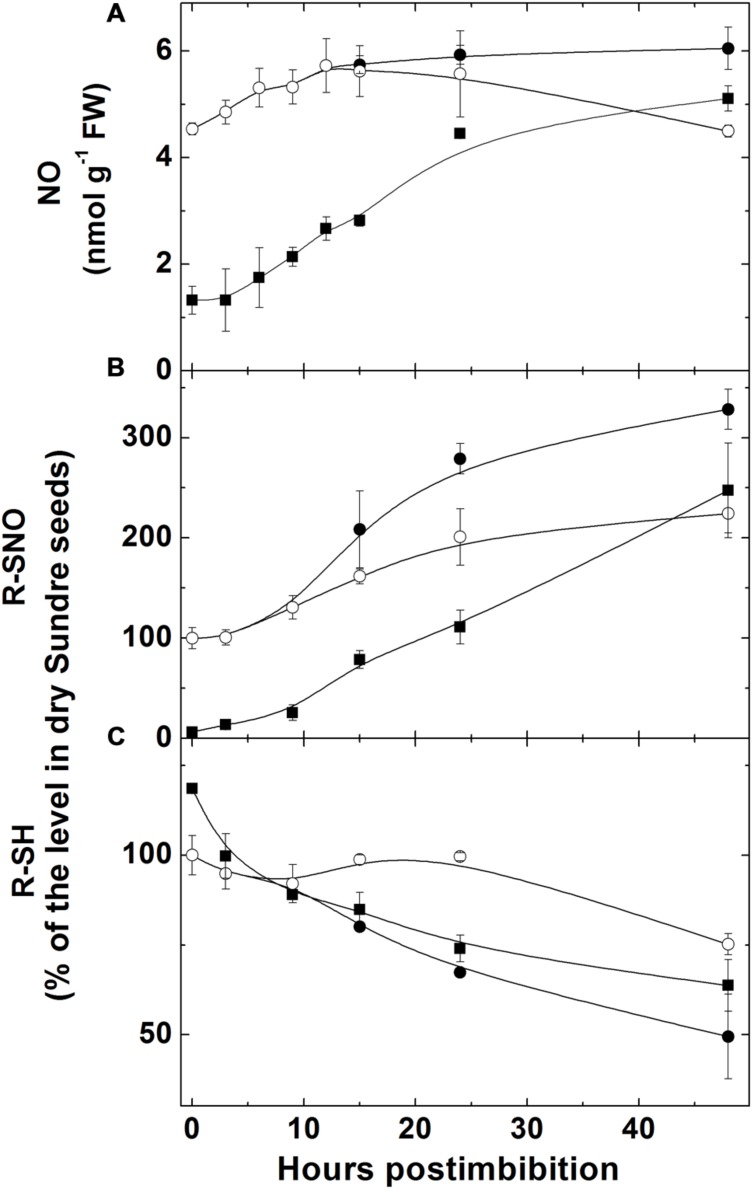
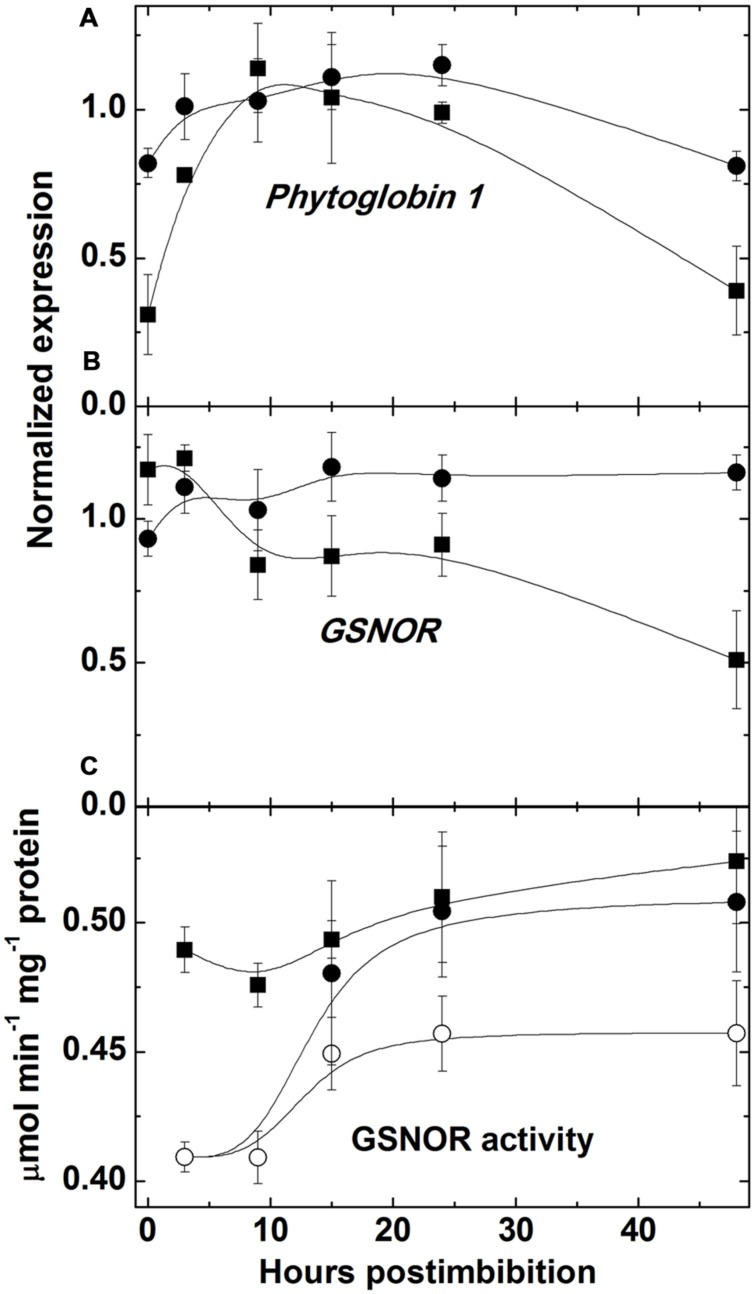
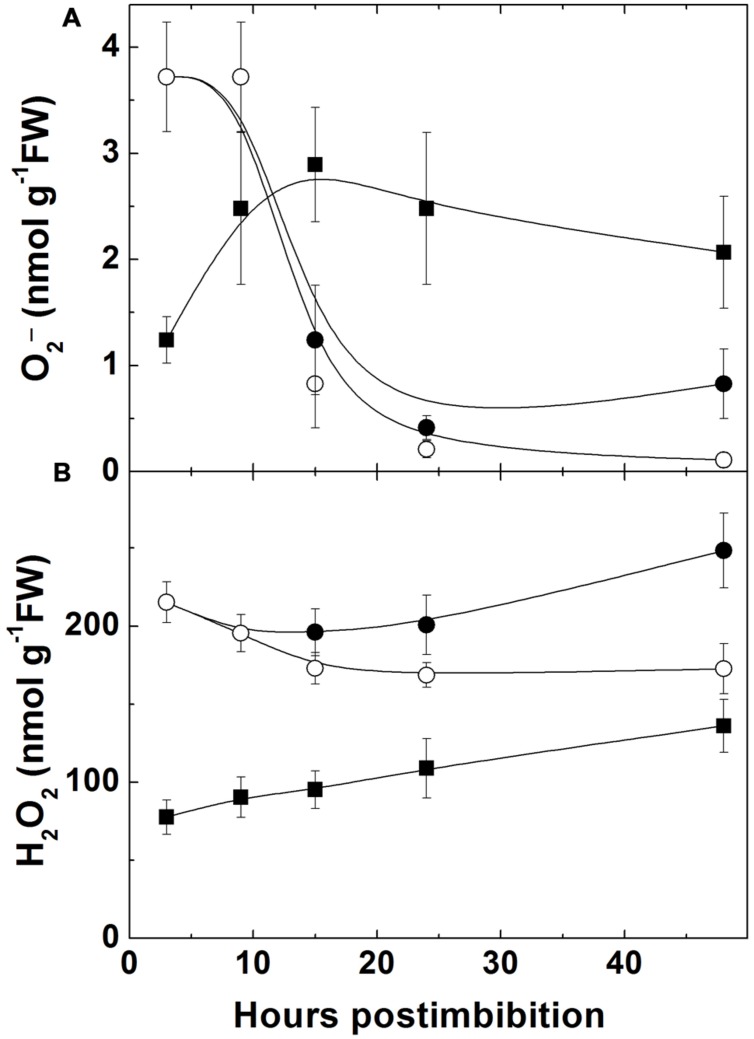
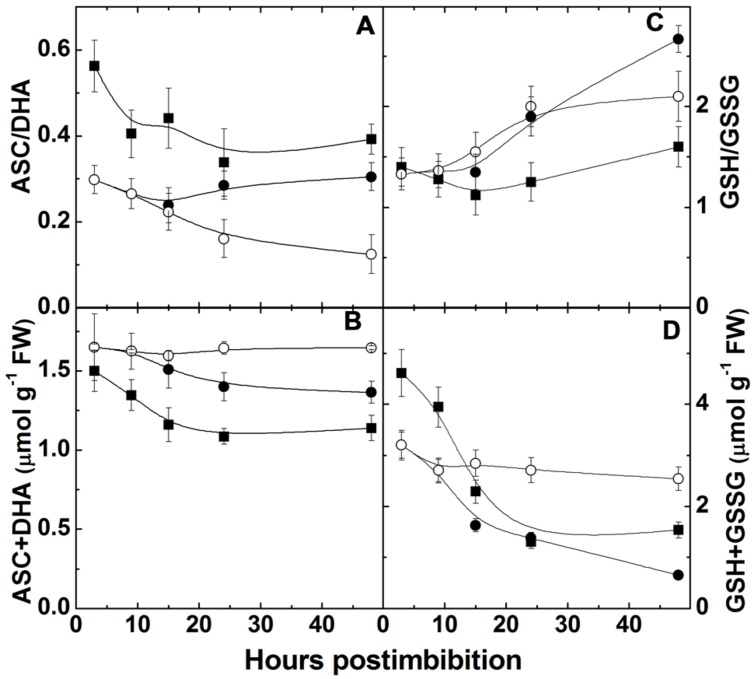
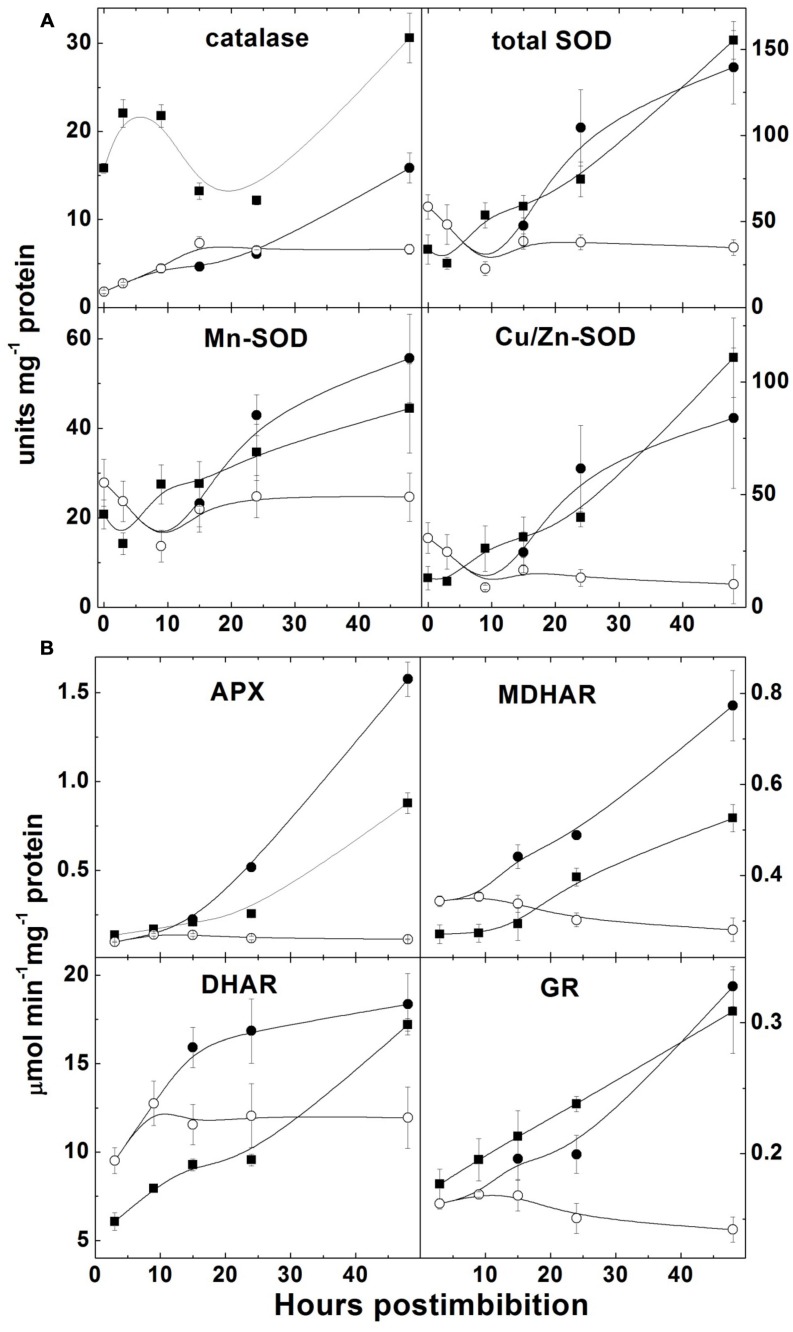
The levels of nitric oxide (NO) and reactive oxygen species (ROS), ATP/ADP ratios, reduction levels of ascorbate and glutathione, expression of the genes encoding proteins involved in metabolism of NO and activities of the enzymes involved in fermentation and in metabolism of NO and ROS were studied in the embryos of germinating seeds of two barley (Hordeum vulgare L.) cultivars differing in dormancy level. The level of NO production continuously increased after imbibition while the level of nitrosylated SH-groups in proteins increased. This corresponded to the decrease of free SH-groups in proteins. At early stage of germination (0-48 h post imbibition) the genes encoding class 1 phytoglobin (the protein scavenging NO) and S-nitrosoglutathione reductase (scavenging S-nitrosoglutathione) were markedly expressed. More dormant cultivar exhibited lower ATP/ADP and ascorbate/dehydroascorbate ratios and lower lactate and alcohol dehydrogenase activities, while the production of NO and nitrosylation of proteins was higher as compared to the non-dormant cultivar. The obtained data indicate that at the onset of germination NO is actively generated causing nitrosylation of SH-groups and a switch from respiration to fermentation. After radicle protrusion the metabolism changes in a more reducing type as recorded by ratio of reduced and oxidized glutathione and ascorbate. The turnover of NO by the scavenging systems (phytoglobin, S-nitrosoglutathione reductase and interaction with ROS) might contribute to the maintenance of redox and energy balance of germinating seeds and lead to alleviation of dormancy.
研究了两个休眠水平不同的大麦(Hordeum vulgare L.)品种萌发种子胚中一氧化氮(NO)和活性氧(ROS)水平、ATP/ADP比值、抗坏血酸和谷胱甘肽的还原水平、参与NO代谢的蛋白质编码基因的表达以及参与发酵和NO与ROS代谢的酶的活性。吸水后,NO产生水平持续增加,而蛋白质中亚硝基化SH基团的水平增加。这与蛋白质中游离SH基团的减少相对应。在萌发早期(吸水后0 - 48小时),编码1类植物血红蛋白(清除NO的蛋白质)和S - 亚硝基谷胱甘肽还原酶(清除S - 亚硝基谷胱甘肽)的基因显著表达。与非休眠品种相比,休眠性更强的品种表现出更低的ATP/ADP和抗坏血酸/脱氢抗坏血酸比值以及更低的乳酸和乙醇脱氢酶活性,而NO的产生和蛋白质的亚硝基化则更高。获得的数据表明,在萌发开始时,NO被积极产生,导致SH基团亚硝基化,并从呼吸作用转变为发酵作用。胚根突出后,如还原型和氧化型谷胱甘肽以及抗坏血酸的比值所示,代谢转变为更具还原性的类型。清除系统(植物血红蛋白、S - 亚硝基谷胱甘肽还原酶以及与ROS的相互作用)对NO的周转可能有助于维持萌发种子的氧化还原和能量平衡,并导致休眠的缓解。