Guha Tuhin Kumar, Hausner Georg
Department of Microbiology, University of Manitoba, Winnipeg, Canada.
PLoS One. 2016 Feb 24;11(2):e0150097. doi: 10.1371/journal.pone.0150097. eCollection 2016.
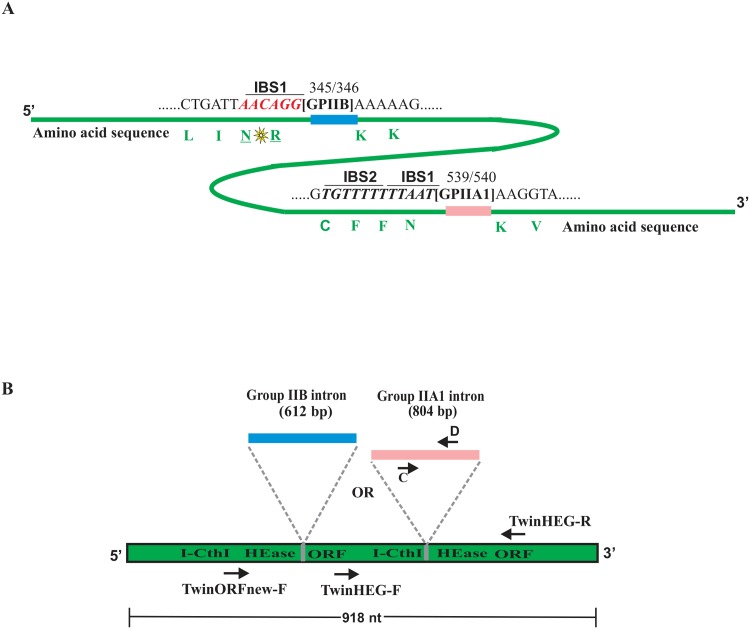
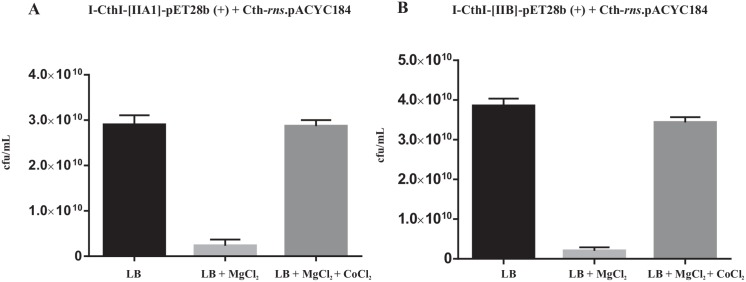
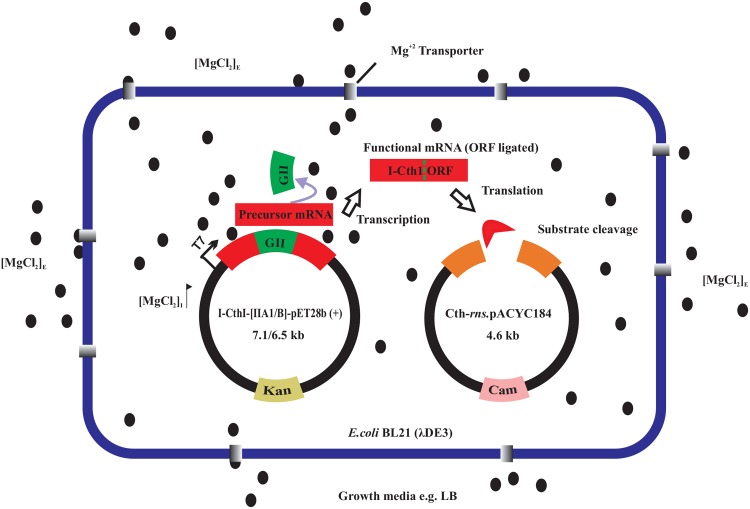
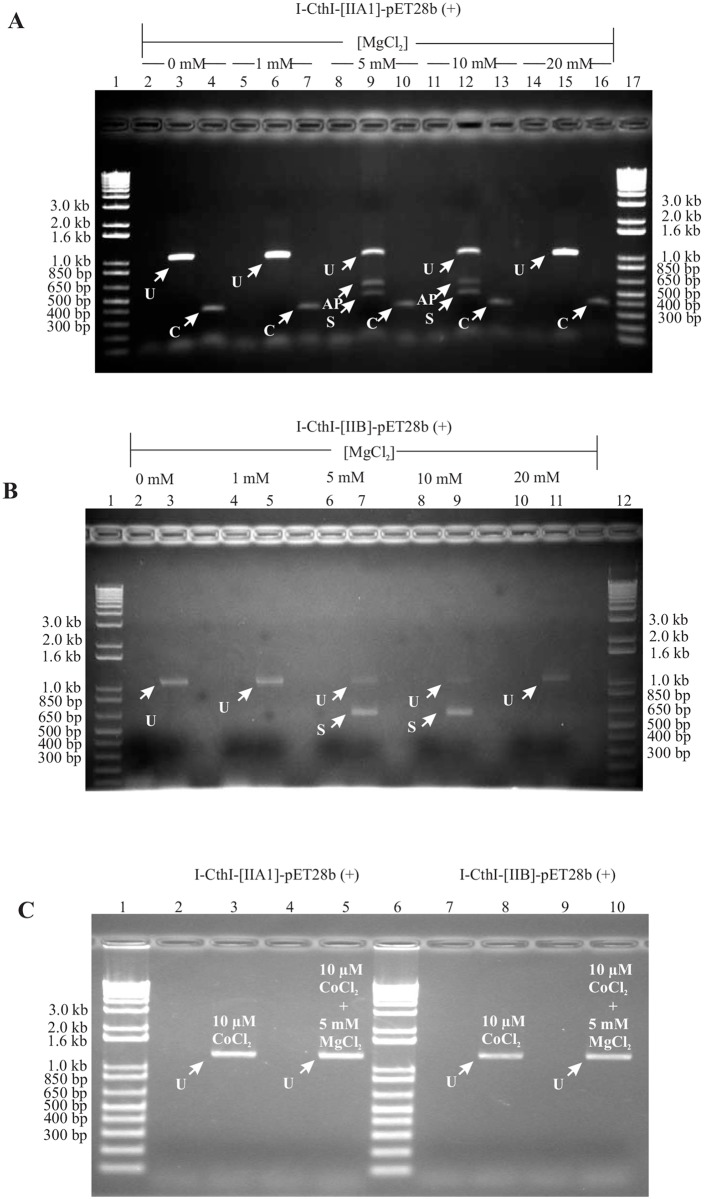
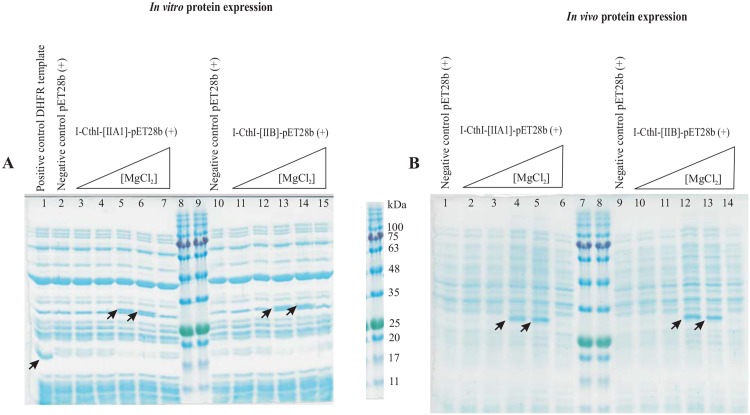
In Chaetomium thermophilum (DSM 1495) within the mitochondrial DNA (mtDNA) small ribosomal subunit (rns) gene a group IIA1 intron interrupts an open reading frame (ORF) encoded within a group I intron (mS1247). This arrangement offers the opportunity to examine if the nested group II intron could be utilized as a regulatory element for the expression of the homing endonuclease (HEase). Constructs were generated where the codon-optimized ORF was interrupted with either the native group IIA1 intron or a group IIB type intron. This study showed that the expression of the HEase (in vivo) in Escherichia coli can be regulated by manipulating the splicing efficiency of the HEase ORF-embedded group II introns. Exogenous magnesium chloride (MgCl2) stimulated the expression of a functional HEase but the addition of cobalt chloride (CoCl2) to growth media antagonized the expression of HEase activity. Ultimately the ability to attenuate HEase activity might be useful in precision genome engineering, minimizing off target activities, or where pathways have to be altered during a specific growth phase.
在嗜热毛壳菌(DSM 1495)的线粒体DNA(mtDNA)小核糖体亚基(rns)基因中,一个IIA1组内含子打断了一个编码在I组内含子(mS1247)中的开放阅读框(ORF)。这种排列提供了一个机会来研究嵌套的II组内含子是否可以用作归巢内切酶(HEase)表达的调控元件。构建了这样的载体,其中密码子优化的ORF被天然的IIA1组内含子或IIB型内含子打断。这项研究表明,通过操纵嵌入HEase ORF的II组内含子的剪接效率,可以在体内调控大肠杆菌中HEase的表达。外源性氯化镁(MgCl2)刺激了功能性HEase的表达,但向生长培养基中添加氯化钴(CoCl2)会拮抗HEase活性的表达。最终,减弱HEase活性的能力可能在精确基因组工程、最小化脱靶活性或在特定生长阶段必须改变途径的情况下有用。