Rojavin Mikhail A, Hubsch Alphonse, Lawo John-Philip
Clinical Research and Development, CSL Behring LLC, King of Prussia, PA, USA.
Medical Affairs, CSL Behring AG, Berne, Switzerland.
J Clin Immunol. 2016 Apr;36(3):210-9. doi: 10.1007/s10875-016-0243-z. Epub 2016 Feb 24.
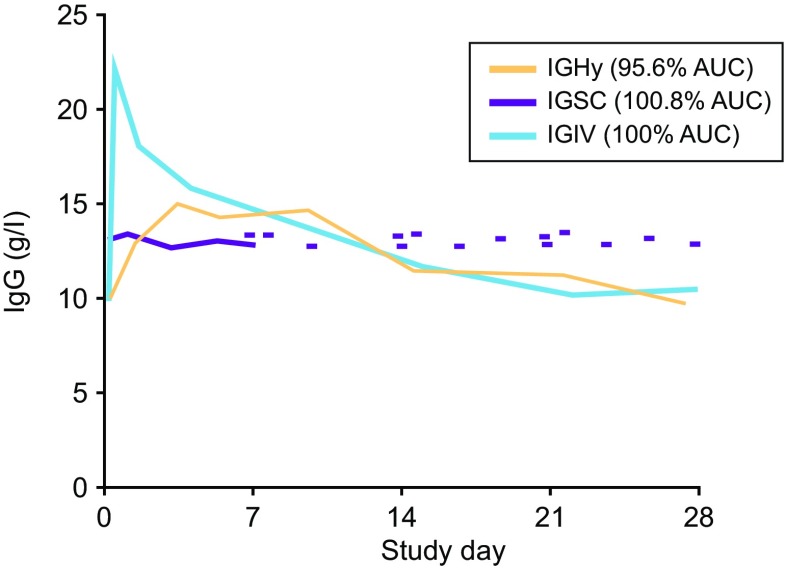
Intravenous IgG (IVIG) treatment wear-off is commonly experienced by patients, who report increased susceptibility to infection, and decreased quality of life towards the end of their 3- or 4-week dosing cycle, when serum IgG levels approach their trough. We quantified IVIG wear-off in terms of treatment efficacy and patient well-being.
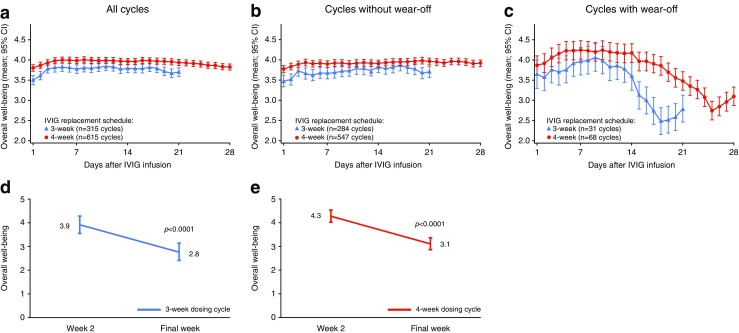
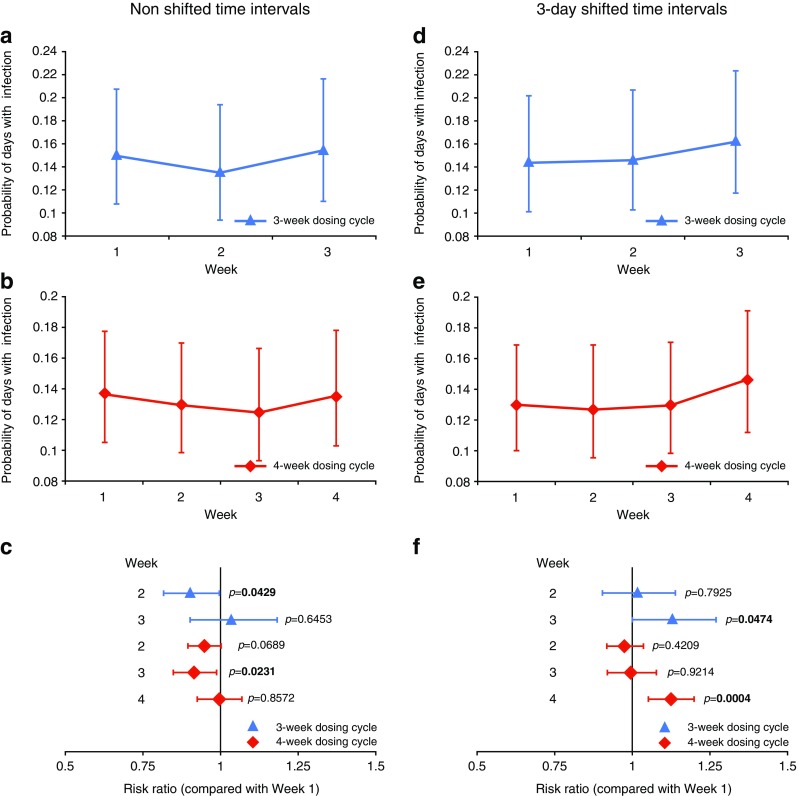
Data were collected from patients enrolled in three Phase III trials of Sandoglobulin NF Liquid or Privigen, treated every 3- or 4- weeks. Pooled analyses of raw patient data compared the rate of infection and other clinical outcomes during the course of the dosing cycle. Subjective symptoms of wear-off were quantified by comparing patient-reported overall well-being scores.
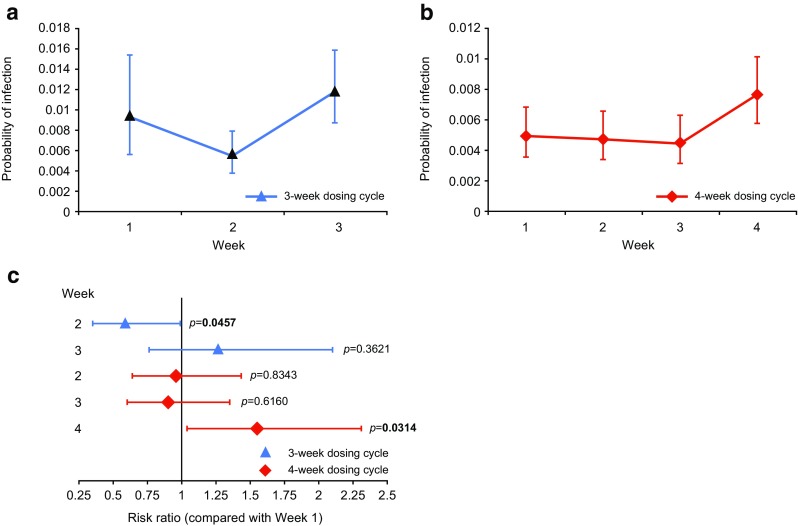
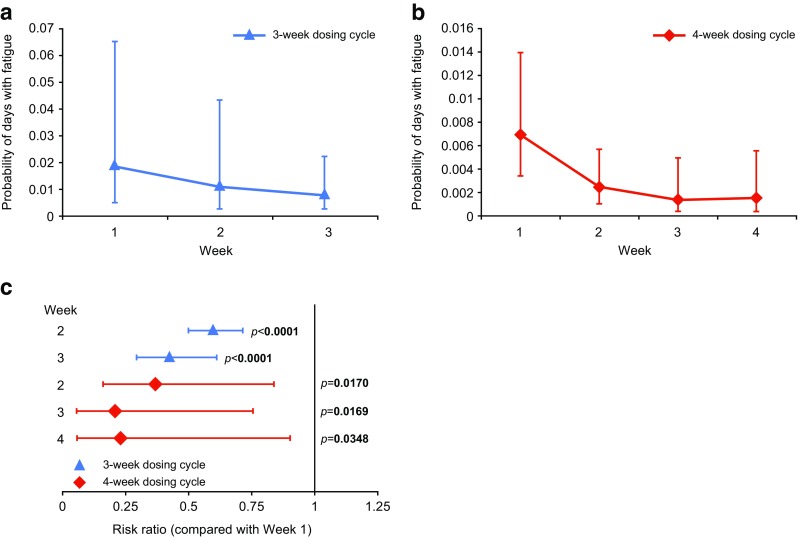
The probability of a first infection in the final week of the IVIG cycle was 1.26 (95% confidence intervals [CI]: 0.76-2.11; p = 0.3621) and 1.55 (95% CI: 1.04-2.32; p = 0.0314) times higher than in the first week, for patients on a 3-week cycle and 4-week dosing cycles, respectively. Wear-off, as manifested by a decrease in overall well-being, was experienced in 10% of all cycles and reported at least once by 61% of the patients on a 3-week cycle, and 43% of those on a 4-week cycle.
These findings confirm the existence of decreased efficacy (treatment wear-off) towards the end of a 3-4 week IVIG dosing cycle, and provide a quantifiable evaluation to a phenomenon typically reported anecdotally. For patients experiencing wear-off, increasing the IgG dose or shortening the dosing interval and/or a switch to SCIG may be beneficial.
静脉注射免疫球蛋白(IVIG)治疗效果消退是患者常见的情况,患者报告称在3至4周的给药周期接近尾声时,感染易感性增加,生活质量下降,此时血清免疫球蛋白G(IgG)水平接近谷底。我们从治疗效果和患者健康状况方面对IVIG治疗效果消退进行了量化。
收集参加了三项使用Sandoglobulin NF Liquid或Privigen进行的III期试验的患者数据,这些患者每3或4周接受一次治疗。对原始患者数据进行汇总分析,比较给药周期过程中的感染率和其他临床结果。通过比较患者报告的总体健康状况评分来量化治疗效果消退的主观症状。
对于接受3周给药周期和4周给药周期的患者,IVIG周期最后一周首次感染的概率分别比第一周高1.26倍(95%置信区间[CI]:0.76 - 2.11;p = 0.3621)和1.55倍(95% CI:1.04 - 2.32;p = 0.0314)。在所有周期中,有10%出现了以总体健康状况下降为表现的治疗效果消退,3周给药周期的患者中有61%至少报告过一次,4周给药周期的患者中有43%报告过。
这些发现证实了在3至4周的IVIG给药周期接近尾声时存在疗效下降(治疗效果消退)的情况,并对这一通常为轶事报道的现象提供了可量化的评估。对于经历治疗效果消退的患者,增加IgG剂量或缩短给药间隔和/或改用皮下注射免疫球蛋白(SCIG)可能有益。