Zhang Chunmei, Huang Jian, Li Xingang
Comprehensive Laboratory of Forest for Shaanxi Province, College of Forestry, Northwest A&F University Yangling, China.
Front Plant Sci. 2016 Feb 15;7:122. doi: 10.3389/fpls.2016.00122. eCollection 2016.
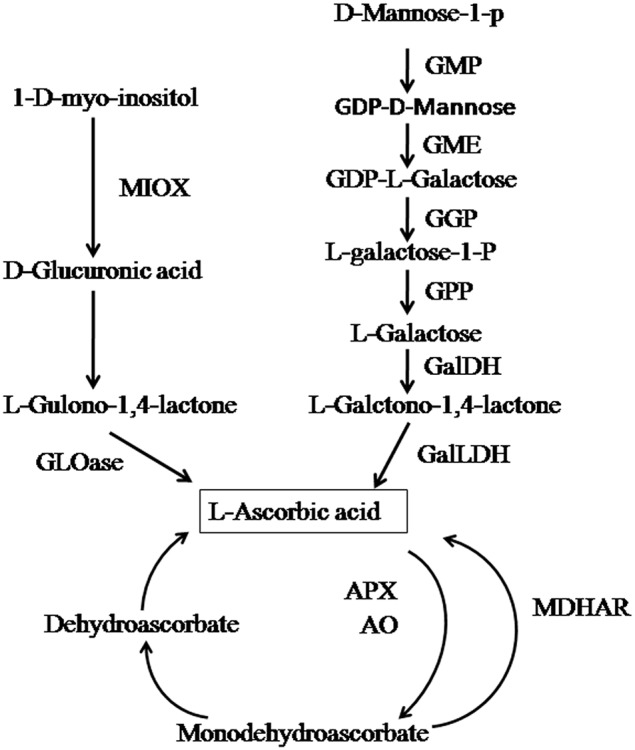
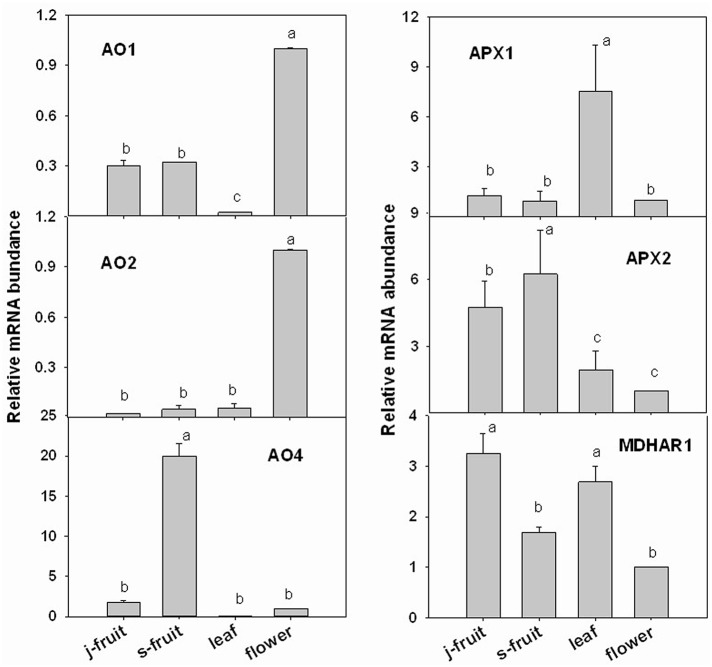
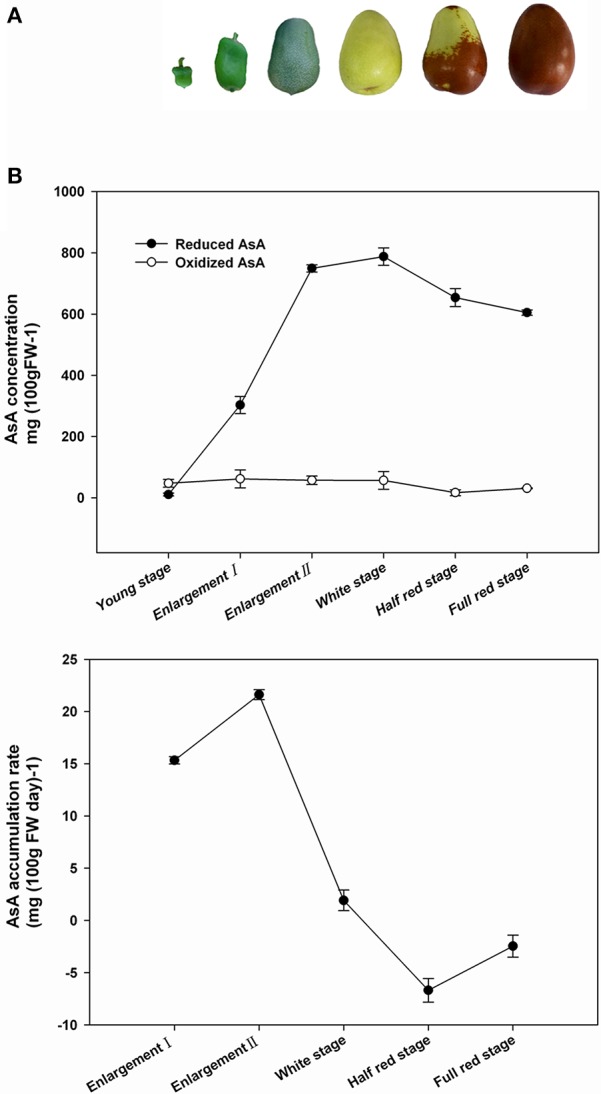
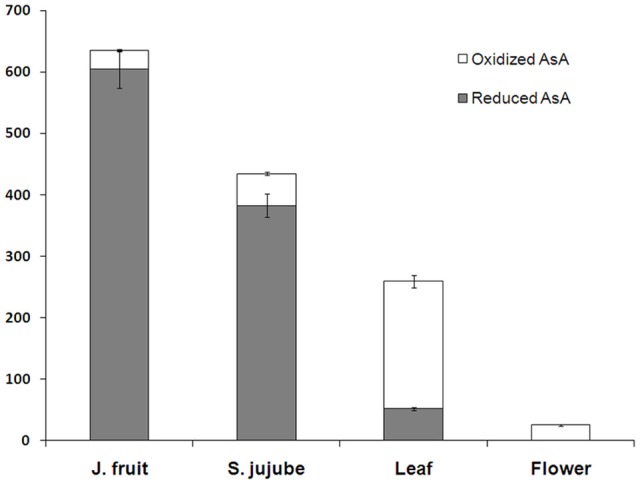
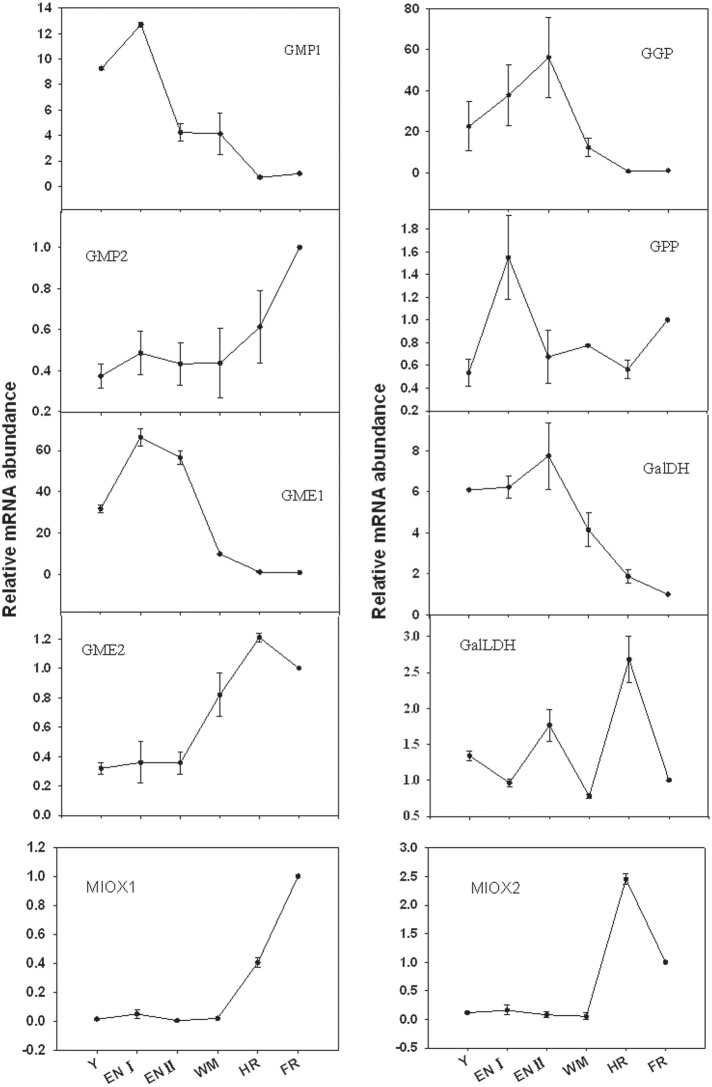
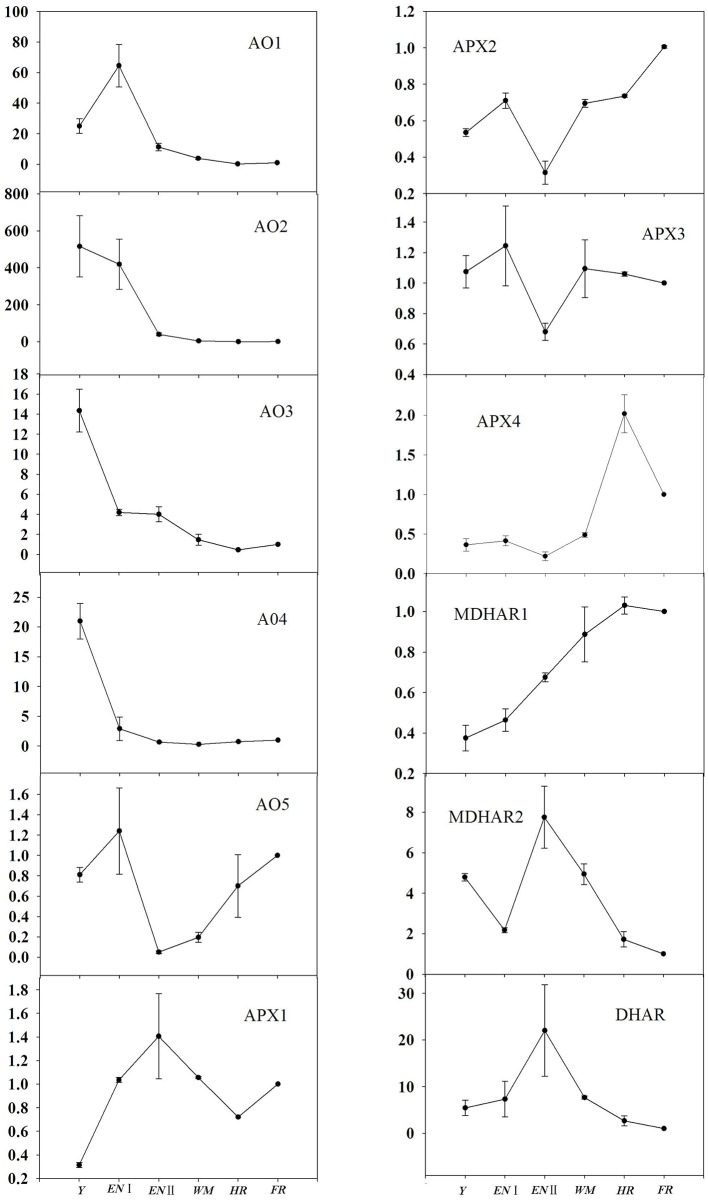
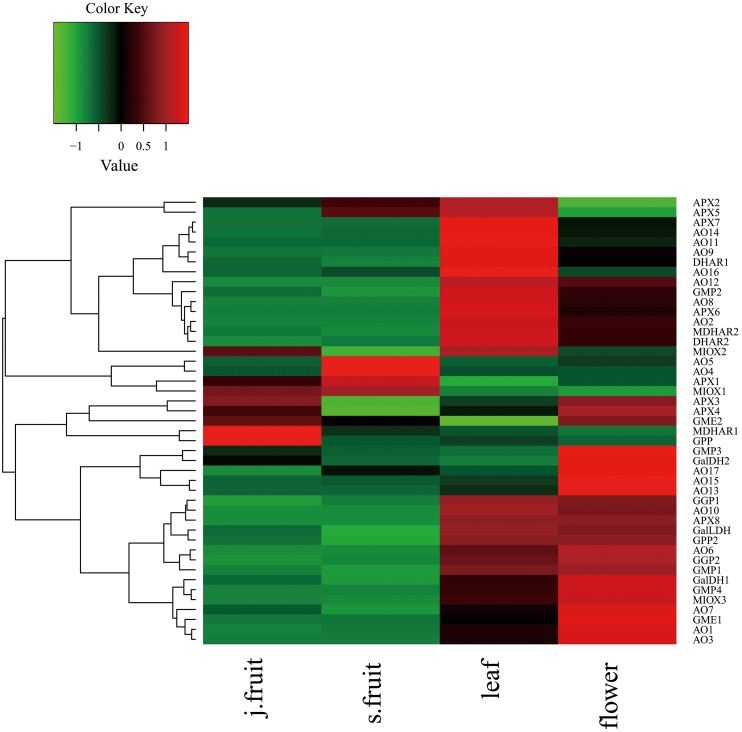
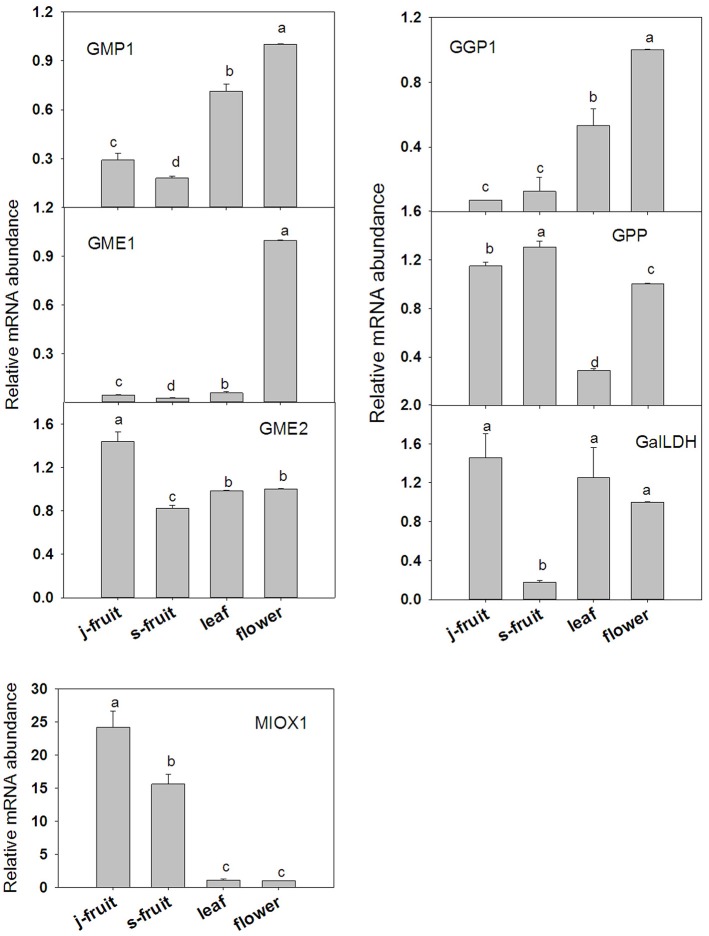
Chinese jujube (Ziziphus jujuba Mill.) is the most economically important member of the Rhamnaceae family and contains a high concentration of ascorbic acid (AsA). To explore the metabolic mechanism of AsA accumulation, we investigated the abundance of AsA in the fruit development stages, the leaf and flower of Z. jujuba cv Junzao, and the mature fruit of one type of wild jujube (Z. jujuba var. spinosa Hu, Yanchuan sour jujube). And the expression patterns of genes involved in AsA biosynthesis, degradation, and recycling were analyzed. The result showed that AsA biosynthesis during early fruit development (the enlargement stage) is the main reason for jujube high accumulation. The L-galactose pathway plays a predominant role in the biosynthesis of AsA during jujube fruit development, and the genes GMP1, GME1, GGP, and GaLDH involved in the determination of AsA concentration during fruit development and in different genotypes; the myo-inositol pathway along with the genes GME2 and GMP2 in the L-galactose pathway play a compensatory role in maintaining AsA accumulation during the ripening stage. These findings enhance our understanding of the molecular mechanism in regulating AsA accumulation for jujube.
枣(Ziziphus jujuba Mill.)是鼠李科中经济价值最高的成员,含有高浓度的抗坏血酸(AsA)。为了探究AsA积累的代谢机制,我们研究了枣品种骏枣果实发育阶段、叶片和花以及一种野生枣(酸枣,Z. jujuba var. spinosa Hu)成熟果实中AsA的含量,并分析了参与AsA生物合成、降解和循环的基因的表达模式。结果表明,果实发育早期(膨大期)的AsA生物合成是枣中AsA高积累的主要原因。L-半乳糖途径在枣果实发育过程中AsA的生物合成中起主要作用,基因GMP1、GME1、GGP和GaLDH参与果实发育过程中以及不同基因型中AsA浓度的决定;肌醇途径以及L-半乳糖途径中的基因GME2和GMP2在成熟阶段维持AsA积累中起补偿作用。这些发现增进了我们对枣中调控AsA积累分子机制的理解。